Advancing Conservation Research For Diospyros sandwicensis, Hawaii
-
Status of project
Completed -
Region
North America -
Country
United States of America -
Programme
BGCI-US -
Workstream
Saving Plants -
Topic
Plant Conservation -
Type
Grant
Ex Situ Storage Protocols for Diospyros sandwicensis Pollen
Project Status: Completed 2025
Funded by: The United States Botanic Garden and BGCI-US via North American Fruit and Nut Tree Crop Wild Relative (NAFANT CWR)
Project Partner: National Tropical Botanical Garden (NTBG)
Introduction
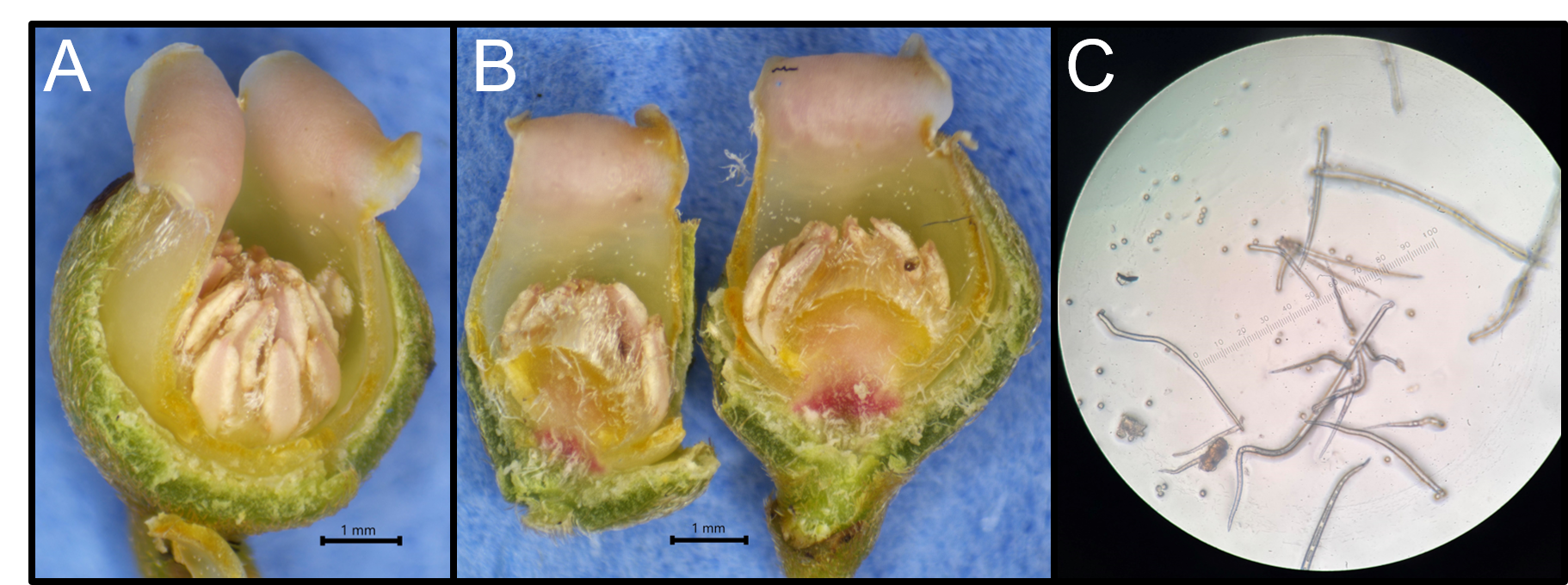
The NAFANT Crop Wild Relative Conservation Partnership supported the National Tropical Botanical Garden in advancing conservation research for the Hawaiian endemic Diospyros sandwicensis- a tree of cultural and ecological importance. Because successful ex situ conservation of this species is constrained by limited knowledge of its reproductive biology, the project focused on documenting flowering patterns and pollen traits, and establishing foundational information to support future breeding and long-term genetic preservation. This endemic tree is of cultural and ecological importance.
Project Goals
The project aimed to inventory existing living collections of Diospyros sandwicensis at the National Tropical Botanical Garden, monitor plants for flowering, document floral development and pollen characteristics, and develop protocols for pollen germination. These efforts were intended to improve understanding of the species’ reproductive biology and lay the groundwork for future pollen storage, controlled pollination, and ex situ conservation.
Key Achievements
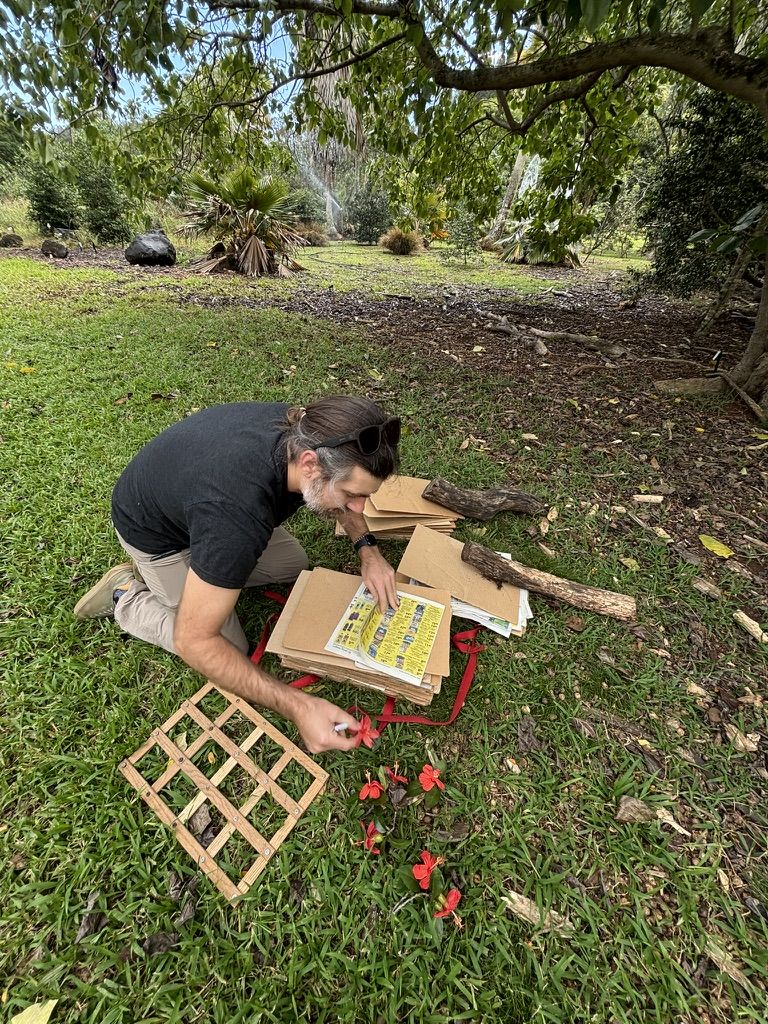
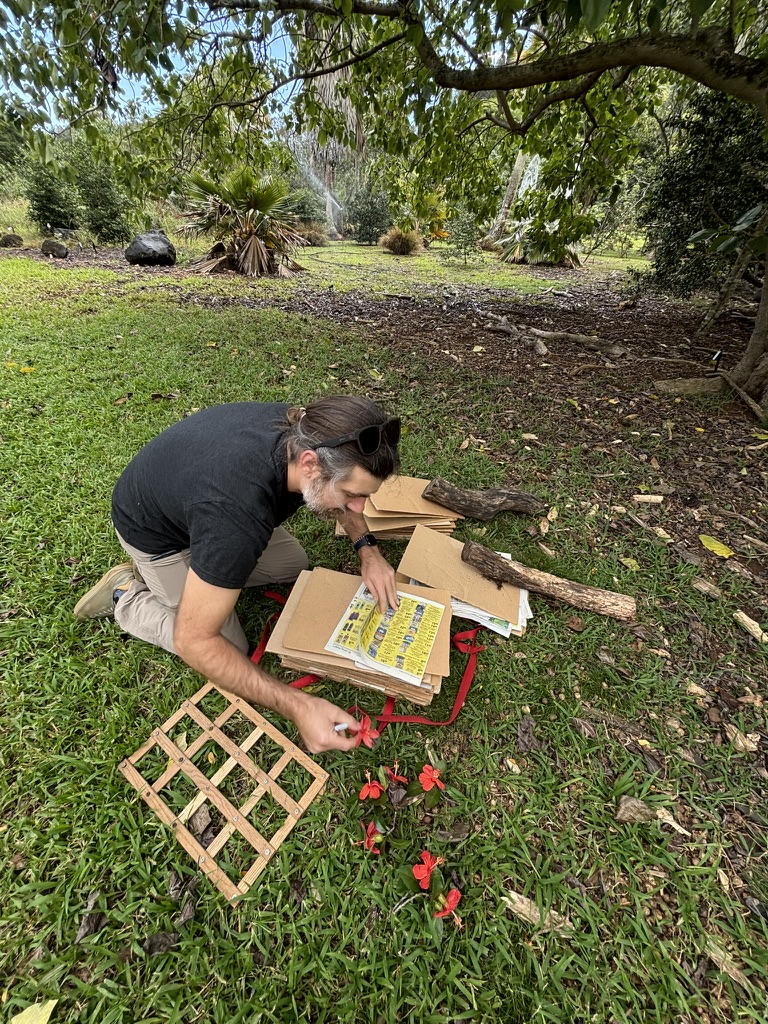
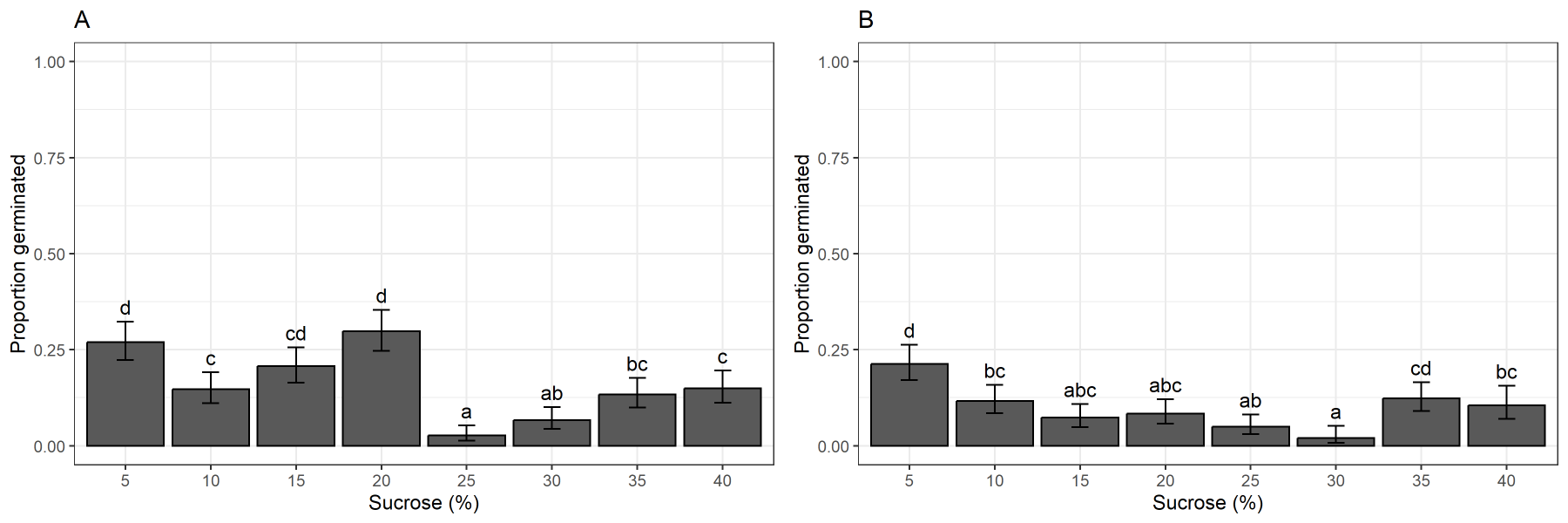
Researchers completed an inventory of the National Tropical Botanical Garden’s living collection, confirming that 16 of 28 targeted individuals remained alive, including four plants previously believed to be lost. Time-lapse photography documented the complete flowering cycle of a male flower for the first time, while herbarium specimens, pollen samples, and high-resolution images of floral morphology were created to provide permanent conservation and research resources. The project also conducted pollen germination experiments that established baseline viability data.
Watch the time-lapse photography documenting the complete flowering cycle of Diospyros sandwicensis below:
The project generated baseline knowledge of the reproductive biology of Diospyros sandwicensis and established important reference materials for future conservation research. Although limited flowering prevented the development of pollen storage protocols, the inventory, phenology observations, and pollen studies provide a foundation for future conservation efforts.