Ex situ Conservation of Rare Alpine Plants, USA
-
Status of project
Completed -
Region
North America -
Country
United States of America -
Programme
BGCI-US -
Workstream
Saving Plants -
Topic
Plant Conservation -
Type
Grant
Ex situ Conservation Strategies for Rare Alpine Plants in California and Nevada
Project Status: Completed 2025
Funded by: US Forest Service Rare Plant Partnership issued by the US Forest Service and BGCI-US via the Global Botanic Garden Fund
Project Partner: California Botanic Garden
Introduction
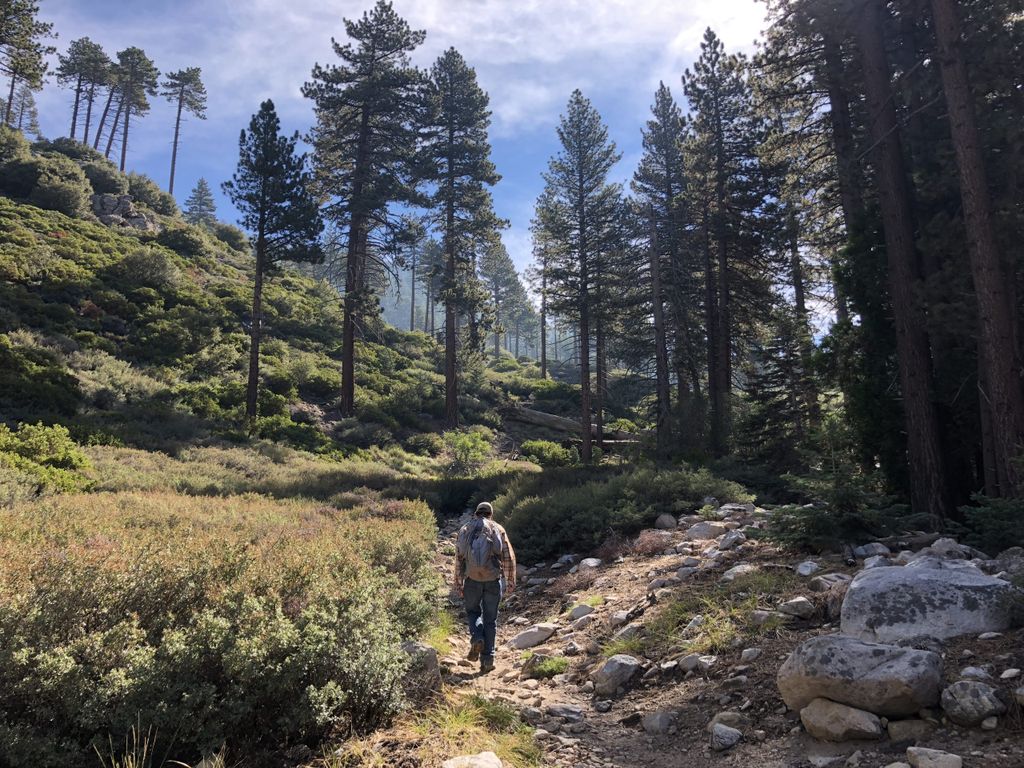
California and Nevada’s alpine ecosystems support a remarkable diversity of rare and endemic plants that are increasingly vulnerable to climate change. Although many of these species occur on protected public lands, their remote habitat makes them difficult to monitor and conserve. This project developed a strategy to identify conservation priorities, guide future seed collections, and strengthen the long-term ex situ conservation of rare alpine plants in the region.
Project Goals
The project aimed to identify rare alpine plant species in California and Nevada, assess their representation in existing seed banks, prioritize future collecting efforts, and secure new seed accessions from high-priority taxa.
Key Achievements
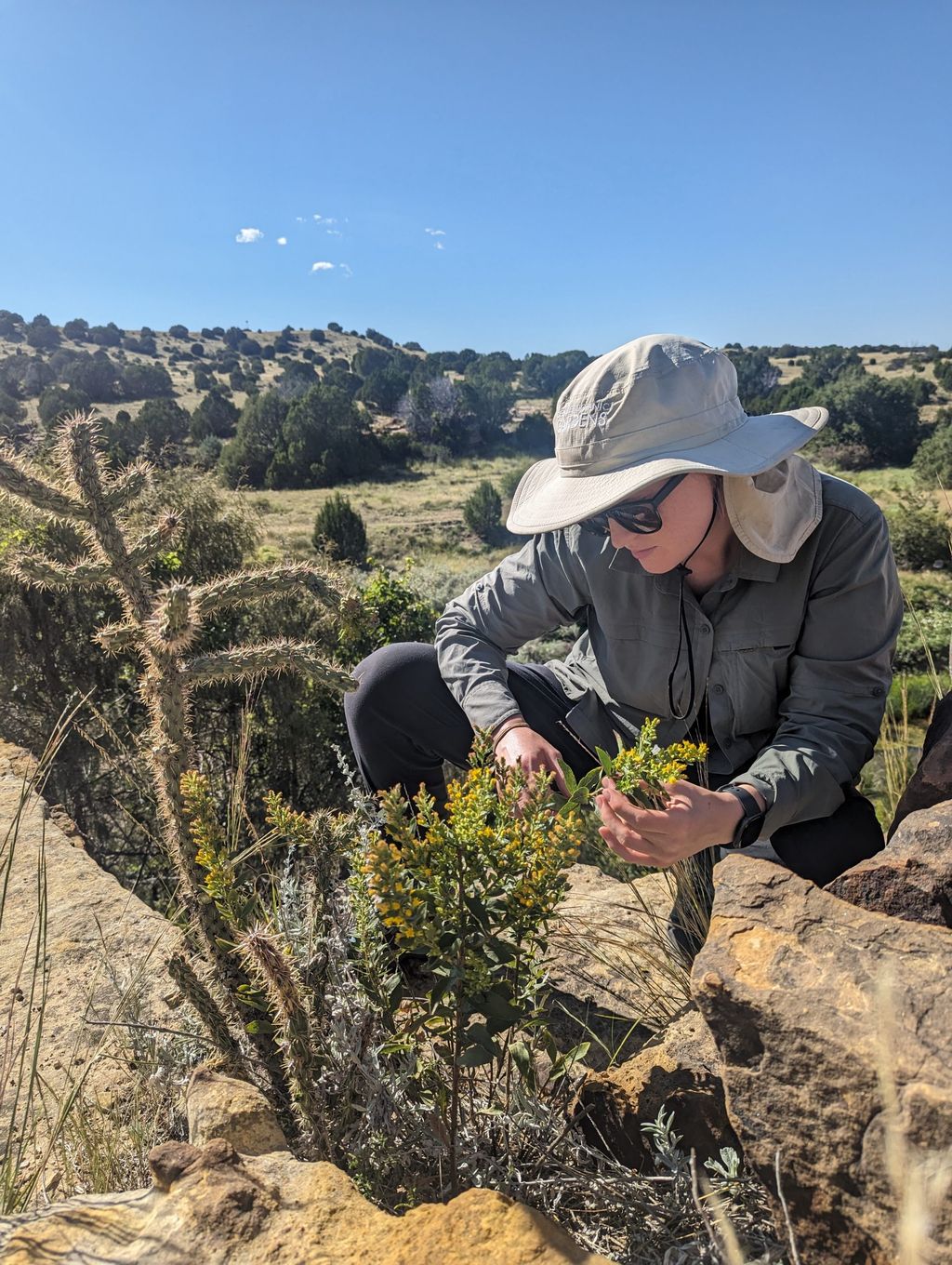
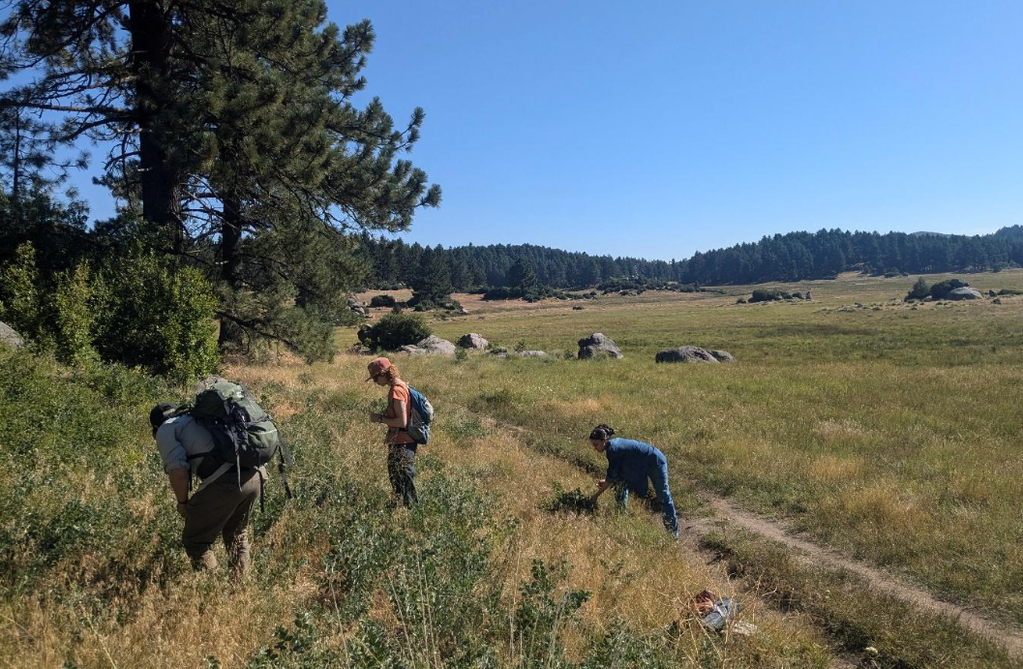
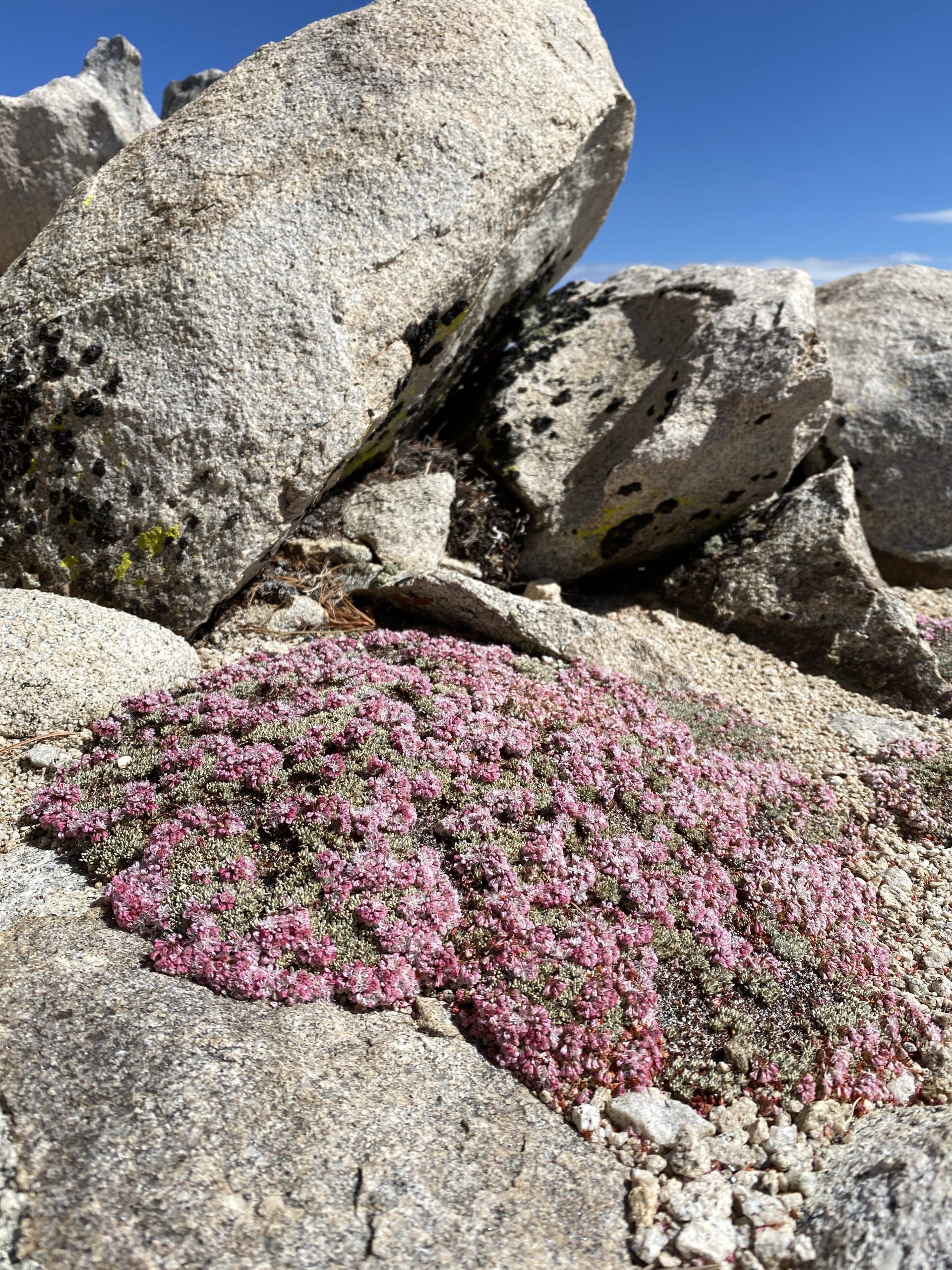
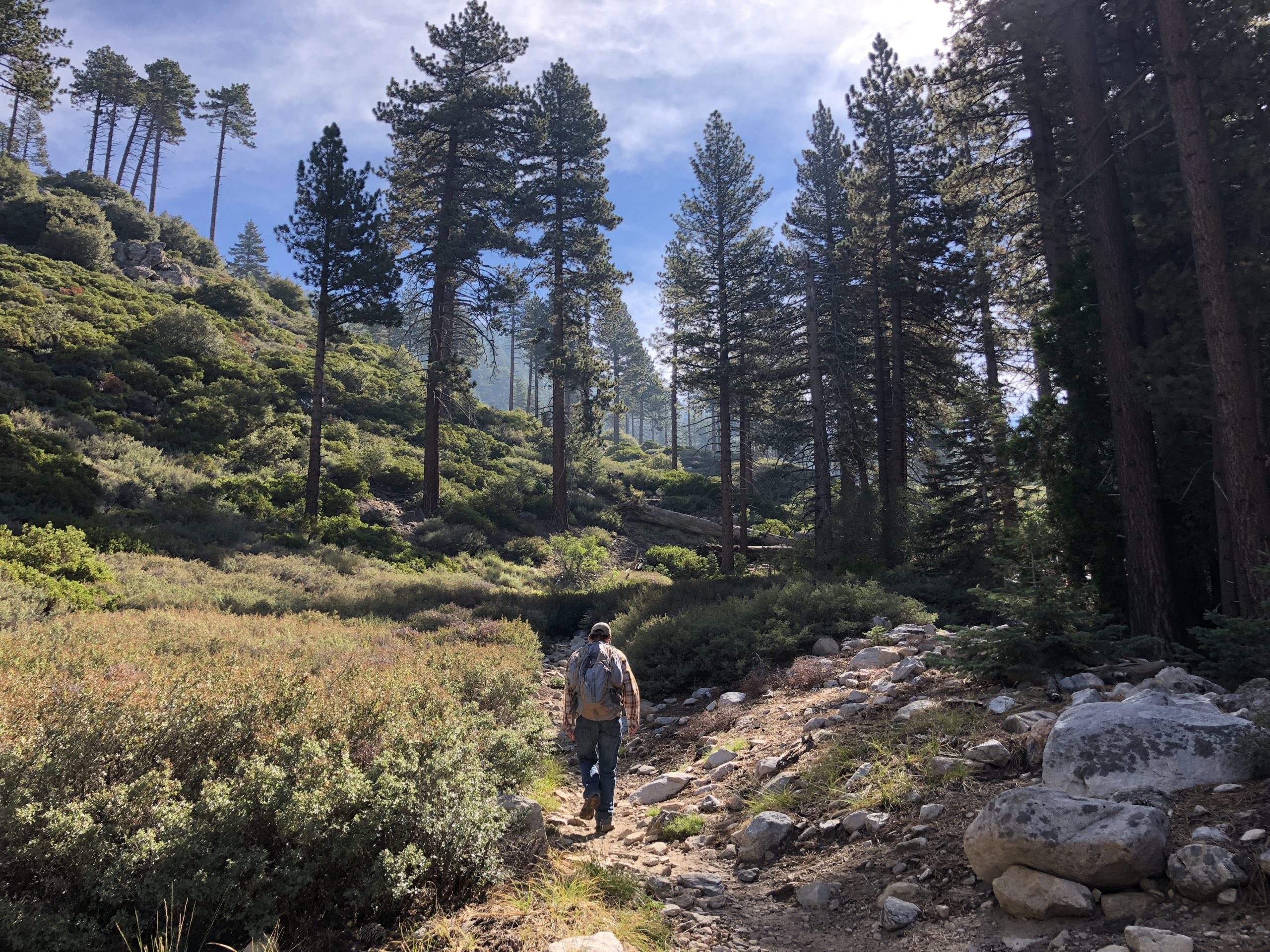
Working with regional experts, the project compiled and validated a list of 153 rare alpine taxa, incorporating information on species’ threats and habitat characteristics. Fieldwork focused on collecting seeds from Heuchera parishii and Silene krantzii, while surveys also documented populations of additional rare alpine species, including Eriogonum kennedyi var. alpigenum, Hulsea vestita subsp. pygmaea, Oreonana vestita, and Oxytropis oreophila var. oreophila.
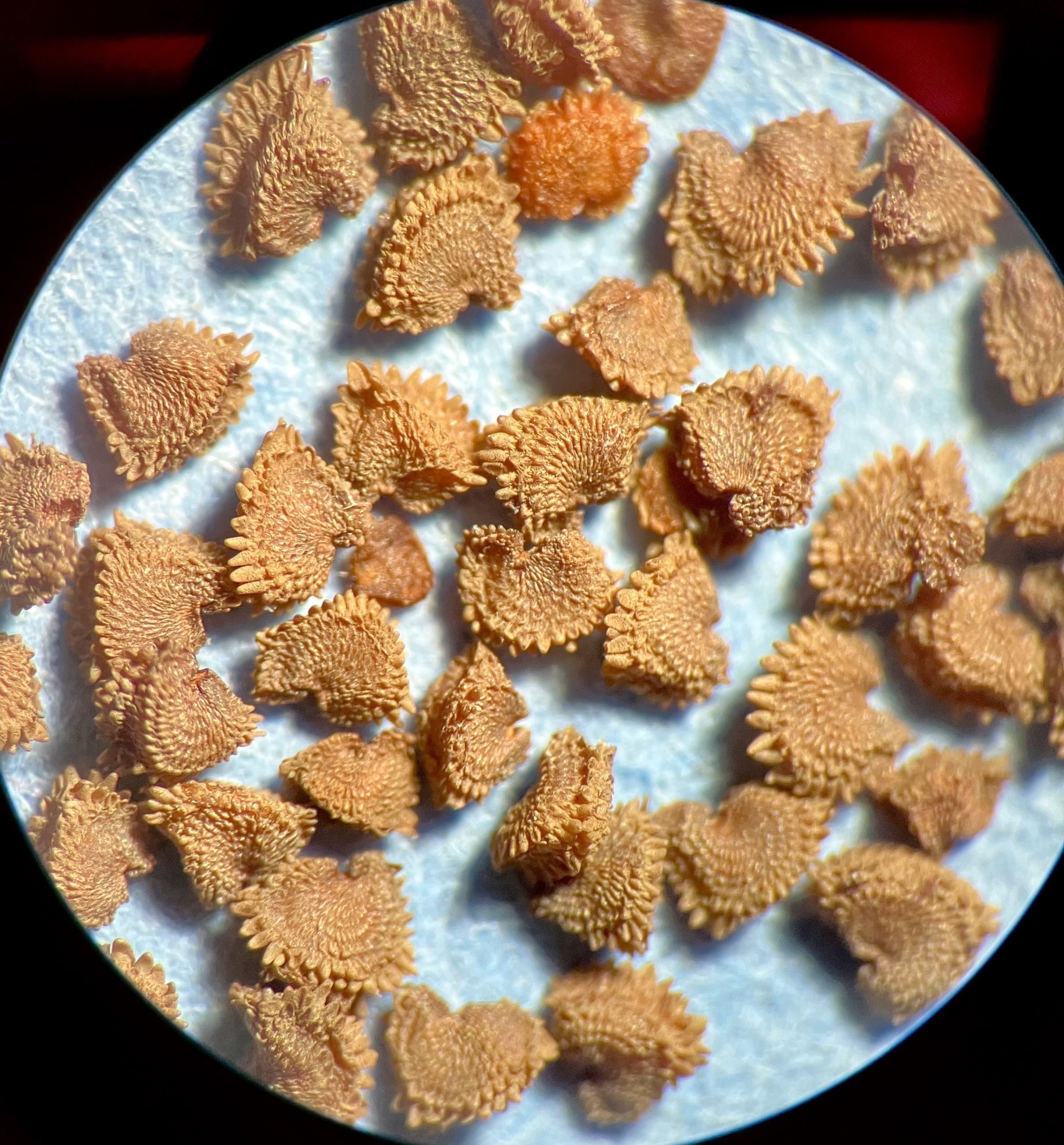
A gap analysis of existing seed collections, drawing on data from partners including California Plant Rescue (CaPR) and Betty Ford Alpine Gardens, identified priority species for future ex situ conservation. The project also secured more than 55,000 seeds from two rare alpine species and strengthened collaboration among the U.S. Forest Service, California Plant Rescue partners, and other conservation organisations.
The project’s findings are already guiding coordinated seed collection and ex situ conservation efforts across California and Nevada. In addition to providing a framework for future conservation planning, the work will form the basis of a peer-reviewed scientific publication to support the conservation of rare alpine flora.