Conserving Four Prunus Crop Wild Relatives, Texas
-
Status of project
Completed -
Region
North America -
Country
United States of America -
Programme
BGCI-US -
Workstream
Saving Plants -
Topic
Plant Conservation -
Type
Grant
Enhancing Ex Situ Collections of Prunus texana
Project Status: Completed 2025
Funded by: The United States Botanic Garden and BGCI-US via North American Fruit and Nut Tree Crop Wild Relative (NAFANT CWR)
Project Partner: Lady Bird Johnson Wildflower Center
Introduction
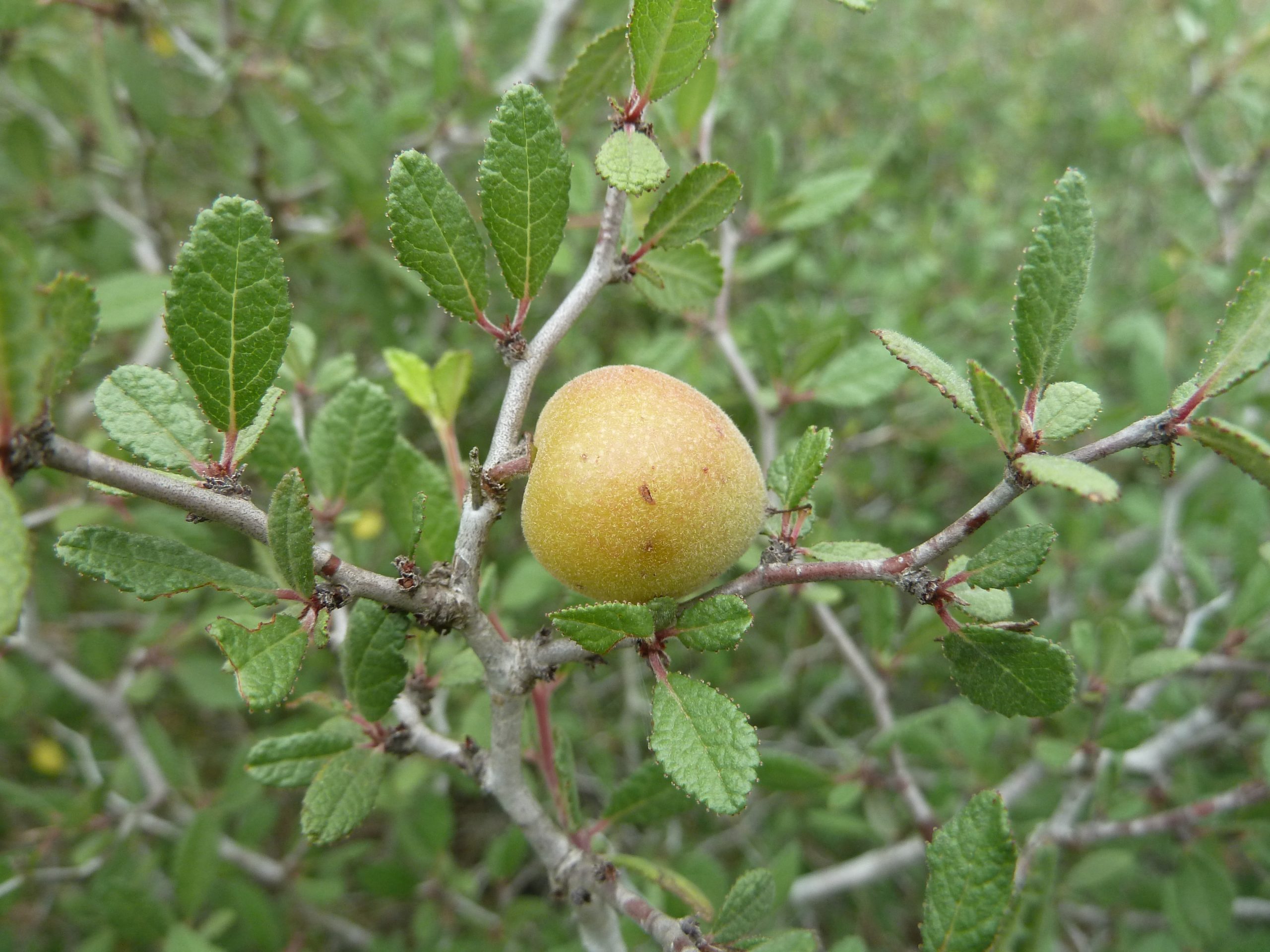
The Lady Bird Johnson Wildflower Center advanced the conservation of four Prunus crop wild relatives, with a focus on Prunus texana, a species of conservation concern limited to Texas. By conducting targeted field surveys and expanding living and seed collections, the project helped secure valuable genetic diversity for long-term conservation and future restoration efforts.
Project Goals
The project sought to increase the representation of Prunus texana in ex situ collections by targeting underrepresented wild populations in South Texas. It also aimed to strengthen conservation resources for three additional rare native Prunus species (P. gracilis, P. minutiflora, and P. serotina var. eximia) by collecting herbarium vouchers, field data and seed to support future research, propagation, and collaborative conservation.
Key Achievements
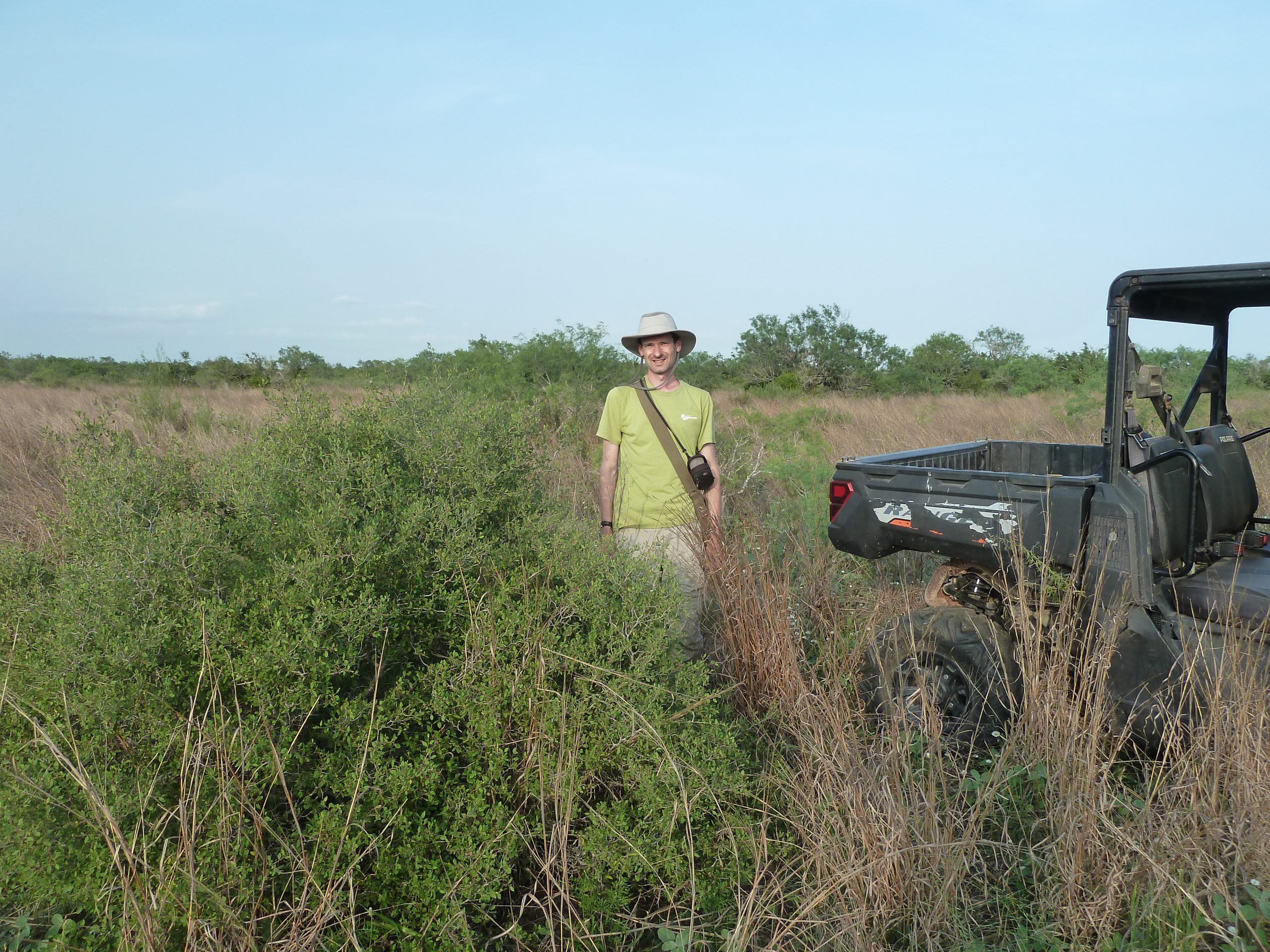
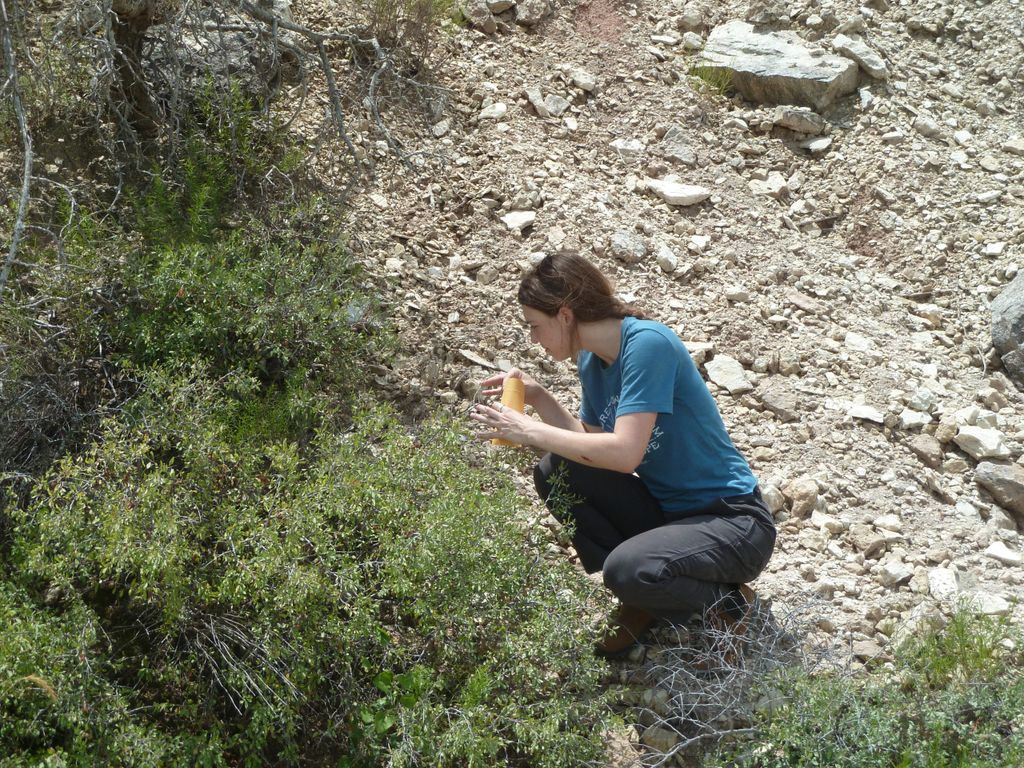
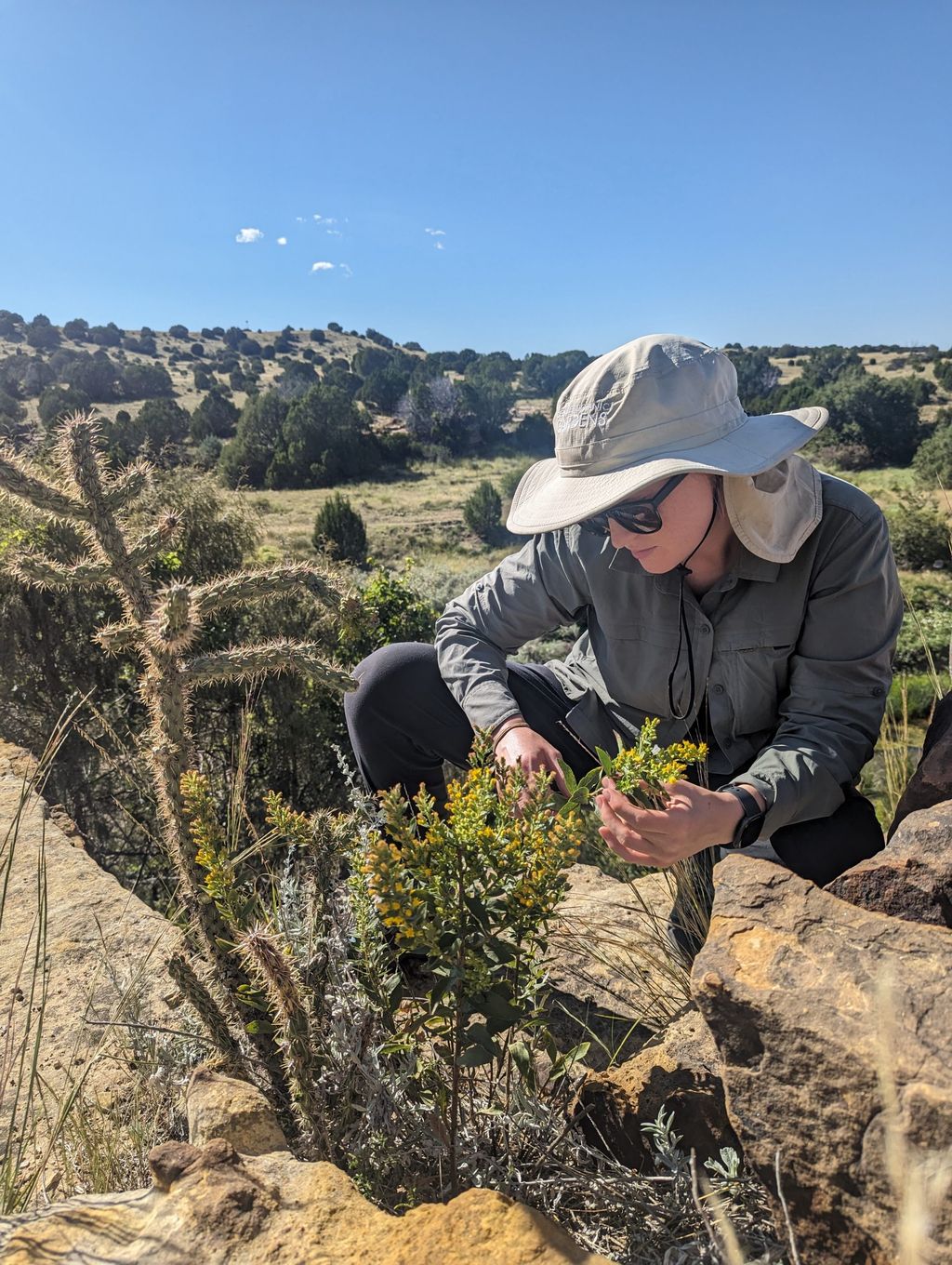
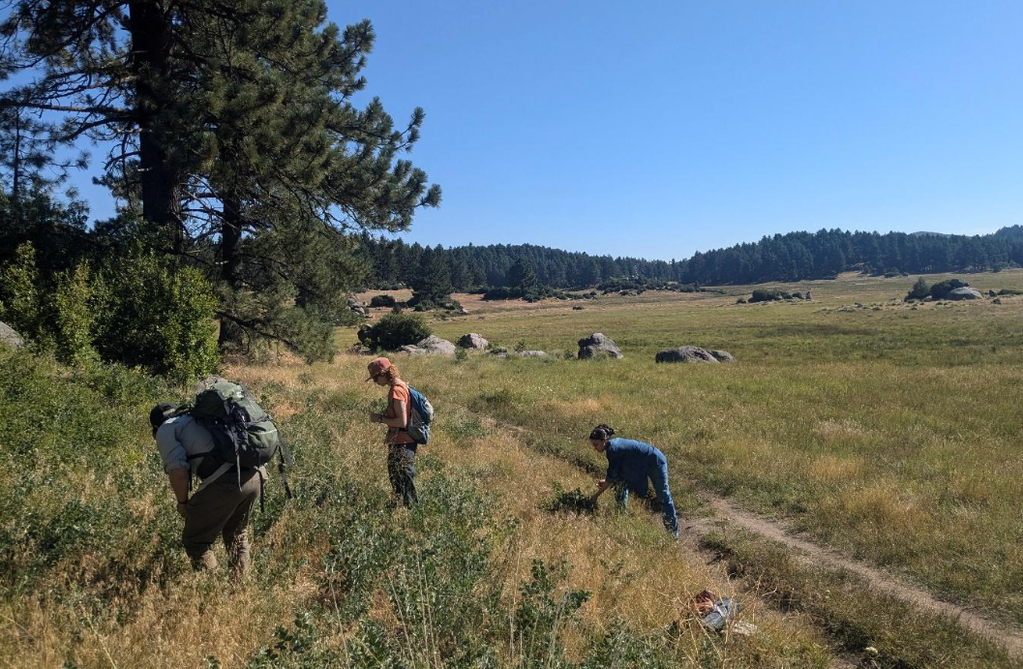
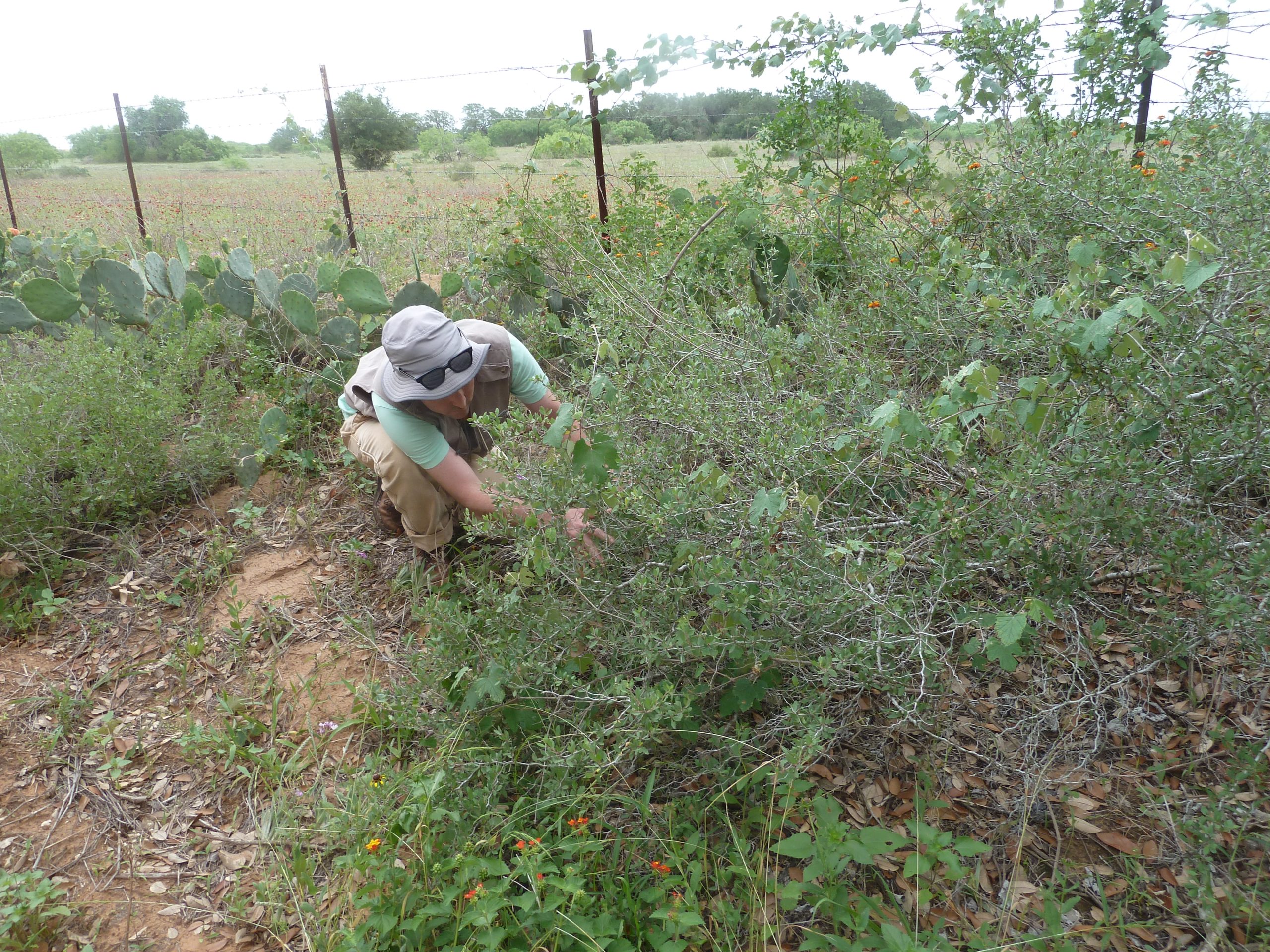
Fieldwork resulted in multiple new seed collections of Prunus texana, P. minutiflora, and P. serotina var. eximia, accompanied by herbarium voucher specimens and detailed collection records. Surveys of eight potential P. texana sites identified new source populations despite challenges posed by low fruit production, seed predation, and limited site accessibility. An initial germination trial of Prunus texana achieved an 85% success rate. The Lady Bird Johnson Wildflower Center now has plants from three source populations in cultivation.
The project enhanced the long-term conservation of rare Prunus species by establishing new material for seed banking and living collections. Plants propagated through this work, together with future distributions of seed and cuttings to partner institutions, will strengthen collaborative conservation efforts and improve the availability of these crop wild relatives for research, restoration, and safeguarding against future threats.