Strengthening Long-Term Conservation of Persea Species, USA
-
Status of project
Completed -
Region
North America -
Country
United States of America -
Programme
BGCI-US -
Workstream
Saving Plants -
Topic
Plant Conservation -
Type
Grant
Creating Genomic Resources for Native U.S. Persea Species
Project Status: Completed 2025
Funded by: The United States Botanic Garden and BGCI-US via North American Fruit and Nut Tree Crop Wild Relative (NAFANT CWR)
Project Partner: St. Mary’s College of Maryland
Introduction
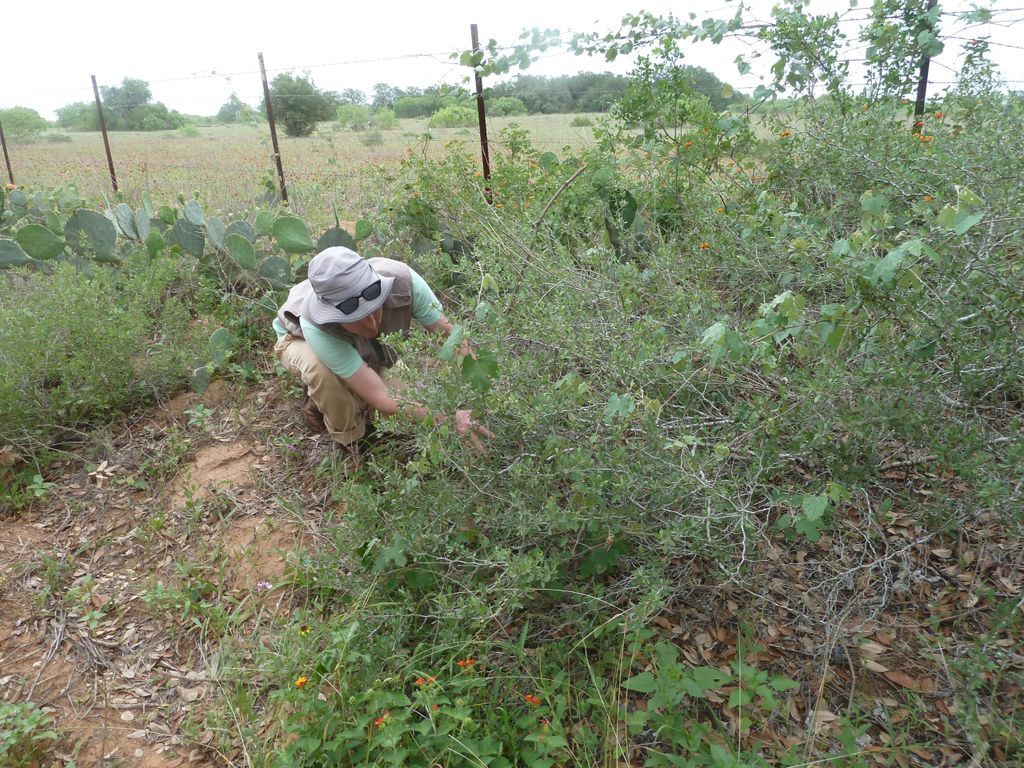
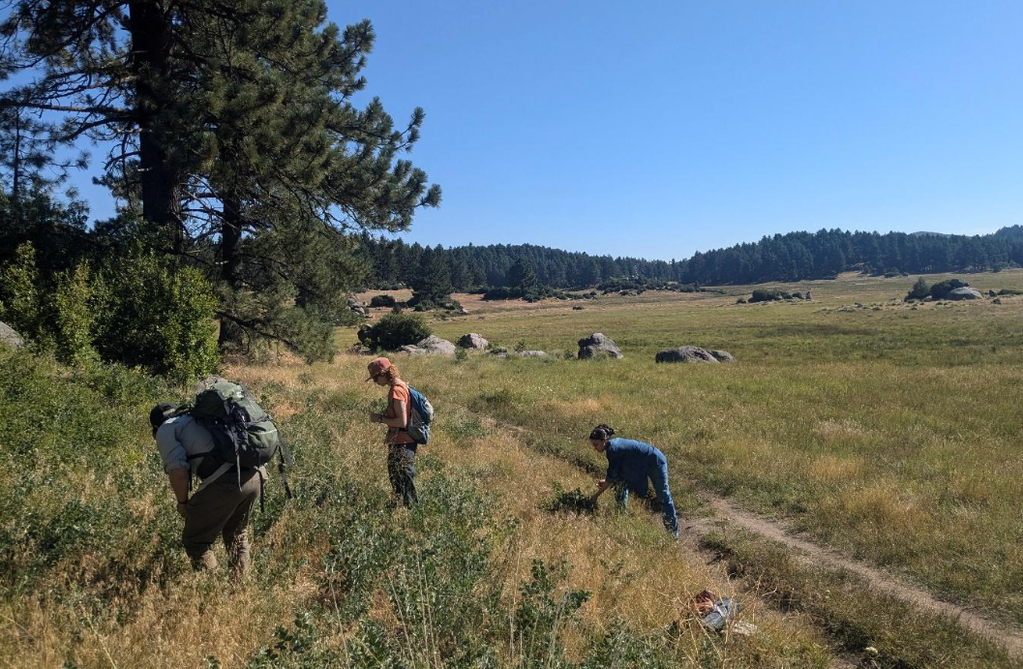
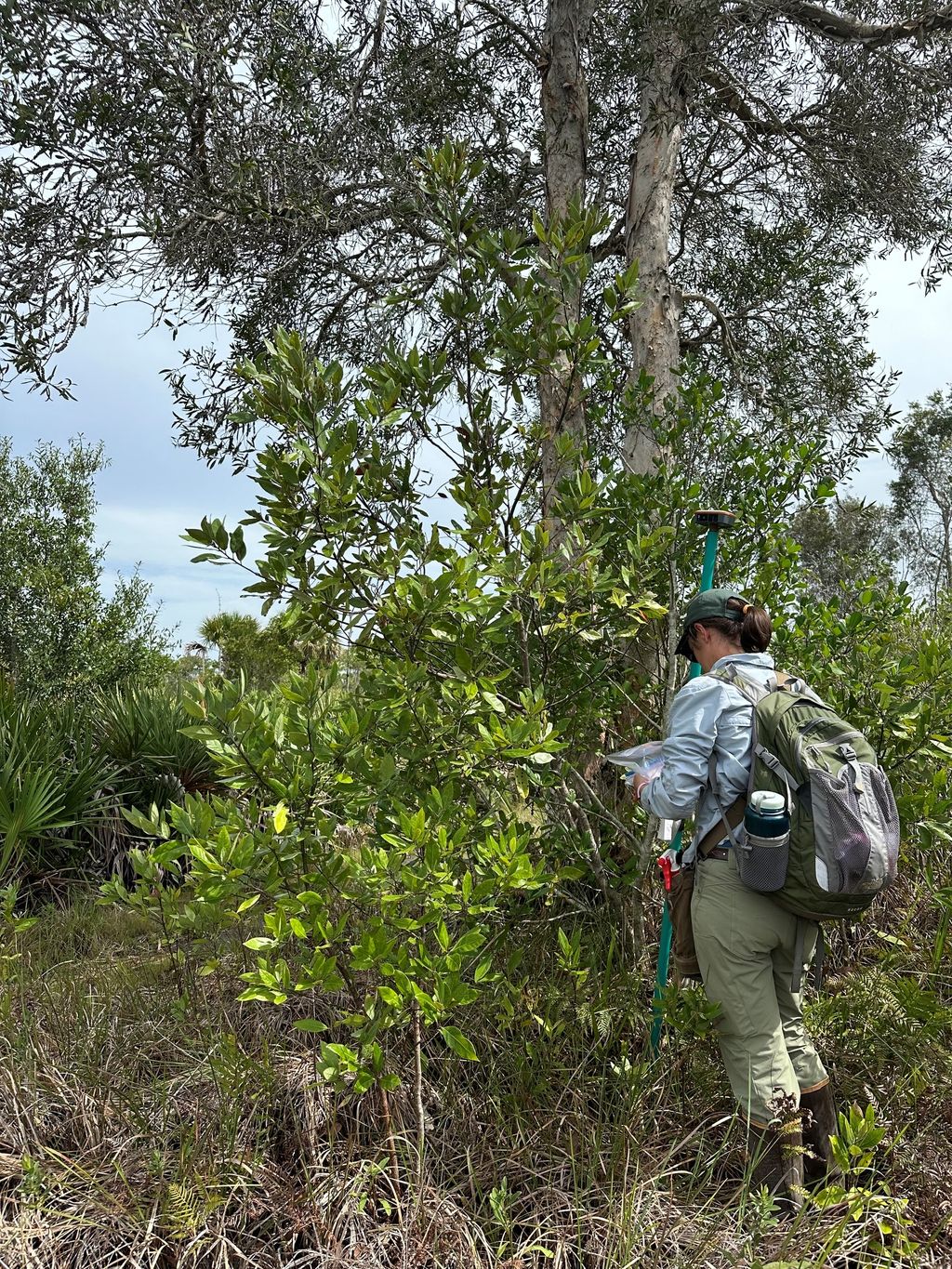
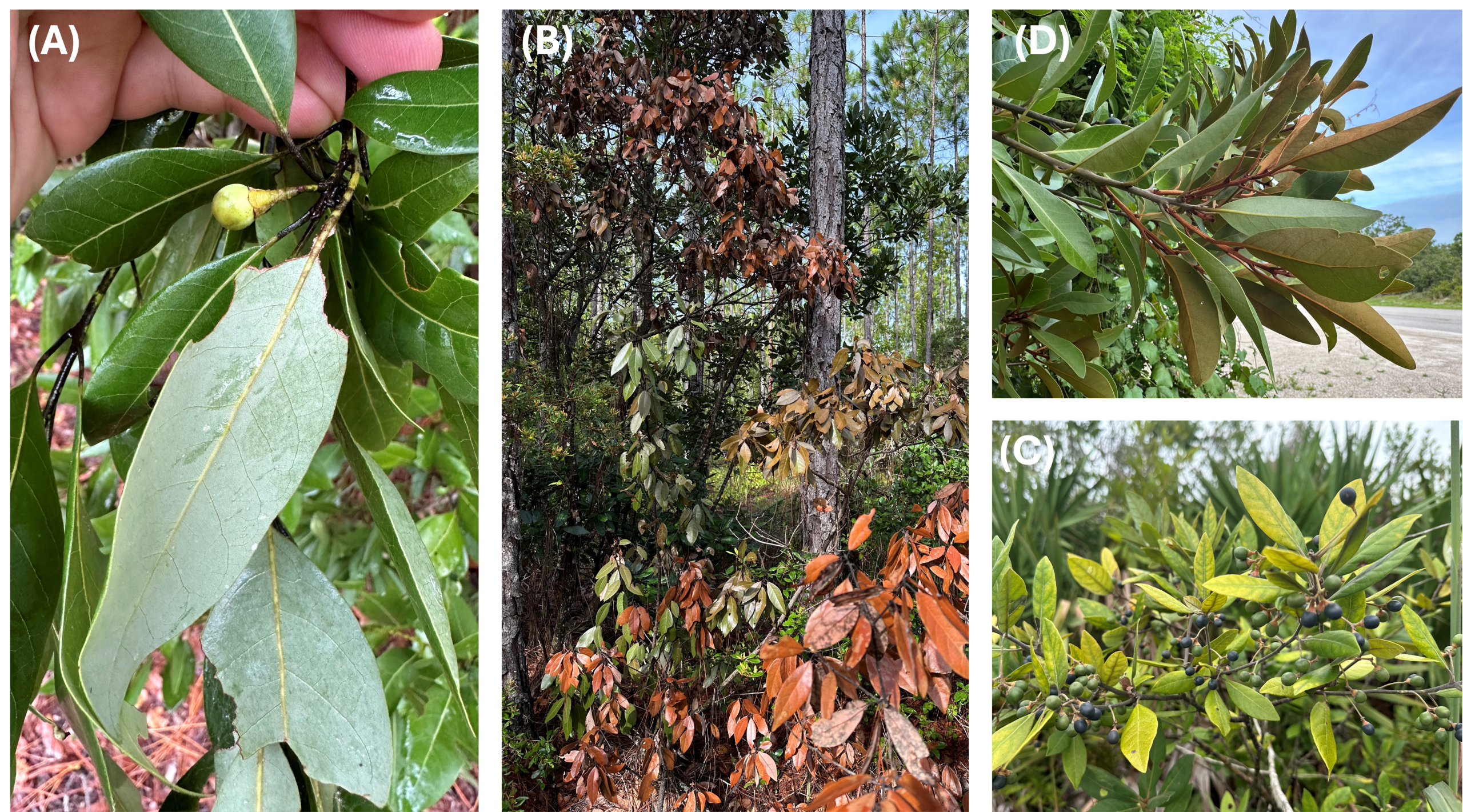
Native U.S. Persea species are wild relatives of Persea americana (avocado) and may harbour key genetic diversity resources for the protection and improvement of this crop. These species are threatened by habitat loss and laurel wilt disease, yet remain poorly represented in ex situ collections despite their potential importance for avocado breeding and disease resistance. The project combined extensive field sampling with genomic research to strengthen their long-term conservation.
Project Goals
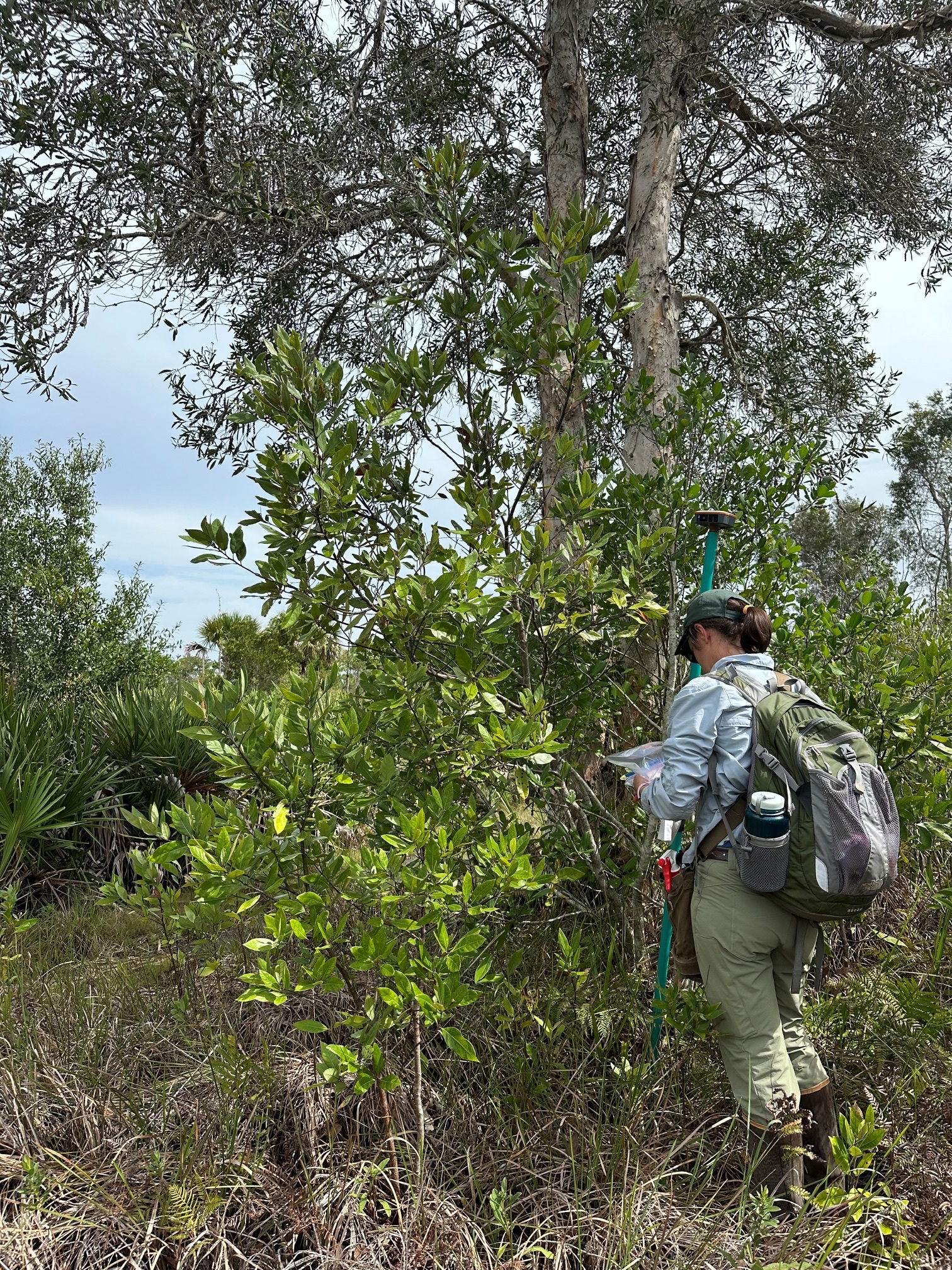
The project aimed to collect genetically representative samples of Persea palustris, P. borbonia, and P. humilis throughout their native ranges while supporting the development of a reference genome for P. palustris. It also sought to standardize DNA extraction protocols suitable for whole-genome sequencing, creating the foundation for future population genomic studies and conservation planning.
Key Achievements
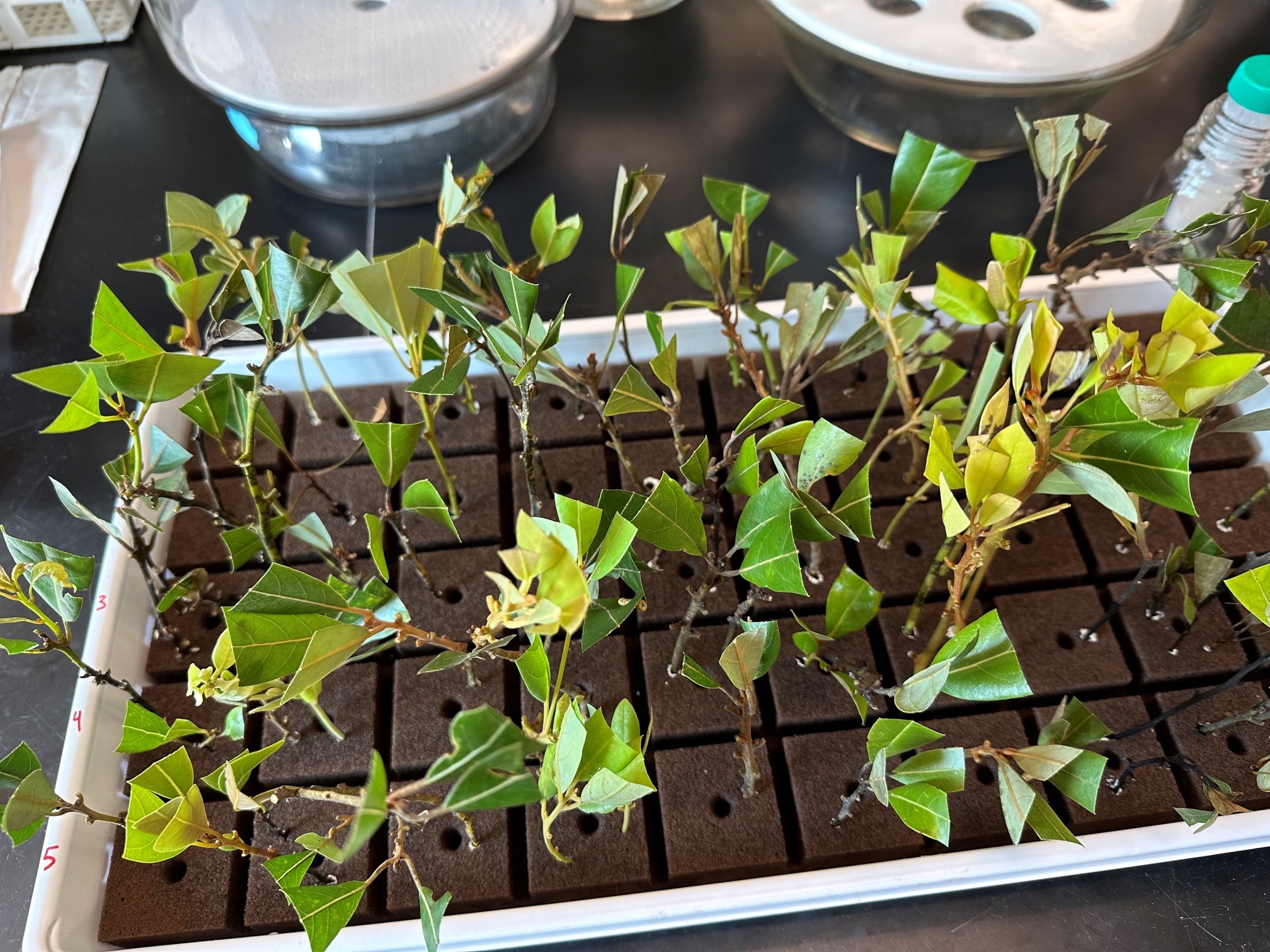
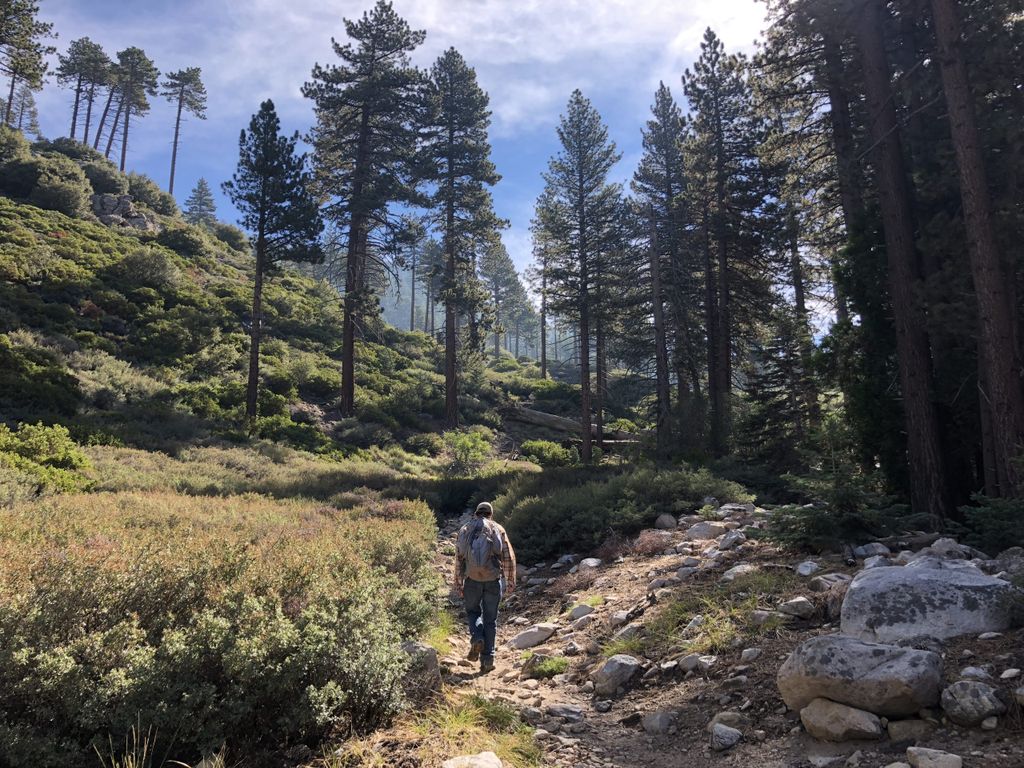
Researchers collected 459 samples from 53 sites across 10 states. The project also produced 164 herbarium vouchers, established rooted cuttings for ex situ collections, and collected seed for propagation. Optimized DNA extraction protocols were developed for Persea palustris, supporting ongoing efforts to generate reference genomes and population genomic datasets.
The project expanded conservation resources for native Persea species by increasing the availability of living collections, herbarium specimens, and genomic material. The standardized molecular protocols and newly collected samples provide an essential foundation for future genetic research, collaborative ex situ conservation, and the development of disease-resistant avocado breeding resources.