Education Grantees 2026: Climate Action Through Native Pollinator Gardens (Mexico)
-
Status of project
Ongoing -
Region
North America -
Country
Mexico -
Programme
International Day of Education -
Workstream
Addressing Global Challenges Through Public Engagement -
Topic
Public Engagement -
Type
Grant
Grant blog published 13 May 2026
International Day of Education Grants
To celebrate International Day of Education in Botanic Gardens, and the recently launched Declaration of Intent on Climate Action Education, BGCI and the Korea National Arboretum provided a number of grants to BGCI members undertaking education activities aligned with the climate declaration.
This blog provides an overview of one of the projects funded – Climate Action Through Native Pollinator Gardens by the Botanic Garden “Ing. Gustavo Aguirre Benavides” at the Universidad Autónoma Agraria Antonio Narro (UAAAN).
The project
Climate change is often discussed as a global challenge, but in northern Mexico it is already a visible local reality. In the Chihuahuan Desert region, increasing temperatures, prolonged drought and changing rainfall patterns are affecting ecosystems, agriculture and biodiversity. In this context, climate education must be practical, locally relevant and connected to everyday experiences with nature.
At the Botanic Garden “Ing. Gustavo Aguirre Benavides” at the Universidad Autónoma Agraria Antonio Narro (UAAAN), we are using our Experimentalis Pollinator Garden as a living classroom to help people understand these connections. Established with native pollinator-friendly plants adapted to arid conditions, this space supports biodiversity while also serving as a platform for environmental education, biodiversity monitoring and citizen science.
Our project, “Climate, Pollinators and People: Learning Climate Action through Native Pollinator Gardens,” aims to strengthen climate learning through direct interaction with plants, pollinators and ecological processes. Rather than presenting climate change only through theory, we want participants to observe how biodiversity responds to environmental conditions and how native plant conservation can contribute to resilience.
The Experimentalis Pollinator Garden already provides a strong foundation for this work. The space includes native flowering plants that offer resources for pollinators throughout the year, and biodiversity observations are continuously documented through our iNaturalist project, creating a long-term open-access biodiversity record that supports both education and conservation.
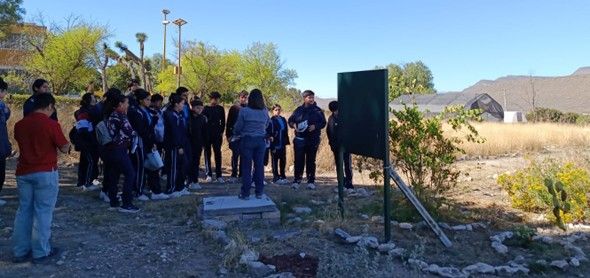
As part of our ongoing educational efforts, we have already welcomed a school group to the garden, where students explored the pollinator garden, observed the space and participated in an educational talk about the importance of pollinators, pollen and pollinator-friendly habitats. This experience reinforced the value of using living plant collections to create meaningful learning opportunities around biodiversity and climate awareness.
With support from the KNA/BGCI International Day of Education Grant, we plan to expand these activities through focused climate education experiences between April and November 2026. The project will emphasize hands-on learning, biodiversity observation and reflection on local environmental challenges.
Planned activities include small interactive workshops for students and educational visits to the pollinator garden, where participants will learn about native plants, pollinator ecology and climate resilience. Biodiversity monitoring sessions using iNaturalist will allow participants to document species associated with the garden and understand how local biodiversity can be observed and recorded as part of citizen science.
Educational materials such as interpretive signage, visual guides and take-home resources will support these learning experiences and provide tools that remain useful beyond the grant period.
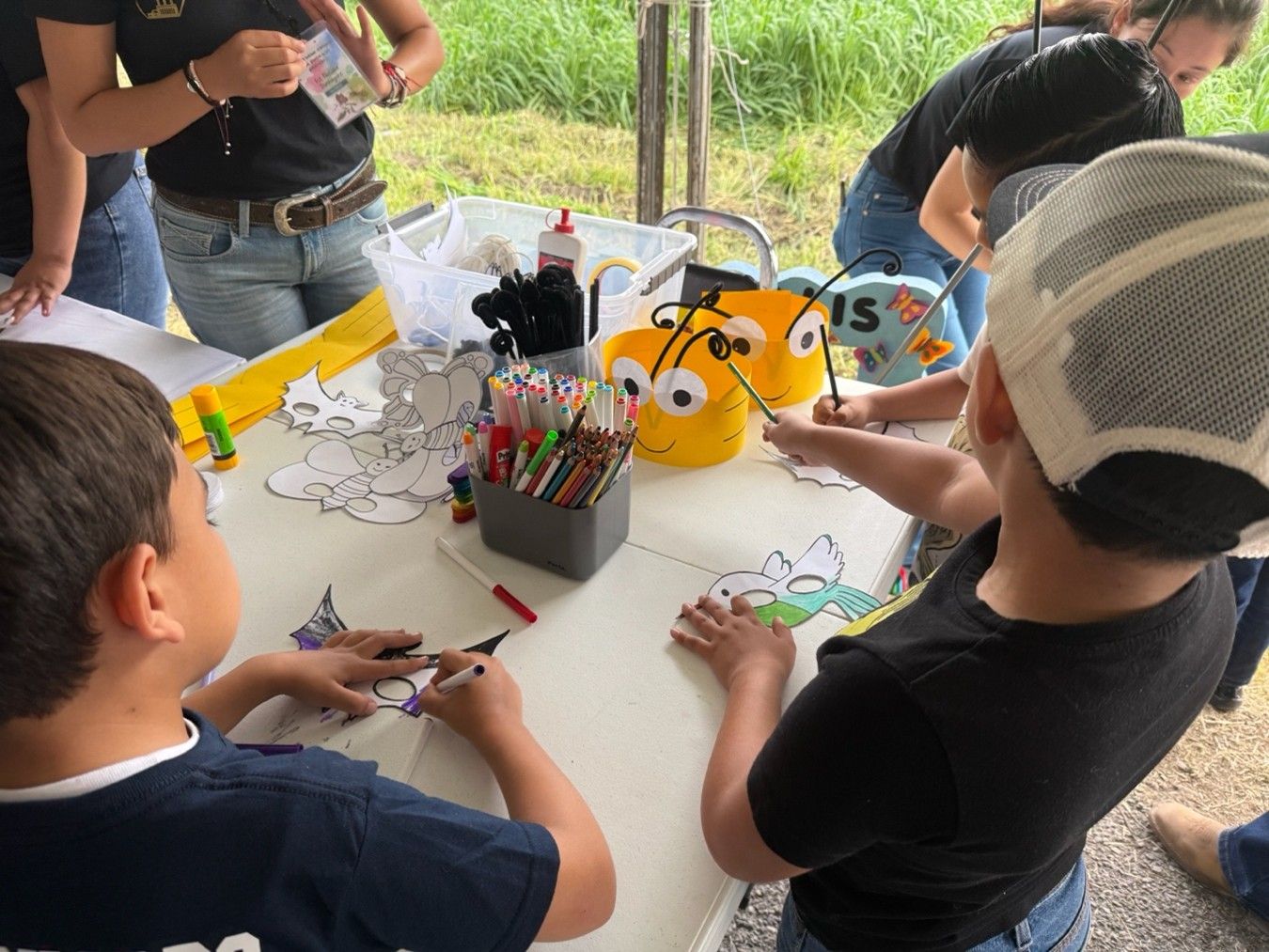
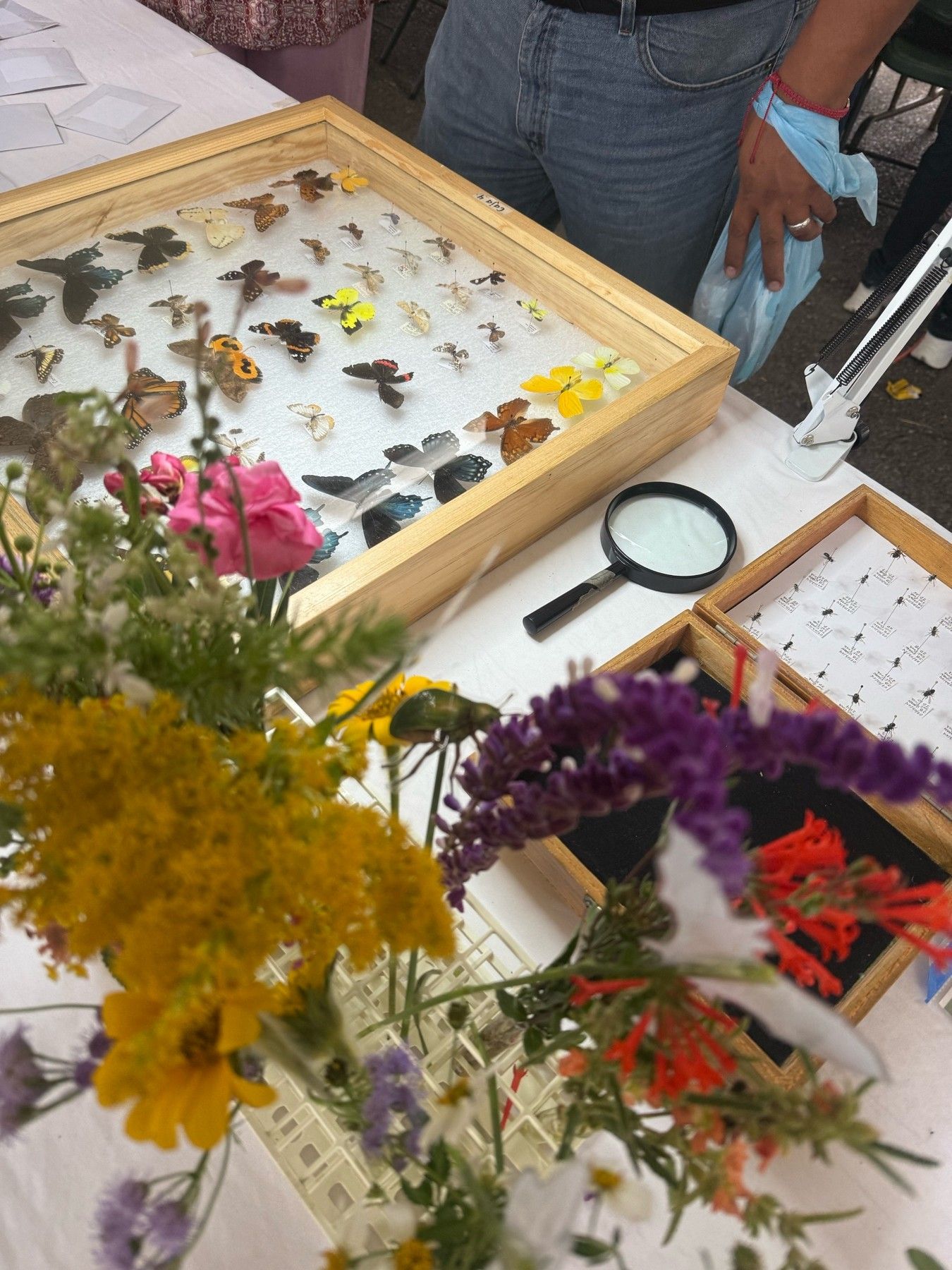
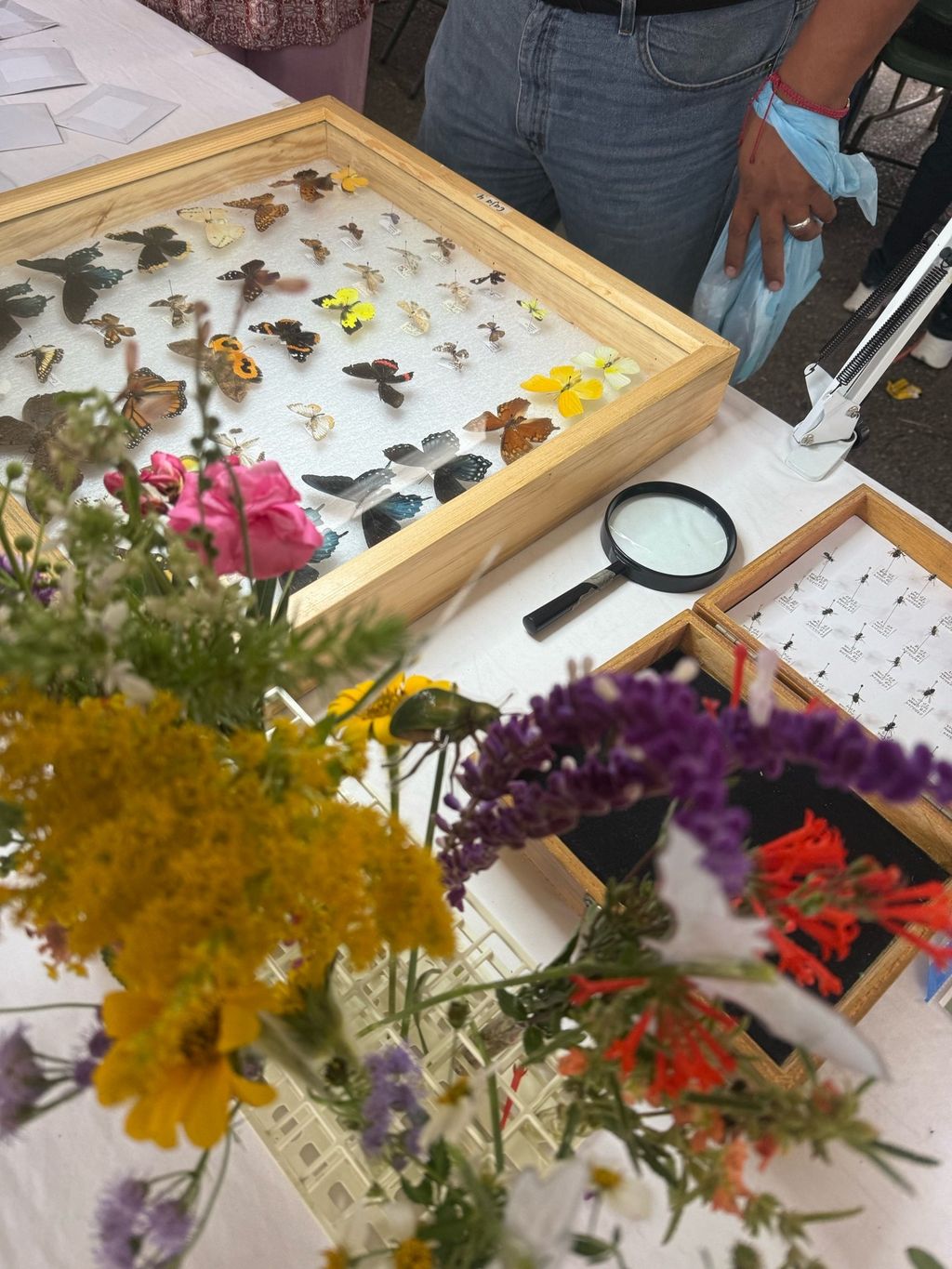
To mark the International Day of Botanic Garden Education on 12 June 2026, organised an educational visit to the gardens. We welcomed around 70 students from 4th and 5th grade from a local primary school. The children participated in a short introductory talk about the importance of pollinators and pollinator-friendly gardens, visited the Experimentalis Pollinator Garden, observed pollen samples and entomological specimens, and took part in hands-on activities. At the end of the visit, each student received native plant seeds or a seedling to encourage them to create pollinator-friendly spaces at home or at school. This approach allows us to connect young learners with plants and climate action in an accessible and meaningful way, while aligning with the broader international celebration of botanic garden education.
This project is particularly relevant because it takes place in an arid region where climate adaptation is not theoretical—it is part of daily life. Native plants in our garden demonstrate resilience to drought and heat, making them powerful teaching tools for understanding ecological adaptation and sustainability.
The project also contributes to building local capacity in biodiversity conservation and environmental education. By involving students, educators and community members in hands-on experiences, we aim to foster deeper connections with nature and encourage practical climate-positive actions.
Importantly, this initiative builds upon an existing and active program rather than creating a short-term intervention. The pollinator garden is already functioning as a biodiversity education space, and this grant would help strengthen its climate education component while expanding outreach.
Botanic gardens have a unique role in helping people understand environmental change through direct experiences with living collections. Through this project, we hope to demonstrate how even relatively small pollinator gardens can become meaningful spaces for climate learning, biodiversity awareness and community engagement.
Ultimately, our goal is simple: to help people see climate action not as something distant or overwhelming, but as something rooted in everyday relationships with plants, pollinators and the places we inhabit.