Education Grantees 2026: Youth Climate Action (Bali)
-
Status of project
Ongoing -
Region
Southeast Asia -
Country
Bali -
Programme
International Day of Education -
Workstream
Addressing Global Challenges Through Public Engagement -
Topic
Public Engagement -
Type
Grant
Grant blog published 06 May 2026
International Day of Education Grants
To celebrate International Day of Botanic Garden Education, and the recently launched Declaration of Intent on Climate Action Education, BGCI and the Korea National Arboretum provided a number of grants to BGCI members undertaking education activities aligned with the climate declaration.
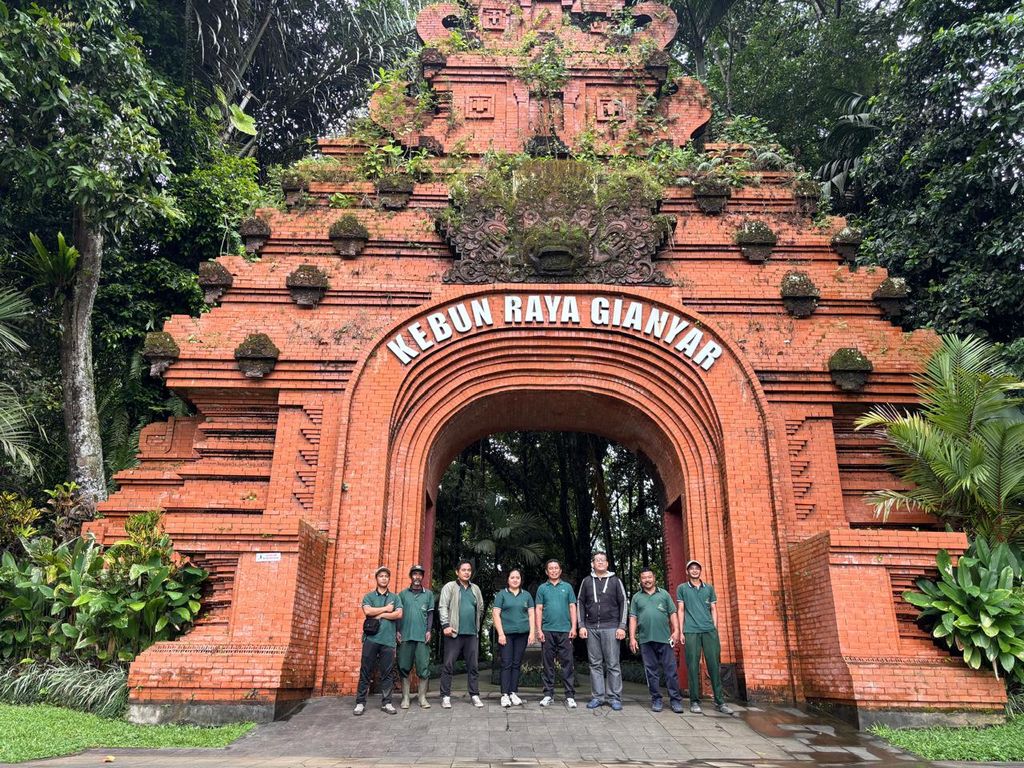
This blog provides an overview of one of the projects funded – Empowering Youth Climate Action through the Conservation of Pinanga arinasae at Gianyar Botanic Garden, Bali
The project
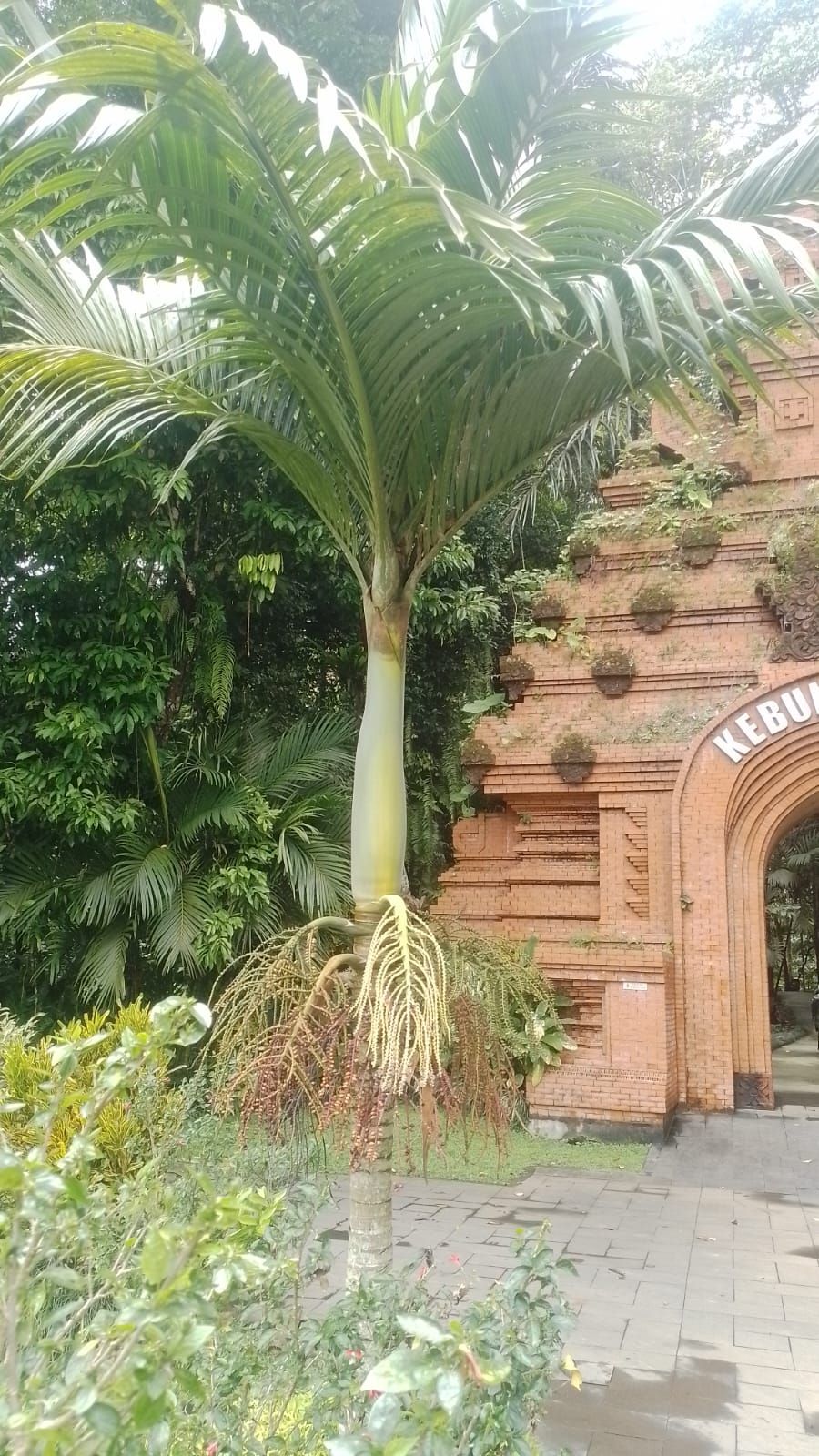
At a time when climate change is increasingly impacting island ecosystems such as Bali, the need for locally grounded and meaningful climate education has never been more urgent. Within this context, Pinanga arinasae, a Balinese endemic palm classified as Endangered on the IUCN Red List, serves as both a symbol of biodiversity at risk and a powerful entry point for climate learning.
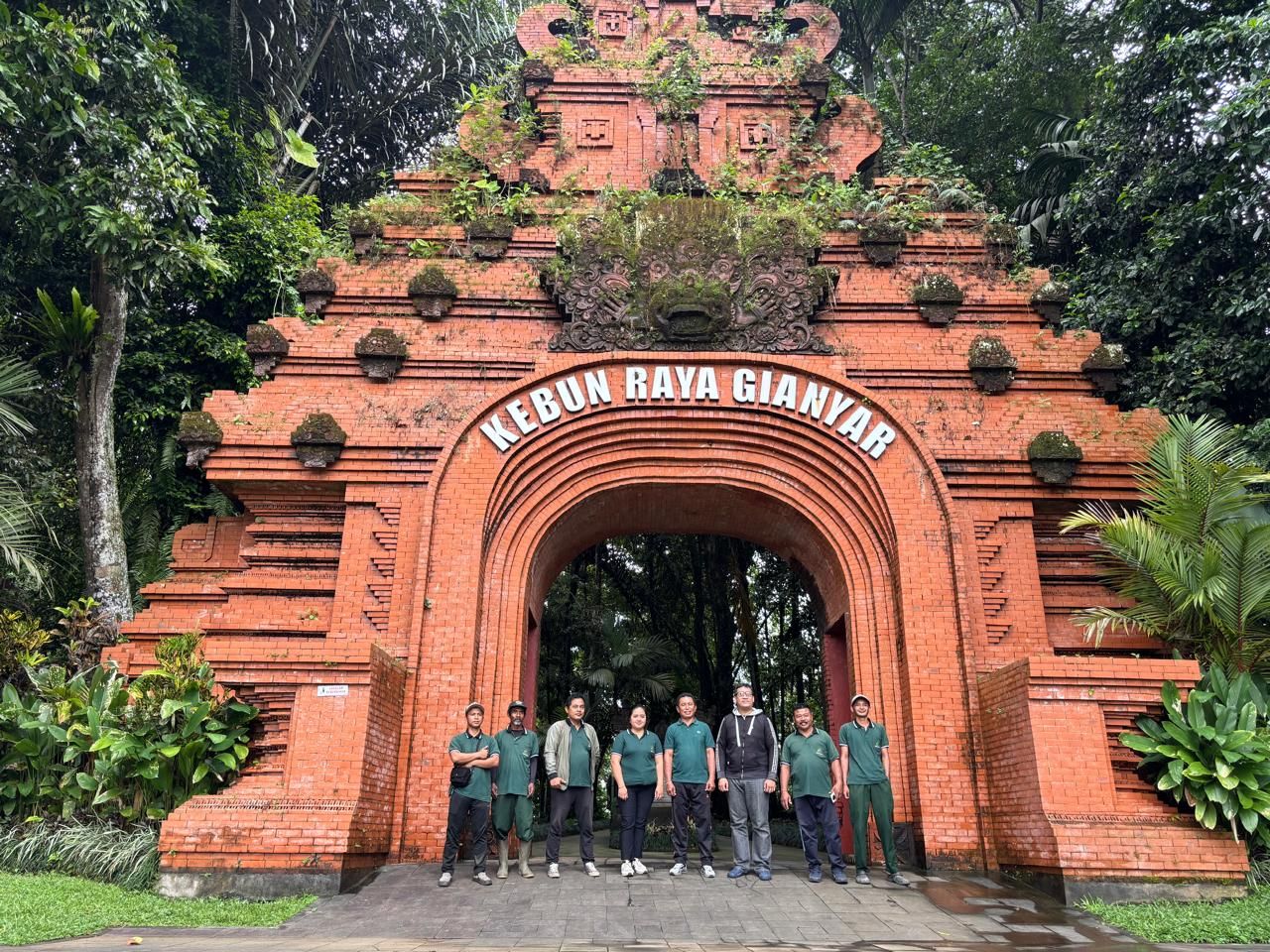
At Gianyar Botanic Garden, Pinanga arinasae represents more than a conserved species; it embodies the connection between local identity, ecological resilience, and the future of Bali’s natural heritage. This project builds on that foundation by transforming plant conservation into a practical and engaging climate education experience, particularly for younger generations.
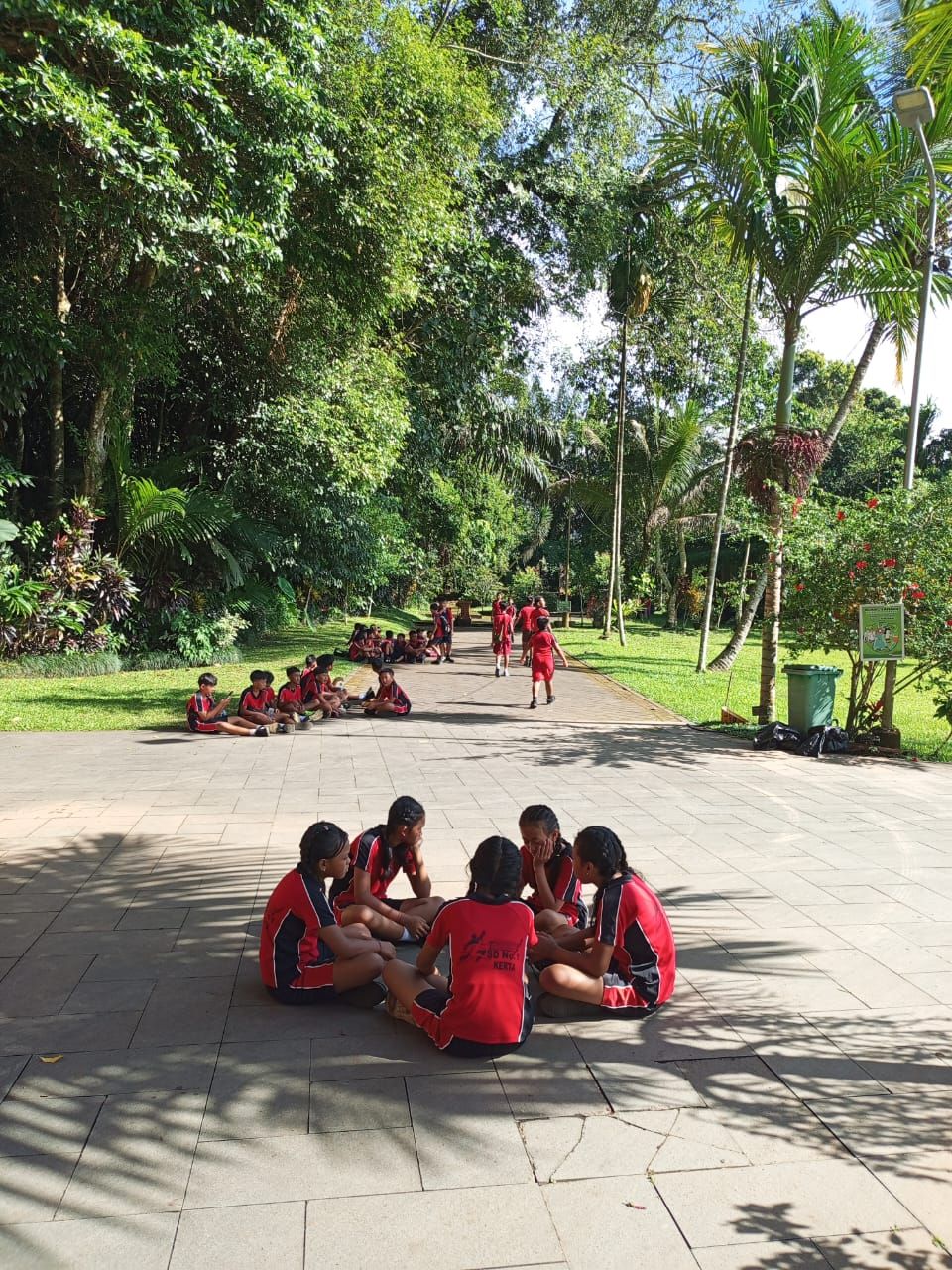
While the broader initiative integrates youth empowerment and long-term climate engagement, the activities planned for the International Day of Education in Botanic Gardens on 12 June 2026 are specifically designed to deliver hands-on, place-based climate education for primary school students. Engaging children at an early age is critical to shaping long-term environmental awareness and behaviour. Therefore, the core of the programme focuses on introducing elementary school students to key climate concepts, such as climate change, carbon cycles, and ecosystem resilience, through simple, interactive, and locally relevant learning approaches.
Using Pinanga arinasae as a living example, students will explore how plants contribute to carbon storage, regulate microclimates, and support ecosystem stability. By grounding scientific concepts in a species that exists within their own environment, climate change becomes more tangible, understandable, and personally relevant. This learning experience will be complemented by interactive public talks held at the botanic garden, linking the conservation of Pinanga arinasae to broader environmental processes, including carbon cycles and ecosystem resilience.
A central highlight of the programme will be a collective planting activity, where elementary school students will actively participate in planting Pinanga arinasae. This activity goes beyond symbolic action, it is designed as a transformative learning moment where children directly connect climate knowledge with real-world conservation practice. Through this hands-on experience, students are encouraged to see themselves as active contributors to climate solutions. The act of planting fosters not only ecological understanding but also a sense of responsibility, ownership, and emotional connection to biodiversity.
Significant progress has already been made in preparation for this programme. The project team has conducted site visits to partner schools and the botanic garden, carried out initial assessments, and engaged in close coordination with teachers and garden staff. These collaborative efforts have resulted in a shared agreement on the structure and delivery of the 12 June activities. With this strong foundation in place, the project is now entering its final preparation phase. Current efforts are focused on refining the event agenda, developing age-appropriate educational materials, organising logistics for the planting activity, and ensuring that all components of the programme are delivered effectively. Ultimately, this initiative highlights the evolving role of botanic gardens as dynamic spaces for climate education. By connecting children directly with endemic species such as Pinanga arinasae, the project transforms abstract climate concepts into tangible, lived experiences, helping to nurture a generation that is more aware, more connected to nature, and more empowered to take climate action.