New Action Plan Launched to Safeguard Chile's Threatened Endemic Trees
-
Country
Chile -
Region
South America -
Topic
Tree Conservation -
Type
News -
Source
BGCI
Threatened tree diversity in Chile
Chile has an exceptionally high level of tree endemism, with over 50% of native tree species being endemic. The country also hosts most of South America’s temperate forest, making it one of the 35 global biodiversity hotspots.
Temperate forests hold great ecological and conservation value, as they store carbon, control flooding, improve water quality, and hold a great diversity of species. Chile’s endemic tree species are irreplaceable and recognised worldwide not just for their uniqueness, but also for their cultural, scientific, aesthetic, ecological and economic value.
However, these endemic tree species face significant threats that put their long-term survival at risk. Agricultural, forestry, livestock, and urban expansion, along with invasive species and the devastating effects of wildfires, have contributed to their decline and vulnerability over recent decades.
The need for plant conservation
Through the Global Tree Assessment initiative, Botanic Gardens Conservation International (BGCI), together with experts from around the world, has carried out thorough research to assess the extinction risk of over 58,000 tree species globally.
Today, 64% of the threatened trees in Chile are endemic, highlighting an urgent need to conserve them. As a biodiversity hotspot, Chile plays a crucial role in coordinating conservation efforts and mitigating threats.
One of these species is Dendroseris neriifolia, a Critically Endangered tree species that only grows in the remote Juan Fernández Archipelago situated in the Pacific Ocean. Only a single specimen survives in its natural habitat, located in a remote ravine. Like many species, this highlights the perilous situation facing over 40 Chilean endemic tree species, which are now on the verge of extinction.
Conservation planning
Conservation planning is a tool used to identify priority actions for threatened species, with proven success delivering positive results for the target species. The method helps to uncover the root causes of decline, allowing strategies to be developed to address the underlying issues.
Conservation planning for multiple species can increase efforts by ensuring a coordinated approach that maximises impact and avoids duplication of resources. These plans guide conservation efforts, serving as a source of knowledge and a framework for tracking progress.
Conservation planning for Chile’s Threatened Trees
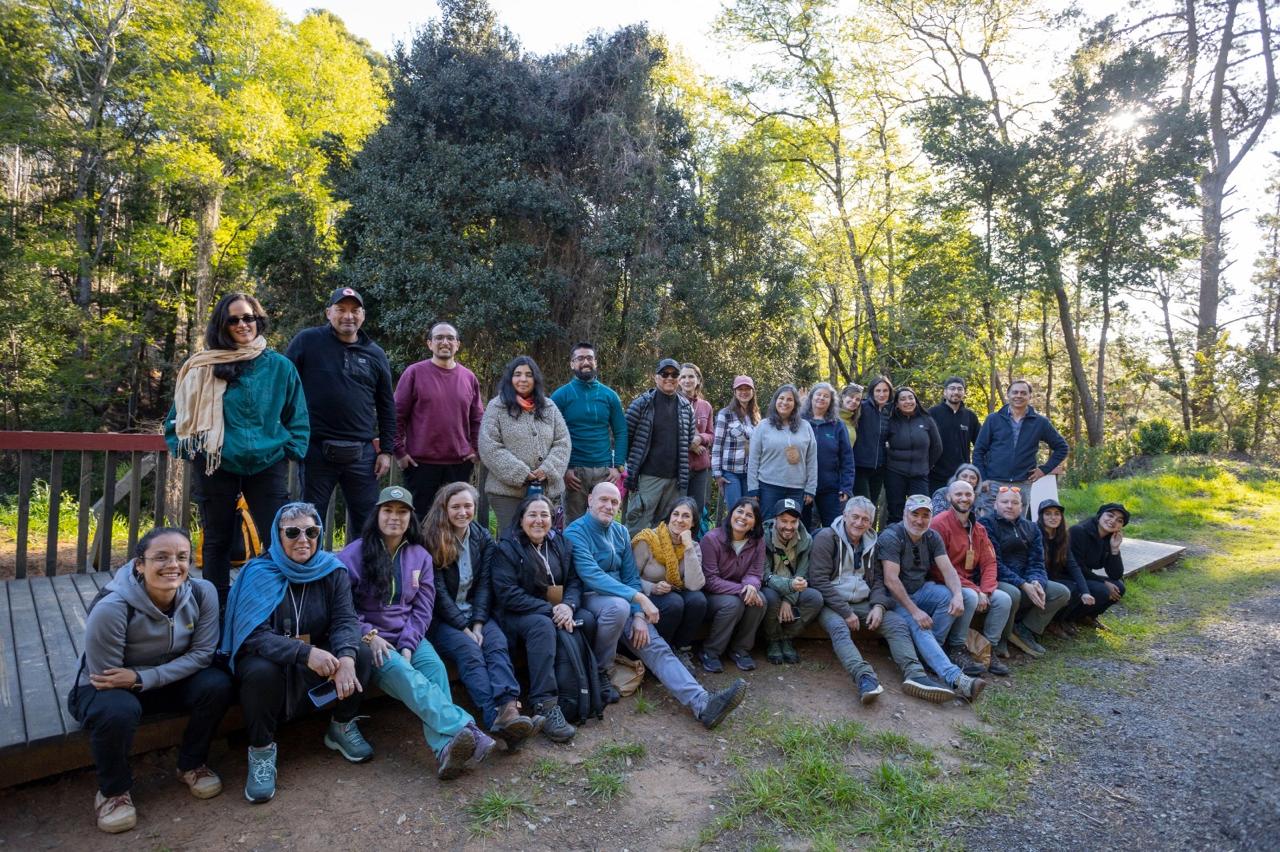
To enhance conservation for threatened trees in Chile, a workshop focusing on Planning for the Integrated Conservation of Threatened Endemic Trees of Chile took place in September 2024 at the Faculty of Forestry Sciences of the University of Concepción, Chile. The workshop followed the IUCN SSC Conservation Planning Specialist Group (CPSG) One Plan Approach, a collaborative method for developing species conservation plans with input from diverse stakeholders.
It was organised by BGCI, facilitated by CPSG Brazil and hosted by the University of Concepción, with support from the Chilean Ministry of Environment and generous funding from Fondation Franklinia.
It brought together 28 people representing 21 key institutions for tree conservation, including government bodies, NGOs, national parks, educators, academics, researchers and botanic gardens.
This workshop aimed to develop an integrated action plan (both in situ and ex situ) for 40 species of threatened endemic trees from the Juan Fernández Archipelago (AJF) and the biodiversity hotspot of mainland Chile, from the Coquimbo region to the Maule region (Central) and from Ñuble to Araucanía (South).
By the end of the week, the group had created a clear vision and set goals for the future of Chile’s threatened tree species:
Vision:
“Endemic tree species of Chile and their habitats are effectively and jointly conserved, appreciated by a society committed to natural heritage, under an effective regulatory framework, with participative and sustainable governance and land-use planning.”
Goal:
“Over a 10-year period, Chile’s endemic tree species on the mainland and islands will see a decrease in their risk of extinction and the threats they face, while their habitats remain conserved.”
Further outcomes
At the workshop, 13 main threats were identified, which were rated based on their scope, severity and the recovery time (irreversibility) of their impacts in each of the areas covered in the Plan (Central, South and AJF zones).
Of these threats, five were considered very high impact:
- Forest fires in all three zones
- The expansion of populated areas in the Central and South zones
- The plantations and invasion of non-native forest species in the South
- Invasive species of fauna
- Invasive flora species in the AJF
Based on the threats, 9 objectives and 74 integrated actions (in situ and ex situ) were established.
Action moving forward
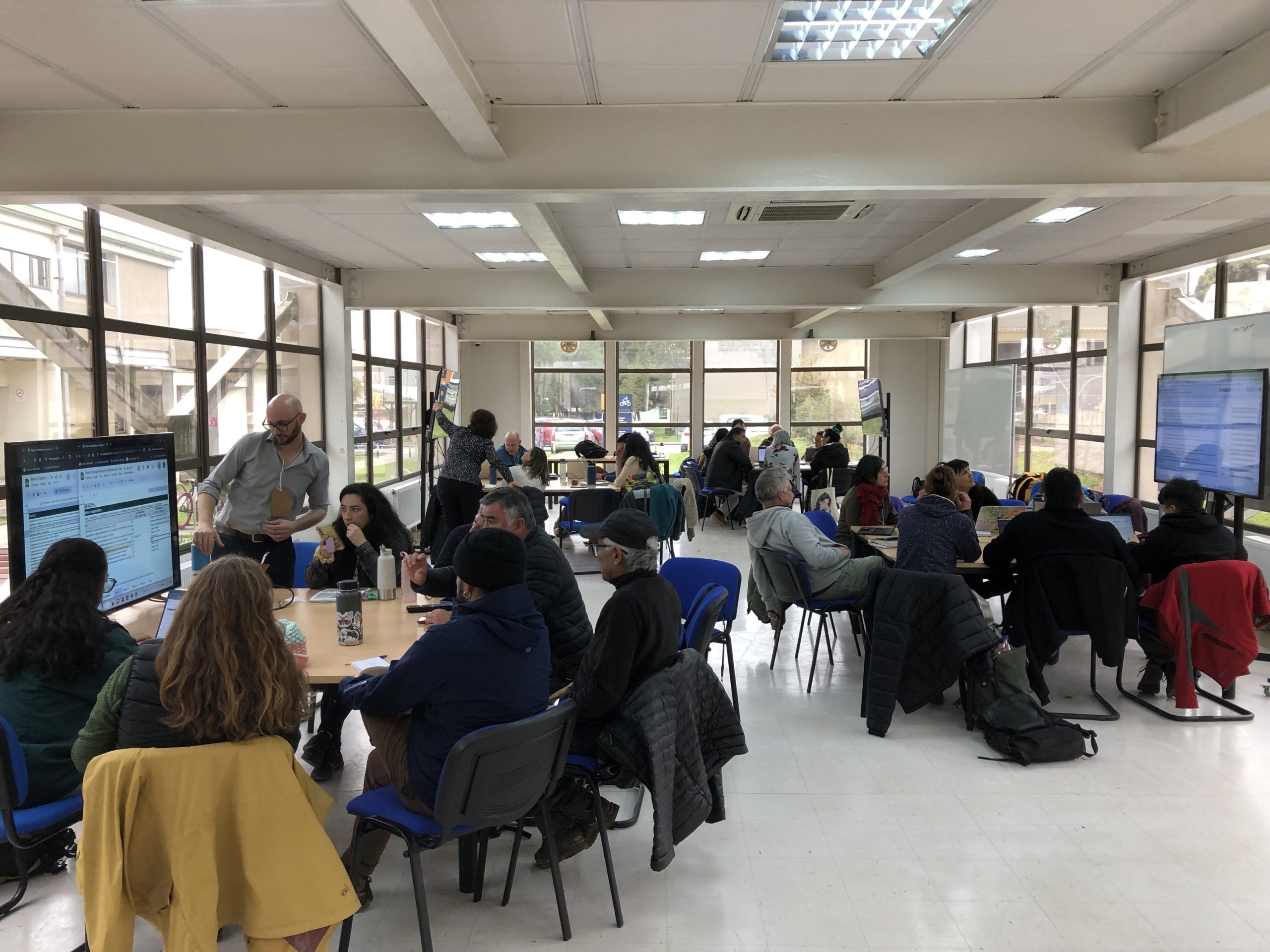
After a week of intense discussion and collaboration, participants committed to a joint action plan that harnesses their collective strengths and resources to protect Chile’s threatened tree species.
The workshop was a great success, as well as innovative in its approach, as it facilitated interaction and teamwork between people from the Juan Fernández Islands and mainland Chile.
The final product, Action Plan for the Integrated Conservation of Chile’s Endangered Native Trees, was published in September 2026, and is available to download at the end of this article.
Publishing the plan will continue the momentum from the workshop and act as a roadmap for the next 10 years, for sectors, including communities and decision makers, to join in coordinated actions to ensure the survival of these species. The plan will guide a series of innovative projects and collaborations, ultimately leading to positive conservation outcomes for the country’s invaluable trees.
Project page: Conserving Chile’s endemic trees | Botanic Gardens Conservation International
Become a Member
Be part of the largest network of botanic gardens and plant conservation experts in the world by joining BGCI today!
Support BGCI
You can support our plant conservation efforts by sponsoring membership for small botanic gardens, contributing to the Global Botanic Garden Fund, and more!