Preserving Wisconsin's Orchids, USA
-
Status of project
Completed -
Region
North America -
Country
United States of America -
Programme
BGCI-US -
Workstream
Saving Plants -
Topic
Plant Conservation -
Type
Grant
Preservation of Seed and Mycorrhizae of Wisconsin’s Orchids, USA
Project Status: Completed 2025
Funded by: US Forest Service Rare Plant Partnership issued by the US Forest Service and BGCI-US via the Global Botanic Garden Fund
Project Partner: Chicago Botanic Garden
Introduction
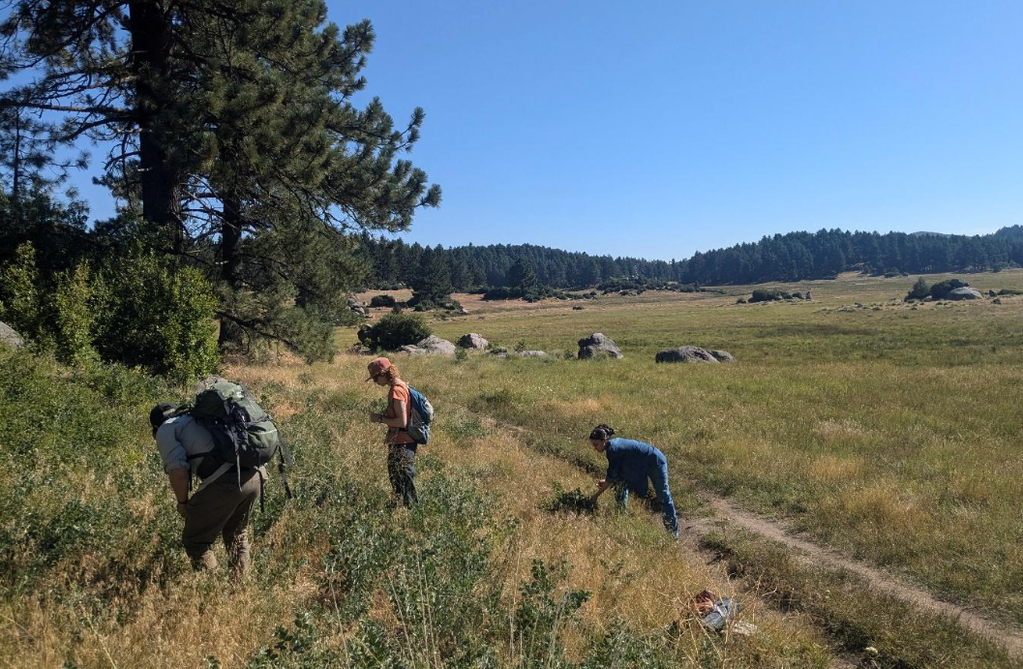
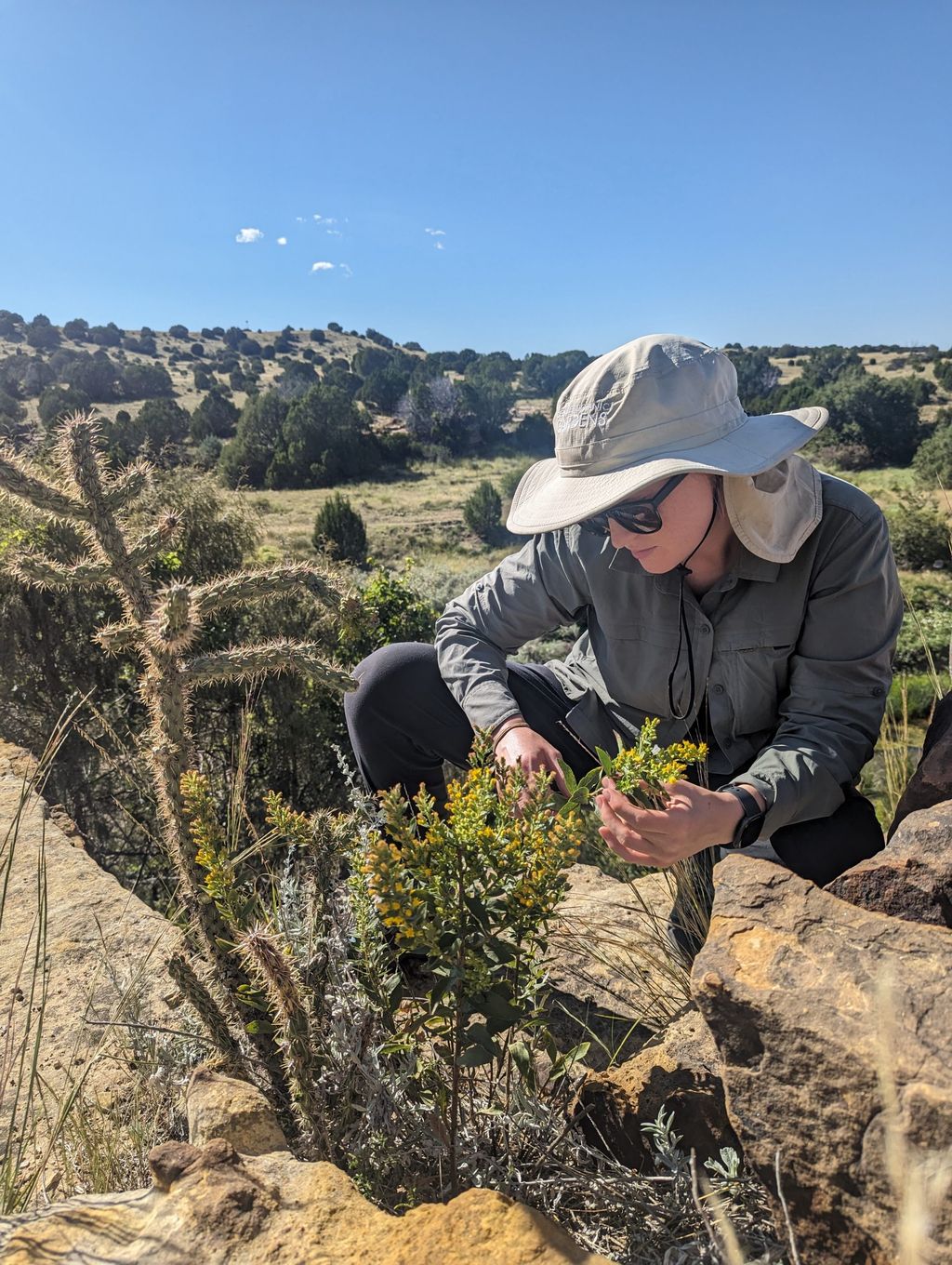
Wisconsin’s native orchids depend on highly specialized relationships with mycorrhizal fungi, making both seed and fungal preservation essential for their long-term conservation. With support from the U.S. Forest Service Rare Plant Partnership Program, and BGCI-US, the Chicago Botanic Garden and Northwestern University collected and banked seeds and associated mycorrhizal fungi from rare orchid populations on U.S. Forest Service lands in Wisconsin to safeguard these species for future restoration and research.
Project Goals
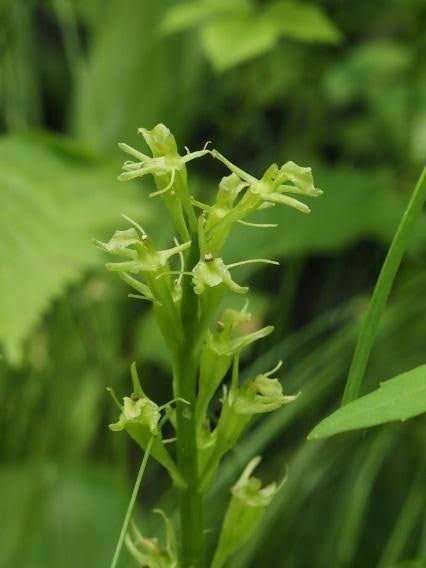
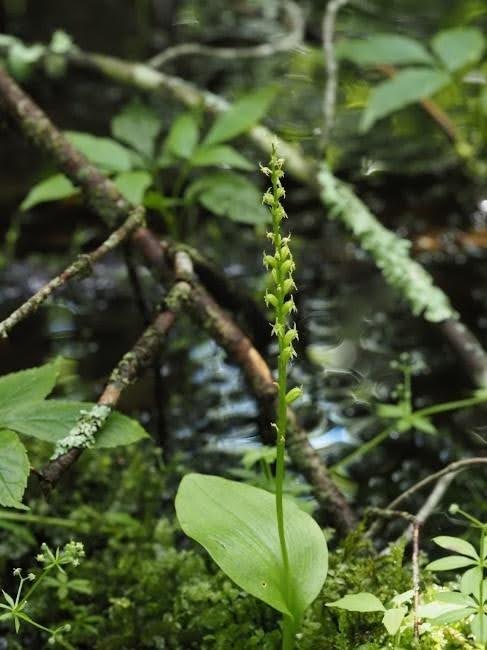
The project aimed to collect seeds from four priority orchid species (Cypripedium arietinum, Malaxis monophyllos, Platanthera hookeri, and Galearis rotundifolia) and additional species encountered during fieldwork, preserve associated mycorrhizal fungi, and store both seeds and fungal cultures in the Chicago Botanic Garden’s conservation collections for long-term use.
Key Achievements
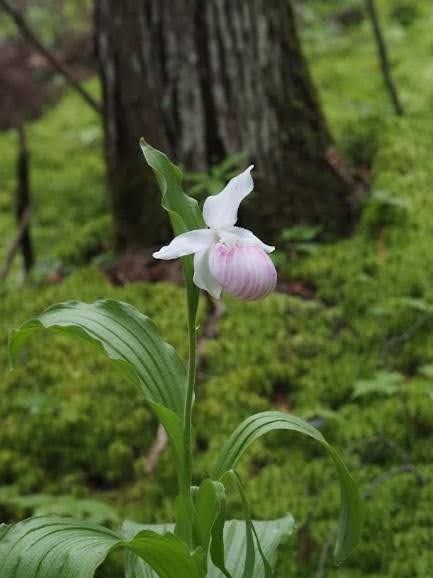
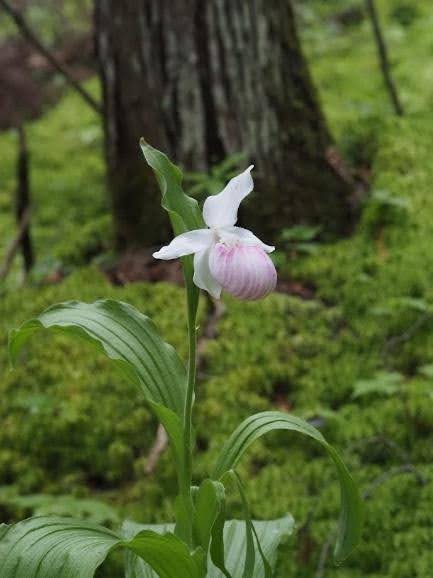
Seed collections were successfully made for all target species except Platanthera hookeri, which did not produce seed capsules during the study period. Seed capsule collections were also made from several additional orchid species, including Cypripedium reginae, Calopogon tuberosus, Goodyera pubescens, Liparis loeselii, Platanthera orbiculata, and Pogonia ophioglossoides.
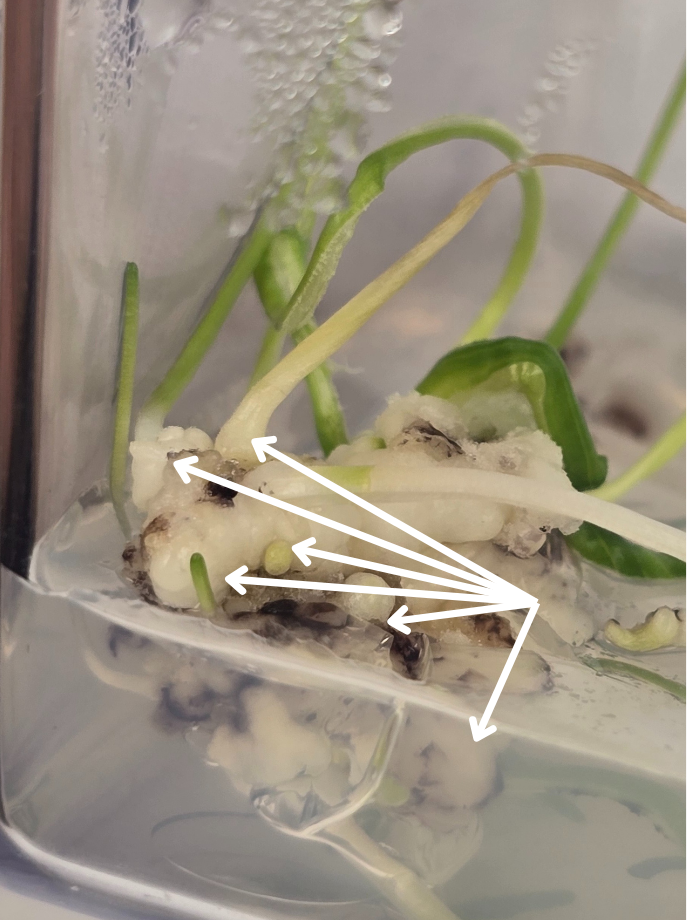
The project also successfully collected root samples from eight orchid species to culture their associated mycorrhizal fungi. Seed viability was assessed by examining embryo development, while fungal cultures were established for future sequencing, germination trials, and long-term preservation. All seed and fungal collections were processed and secured in the Chicago Botanic Garden’s conservation collections.
This project strengthened ex situ conservation efforts for Wisconsin’s rare orchids by preserving both seeds and mycorrhizal fungi required for successful germination and growth. The resulting collections provide an important resource for future research, propagation, and restoration efforts, helping improve the long-term conservation prospects of some of the region’s most vulnerable orchid species.