Monitoring the Cactus and Succulent Collection, Rio de Janeiro
-
Status of project
Completed -
Region
South America -
Country
Brazil -
Programme
BGCI -
Workstream
Saving Plants -
Topic
Plant Conservation
Phytosanitary Diagnosis and Improvement of the Cacti and Succulents Collection at the Rio de Janeiro Botanical Garden
Project Status: Completed 2025
Funded by: The Global Botanic Garden Fund
Project Partner: Rio de Janeiro Botanical Garden
Introduction
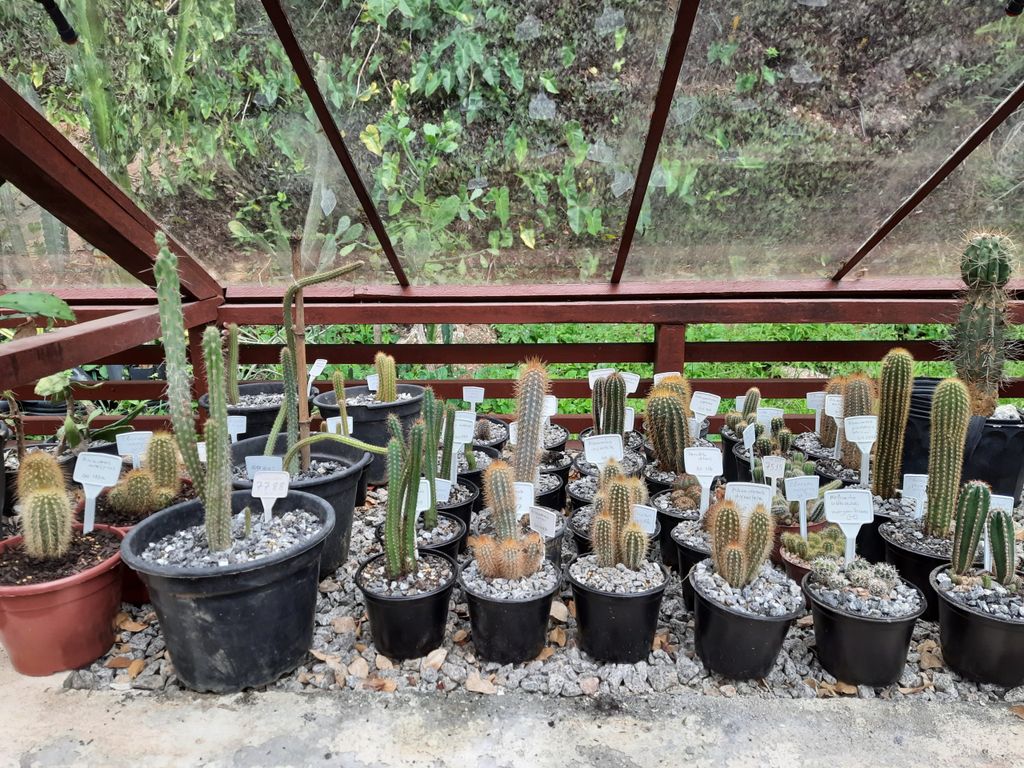
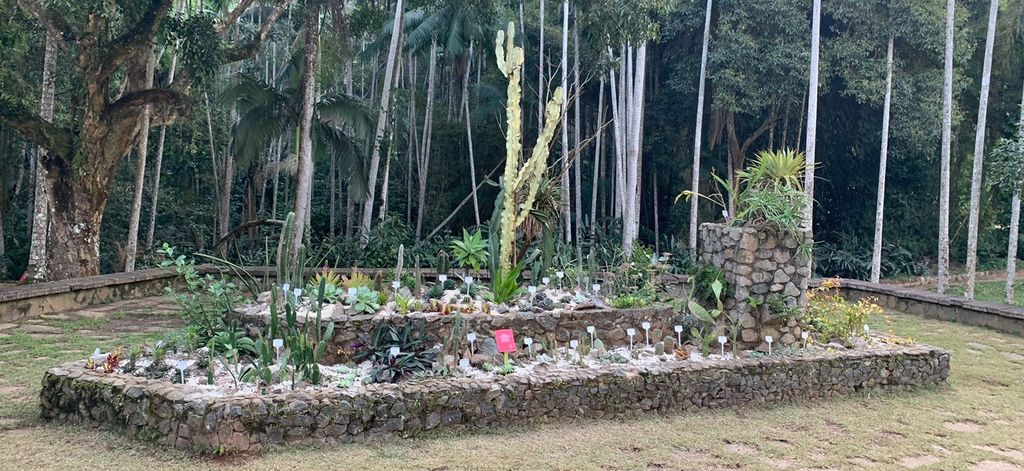
The cactus and succulent collection at the Rio de Janeiro Botanical Garden is located near the humid Atlantic Forest which creates phytosanitary challenges for succulents and is affecting the health of the collection.
Project Goals
This project aimed to diagnose pathogens affecting the collection by analysing 50 symptomatic samples in collaboration with Federal University of Espírito Santo. Trials would be carried out to enhance plant response to pest and disease attacks by applying fertilizers that induce increased plant resistance to phytopathogens. Additionally, the curator will receive specialised training in pathogen detection and management of plant diseases to support improved treatments and better management practices.
Key Achievements
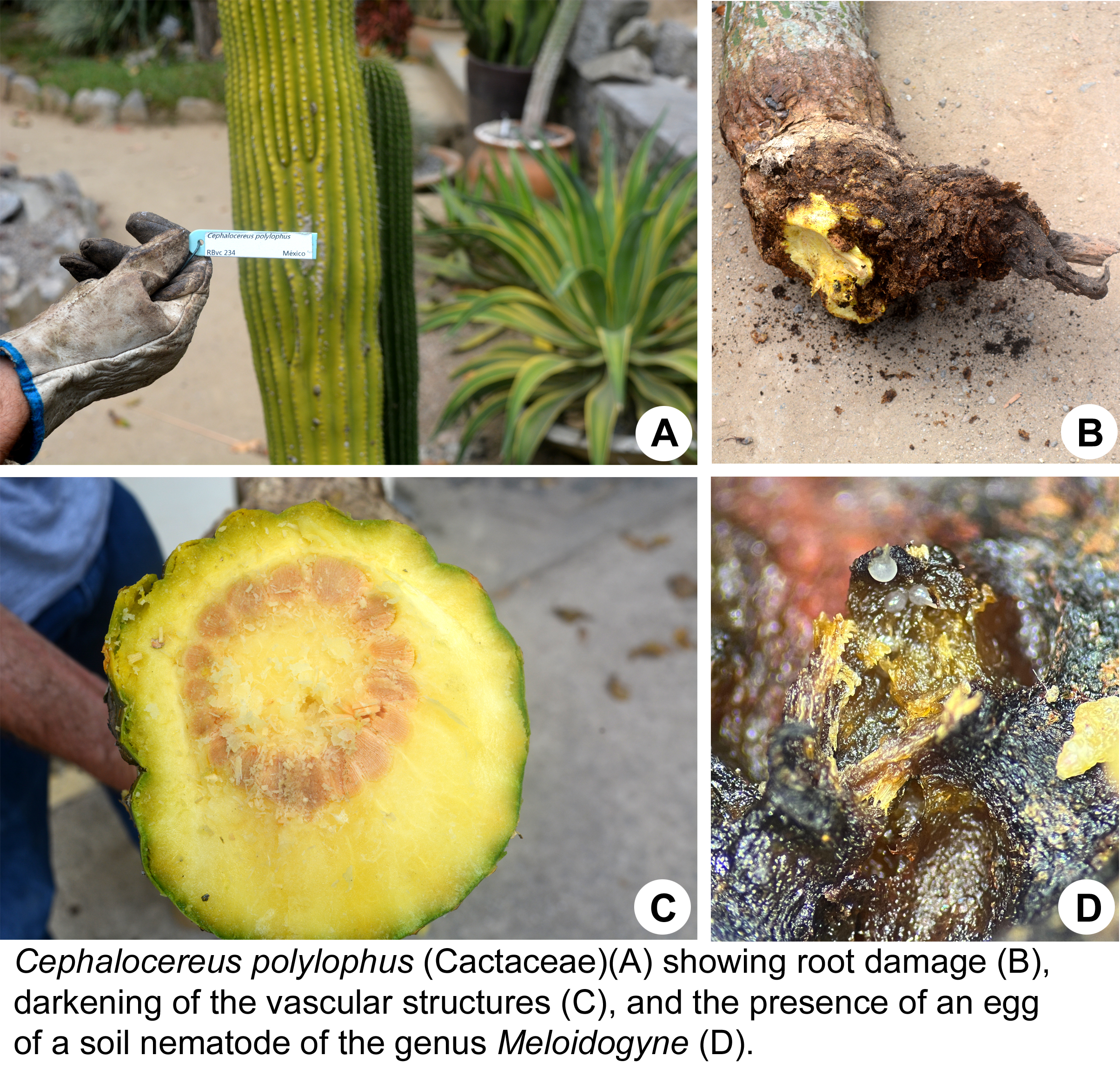
The project expanded from the planned 50 samples to 63 cacti and succulent samples, which allowed for further testing. Laboratory tests detected multiple pathogens, nematodes and mealybugs. Three samples underwent DNA sequencing, confirming Fusarium pseudocircinatum, Lasiodiplodia theobromae, and Meloidogyne enterolobii. Results have been compiled, and literature review is underway to support scientific papers planned for submission in 2026–2027.
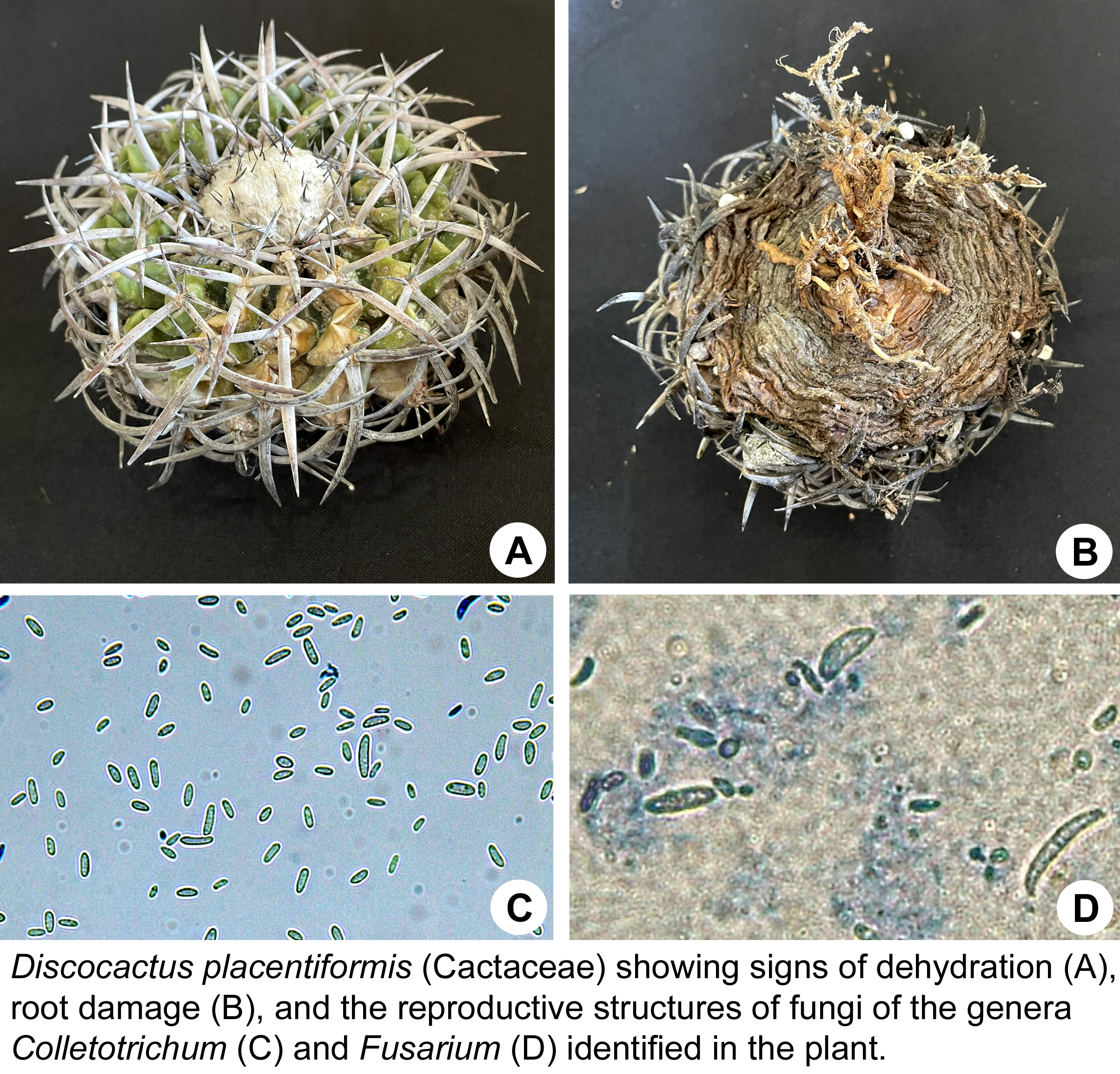
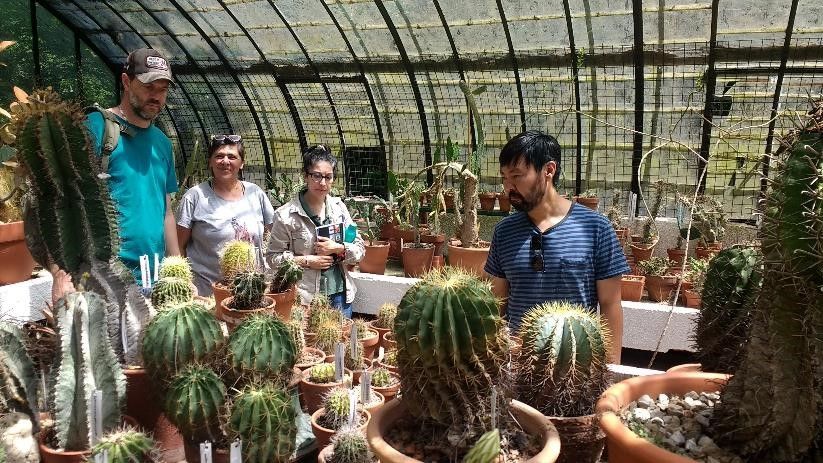
The Curator attended a one-week training program at the Federal University of Espírito Santo. The training deepened his understanding of visible plant symptoms and identifying pathogens. It also helped build and strengthen professional connections with professors and researchers in the field, who can support the botanical garden’s collection with pathogen identification and related issues in the future.
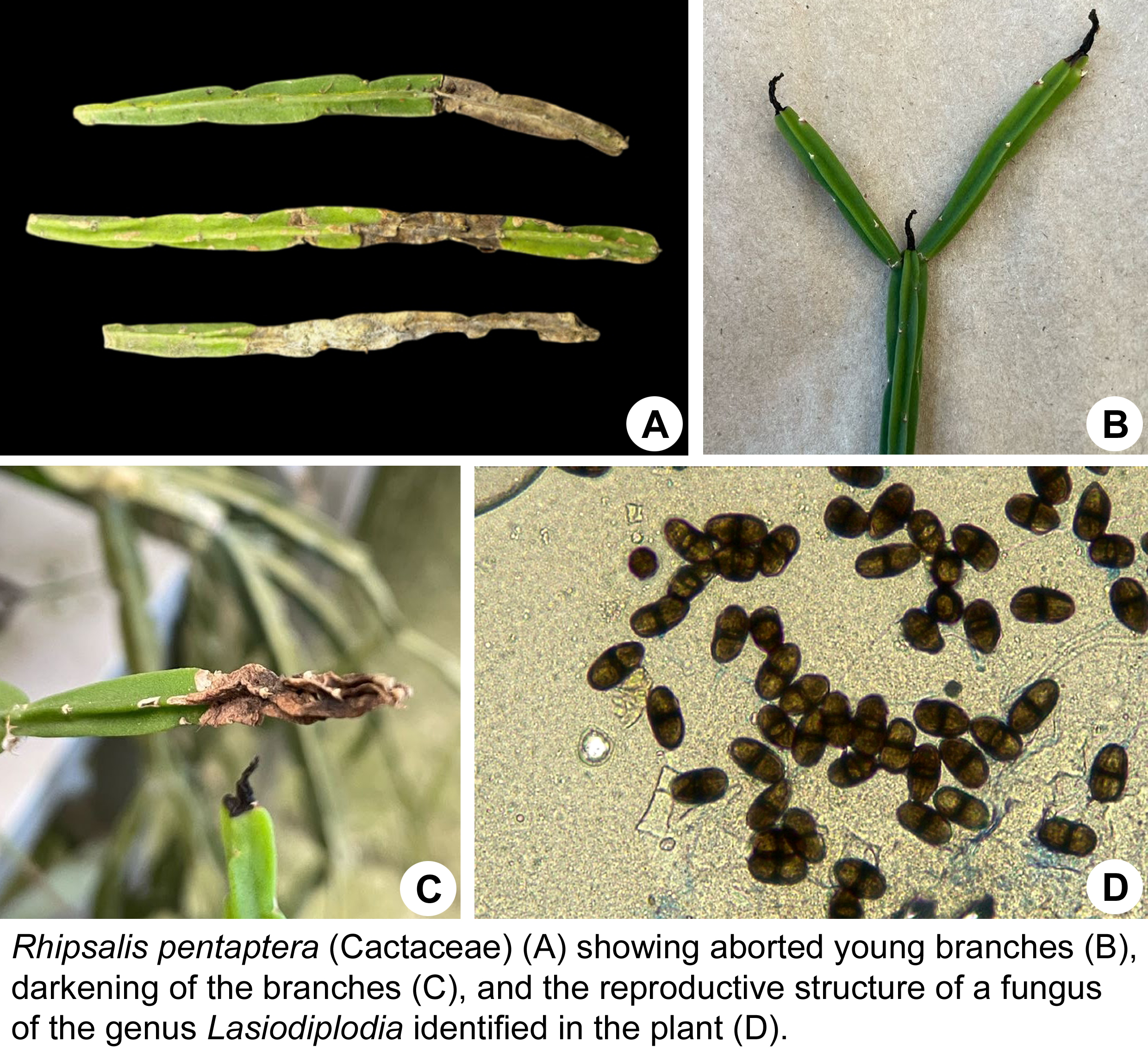
As a result of the training, appropriate fertilisers were selected and applied to plants in the collection. The positive effects of this fertilization strategy are already beginning to show, and these benefits are expected to continue and increase over the coming year, helping to support the long-term health and resilience of the collection.