Improving the Conservation of Libidibia ebano, Colombia
-
Status of project
Completed -
Region
South America -
Country
Colombia -
Programme
BGCI -
Workstream
Saving Plants -
Topic
Tree Conservation -
Type
Grant
Conservation Horticulture Actions for Colombian Caribbean Tropical Dry Forest Threatened Species
Project Status: Completed 2025
Funded by: The ArbNet Partnership Programme via the Global Botanic Garden Fund
Project Partner: Jardín Botánico de Cartagena “Guillermo Piñeres”
Introduction
The Colombian Caribbean tropical dry forest is a unique and highly biodiverse ecosystem that faces severe threats from deforestation, climate change, and habitat fragmentation. Conservation horticulture plays a crucial role in preserving the threatened species of this region by promoting sustainable cultivation practices, ex situ conservation, and habitat restoration.
Project Goals
The project aimed to protect threatened species in Colombia’s Caribbean tropical dry forest through improved conservation horticulture and seed banking. Led by the Cartagena Botanical Garden in partnership with the Missouri Botanical Garden, the initiative focused on the threatened tree species Libidibia ebano and seeks to strengthen staff training in horticulture, collections management, and field collection; improve seed storage infrastructure; and develop seed collection, propagation, and seed banking protocols to support long-term conservation.
Key Achievements
Standardized seed collection protocols were developed for Libidibia ebano to ensure strong genetic diversity. Cartagena Botanical Garden staff received specialized training from the Missouri Botanical Garden in seed collection methods, fieldwork, and data management. Researchers then mapped known populations, created a fieldwork plan, and implemented consistent collection guidelines covering parent tree sampling, seed quantities, and ecological data recording.
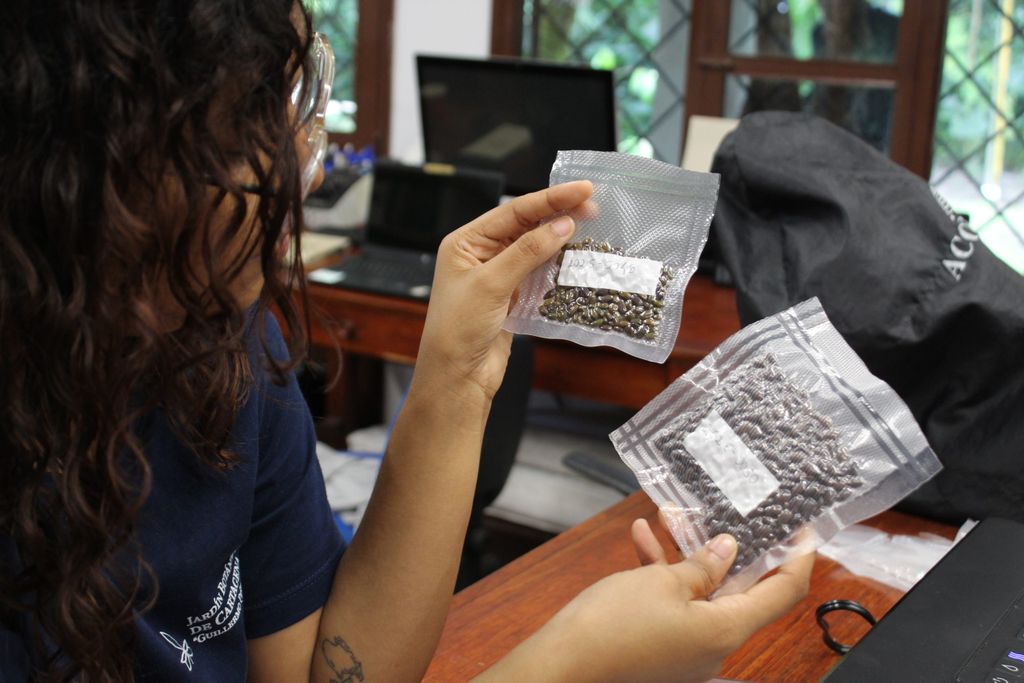
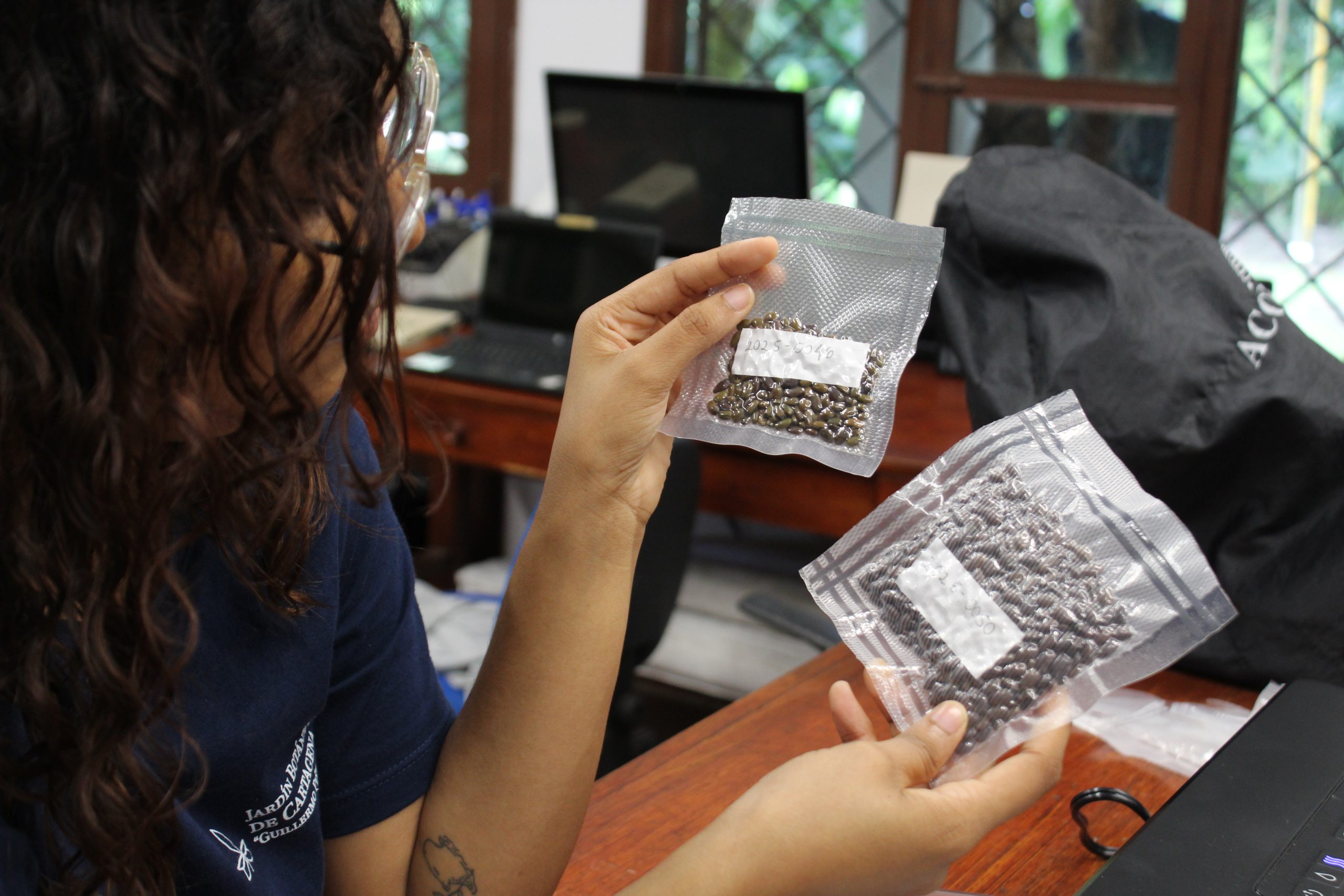
The project improved seed banking infrastructure at the Cartagena Botanical Garden to support the long-term conservation of Libidibia ebano. Existing facilities were assessed, and new storage protocols were developed for seed cleaning, drying, packaging, labelling, and storage based on the species’ needs. Equipment and materials were upgraded, and collected seeds were processed and stored under standardised conditions to maintain long-term viability.
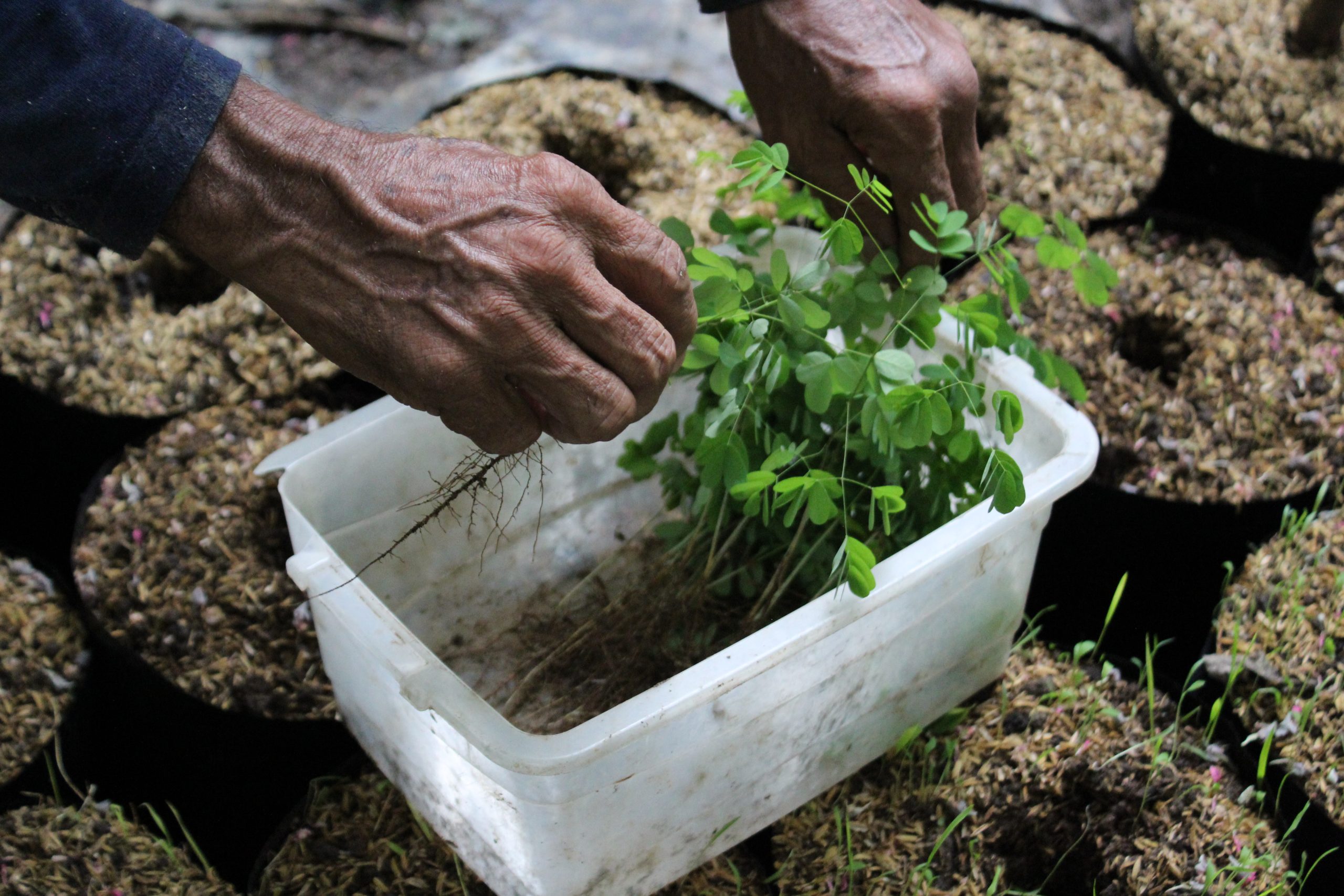
Propagation protocols were also developed to support conservation and restoration efforts. Cartagena Botanical Garden conducted nursery germination trials using different treatments, substrates, and growing conditions to identify the most effective methods for seedling establishment. Researchers recorded germination, survival, and growth data to refine the protocols, which now provide recommended treatments and nursery practices. The finalised protocol will be shared publicly through the garden’s website to support knowledge exchange and future conservation work.