Expanding Ex Situ Oak Collections, Mexico
-
Status of project
Completed -
Region
North America -
Country
Mexico -
Programme
BGCI -
Workstream
Saving Plants -
Topic
Tree Conservation -
Type
Grant
Acorn Collection and Propagation of Two Endangered Oak Species in Western Mexico
Project Status: Completed 2025
Funded by: The ArbNet Partnership Programme via the Global Botanic Garden Fund
Project Partner: Vallarta Botanical Gardens, A.C.
Introduction
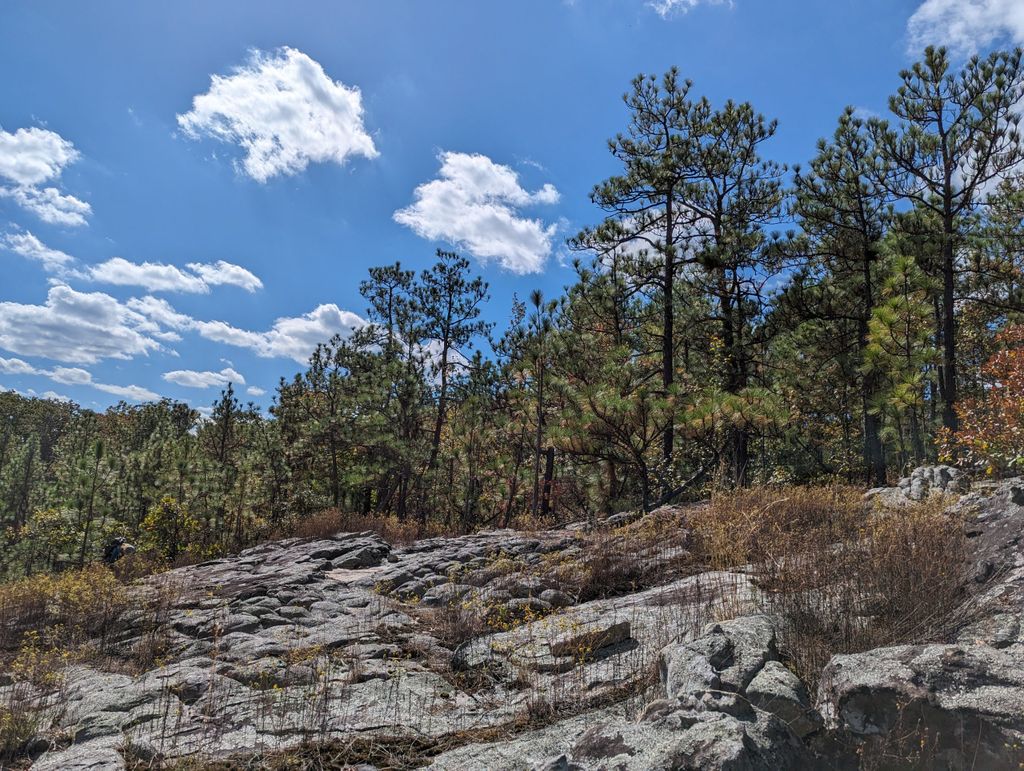
Jalisco, Mexico, is home to 54 oak species and nearly 40% of Mexico’s endemic oaks, many of which are threatened by habitat destruction, land-use change, illegal logging, and fires. Two endangered species, Quercus cualensis and Quercus tuitensis, are native to the area surrounding the Vallarta Botanical Garden (VBG). Q. tuitensis is considered the highest-priority threatened oak species in Mesoamerica for conservation action, according to the Morton Arboretum.
Project Goals
For over 19 years, VBG has conserved oak species in its collections, including 10 native to Jalisco. This project aimed to collect acorns from the endangered oaks Q. cualensis and Q. tuitensis to grow in the garden’s Oak Collection, to support research, conservation, and the creation of broader conservation collections.
Key Achievements
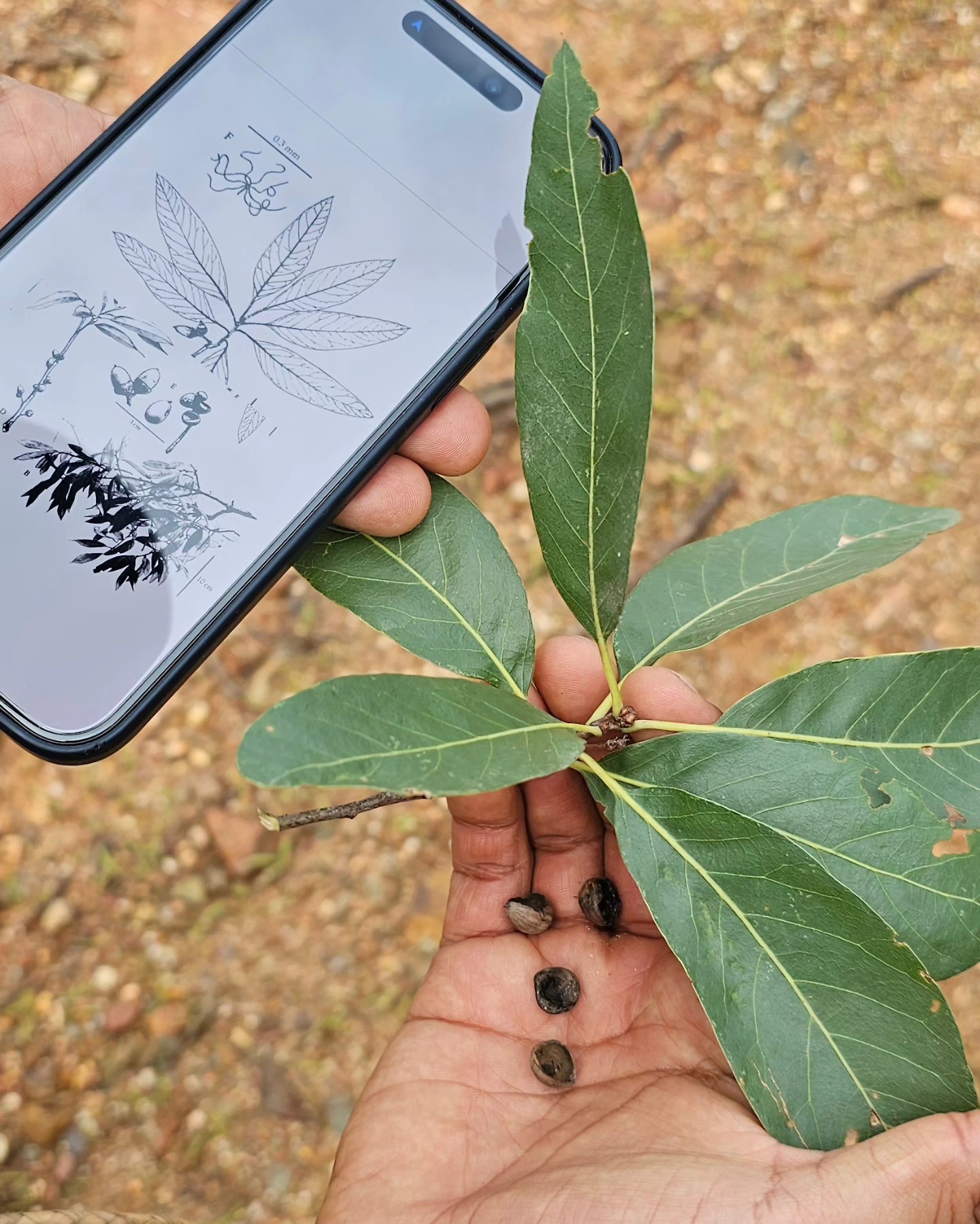
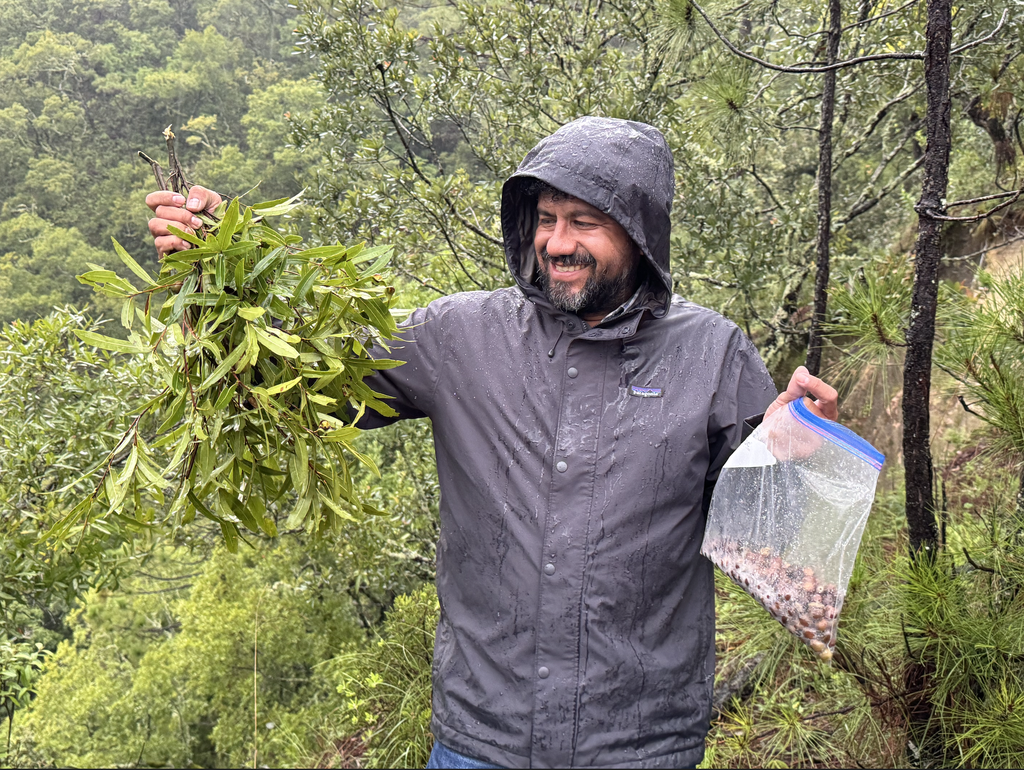
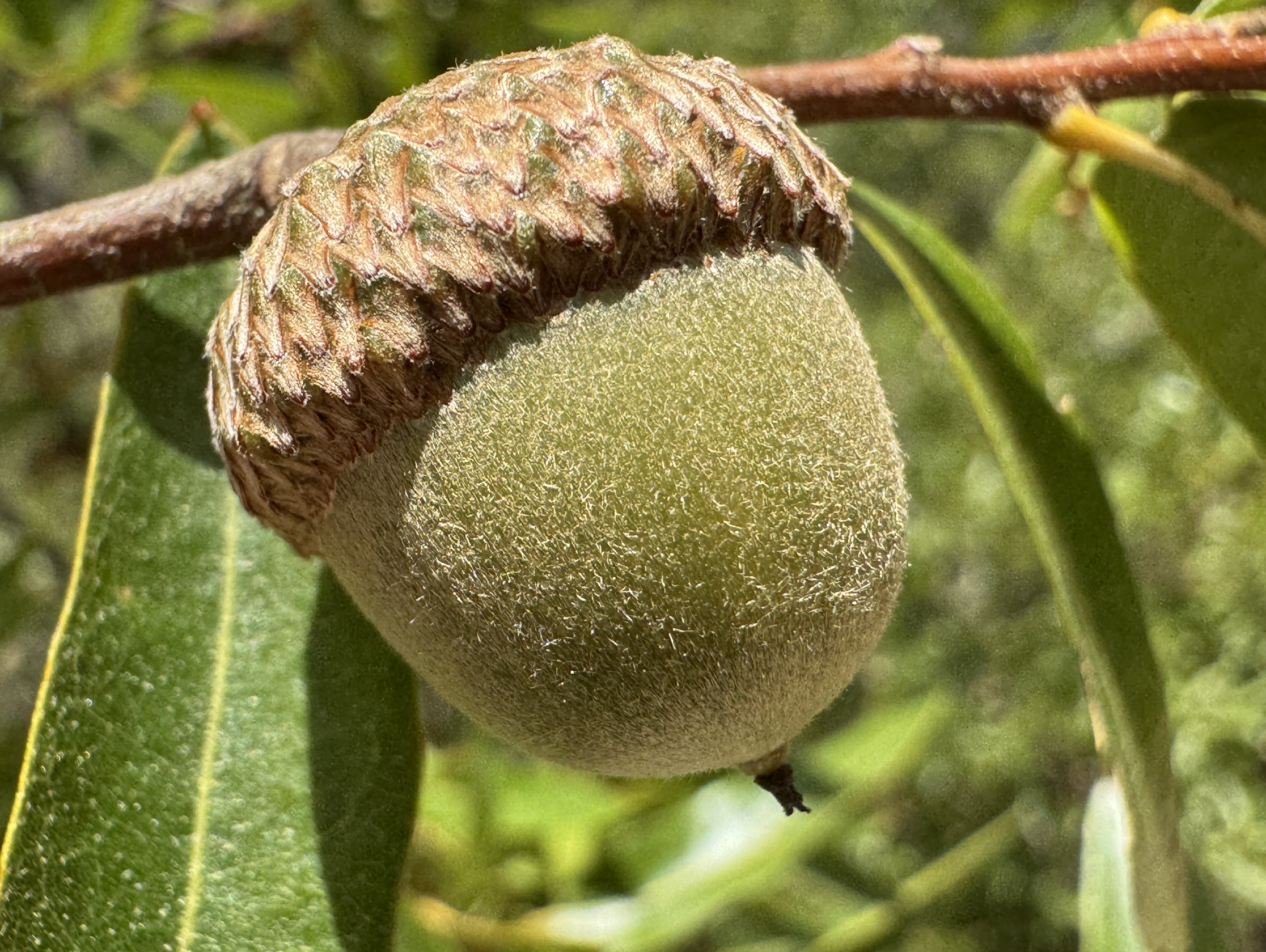
VBG carried out two field expeditions and successfully collected reproductive material from Quercus cualensis and Q. tuitensis in the Sierra El Cuale and Sierra El Tuito regions. During the first expedition, researchers visited five sites and collected 600 acorns of Q. cualensis from several trees, documenting the populations in their natural habitat. A second expedition targeted Q. tuitensis; although seed production was low that year, the team successfully collected 32 from one site.
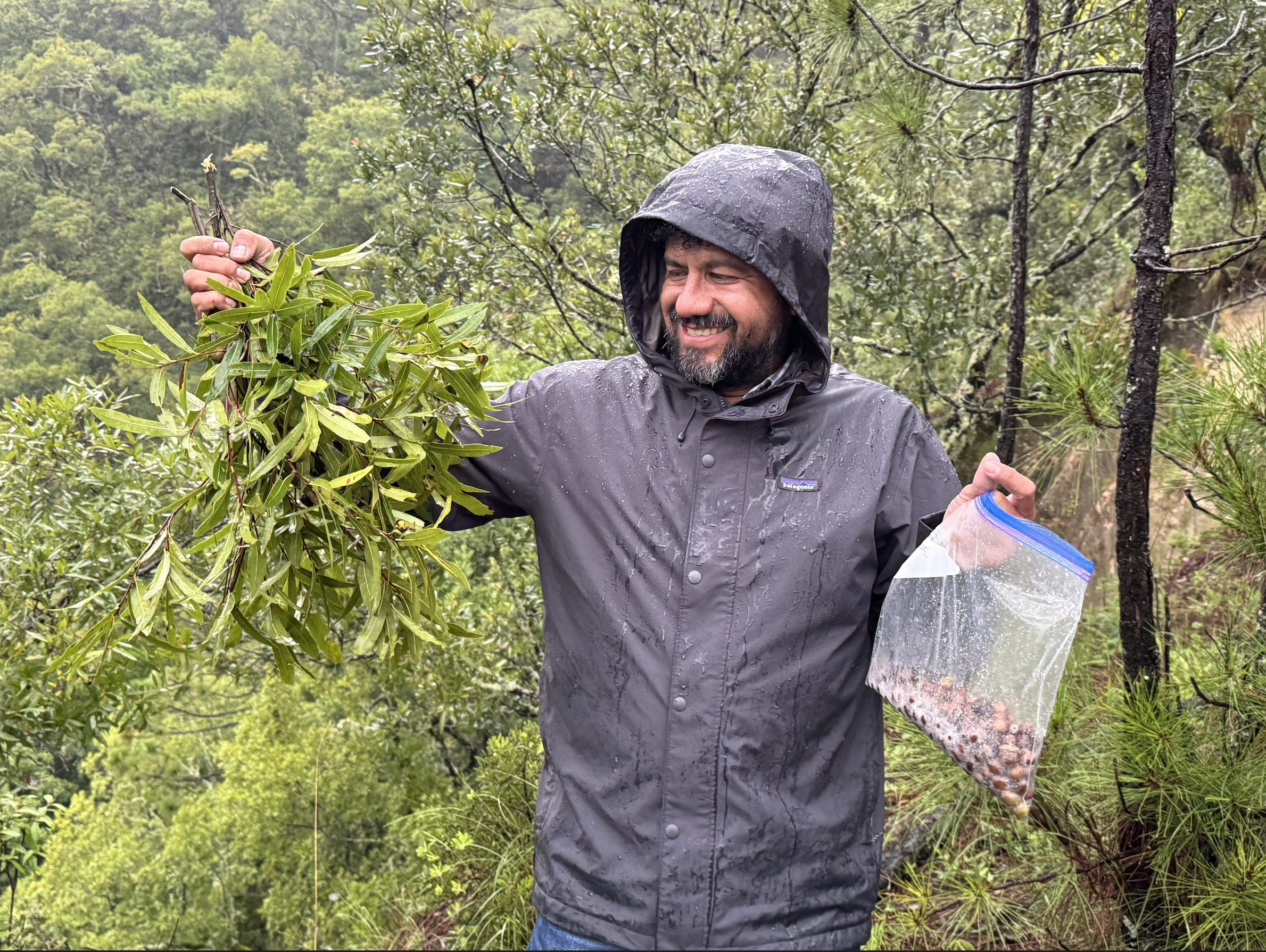
To support conservation efforts, half of the Q. cualensis acorns were shared with three Mexican botanical gardens to expand ex situ conservation collections. The remaining acorns and Q. tuitensis seedlings were cultivated under controlled nursery conditions at VBG. Teams also gathered habitat information and recorded new botanical findings during the expeditions.
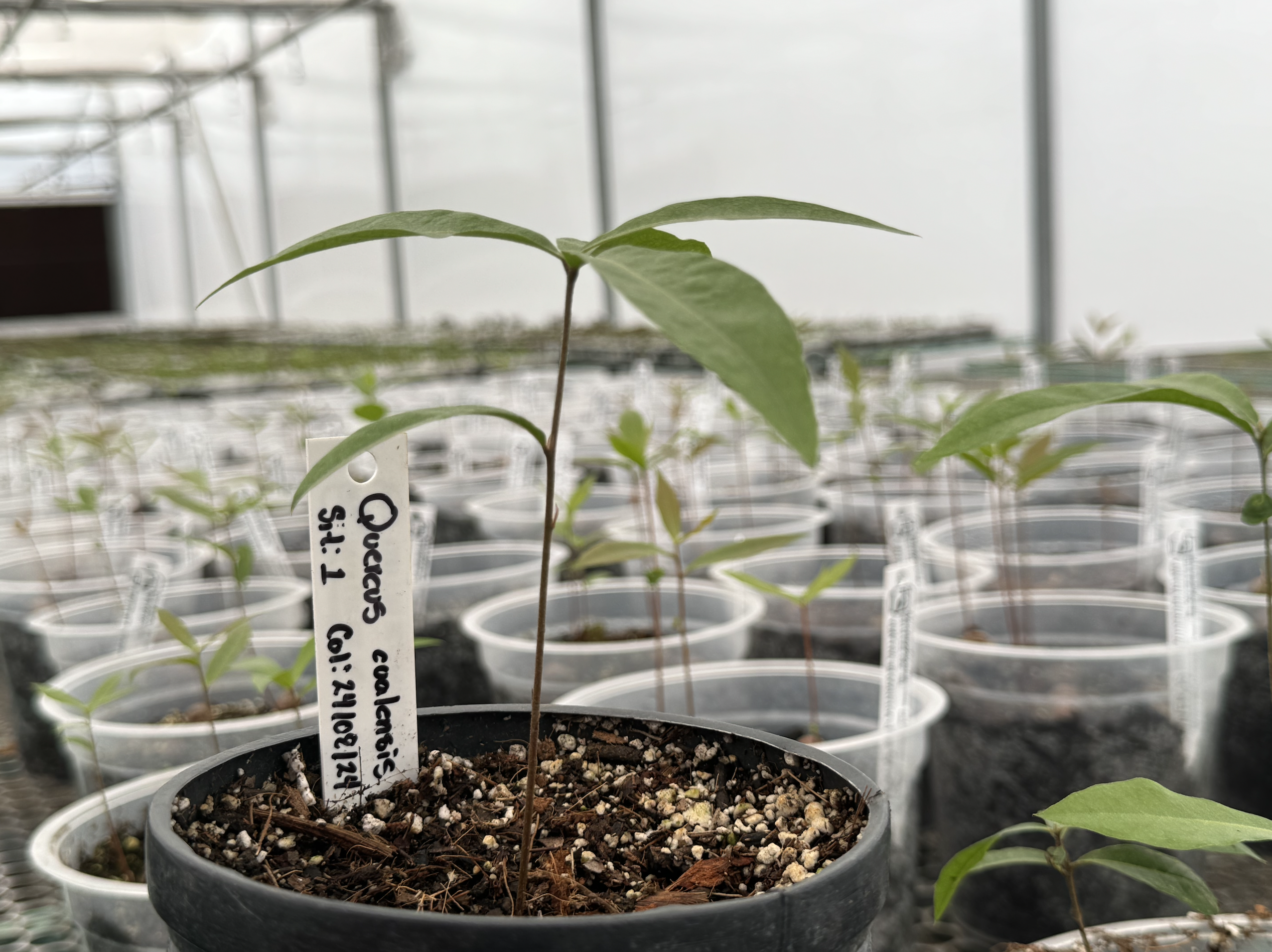
Quercus cualensis and Q. tuitensis were successfully cultivated under controlled nursery conditions, achieving a 60% germination rate for acorns and 90% seedling survival by early 2025. Propagation data is being used to develop conservation protocols, while acorns shared with three Mexican botanical gardens established the first collaborative ex situ metacollection for these species. The project also promoted conservation through conference presentations, public outreach, and collaboration with global oak conservation networks. These efforts strengthened partnerships, increased public awareness and supported VBG’s ArbNet Level 2 accreditation process.