Education Grantees 2026: Capacity-Building of Community Leaders (Philippines)
-
Status of project
Ongoing -
Region
Southeast Asia -
Country
Philippines -
Programme
International Day of Education -
Workstream
Addressing Global Challenges Through Public Engagement -
Topic
Public Engagement -
Type
Grant
Grant blog published 13 May 2026
International Day of Education Grants
To celebrate International Day of Botanic Garden Education, and the recently launched Declaration of Intent on Climate Action Education, BGCI and the Korea National Arboretum provided a number of grants to BGCI members undertaking education activities aligned with the climate declaration.
This blog provides an overview of one of the projects funded – Capacity-Building of Community Leaders to Engage the Youth for Climate Action with Siit Arboretum Botanical Garden (SABGI)
The project
The project seeks to strengthen SABGI’s role as a local climate education hub by bringing together community leaders, educators, youth organizers, and other local stakeholders for a series of participatory workshops on climate awareness, ecosystems, and community-based action.
This May, we began conducting field visits and consultations to better understand the needs, concerns, and existing knowledge of surrounding communities. These conversations have helped shape the development of the climate education module that will guide the workshops. Participants comprise youth in their early collegiate years taking courses in the arts, engineering, and education, alongside other young community members interested in environmental work and public engagement. The project is designed to support them not only in developing climate awareness, but also in strengthening their confidence in facilitating learning activities within their own communities.
The module used for the workshop begins by situating climate change as a lived and interconnected planetary condition that shapes everyday life, livelihoods, and ecosystems. Participants are encouraged to think critically about how systems of development, economic structures, and patterns of resource use contribute to ecological imbalance, while also recognizing the importance of grassroots action, local knowledge, and collective action in response to biodiversity and climate change.
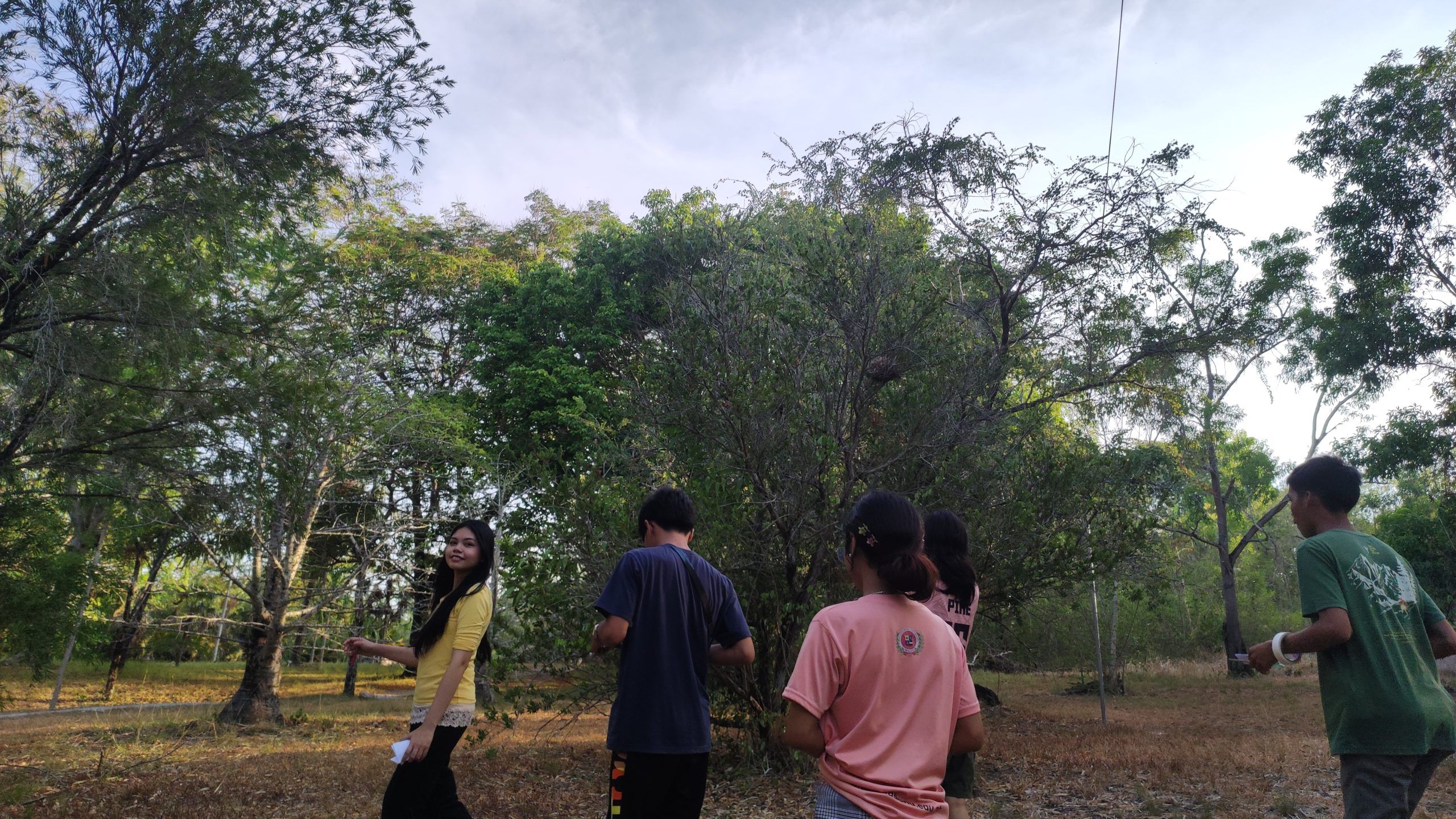
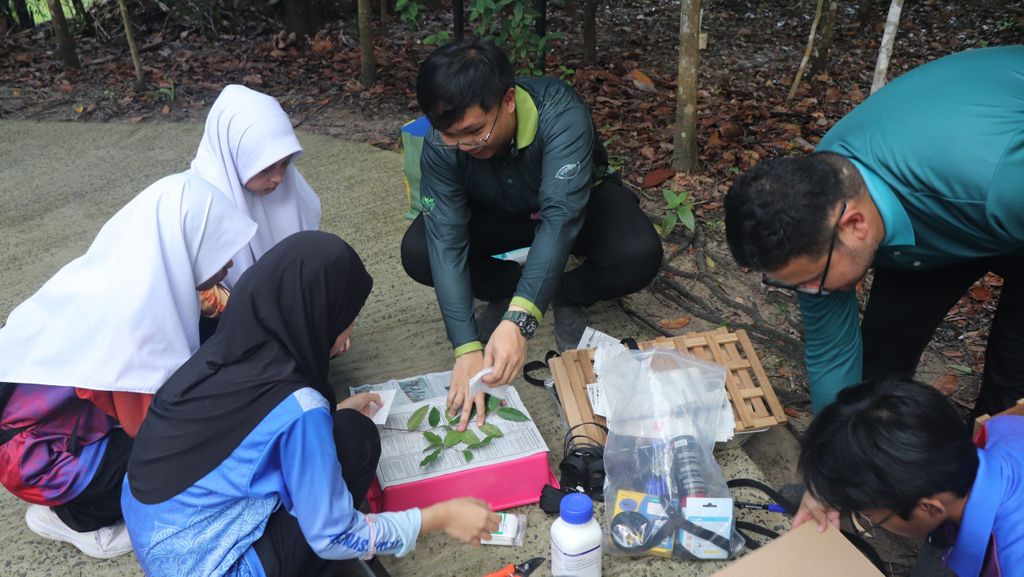
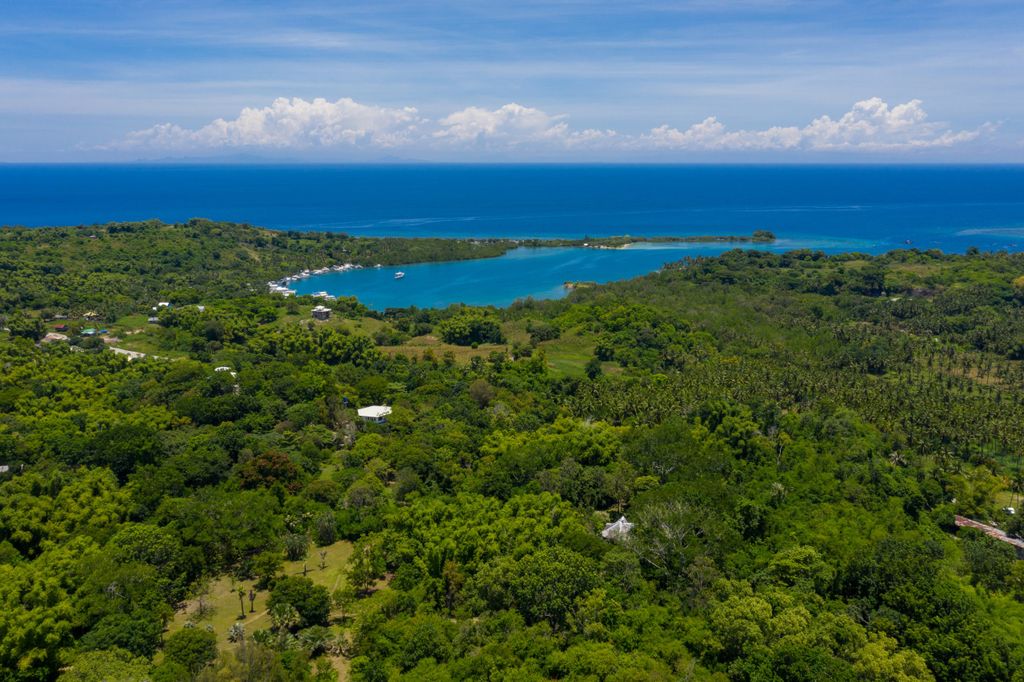
The first workshop started with an introduction to the vision of Siit Arboretum Botanical Garden Inc. (SABGI) as a community-based learning hub for environmental education and climate action. The module centres on nearby forest, marine, and mangrove ecosystems and their relationship to local life and future sustainable livelihoods. Each chapter corresponds to one whole-day workshop combining presentations, discussions, field visits, and participatory activities. The first workshop also focused on forests as vital ecosystems for biodiversity, climate resilience, and sustainable resource management. Participants learned about the lowland Molave-type forest surrounding SABGI, including its native tree species, limestone terrain, and relationship to wider environmental systems in Negros Oriental. There was also a hybrid talk, led by the SABGI’s chairperson Eric Hanquinet, on the history of global climate action and contemporary environmental challenges, linking local ecological realities to international climate issues and policies. The workshop concluded with a zine-making activity facilitated by artist and researcher Ezekiel Sales with a guided tour of SABGI’s botanical collections, conservation areas, renewable energy systems, and agroecological practices, alongside discussions on alternative and community-based economic models that support local livelihoods.
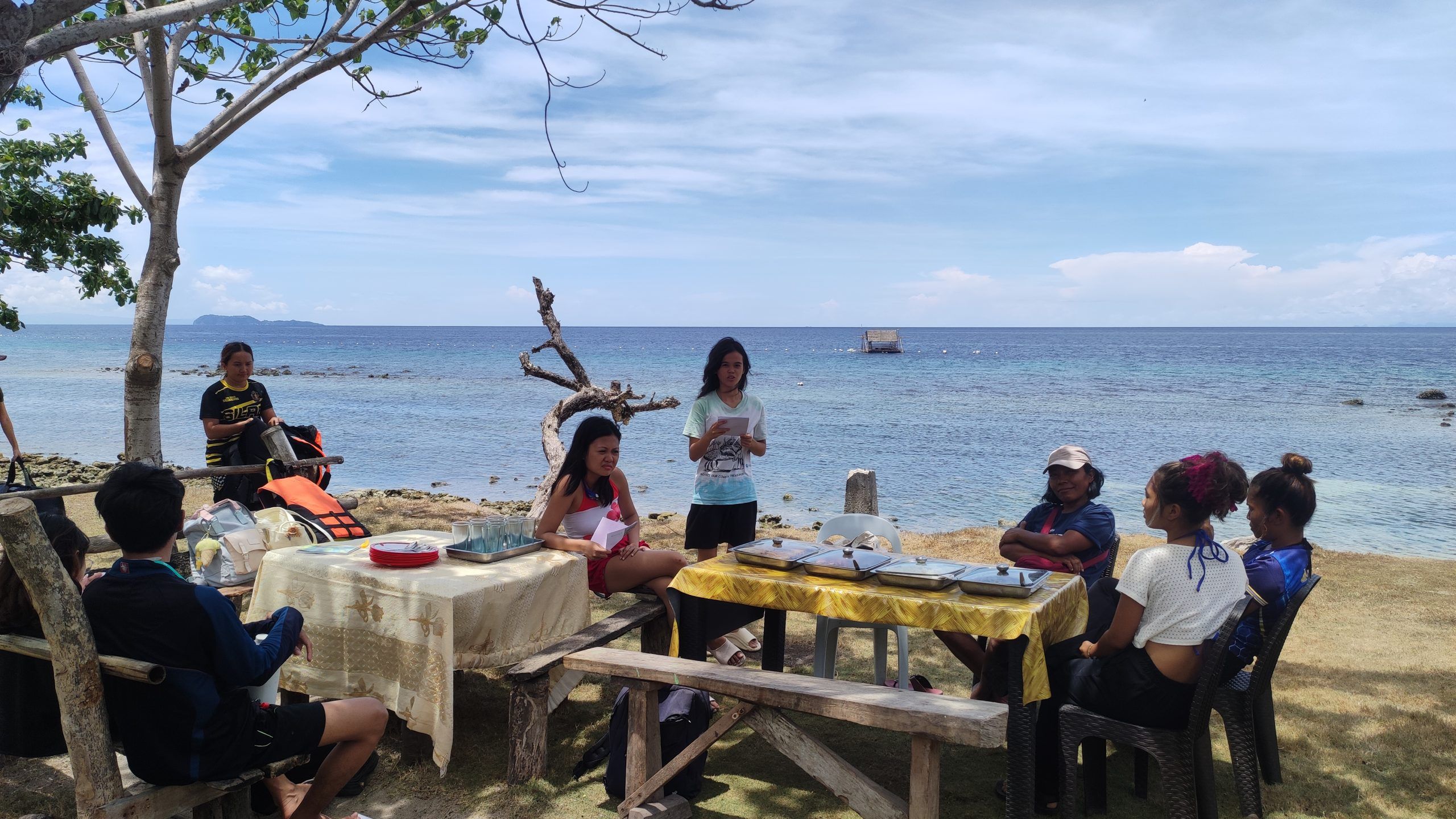
During the second workshop we travelled from land to sea to explore marine ecosystems and their relationship with coastal communities. In collaboration with Marine Conservation Philippines (MCP), participants will learn about Coastal Resource Management (CRM), Marine Protected Areas (MPAs), scientific research, and the role of marine conservation in sustaining biodiversity and livelihoods. Discussions will explore coral bleaching, warming seas, overfishing, destructive coastal development, and carbon sequestration, while also presenting community-based approaches. Participants will tour MCP’s facilities and visit nearby fisherfolk communities to better understand the relationship between marine ecosystems and local stewardship. Participants were able to participate in World Turtle Day and learn about conservation measures. Some of the other participants were also able to do snorkeling and got to connect with the marine biodiversity in a local beach. Hanquinet also shared about his sailing experience during the 70s and 80s from the Caribbean to the Pacific, and how he witnessed the very first effort of MPAs in the Visayas region.
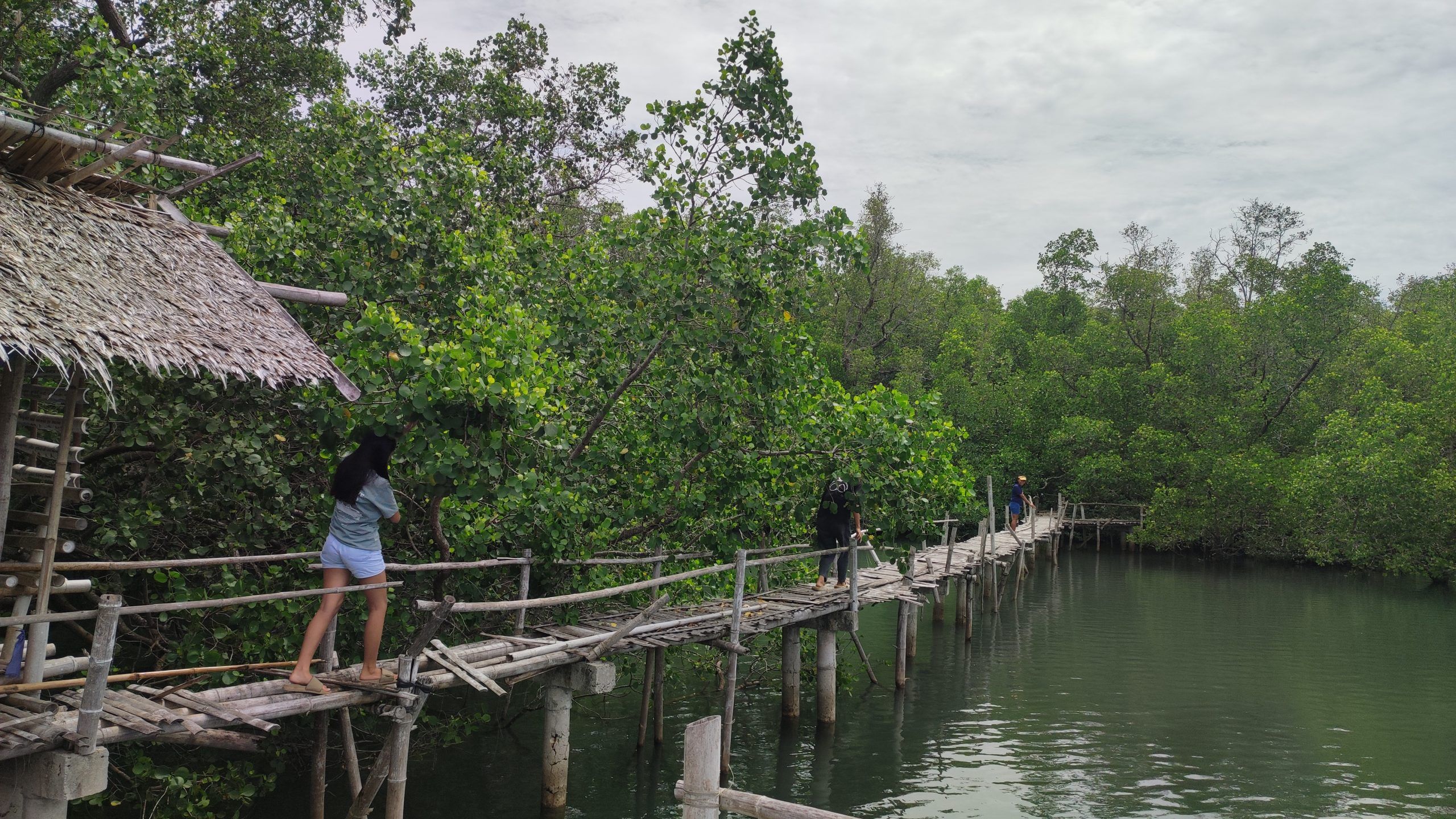
The third workshop focuses on mangrove ecosystems and their importance in climate resilience and coastal livelihoods. This took place within a mangrove site in collaboration with SIPAMACOWA (Siit-Palinpinon Mangrove Conservation Women’s Association). Participants learned about mangroves as “blue carbon” ecosystems that absorb and store significant amounts of carbon while protecting coastlines and supporting marine biodiversity. The workshop also reflected on the history of mangrove degradation and reforestation efforts in the Philippines, including why many past planting initiatives struggled due to poor site selection and short-term volunteerism disconnected from local realities. The day concluded with a shared culinary experience, where participants harvested and prepared local coastal foods such as seashells, seaweed, and jellyfish.
One workshop remains, focusing on facilitation skills and program design. Participants will then develop and conduct their own climate and environmental learning activities within their communities. At the conclusion of the project, workshop outputs and documentation will be consolidated into a finalized learning module to be shared with partner organizations and institutions, extending the reach of climate education efforts in the communities surrounding SABGI.