Conserving Mulanje Cedar in Malawi
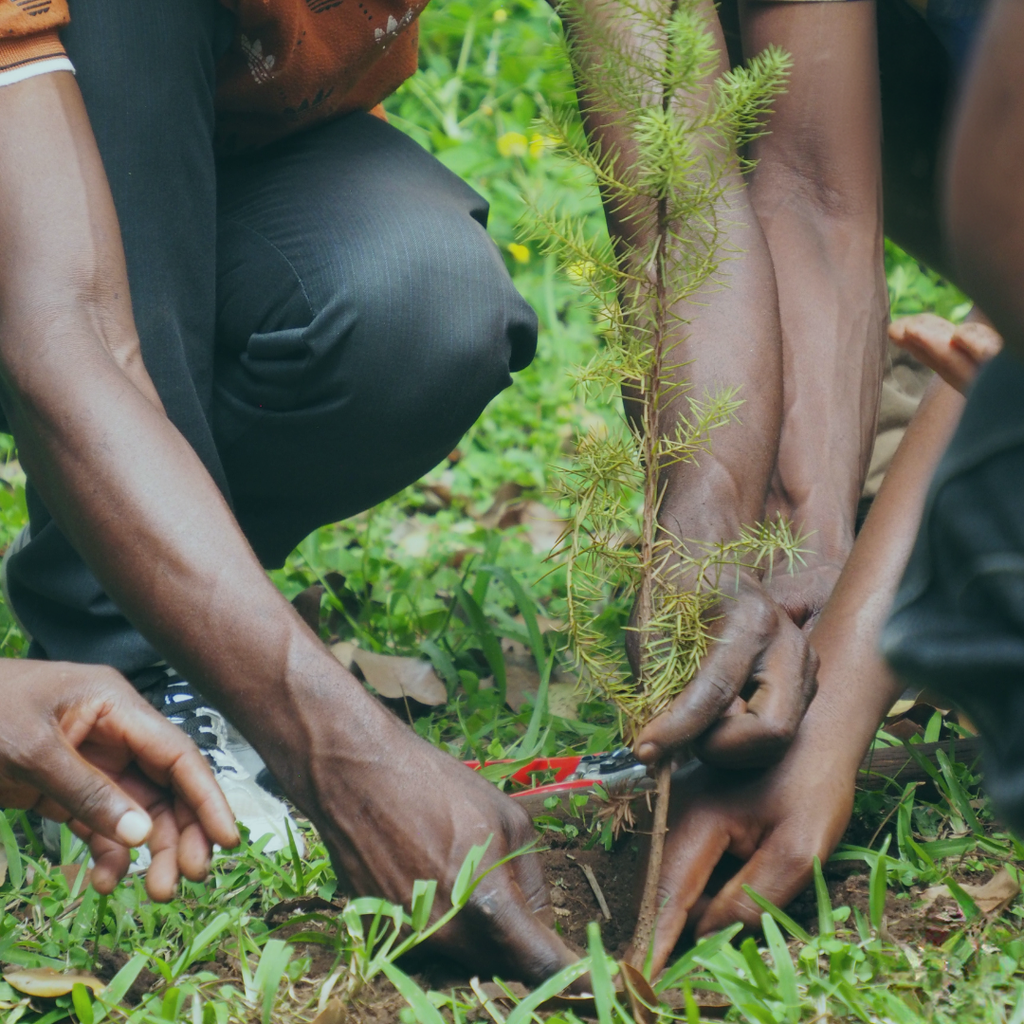
-
Status of project
Completed -
Region
Africa -
Country
Malawi -
Programme
BGCI -
Workstream
Saving Plants -
Topic
Tree Conservation
Improving Horticultural Practices to Conserve Mulanje Cedar (Widdringtonia whytei) in
Malawi
Project Status: Completed 2025
Funded by: he Friends of Bedgebury National Pinetum (Forestry England) via the Global Botanic Garden Fund
Project Partner: The Morton Arboretum
Introduction
The Morton Arboretum (TMA) and Mulanje Mountain Conservation Trust (MMCT) requested support to implement trial plantings of Mulanje Cedar (Widdringtonia whytei) that will evaluate horticultural practices within a fire-protected planting scheme. Mulanje Cedar out-planting efforts have historically had mixed results in sapling survival but by ensuring best horticultural practices are utilized while planting cedar seedlings within an innovative fire-protected environment, these results can be improved.
Project Goals
The first aim of this project was to train local leaders on horticultural techniques, including hole dimensions, root structure, timing, transplant shock, and post installation care. Additionally, Cedar demonstration plantings would be created to help local people see Cedar growth and survival differences at Mulanje Mountain Conservation Trust (MMCT) headquarters and next to Mulanje Mountain huts. Newly trained local laborers would also install trial out-plantings of Cedar with protective firebreak thickets at 2-3 Mulanje Mountain sites.
Key Achievements
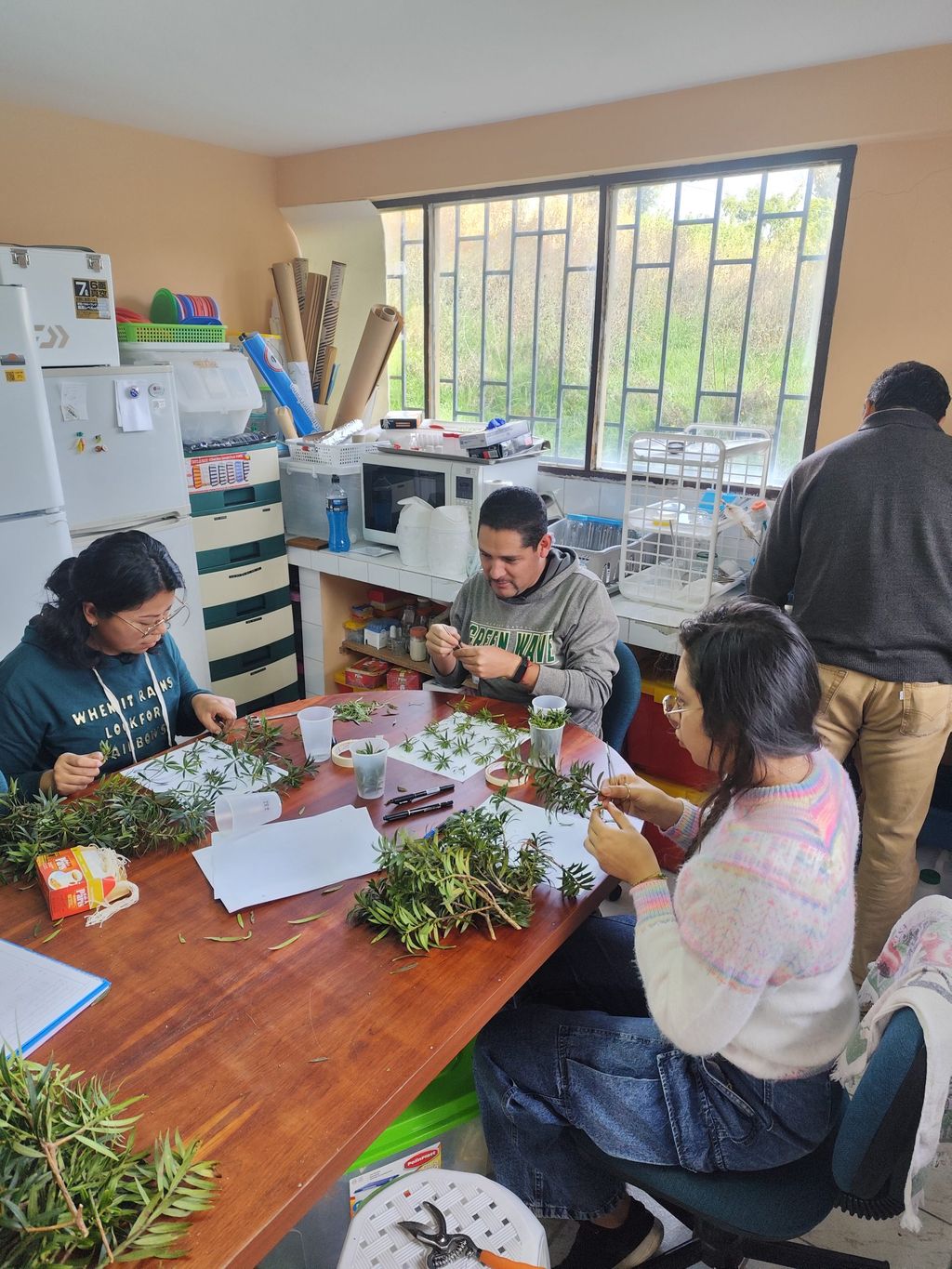
Experts from The Morton Arboretum, Chicago Botanic Garden, and Botanic Gardens Conservation International conducted horticultural tree planting training in Malawi for 18 local leaders from seven organizations and several community groups.
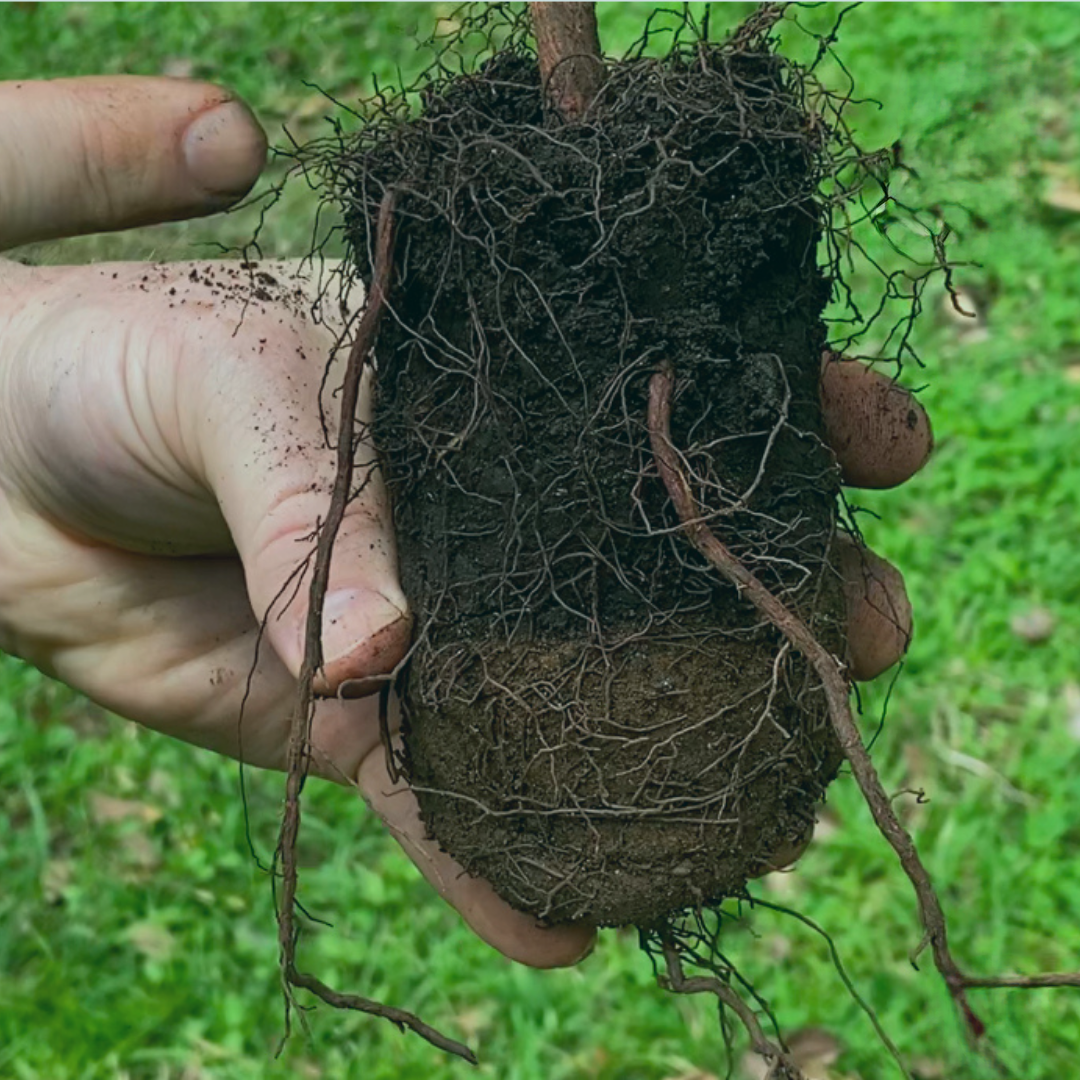
The training combined presentations with practical sessions, and, supported by UK Darwin Initiative funding, the BGCI team documented the program through photos and videos. These materials were later developed into an online training module called Best Practices for Planting Trees, published on the BGCI website.
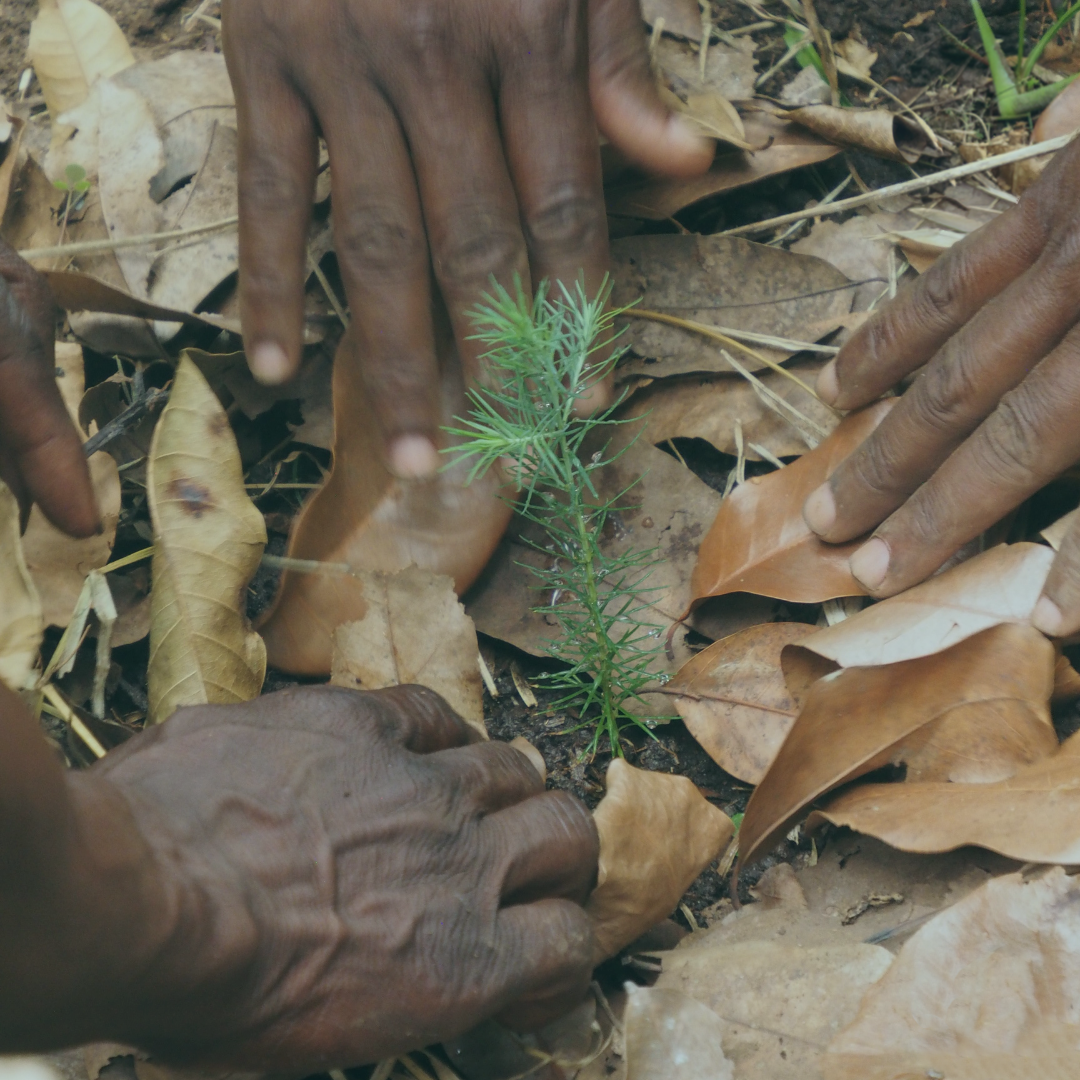
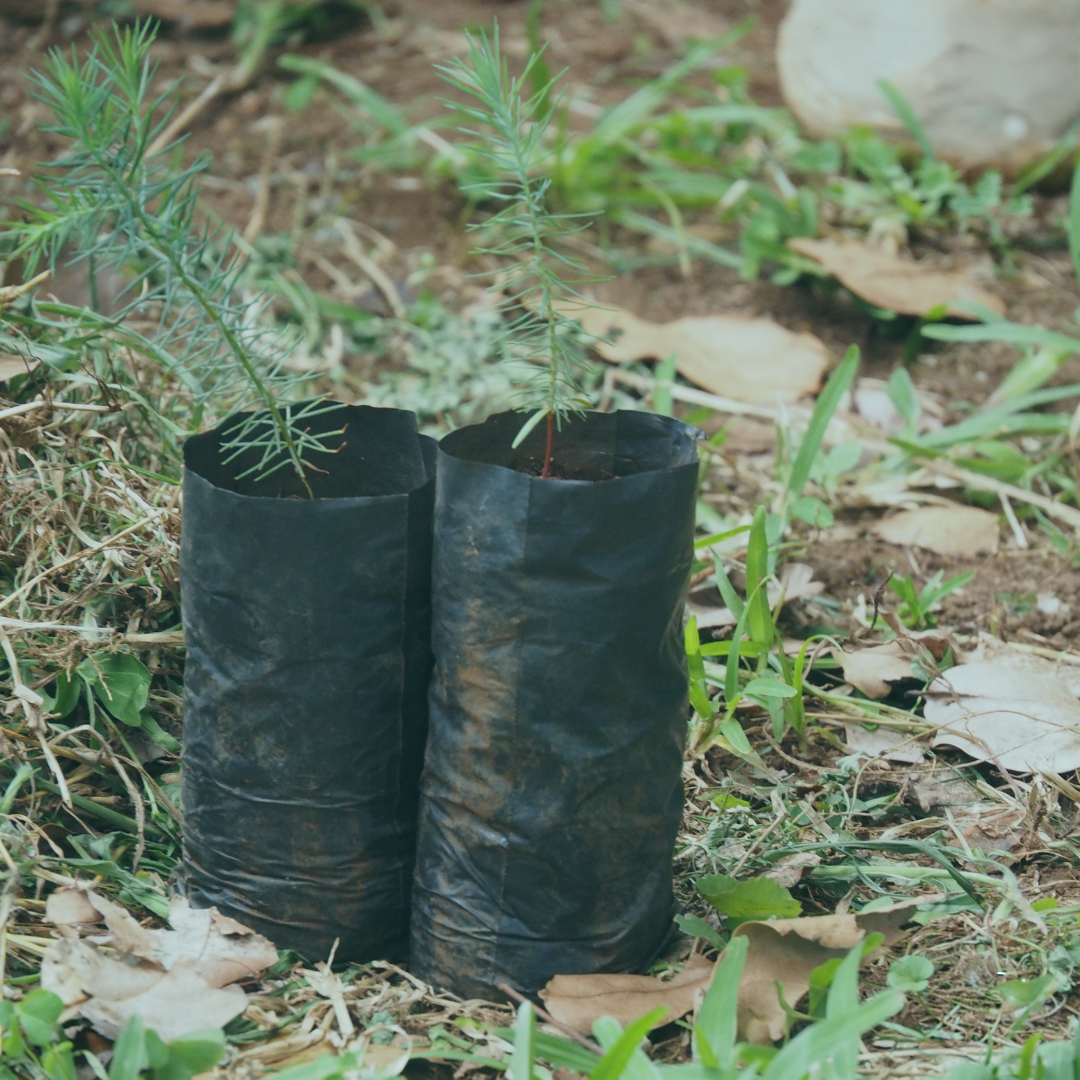
At the end of the training, Mulanje cedar seedlings were planted using different planting techniques (recommended versus standard and bad practices) to act as a demonstration for future visitors on the impact of different planting practices. A total of 10 seedlings were planted in plots that can be monitored easily.
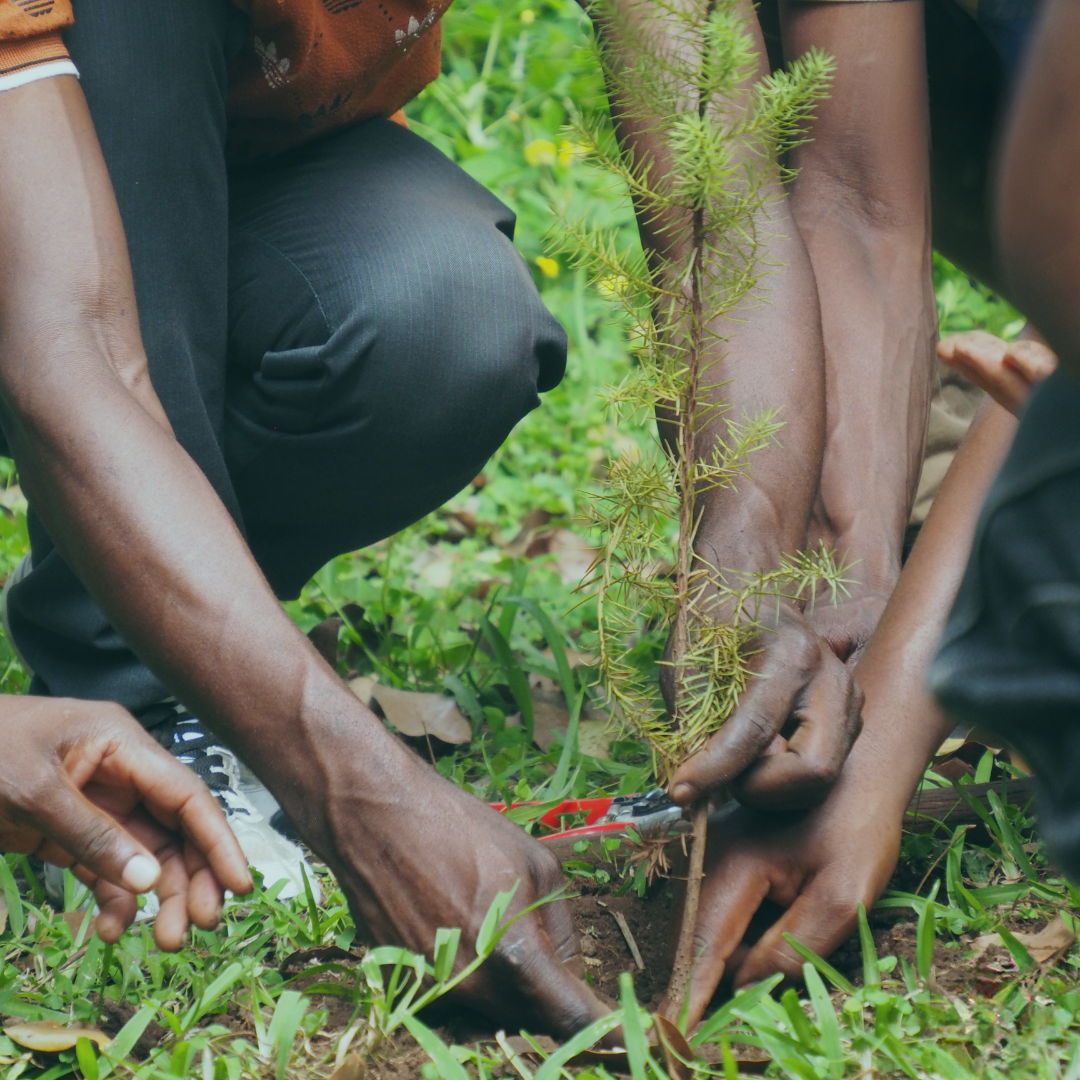
Planting fieldwork was then carried out for 5 days on the mountain in January. Eight other community members also joined the fieldwork to support site preparation and establishment. Five trial plots were established and data collected.
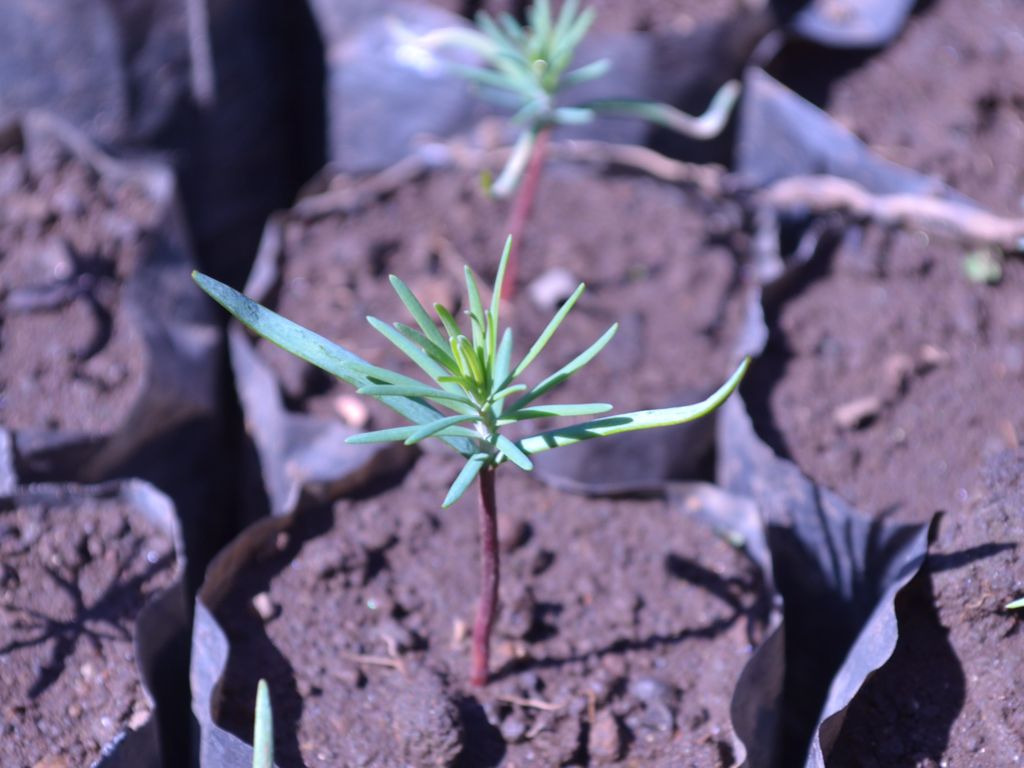
Additionally, 503 Mulanje Cedar trees and 1,559 individuals of 6 fire tolerant thick species (Kotschya thymodora, Tecomaria capensis, Buddleja salvifolia, Hypericum revolutum, Dodonea viscosa, Plectranthus sp.) were also planted as fire breaks, in addition to naturally occurring individuals in the areas selected for the plots. Data was then recollected in April by the MMCT team, showing an initial survival of roughly 92%. Data is being re-collected by MMCT using their own funds to assess the year on survival.