Conservation of Jatropha riojae, Mexico
-
Status of project
Completed -
Region
North America -
Country
United States of America -
Programme
BGCI -
Workstream
Saving Plants -
Topic
Plant Conservation -
Type
Grant
Conservation of Jatropha riojae
Project Status: Completed 2025
Funded by: The Global Botanic Garden Fund
Project Partner: Jardín Botánico Universitario de la Benemérita Universidad Autónoma de Puebla (JBU-BUAP)
Introduction
Jatropha riojae is a small endangered tree endemic to a small area of Puebla state, Mexico. A thorough exploration of the area in which it grows has never been undertaken, so this project was designed to evaluate the distribution of the species. This project aligns with the aims of the Botanic Garden BUAP, with the focus on documenting and collecting threatened species in order to conserve them within the garden.
Project Goals
The aim of the project was to effectively conserve Jatropha riojae by mapping its current distribution and collecting propagating material from each population.
Key Achievements
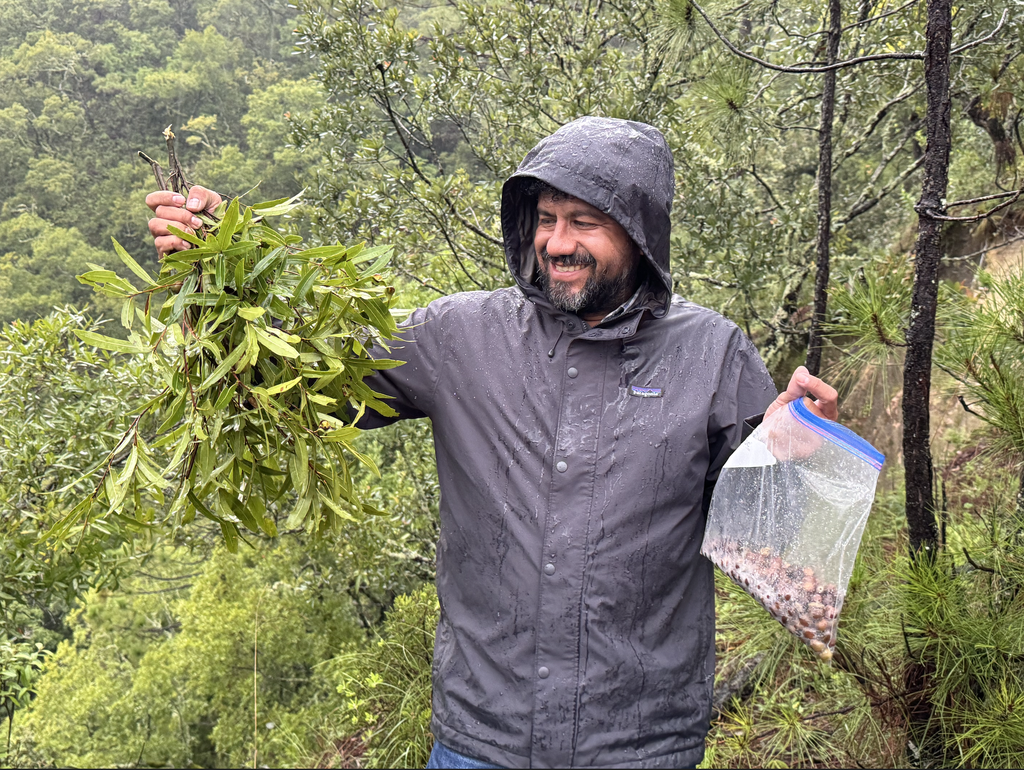
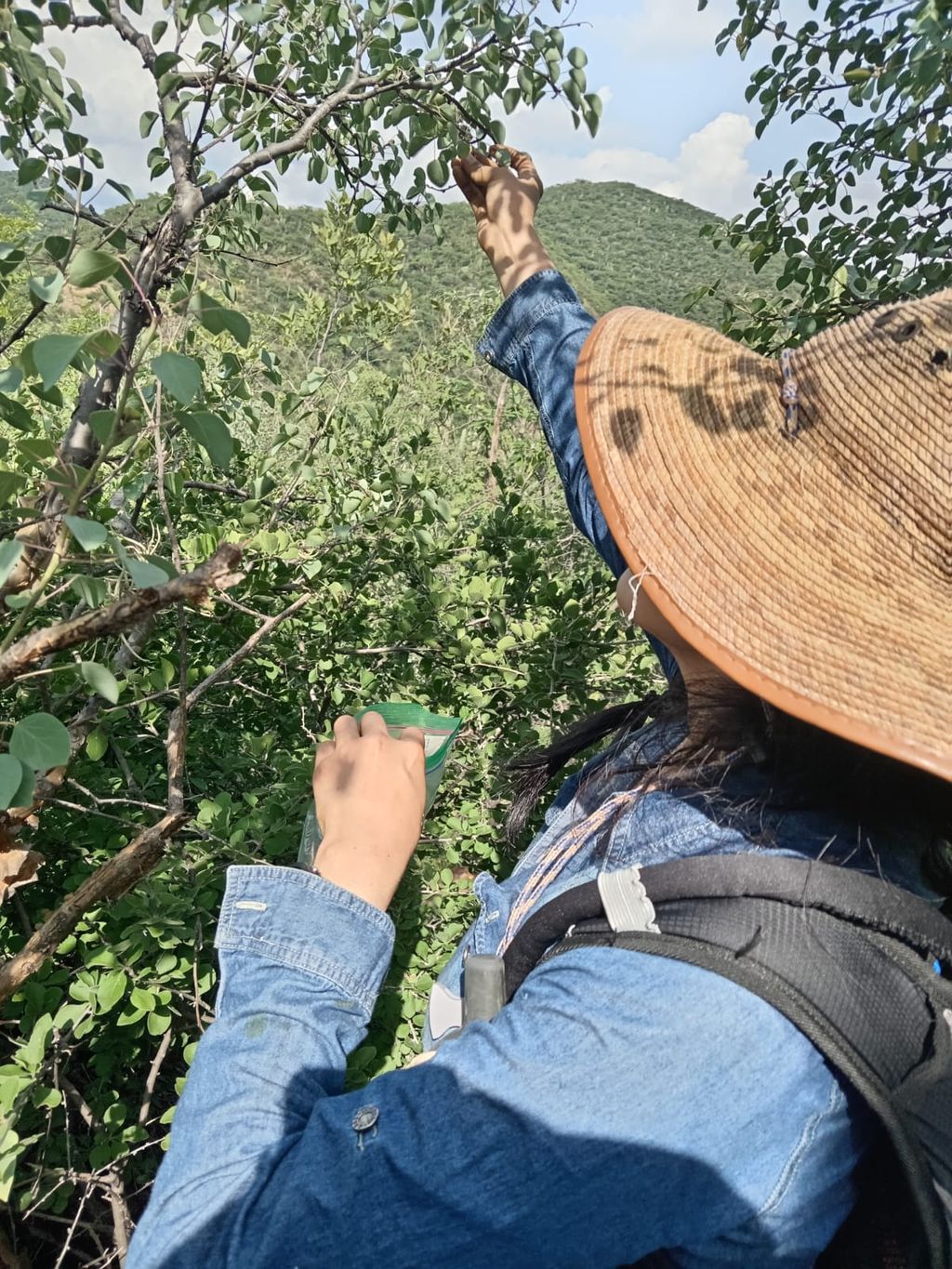
Field trips were carried out to identify localities where Jatropha riojae occurs. Three sites had previously been identified from herbarium specimens, and a fourth location was confirmed during this project. Herbarium specimens were collected to verify the species identification and were deposited at the Herbarium and Botanic Garden BUAP. Coordinates were recorded for each specimen to enable the production of distribution maps.
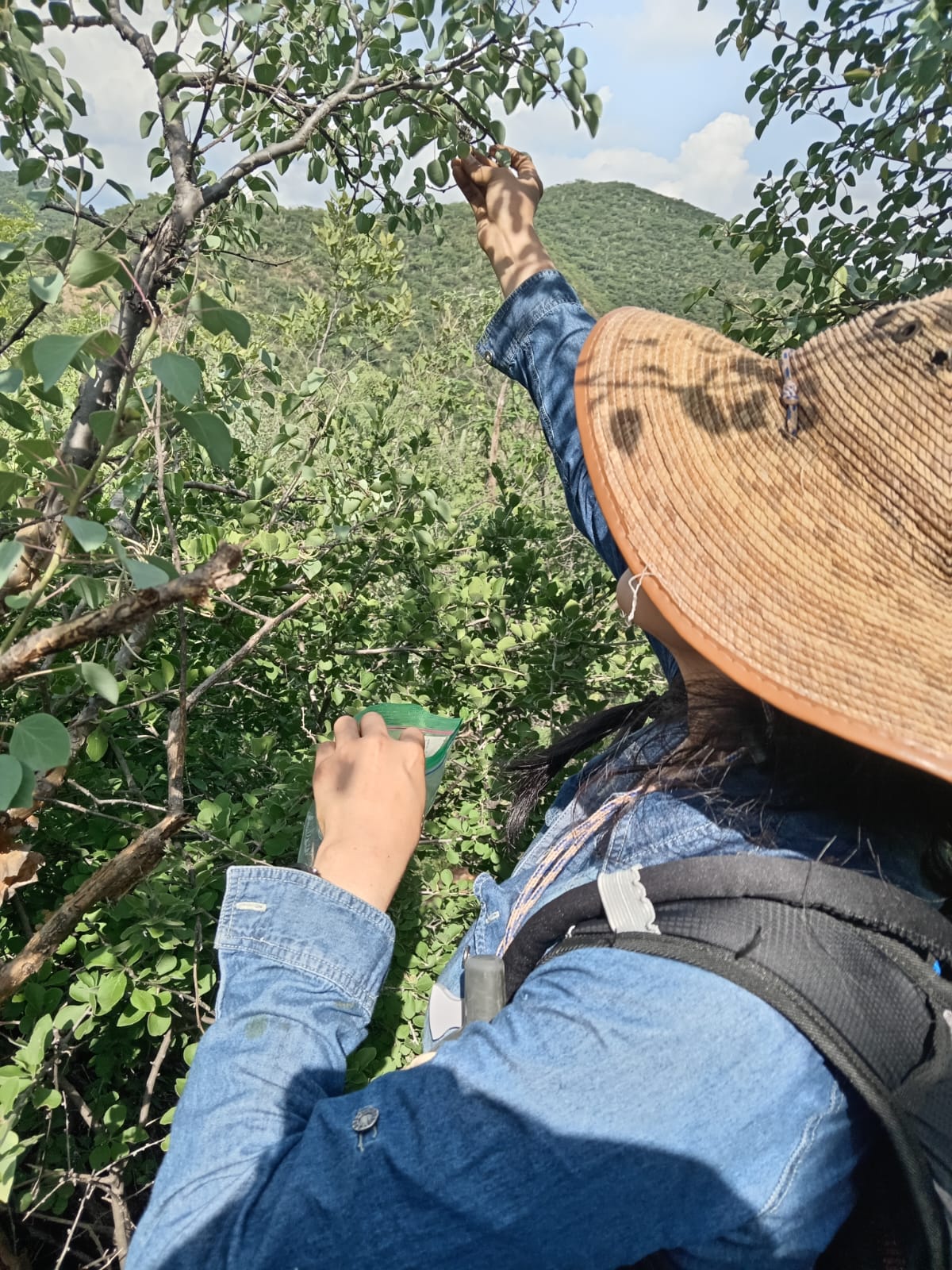
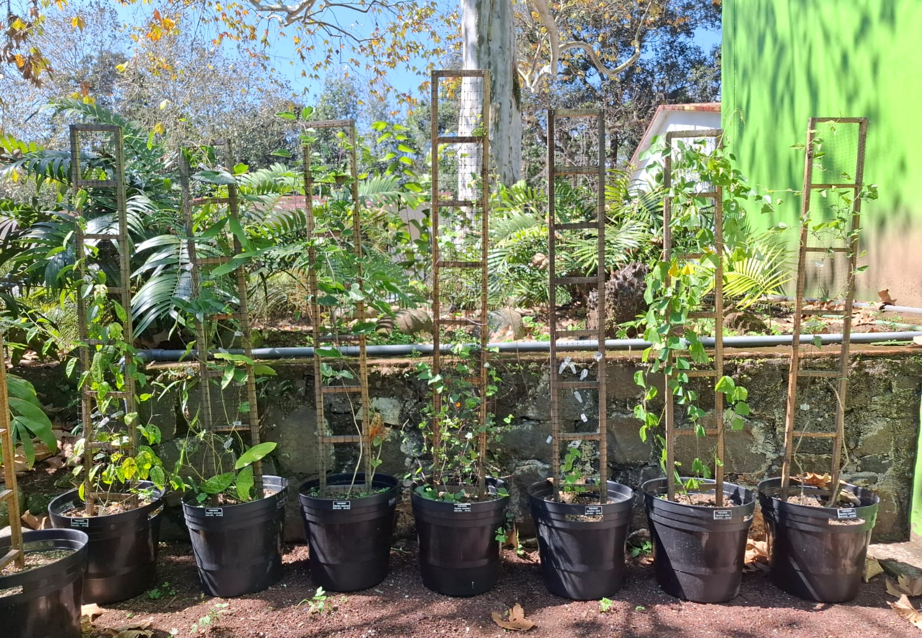
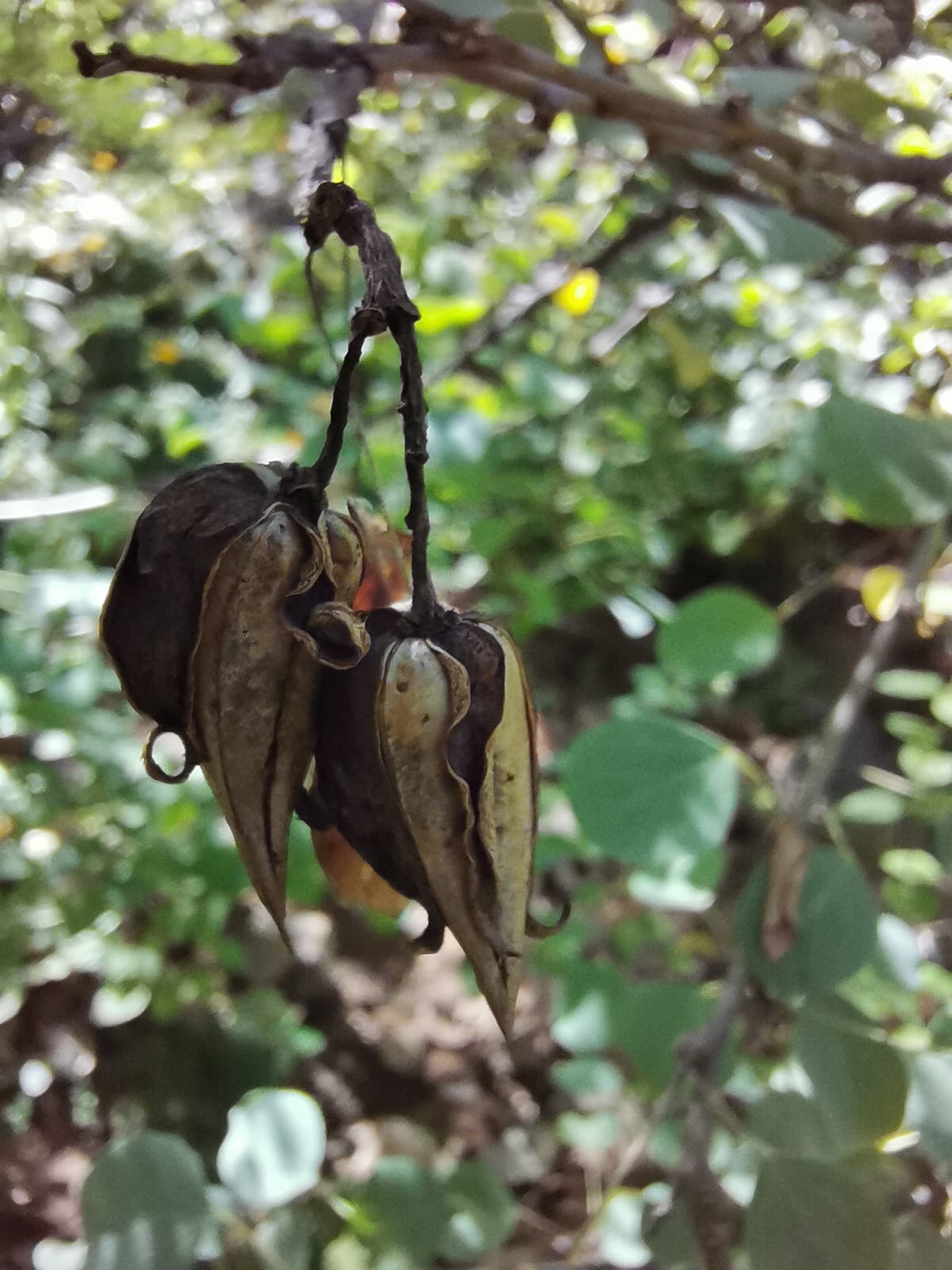
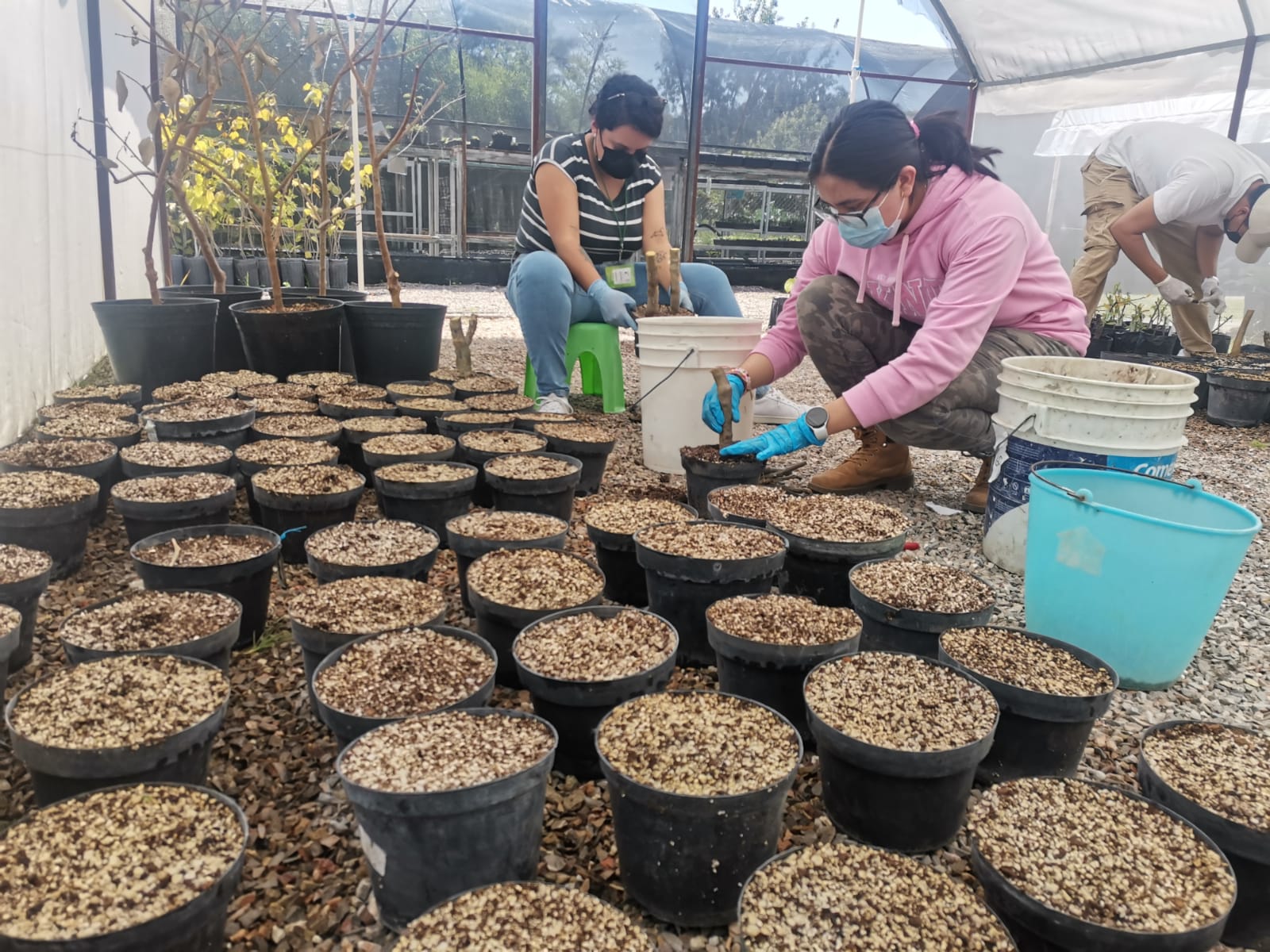
Propagation material, including cuttings and seeds where available, was collected from each site. All material was documented and its identity confirmed before propagation trials began. Although the collected seeds failed to germinate because of fungal contamination, the cuttings achieved a 45% success rate. These plants will be transferred to the living collection once they are more established.
Watch a video from the team here: