Conservation of Endangered Conifers of Northeast Mexico
-
Status of project
Completed -
Region
North America -
Country
Mexico -
Programme
BGCI -
Workstream
Saving Plants -
Topic
Tree Conservation
Towards the establishment of an ex situ living germplasm programme for the endangered
conifers of Northeast Mexico
Project Status: Completed 2025
Funded by: he Friends of Bedgebury National Pinetum (Forestry England) via the Global Botanic Garden Fund
Project Partner: Universidad Autónoma de Nuevo León
Introduction
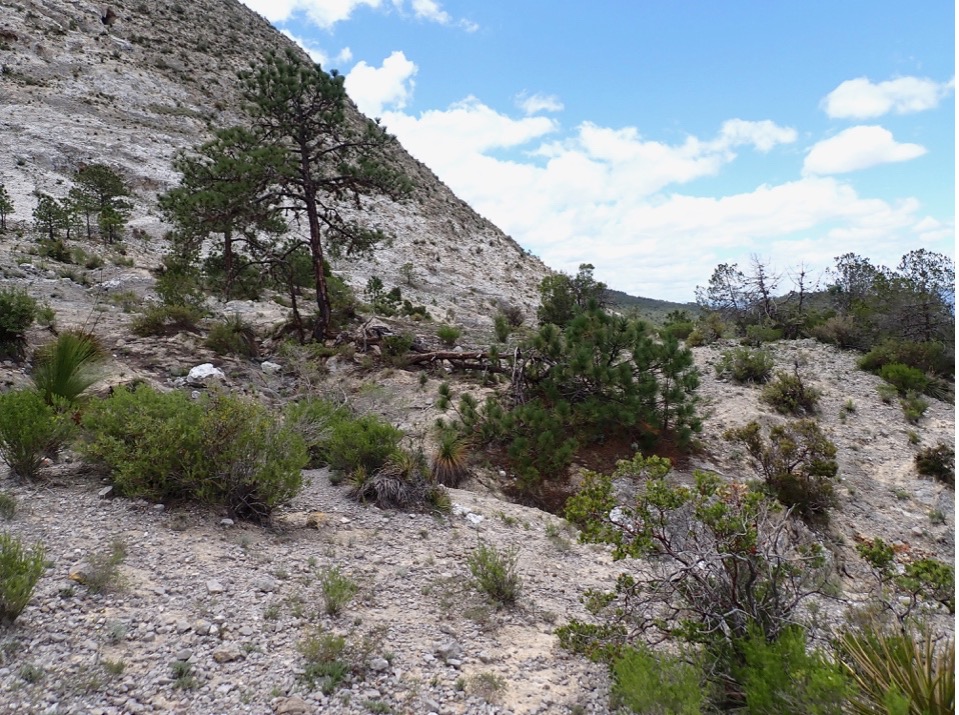
The Northeast of Mexico is one of the most hostile natural environments for conifer establishment in the country. A severe desertification scenario and an increase in forest fires threat the survival of conifers in the region. The Universidad Autónoma de Nuevo Leon is currently collaborating with federal agencies in the design of conservation strategies aiming to preserve our natural resources. These actions come with a sense of urgency as the Northeast region of the country has faced severe climatic hardship in the last decade, affecting the temperate forests where our endemic conifers reside the most.
Project Goals
The project aimed to establish an ex situ conservation program for endangered and endemic conifer species in Northeast Mexico by systematically collecting and documenting seeds and assessing their viability under laboratory conditions. In parallel, the project sought to build and strengthen collaborations with nurseries, academic institutions, and botanic gardens to support seed germination, seedling production, and the development of living germplasm collections, thereby enhancing long-term conservation capacity for threatened conifers.
Key Achievements
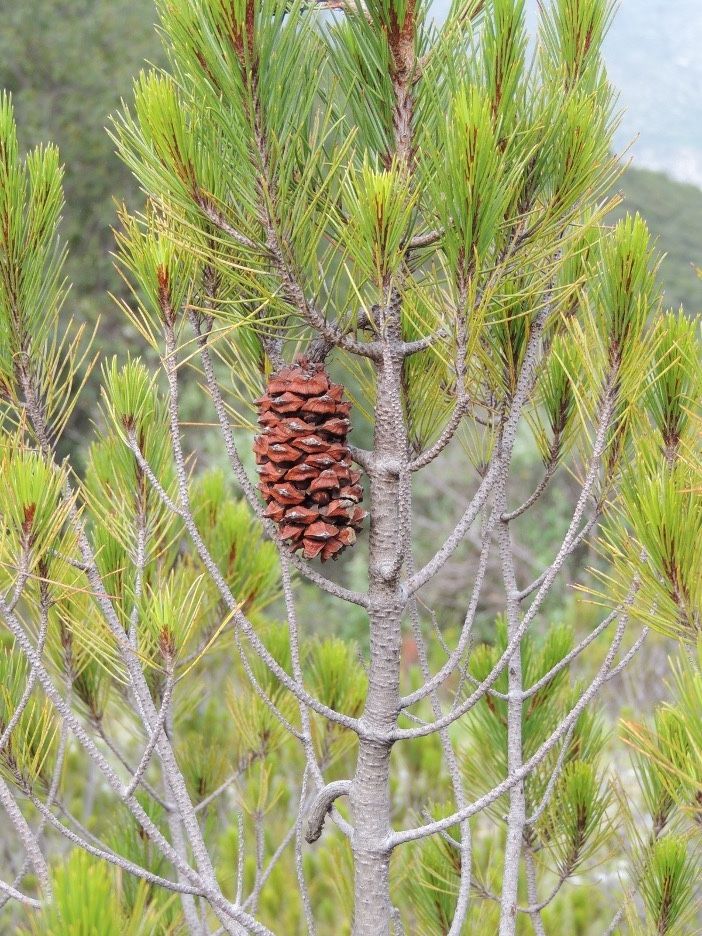
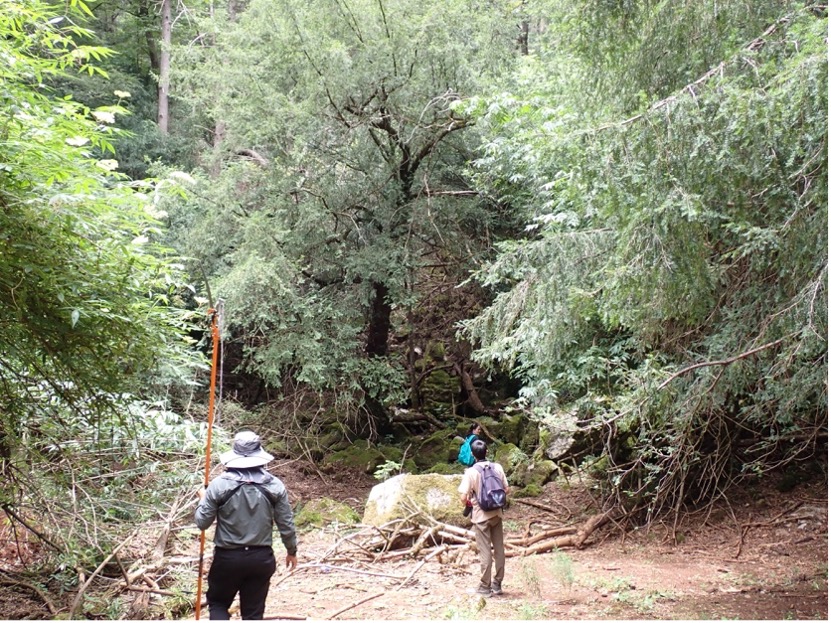
Successful germplasm collections were made for three target species—Pinus culminicola, Pinus nelsonii, and Picea mexicana—with proper georeferencing, documentation, and seed storage following standard conservation protocols.
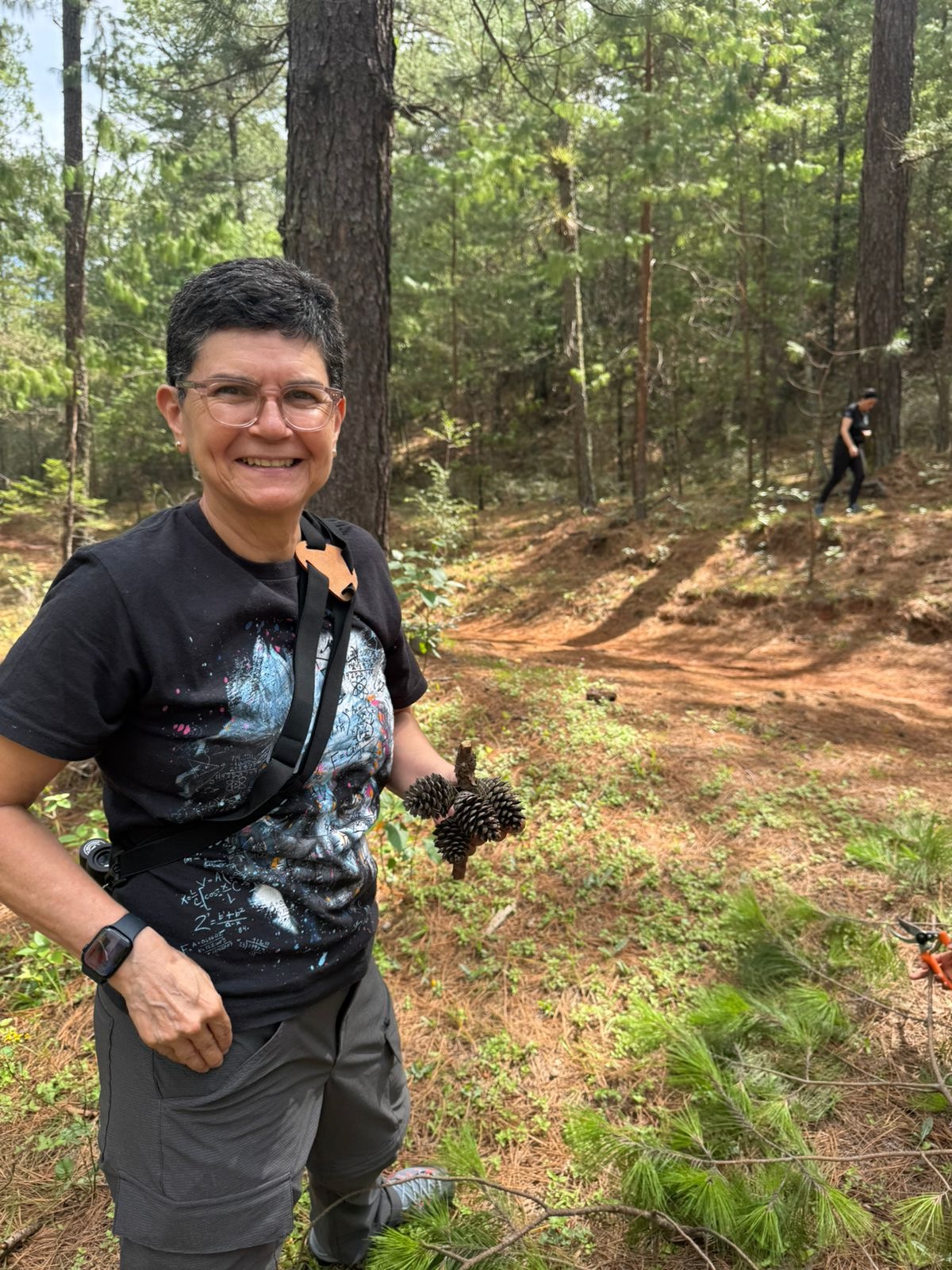
However, seed production in other target taxa was absent or minimal due to factors such as climatic stress, fire, and population decline. Laboratory viability testing revealed variable results, with moderate viability in Pinus culminicola (43%), lower viability in Picea martinezii (18.5%), and extremely low viability in Pinus nelsonii (2%). These findings highlight significant constraints on seed-based conservation for some species and emphasize the need for complementary ex situ strategies.
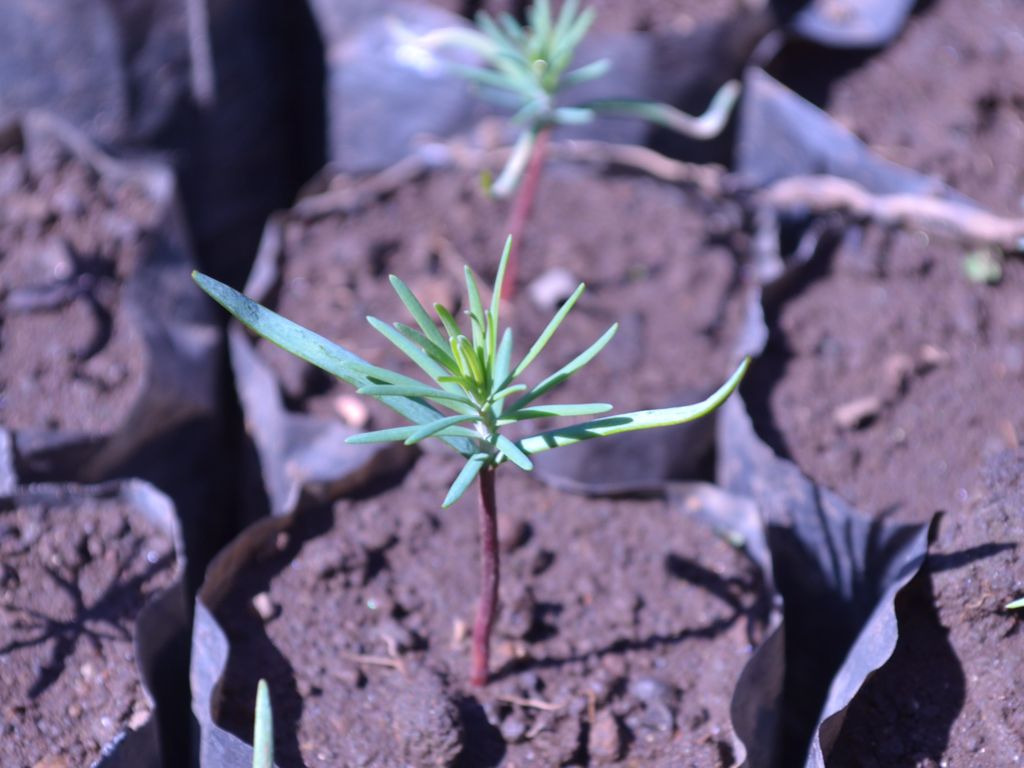
Collaborations were established and strengthened with key partners, including the Fondo Ambiental Metropolitano de Monterrey, the forest nursery of the Universidad Autónoma de Nuevo León, and the Royal Botanic Garden Edinburgh, to support seed germination, seedling production, and the conservation of living germplasm. While limited seed availability and low viability constrained large-scale propagation during the project period, these partnerships establish a strong foundation for future efforts as more viable material becomes available. Additional progress was made through collaboration with the Amigos de la Sierra, which provided seedlings of Pinus culminicola for restoration initiatives, offering an important complementary ex situ pathway. Collectively, this network builds long-term capacity for coordinated propagation, exchange, and conservation of threatened conifer species in Northeast Mexico.