Assessing the health of Magnolia silvioi, Medellín
-
Status of project
Completed -
Region
Latin America and the Caribbean -
Country
Colombia -
Programme
BGCI -
Workstream
Saving Plants -
Topic
Tree Conservation
Integrating horticultural practices and conservation strategies for Magnolia silvioi in urban
environments of Medellín, Colombia
Project Status: Completed 2025
Funded by: The Leon Levy Native Plant Preserve via the Global Botanic Garden Fund
Project Partner: Jardín Botánico de Medellín
Introduction
Magnolia silvioi is endangered in Medellín’s Aburrá Valley and assessments are needed to identify pathogens affecting the species both in the Botanical Garden of Medellín (BGM) and urban areas.
Project Goals
This project aimed to isolate and identify pathogens from at least 10 symptomatic trees, and monitor growth and development of 100 planted trees while analysing environmental factors. In addition, community engagement and educational activities at BGM will raise public awareness and support sustainable urban biodiversity management.
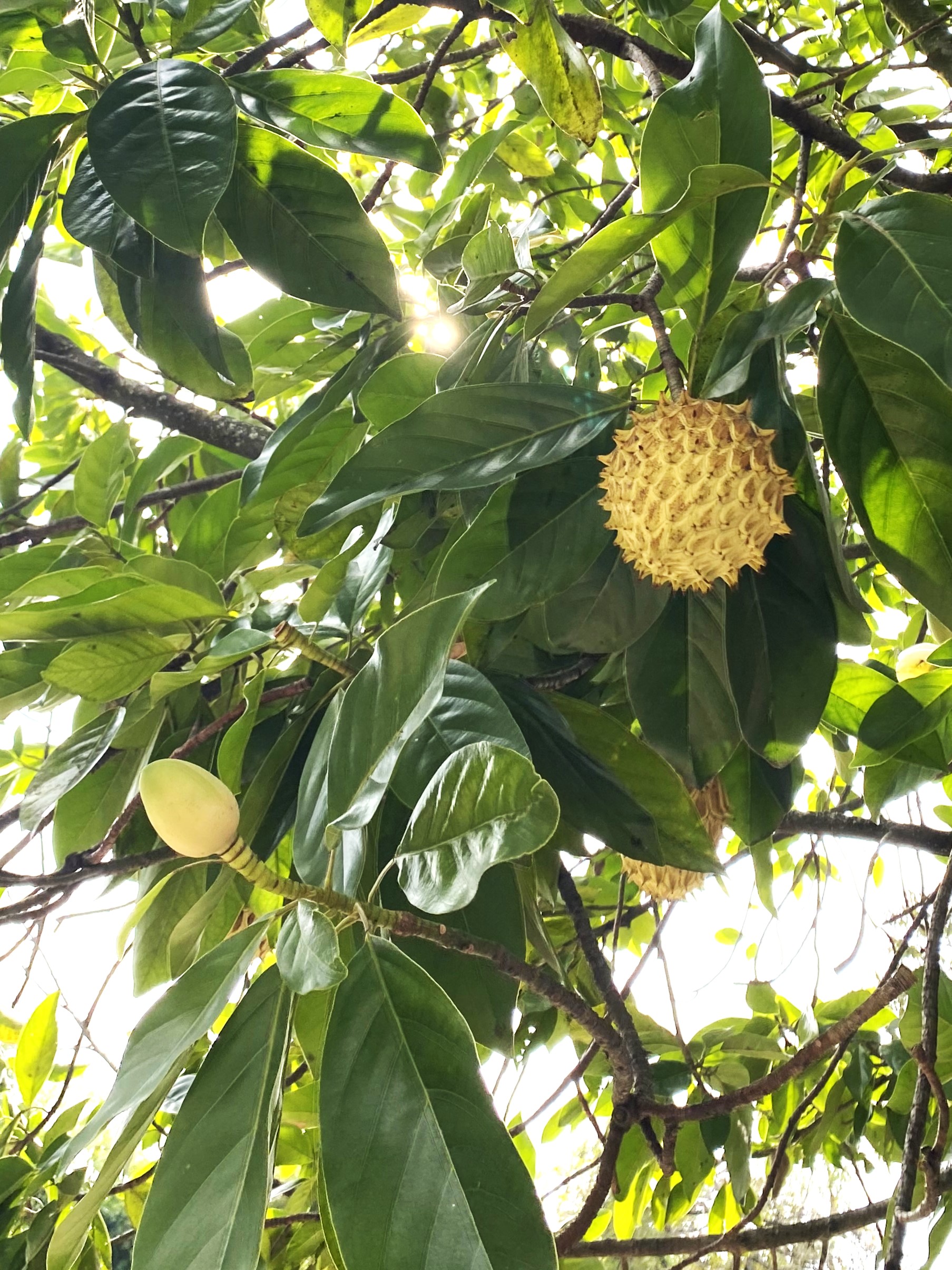
Key Achievements
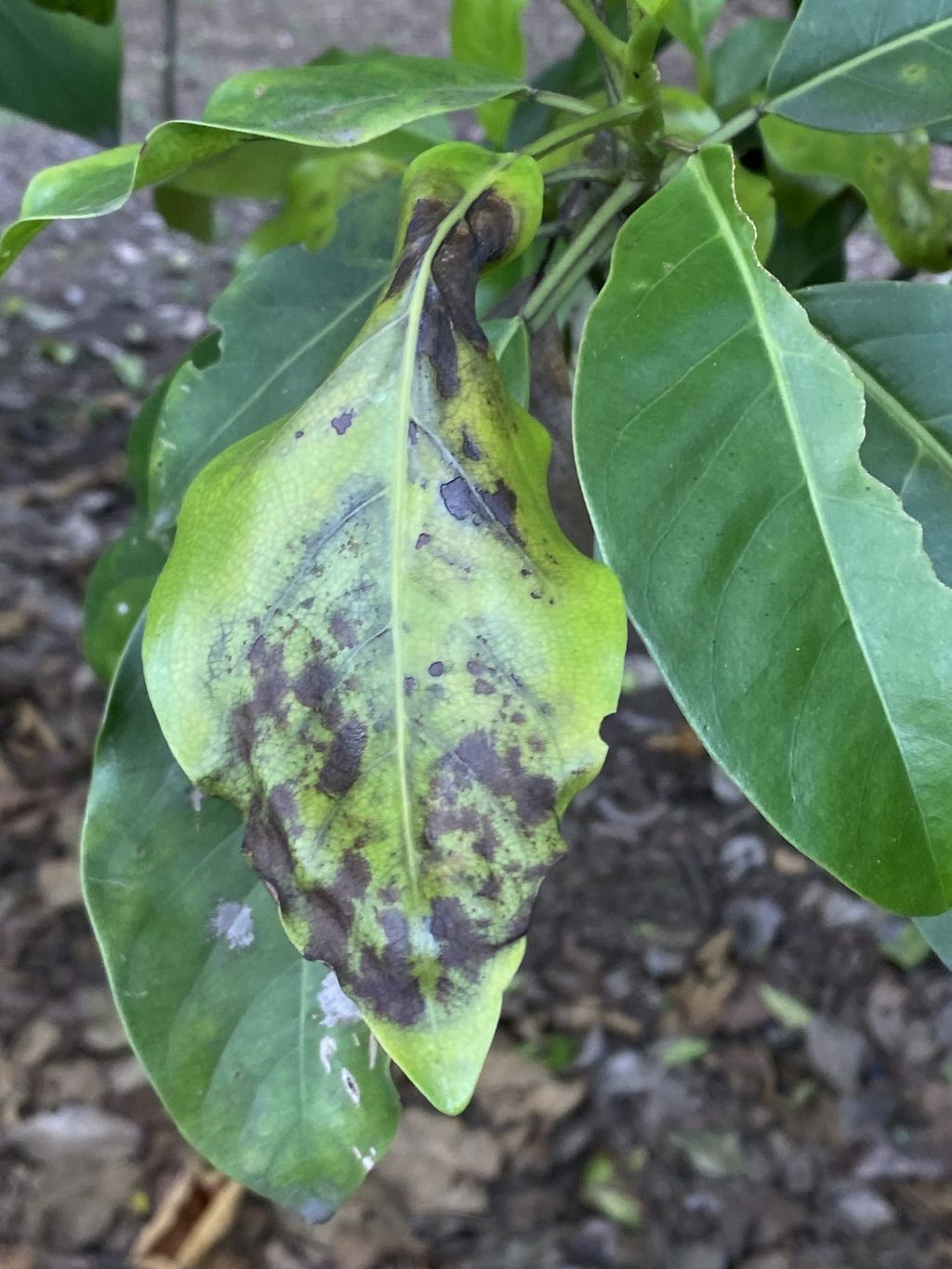
Field surveys identified Magnolia silvioi individuals showing symptoms like leaf necrosis, wilt, and branch dieback, as well as healthy trees. Samples from 10 symptomatic and 2 asymptomatic trees in the Botanical Garden of Medellín and urban sites were collected. Classical microbiological techniques isolated fungi, bacteria, and nematodes.
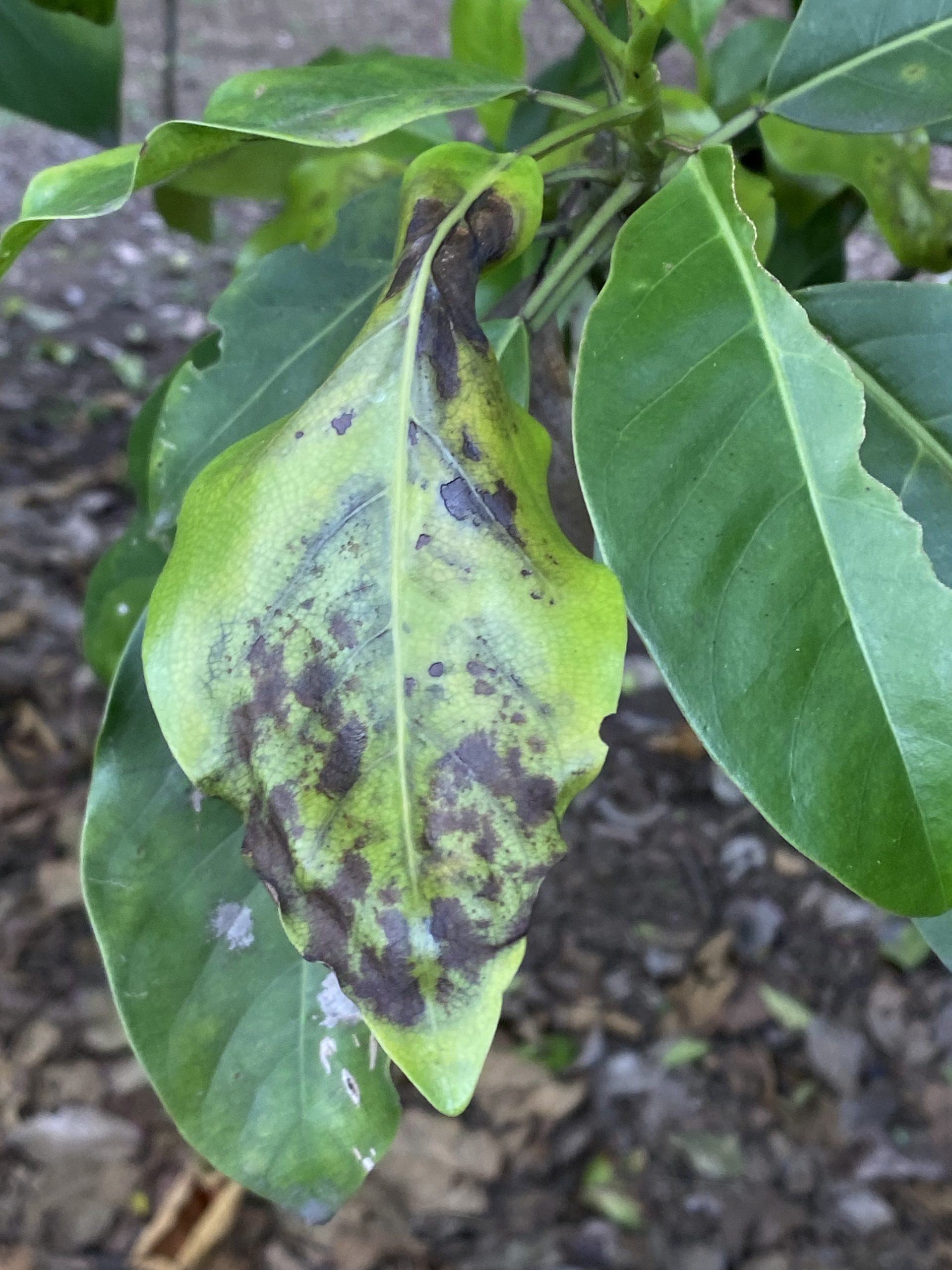
Pathogens identified included Colletotrichum, Fusarium, Alternaria, Cladiospora, Helicotylenchus nematodes, and Gram-negative bacteria. Sensitivity tests showed chemical fungicides like Azimut and Furtivo effectively suppressed Fusarium, while Bélico and Antracol controlled Colletotrichum. Biological formulations, Subticrop and Safersoil, reduced fungal growth by over 50%, indicating potential for integrated chemical and biological control. Further field trials are advised to validate results and assess ecological impacts.
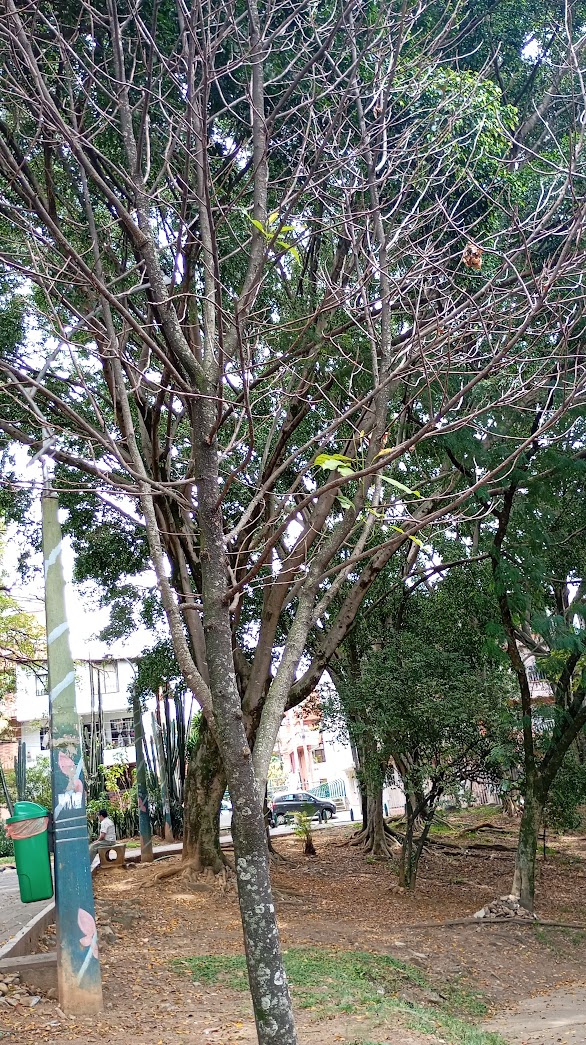
Using the Urban Tree System (SAU), 583 Magnolia silvioi were located in Medellín; 127 were “not found,” indicating a 21.8% mortality. Field assessments of 178 trees showed 58.6% dead and only 29.1% alive, with half of the survivors showing health issues. A Random Forest model identified six key mortality predictors: elevation, pollution, number of interventions, environment, pruning, and slope. Frequent interventions—such as pruning and phytosanitary care—were linked to increased survival, emphasizing the importance of active management.