Stronger Together: Why Botanic Gardens and Genebanks Must Join Forces on Food Plants
Programme
Global Conservation Consortia
Topic
Plant Conservation
Type
News
Source
BGCI
News published: 24 September 2026
Published today an important new opinion paper in Plants, People, Planet describes why food plant diversity matters, and outlines a vision of collaboration to better protect, mobilize, and raise awareness about food plant conservation.
“Food plant diversity is fundamental to food security, human nutrition and our ability to adapt agriculture to a changing climate. Genebanks and botanic gardens hold complementary collections, knowledge and expertise, but historically these communities have not worked closely enough together. This important paper sets out how greater coordination can close conservation gaps and make this diversity more accessible for research, breeding and sustainable use. Through the Global Conservation Consortium for Food Plants, BGCI is delighted to help turn this shared vision into coordinated global action.”
— Dr Carly Cowell, Secretary General, Botanic Gardens Conservation International (BGCI)
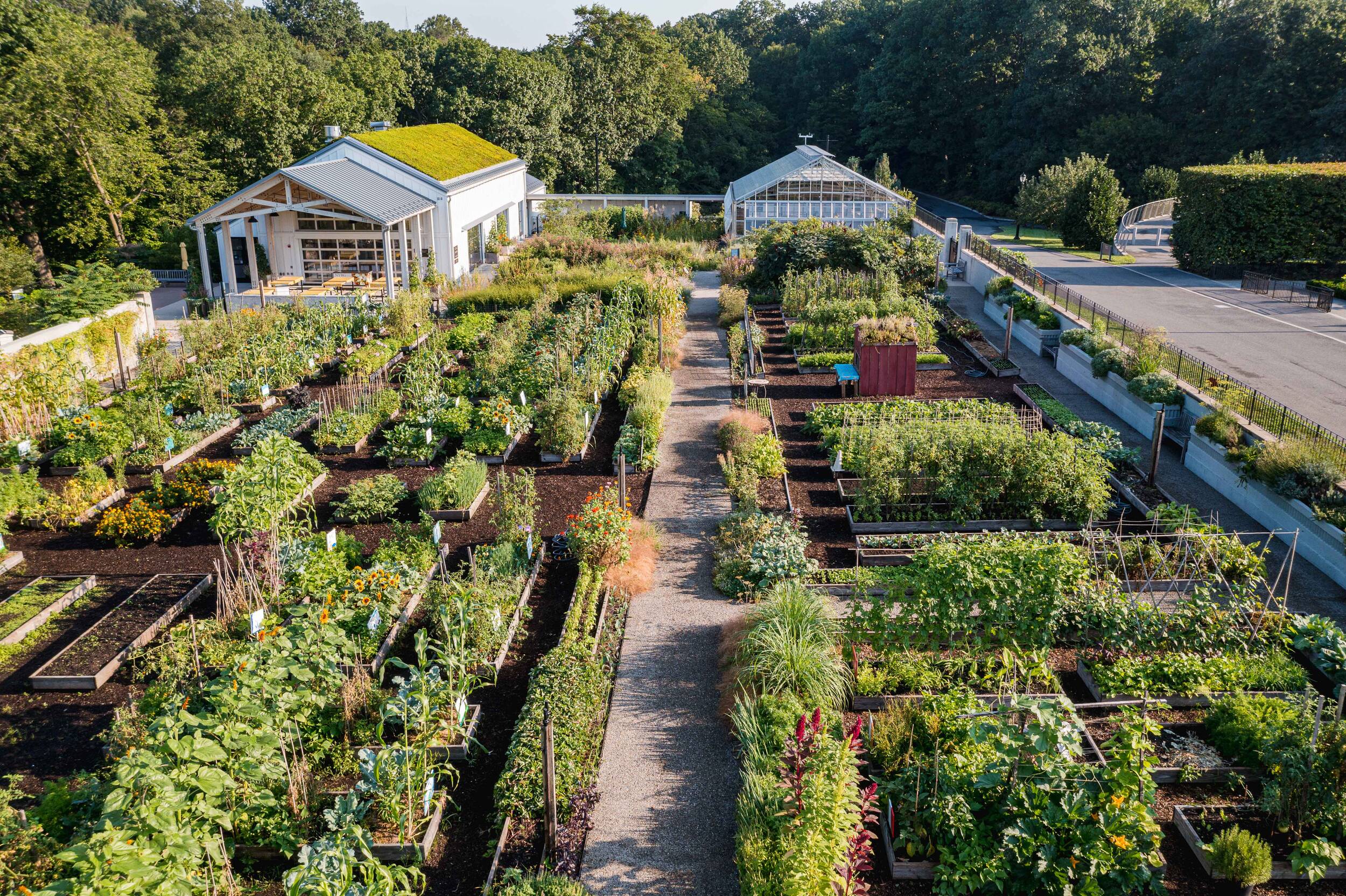
Edible Academy, NYBG
The new opinion paper in Plants, People, Planet argues that the world’s two main plant conservation communities, botanic gardens and genebanks, need to work far more closely together to protect the plants that feed us. More than 30 researchers, leaders and experts from both sectors wrote it. Botanic Gardens Conservation International (BGCI) supports the paper’s call and encourages everyone working in botanic gardens to read it.
The paper’s lead author, Colin Khoury, has worked in both communities: first in genebanks, and more recently in botanic gardens. He sums up the case in an accompanying NYBG blog post: the two sectors already hold a great deal of plant diversity between them, and together they could do much more.
Botanic gardens hold over 100,000 species in living collections and seed banks. They also curate more than 150 million herbarium specimens and welcome over 750 million visitors every year. Nearly a thousand genebanks around the world hold over 6 million accessions. These are mainly crops, but also include their wild relatives and other useful wild plants. Genebanks send out more than half a million samples a year to researchers and plant breeders.
Even so, most plant species are still not protected in either a garden or a genebank, and more of them are becoming threatened. Food plants are part of that gap, as are the wild relatives and underused species that could make food systems more nutritious and resilient.
What each side brings
The paper’s central point is that the two sectors complement each other. Their collections overlap only partly, their science and public engagement fit together, and they largely draw on different funding. By working together, genebanks gain wider botanical knowledge, new collecting and conservation partners, and more public visibility. Botanic gardens gain access to well-developed conservation and data infrastructure, and a more direct role in the crop research and breeding that underpin global food security.
The authors acknowledge the obstacles. The sectors have grown up under different policy frameworks, government agencies, accreditation schemes, networks and data systems. They argue these can be aligned. With funding tightening and public awareness of plants’ importance fading, they see the cost of staying apart as too high.
The consortium to help make it happen
The paper also highlights the Global Conservation Consortium for Food Plants (GCCFP) as part of the solution to better collaboration. The consortium brings botanic gardens, genebanks and other sectors together to understand, conserve, use and raise awareness of food plant diversity. It is led by the New York Botanical Garden, in collaboration with BGCI and strategic partners including the Global Crop Diversity Trust, the United States Botanic Garden, the Secretariat of the International Treaty on Plant Genetic Resources for Food and Agriculture, the Alliance of Biodiversity International and CIAT, CGIAR, the Royal Botanic Gardens, Kew, and Gothenburg Botanical Garden .
The consortium builds on BGCI’s Global Conservation Consortia model and extends it to the aligned seed bank, crop research & wild crop relative conservation communities. This is also the first ‘themed’ based GCC (vis-à-vis other taxonomic focused GCCs) and may reflect a key future expansion path for plant conservation. It reflects something BGCI has long believed: the plant conservation challenge is too large for any one sector to meet alone.
Read the papers
We encourage curators, horticulturists, seed bank managers, scientists and educators across the botanic garden community to read the paper. Consider what it means for your own collections, data and partnerships, and where your garden might connect with the genebanks near you.