IPSN UK Network In-Person Meeting: Sharing Ideas & Strengthening Biosecurity
-
Country
United Kingdom -
Region
Europe -
Programme
International Plant Sentinel Network -
Workstream
Saving Plants -
Topic
Plant Conservation -
Type
News -
Source
BGCI
News Published: 24 September 2026
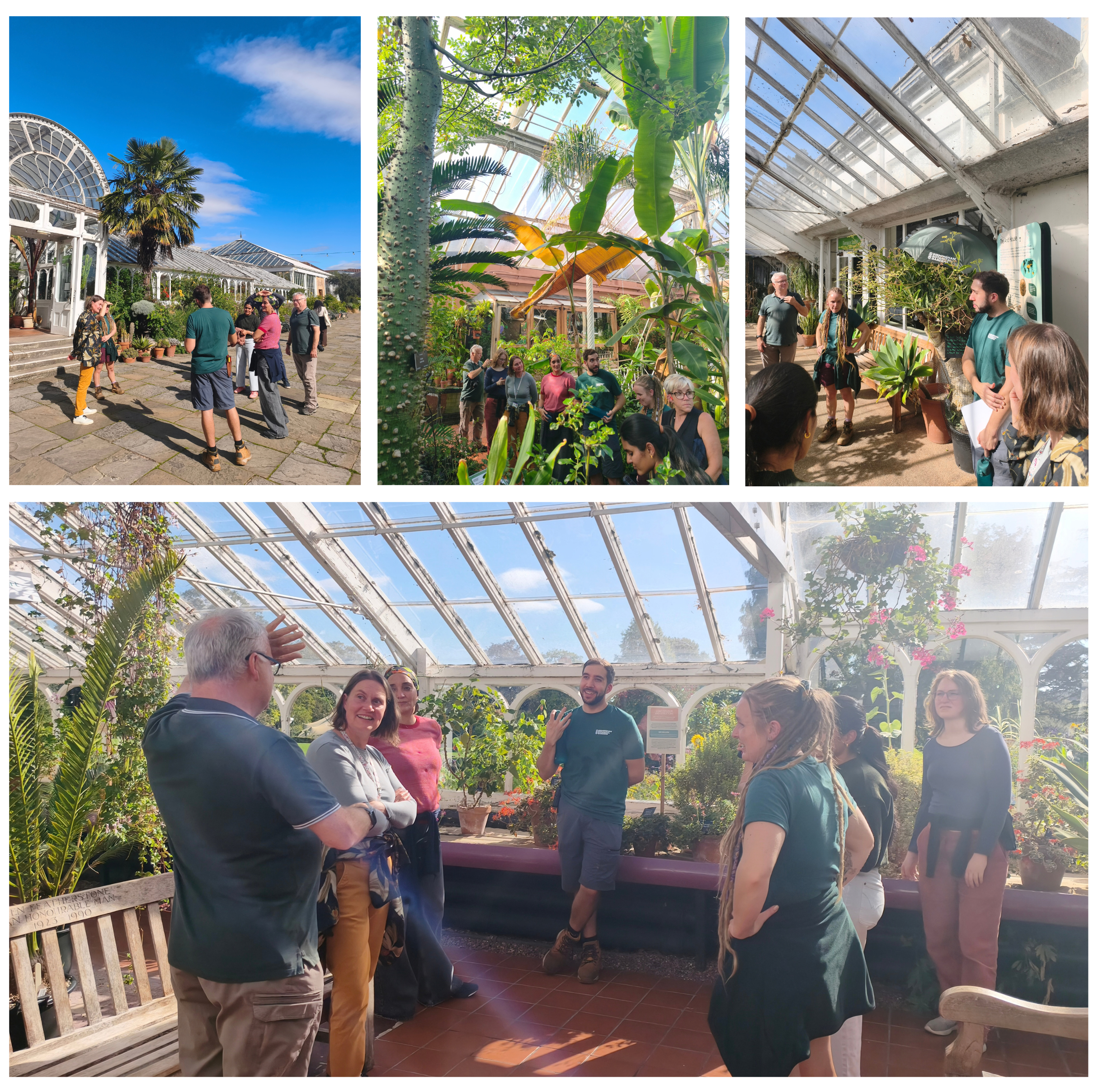
On the last day of summer, 21 September, IPSN members and partners from across the UK came together at Birmingham Botanic Gardens to share updates, explore practical approaches to biosecurity, discuss key plant health issues, and enjoy a tour of the Gardens’ Glasshouses.
Six organisations joined us in person, making it a great opportunity to catch up, share experiences and learn from each other.
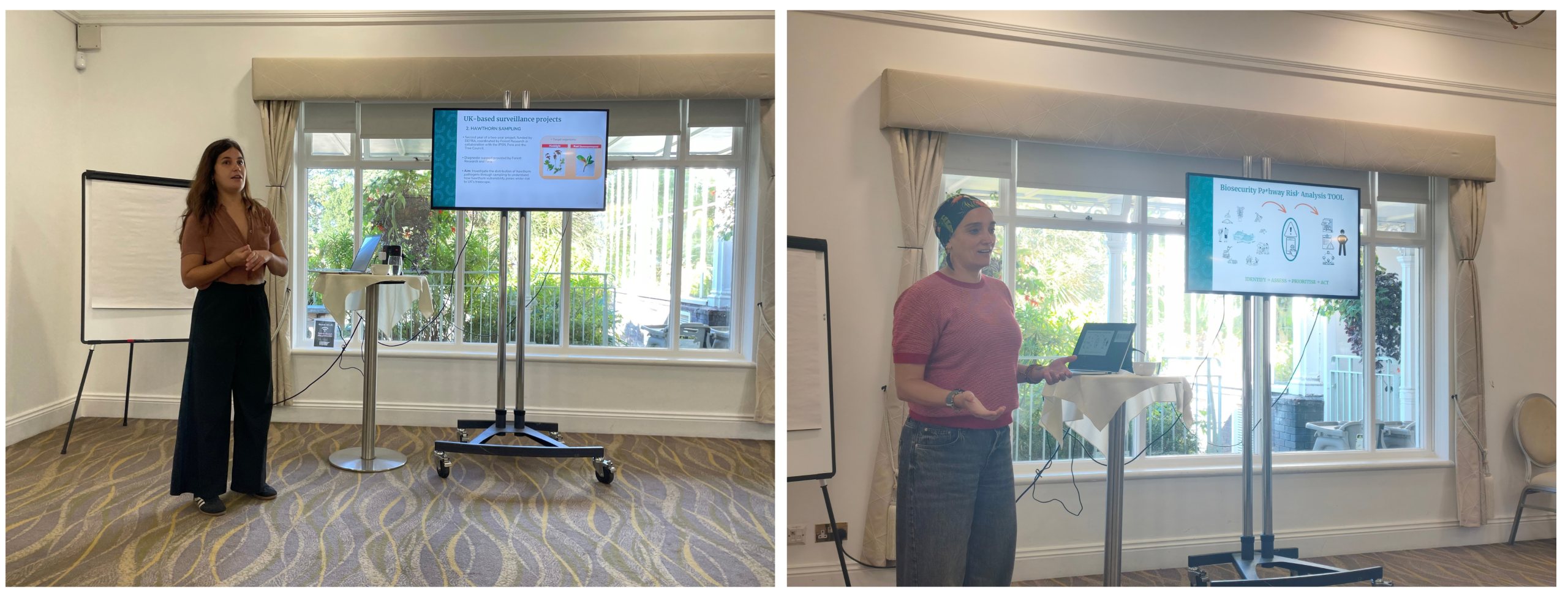
We started the day with the most recent IPSN updates, including national and international surveillance activities, new resources and tools in development, and capacity-building and communication news.
Pests and diseases in focus
The day continued with presentations on ongoing projects focusing on important pests and diseases affecting plant collections.
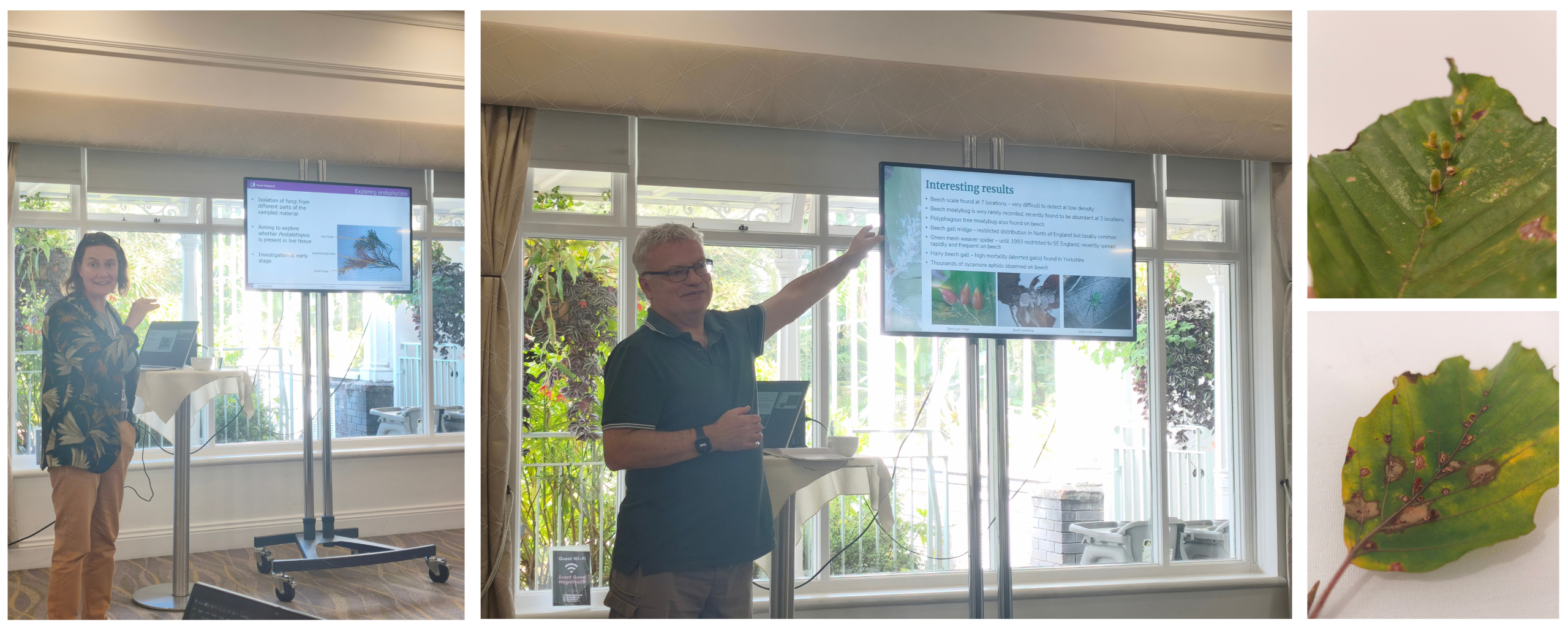
Caroline Gorton from Forest Research presented her work on investigating the progressive decline of conifers, particularly Cupressaceae, associated with the endophytic fungus Pestalotiopsis. The work forms part of an IPSN Small Grants project with Bedgebury and Westonbirt Arboreta, which is developing a photographic guide to help collection managers monitor and assess conifer dieback in living collections. Initial results suggest that this emerging threat could become a growing concern, as changing climate conditions may have a significant impact on conifers.
Chris Malumphy from Fera provided an overview of pests and diseases affecting beech trees in the UK, as part of the IPSN-coordinated UK-level beech survey. This initiative focuses on surveying two target diseases — beech leaf disease and Petrakia, which has not yet been detected in the UK — and two target pests: beech scale and woolly beech aphid, both of which are found in the UK. The survey is also providing records of other pests and diseases observed during inspections, such as red spider mite, beech erineum mite and hairy beech gall.
The emerging threat from thrips was also highlighted, with the greenhouse thrips escaping into the outdoors collections and becoming an increasing concern for gardens and plant collections in the UK as climate conditions change.
Putting biosecurity into practice
We then had a session focused on biosecurity, a key theme of interest highlighted by many IPSN members and partners.
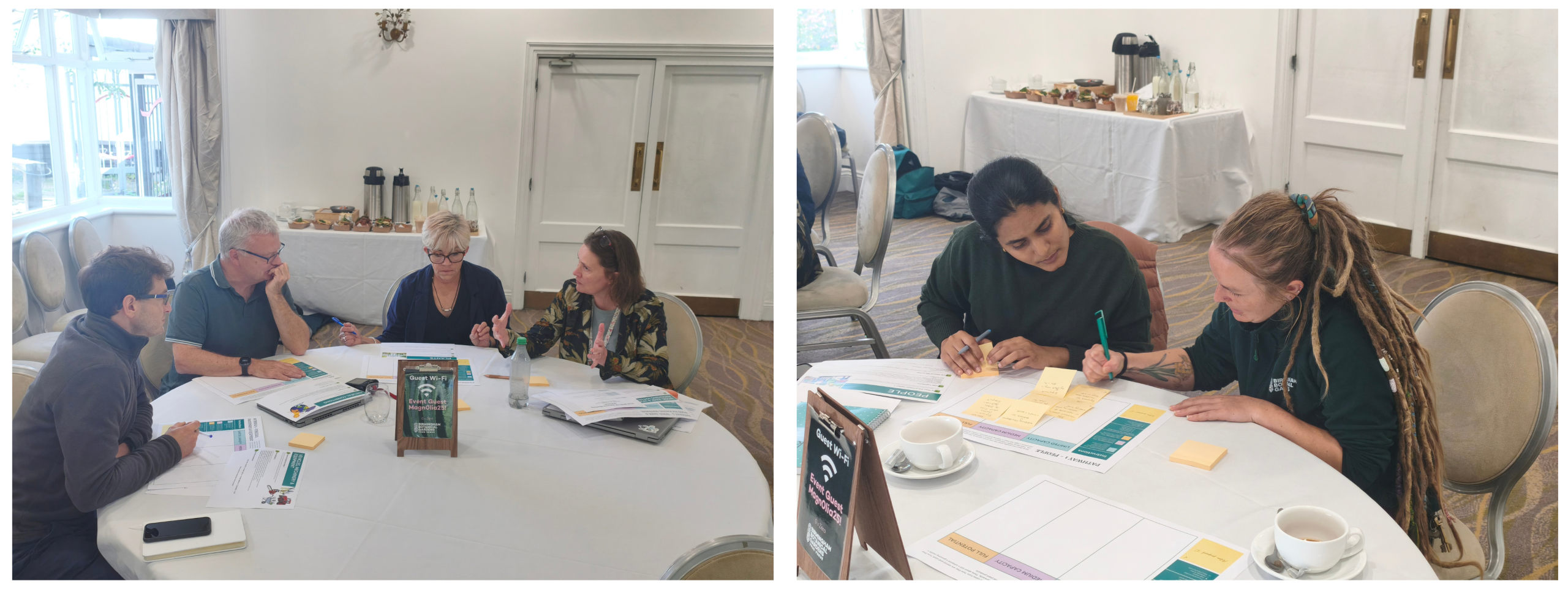
A central part of the session was an interactive activity to help develop the Biosecurity Pathways Risk Analysis Tool — a digital tool designed to help plant collection organisations identify and manage potential pathways of introduction and spread of pests and pathogens in living collections.
The session built on previous work by the Tree Health Centre at Castle Howard Arboretum, which developed information materials to help understand the key pathways and explored possible mitigation measures. Participants reviewed the different pathways — people, plants and plant products, wood products and packaging, vehicles, machinery and equipment, and natural environment — and considered mitigation actions that could be implemented depending on the resources and capacity available.
This activity offered a great opportunity to share experiences and learn from each other, providing valuable input to help make the tool as practical and useful as possible for organisations managing living collections.
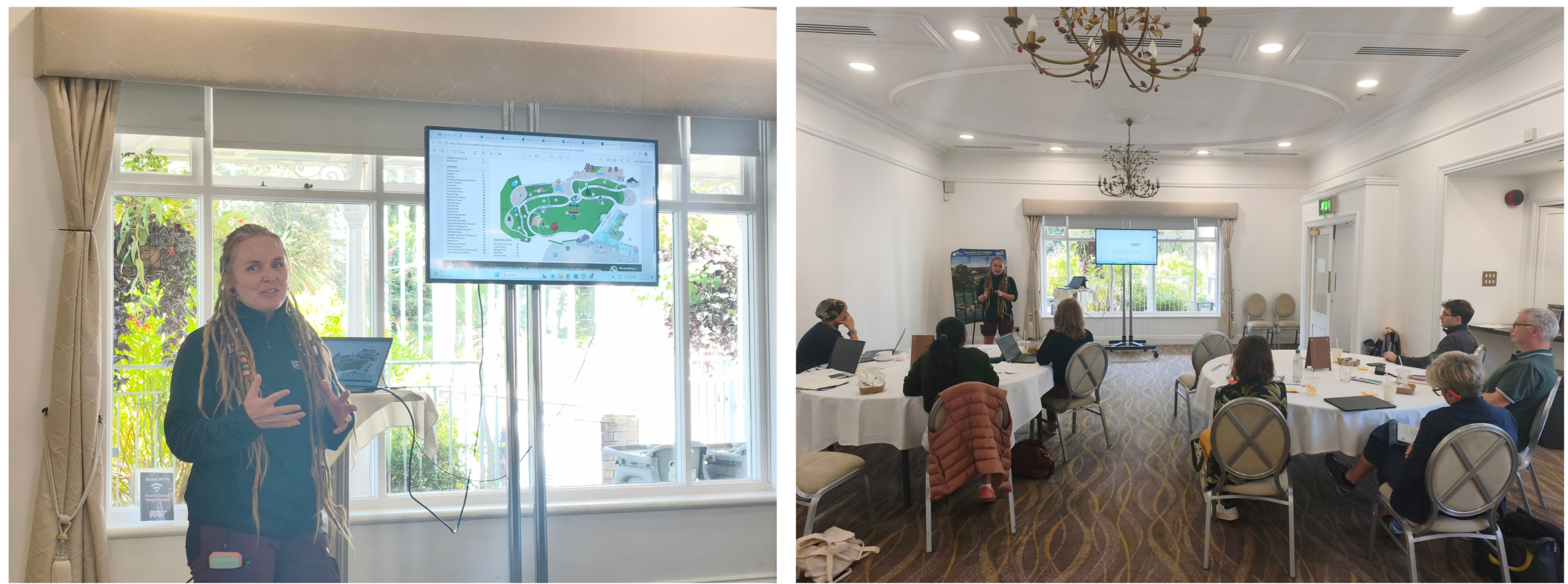
The second part of the session provided the opportunity to learn about the case study of Birmingham Botanic Gardens. Bethan Collerton shared how the biosecurity policy and associated protocols have been revised and implemented in their garden. Examples include biosecurity cordons, staff training, guidance and biosecurity inductions for different users of the gardens and facilities.
This case study allowed the group to consider different context and reflect on how botanic gardens can strengthen biosecurity in practical and achievable ways, even when resources
Visiting Birmingham’s Botanic Gardens Glasshouses
The day finished with a tour of the Glasshouses, led by Alberto Trinco. We visited the Arid, Mediterranean, Palm and Lily Houses and learned more about the plans to rebuild and redesign the glasshouse spaces, including how biosecurity is being integrated into this work.
The tour was a great way to close the day, offering a closer look at the Gardens’ diverse plant collections while learning more about the different challenges involved in the management of these incredible natural and historical assets.
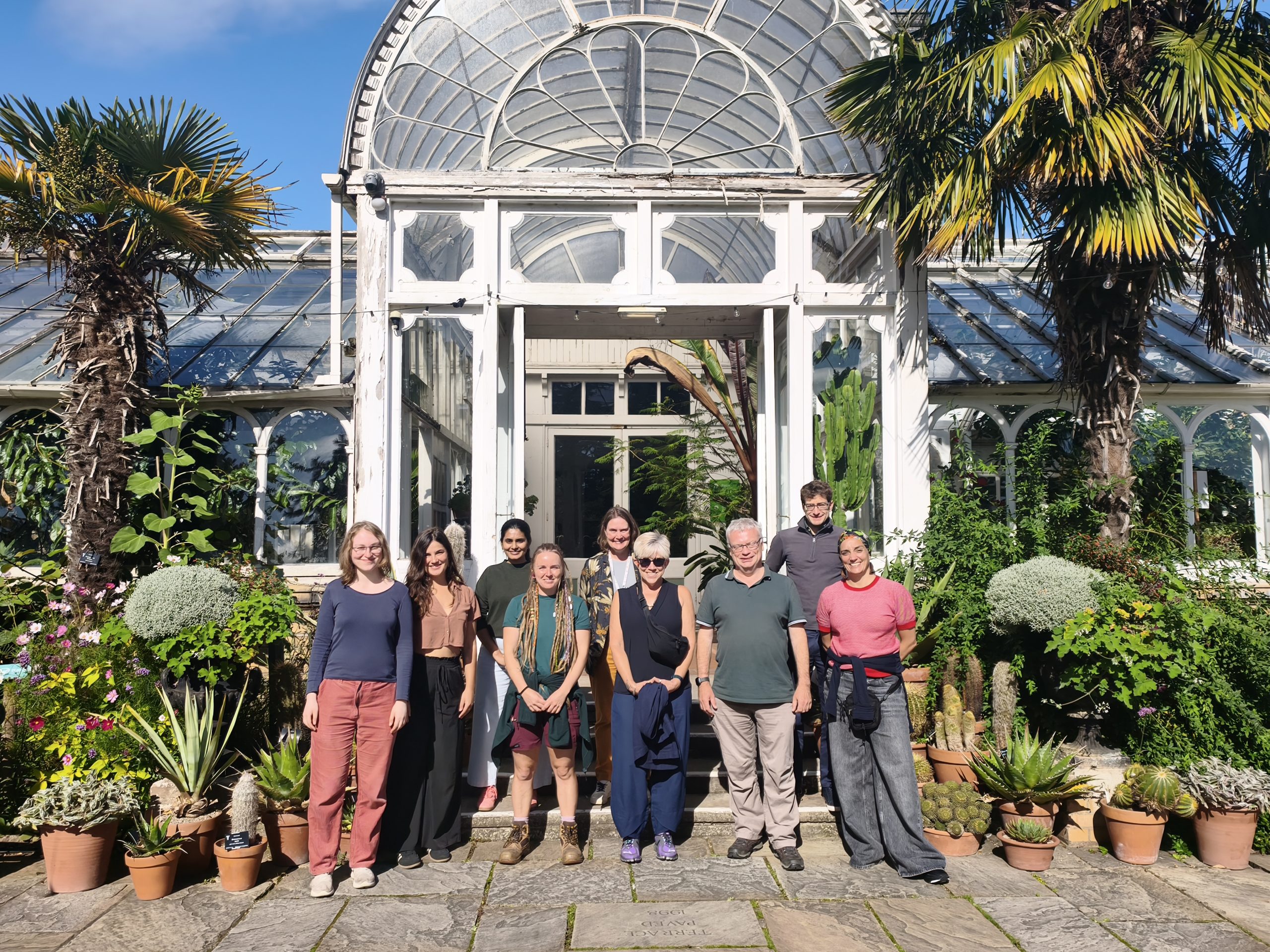
We would like to thank our hosts at Birmingham Botanic Gardens, as well as all the presenters and participants, for their time, contributions and enthusiasm throughout the day. We greatly appreciated the opportunity to come together, share experiences, and continue working together to support biosecurity and plant health.
Want to Join the IPSN?
Membership is free! By joining, you gain access to expert-led initiatives, resources on biosecurity and plant health monitoring, and a global network of professionals.
To get involved, email: lara.salido@bgci.org or itxaso.quintana@bgci.org
Become a Member
Be part of the largest network of botanic gardens and plant conservation experts in the world by joining BGCI today!
BGCI Databases
Explore BGCI's suites of databases to help plant conservation worldwide. Upload your data!