Conservation Gap Analysis for Whitebeams, Rowans and Service Trees in the UK and Ireland
-
Country
United Kingdom -
Region
Europe -
Programme
Global Conservation Consortia -
Workstream
Saving Plants -
Topic
Tree Conservation -
Type
News -
Source
BGCI
New published: 11 June 2026
The first conservation gap analysis of threatened whitebeams, rowans and service trees (Sorbus s.l.) in the United Kingdom and Ireland has been published, identifying key threats and priority actions across important regional centres of diversity.
Whitebeams, rowans and service trees are one of the most taxonomically complex and distinctive groups of temperate trees. The UK and Ireland are a global hotspot for this group, supporting an exceptional diversity of species, many found nowhere else. However, of the 45 native Sorbus species, 84% are threatened with extinction, often persisting as small, highly localised populations.
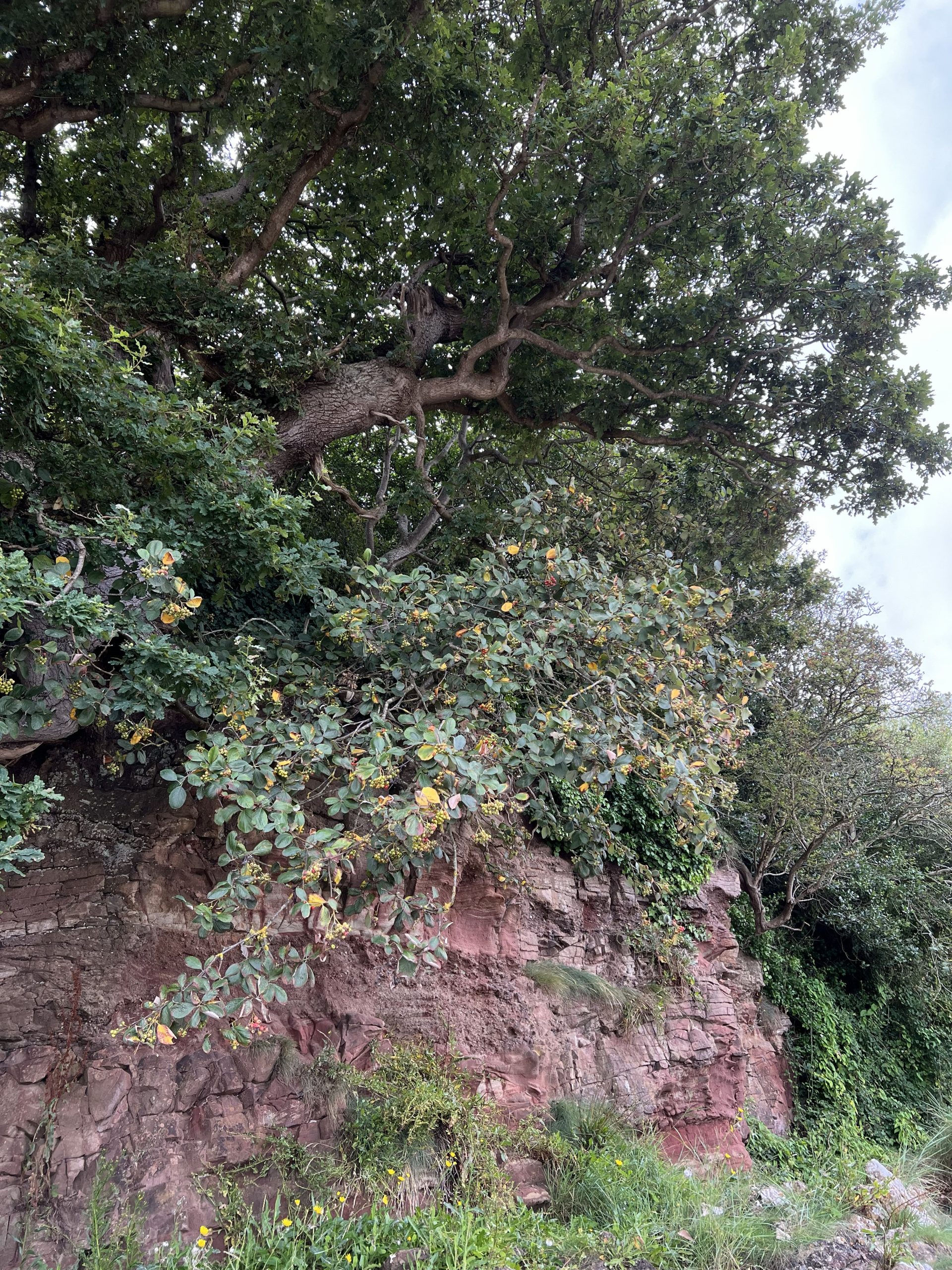
The analysis was led by Westonbirt, The National Arboretum, in collaboration with Botanic Gardens Conservation International (BGCI), as part of its role in leading the Global Conservation Consortium for Whitebeams, Rowans and Service Trees. The consortium brings together institutions and experts to coordinate conservation action, building on existing efforts and combining in situ and ex situ approaches to prevent the loss of these species globally.
Using methodologies adapted from those most recently used in the Global Conservation Gap Analysis of Magnolia and Conservation Gap Analysis of Nothofagus, the study is a collaborative effort, with accession data shared by botanic collections in 14 countries, and surveys completed by land managers, experts and conservation organisations. Together, this work provides the most comprehensive assessment to date of the conservation status of threatened Sorbus species across the UK and Ireland.
Covering 39 ‘target species’, the analysis evaluates how well wild populations are represented in living collections and seed banks, and reviews current conservation actions and key threats, along with identifying priority conservation actions.
Key findings and priorities:
- Gaps in collections – while most species are held in ex situ collections, narrowly endemic taxa are often poorly represented. Two species are completely absent from ex situ collections, while six species are represented in seed banks but are not found as plants in living collections. Three species are absent from seed banks.
- Ongoing pressures in the wild – many populations occur within protected sites, but still face significant threats including grazing, pests and disease, changing management and recreation. A lack of regeneration is a critical issue within all regions.
- Clear priorities for action – recommendations include expanding and improving the quality of ex situ collections, increasing surveys and monitoring, implementing active habitat management, strengthening research and enhancing public awareness.
The report highlights that Sorbus conservation cannot focus on single species in isolation. Many depend on interactions with other related trees to reproduce successfully, therefore, protecting entire ecosystems and the processes that sustain them is essential.
Without targeted intervention, many of these unique trees face a high risk of extinction, despite occurring in some of the most iconic landscapes of the UK and Ireland. This analysis provides a vital evidence base to guide conservation planning, but its impact depends on collective action.
Those looking to play a role in conserving these species are encouraged to join the Global Conservation Consortium for Whitebeams, Rowans and Service Trees. For more information, please contact GCC Whitebeams Coordinator, Rosie Anderson.
Become a Member
Be part of the largest network of botanic gardens and plant conservation experts in the world by joining BGCI today!
Support BGCI
You can support our plant conservation efforts by sponsoring membership for small botanic gardens, contributing to the Global Botanic Garden Fund, and more!