90% of Guatemala’s Endemic Tree Species Face Threat of Extinction, New Red List Report Warns
-
Country
Guatemala -
Region
Latin America and the Caribbean -
Programme
Global Tree Assessment -
Topic
Conservation Prioritisation -
Type
Press Release -
Source
BGCI
News Published: 10 November 2026
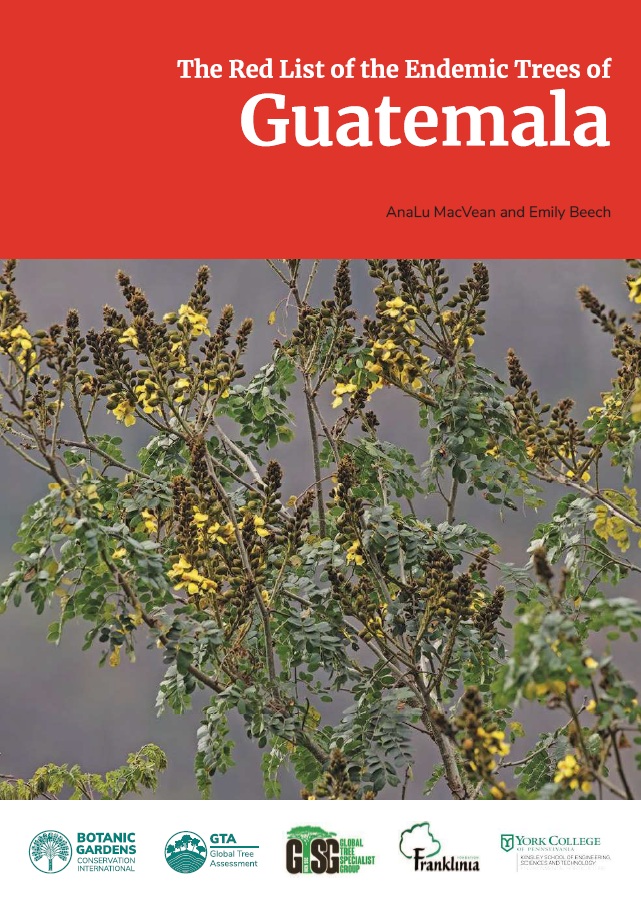
GUATEMALA CITY — Ninety percent of Guatemala’s native and endemic trees are threatened with extinction, according to the newly published Red List of Endemic Trees of Guatemala. Co-authored by researchers from York College of Pennsylvania and Botanic Garden Conservation International (BGCI), the comprehensive report reveals that 97 of the country’s 108 unique endemic tree species are currently facing severe threats to their survival.
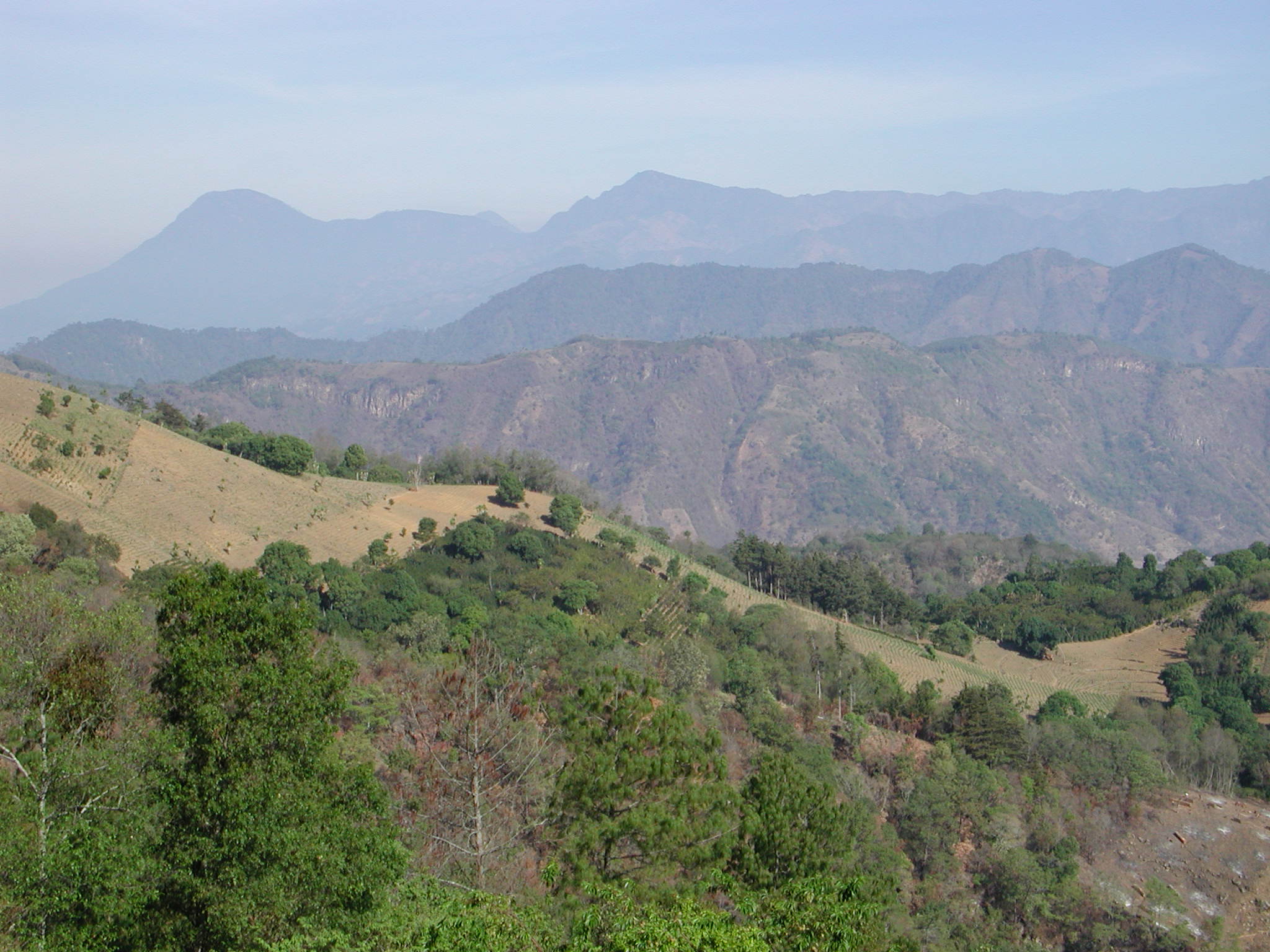
The report identifies agriculture as the single greatest driver of endemic tree loss across Guatemala, closely followed by illegal logging and increased fires.
Produced under the umbrella of the Global Tree Assessment—an international initiative dedicated to evaluating the conservation status of the world’s trees, generously funded by Fondation Franklinia—the publication serves as both a warning and a vital roadmap for biodiversity protection.
Key Findings & Conservation Priorities
- Critical Protection Gaps: The report identifies 68 threatened endemic species with no current protection in place—meaning they lack both in situ (protected natural areas) and ex situ (botanic garden or seed bank collections) conservation actions. These 68 species represent the highest priority for urgent field intervention.
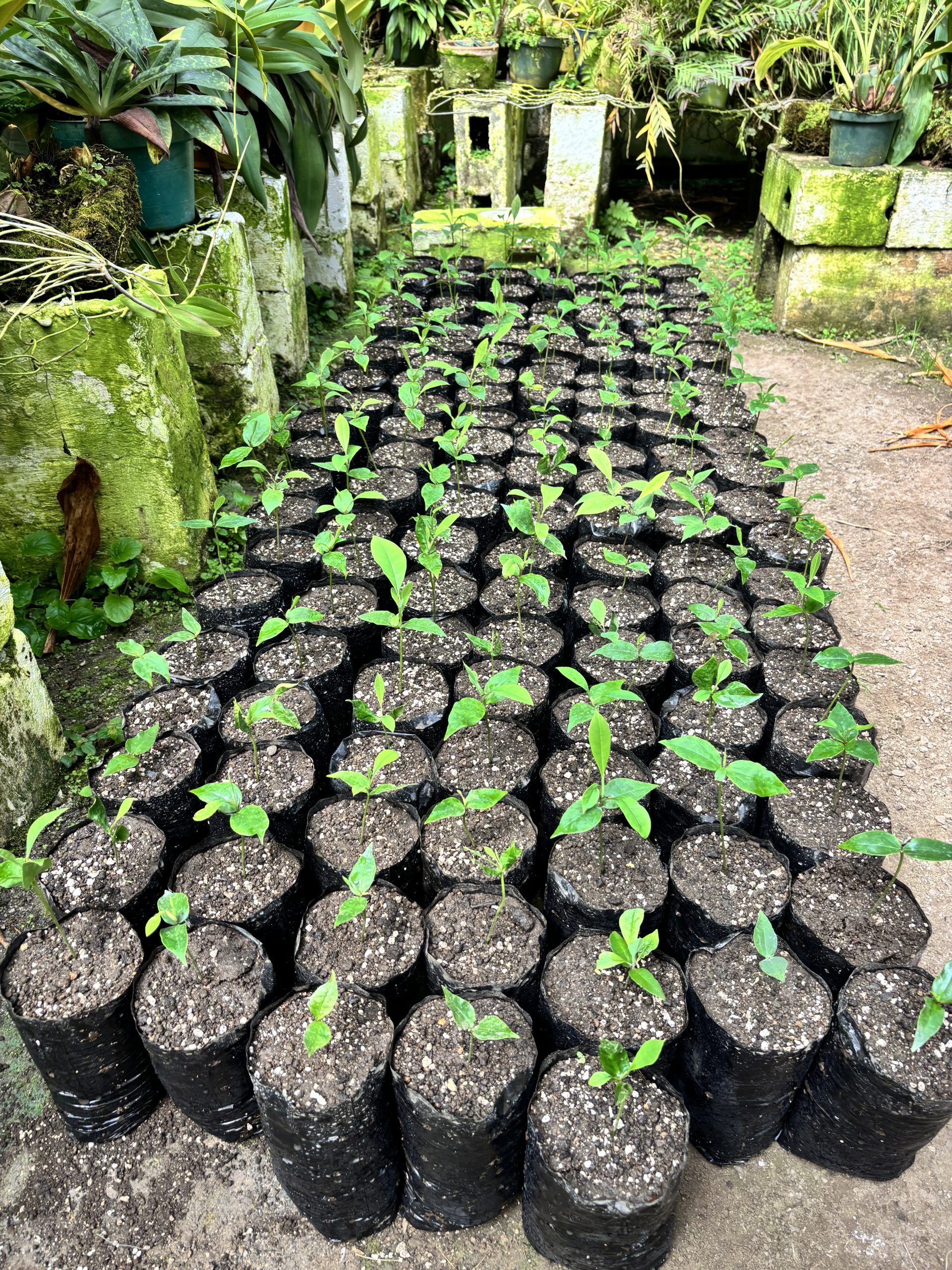
- Ex Situ Lifelines: Only 16 of Guatemala’s endemic tree species are currently safeguarded in ex situ collections. The vast majority of these protected species belong to the Magnolia genus or carry significant horticultural interest, such as the rare cycad Zamia tuerckheimii. Expanding living collections and seed banks is essential to prevent outright extinction.
- Ongoing Local Efforts: Active conservation initiatives are already underway across Guatemala. The report highlights critical efforts led by the National Magnolarium in Cobán, the Universidad de San Carlos de Guatemala, and The Morton Arboretum in the US.
A Baseline for Global Action
In addition to state-level findings, the publication features detailed species profiles, conservation status metrics, and distribution maps for each of the country’s 108 endemic trees.
“The Red List of Endemic Trees of Guatemala is a clear call to action,” said the report’s co-authors from York College of Pennsylvania and BGCI. “It establishes the definitive scientific baseline needed to prioritize resources, target field interventions, and mobilize international support before Guatemala’s unique tree flora is lost forever.”
About Botanic Gardens Conservation International (BGCI)
Botanic Gardens Conservation International (BGCI) is the largest global plant conservation network with over 950 member institutions in more than 120 countries. BGCI plays a key coordinating role, facilitating collaboration between botanic gardens and other conservation organisations, and supports the development and long-term functioning of botanic garden networks. BGCI ensures that local expertise contributes to global impact and mobilises funding and technical assistance for practical conservation efforts worldwide.
About York College of Pennsylvania
Located in South Central Pennsylvania, York College of Pennsylvania is a private institution committed to faculty-led research and rigorous scientific education. Its Horticulture Department is devoted to environmental stewardship and sustainability at a global scale.
About the Global Tree Assessment
The Global Tree Assessment is an initiative to assess the conservation status of the world’s trees for the IUCN Red List. It is coordinated by Botanic Gardens Conservation International in collaboration with the IUCN Species Survival Commission Global Tree Specialist Group. Working with experts across the globe, trees are now a comprehensively assessed group on the IUCN Red List, with more than 85% of tree species assessed. The Global Tree Assessment has been generously supported by Fondation Franklinia.