3D Plant Field Guide: Digitally Transforming Plant Resources for Biodiversity
-
Country
Korea -
Region
Asia -
Topic
Plant Conservation -
Type
Press Release -
Source
BGCI Member
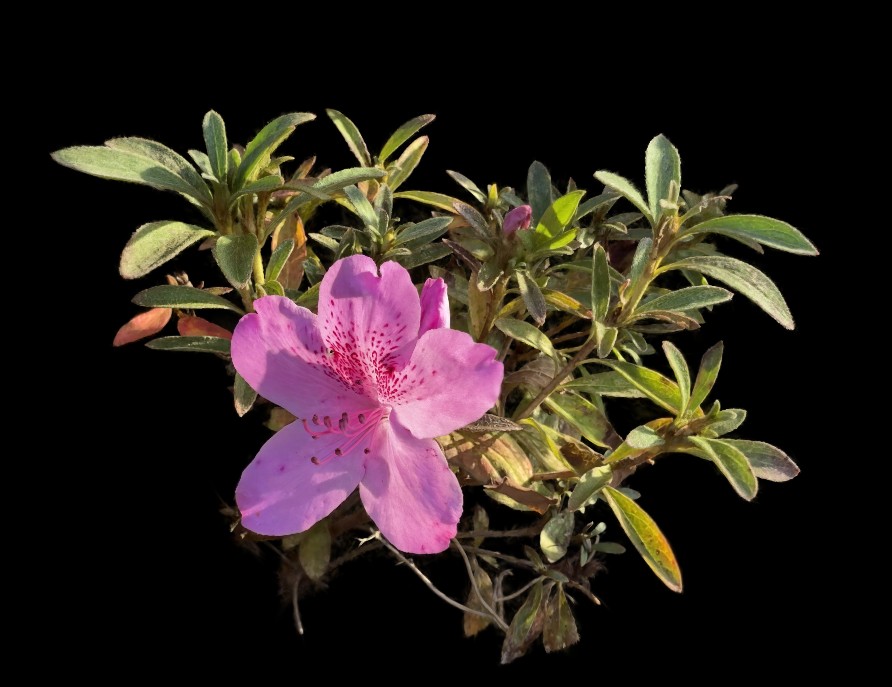
News Published: 19 October 2026
National Institute of Ecology Develops Korea’s First Digital Plant Field Guide Using 3D Technology
Digital technologies are increasingly being used to document and share biodiversity more effectively. In particular, there is growing international interest in digitising biodiversity data and linking it with other information to support research, education and conservation. In response to this trend, the National Institute of Ecology (NIE) has developed and distributed Korea’s first 3D Plant Field Guide, using 3D technology to digitally document and share plant resources.
While conventional plant guides rely primarily on photographs and illustrations to present plant characteristics, the 3D Plant Field Guide uses 3D reconstructions created from real plants to represent their forms and structures, including leaves, stems, flowers and fruits, in three dimensions. Users can freely rotate and zoom in on these reconstructions, enabling them to examine plant characteristics from multiple angles.
From 2D Images to 3D Digital Plant Assets
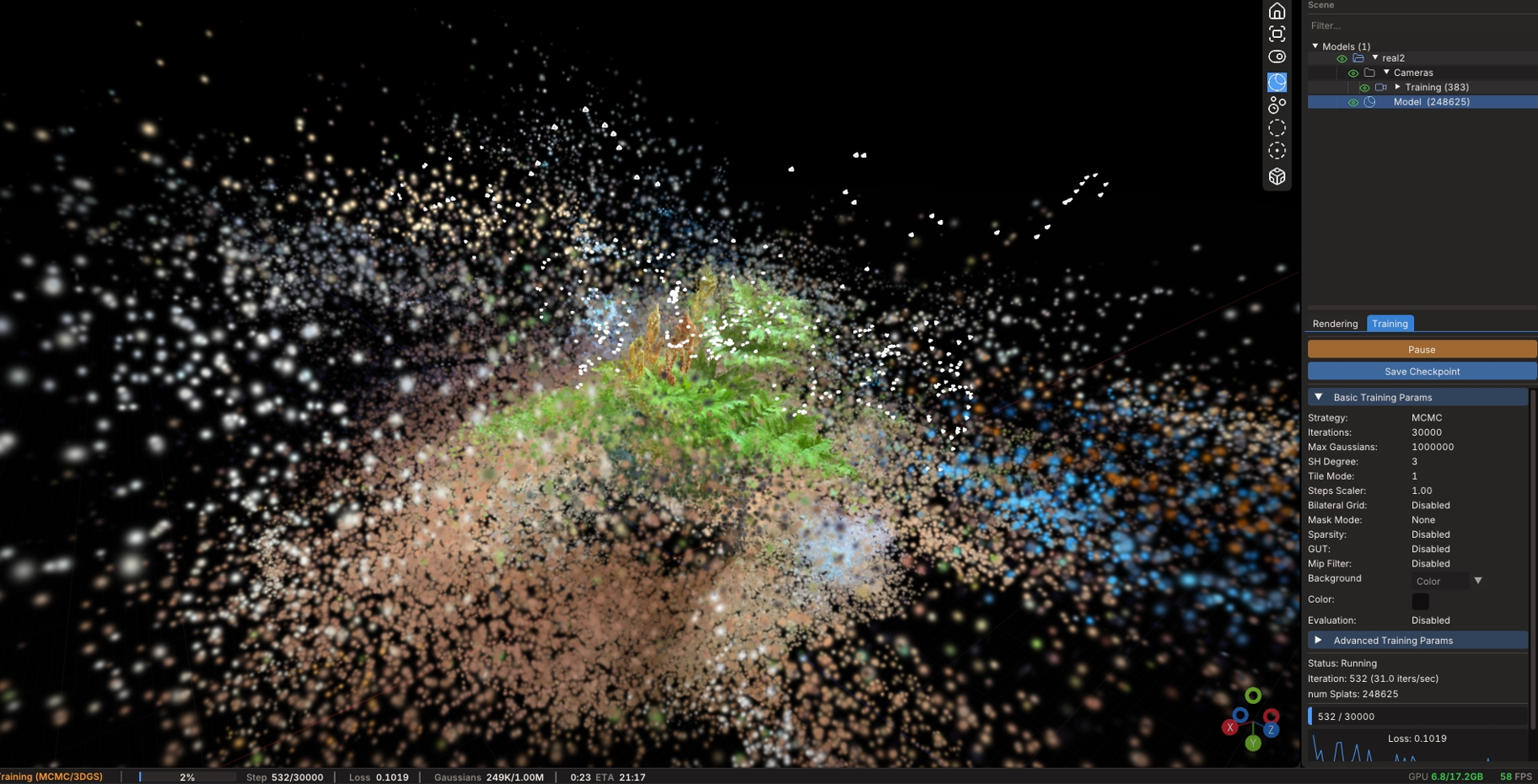
The 3D Plant Field Guide uses 3D Gaussian Splatting technology to reconstruct the forms and complex structures of plants in three dimensions. Rather than building a conventional polygon mesh, this technique represents each plant as a dense set of small, coloured Gaussian points generated from multi-angle images, capturing fine details such as leaf venation and surface hairs.
The reconstructions are then stored in the compact SOG format, which allows them to load quickly in a standard web browser. This approach allows users not only to view plants but also to explore them actively, offering a more interactive way to engage with plant information.
In this way, the 3D Plant Field Guide transforms plant information traditionally presented through 2D images into digital assets that can be documented, shared and used for a variety of purposes.
Expanding Applications Across Different Fields
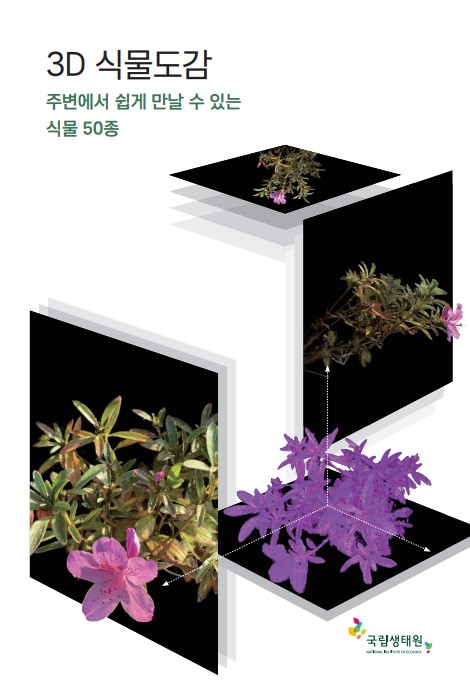
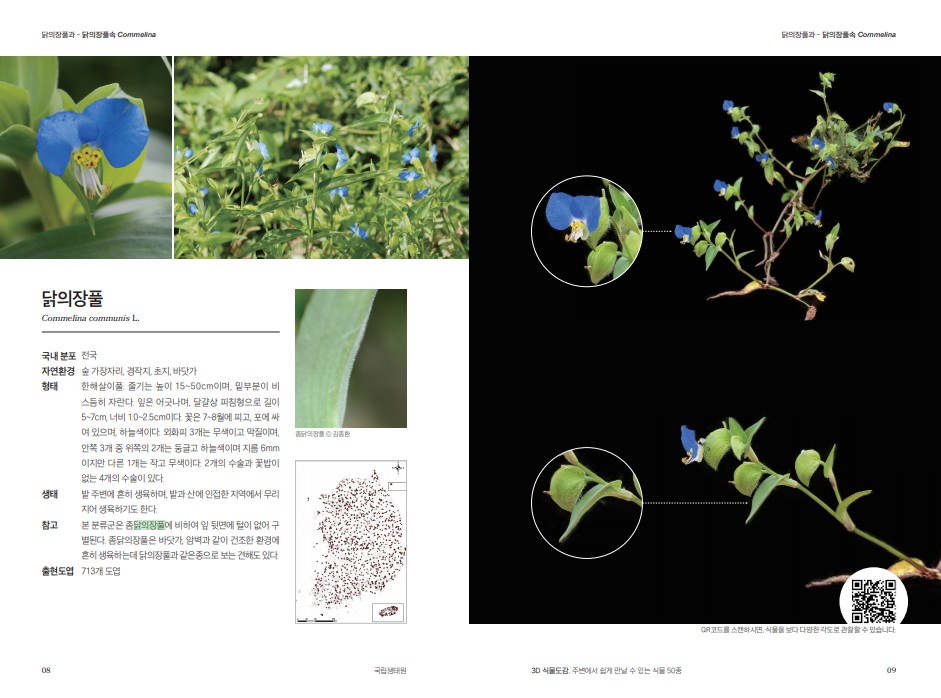
Beyond serving as a digital reference, the 3D Plant Field Guide supports education, research, conservation and exhibitions. Distributed to schools nationwide and through online booksellers, it enables users to explore plants digitally and provides new opportunities for educational and exhibition programmes.
As the collection grows, the data could support future applications in AR, VR, digital exhibitions and biodiversity research. Sharing standardized plant data with institutions in Korea and abroad could further contribute to a valuable digital biodiversity resource. The NIE will continue expanding its digital plant resources and developing content for research, education and public engagement.
Become a Member
Be part of the largest network of botanic gardens and plant conservation experts in the world by joining BGCI today!
Support BGCI
You can support our plant conservation efforts by sponsoring membership for small botanic gardens, contributing to the Global Botanic Garden Fund, and more!