Creating 120 School Butterfly Gardens, Argentina
-
Status of project
Completed -
Region
South America -
Country
Argentina -
Programme
BGCI -
Workstream
Sharing Knowledge and Resources -
Topic
Public Engagement
Butterflies go to school
Project Status: Completed 2025
Funded by: Minnesota Landscape Arboretum, via the Global Botanic Garden Fund
Project Partner: Jardín Botánico de la Ciudad de Buenos Aires “Carlos Thays”
Introduction
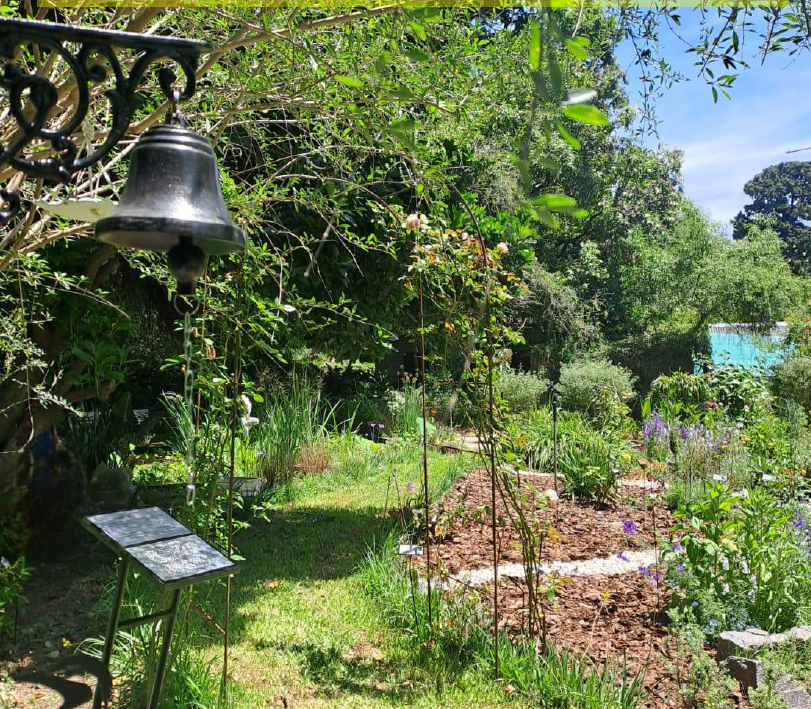
The Buenos Aires Botanical Garden’s butterfly garden has 93 butterfly species and has engaged with around 300,000 students since 2013, prompting strong demand from teachers for guidance on creating school butterfly gardens. These gardens function as outdoor classrooms that foster connections with nature and support native plants, fauna, and urban biodiversity corridors.
Project Goals
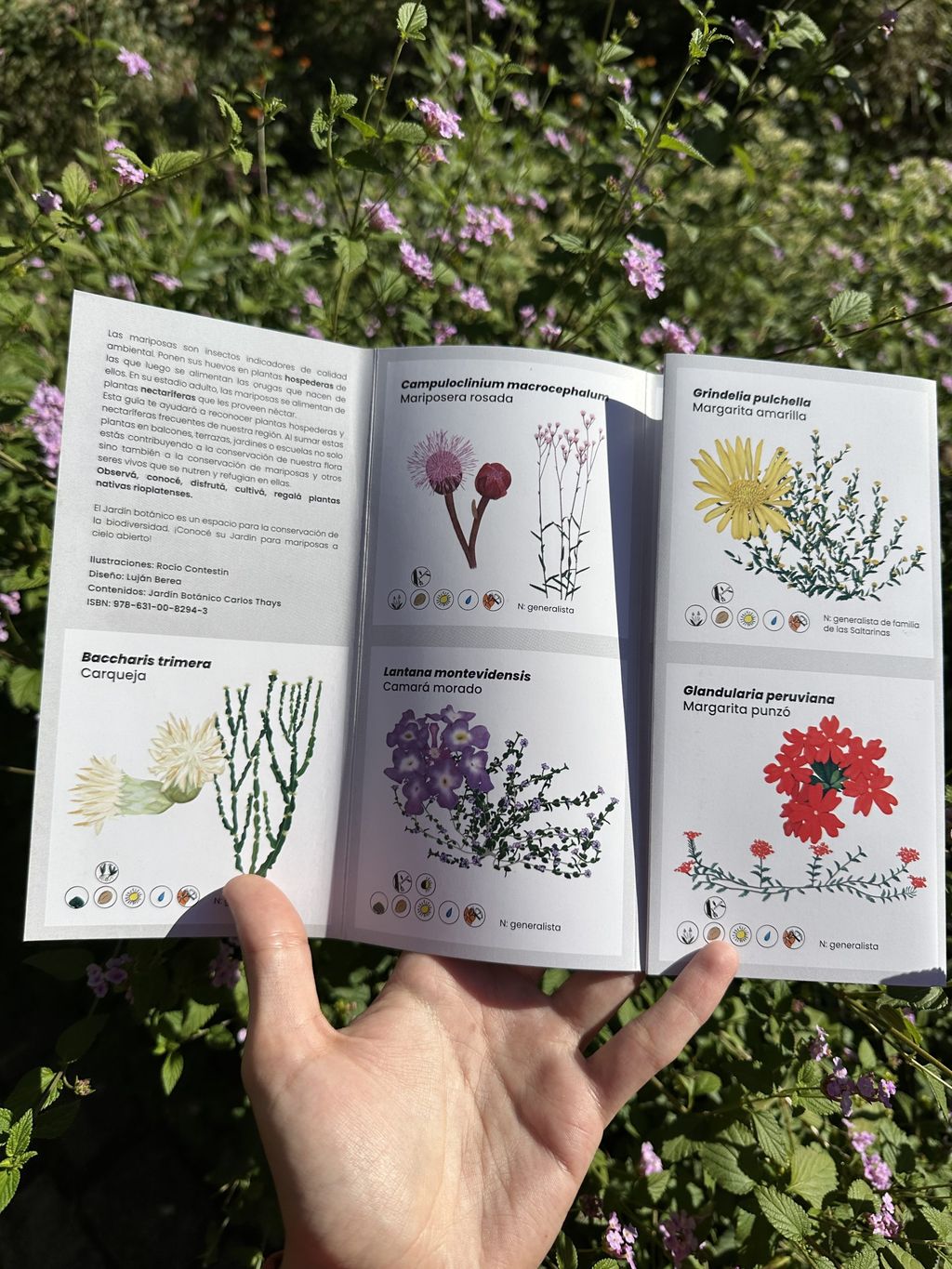
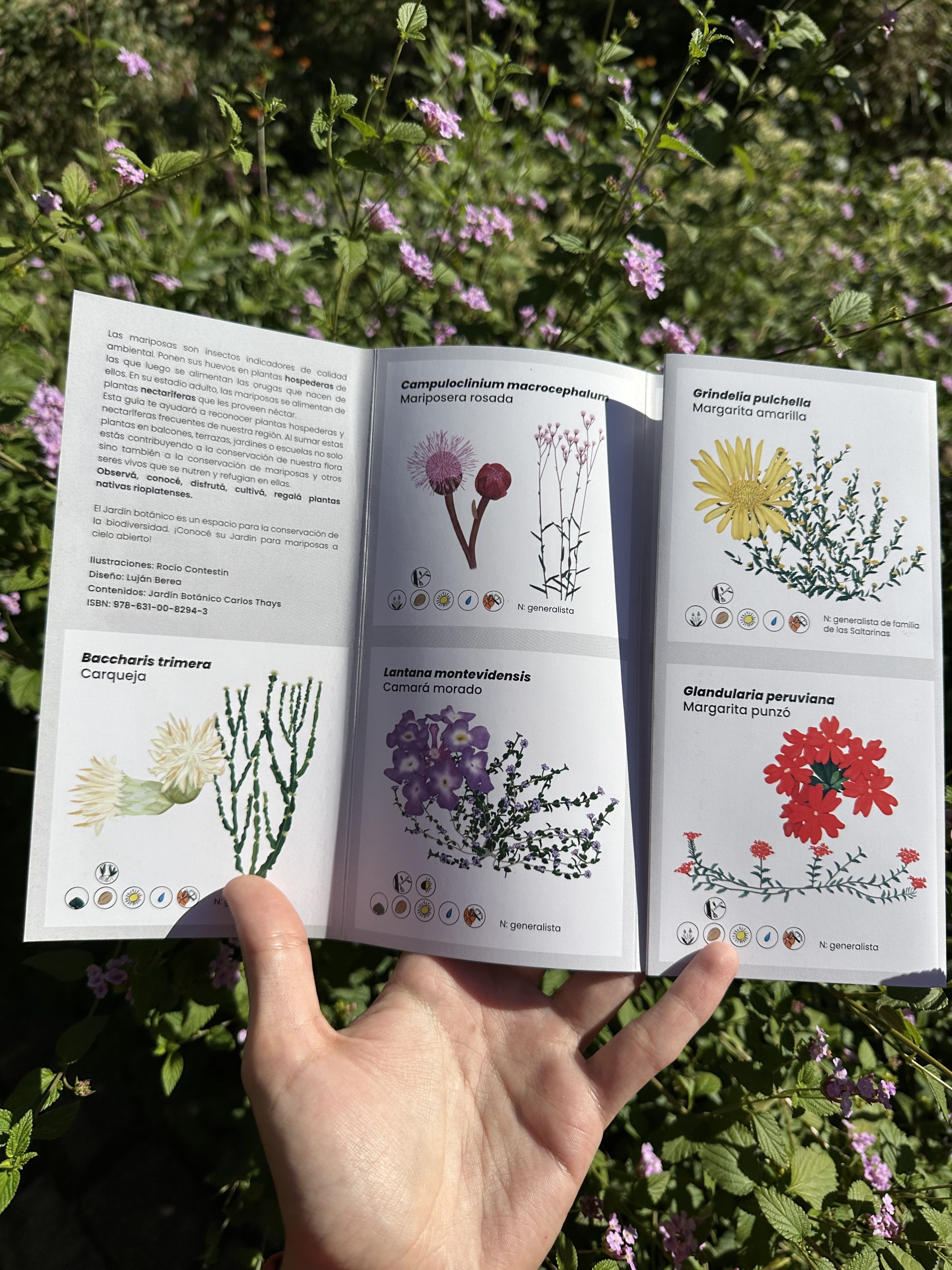
The aim of this project was to create an illustrated guide to 20 native Buenos Aires plants that attract butterflies, including information on their life cycles, butterfly interactions, and cultivation, to be distributed to teachers through in-person workshops at the garden. Another guide was also to be developed of the most frequently encountered butterflies in Buenos Aires.
Key Achievements
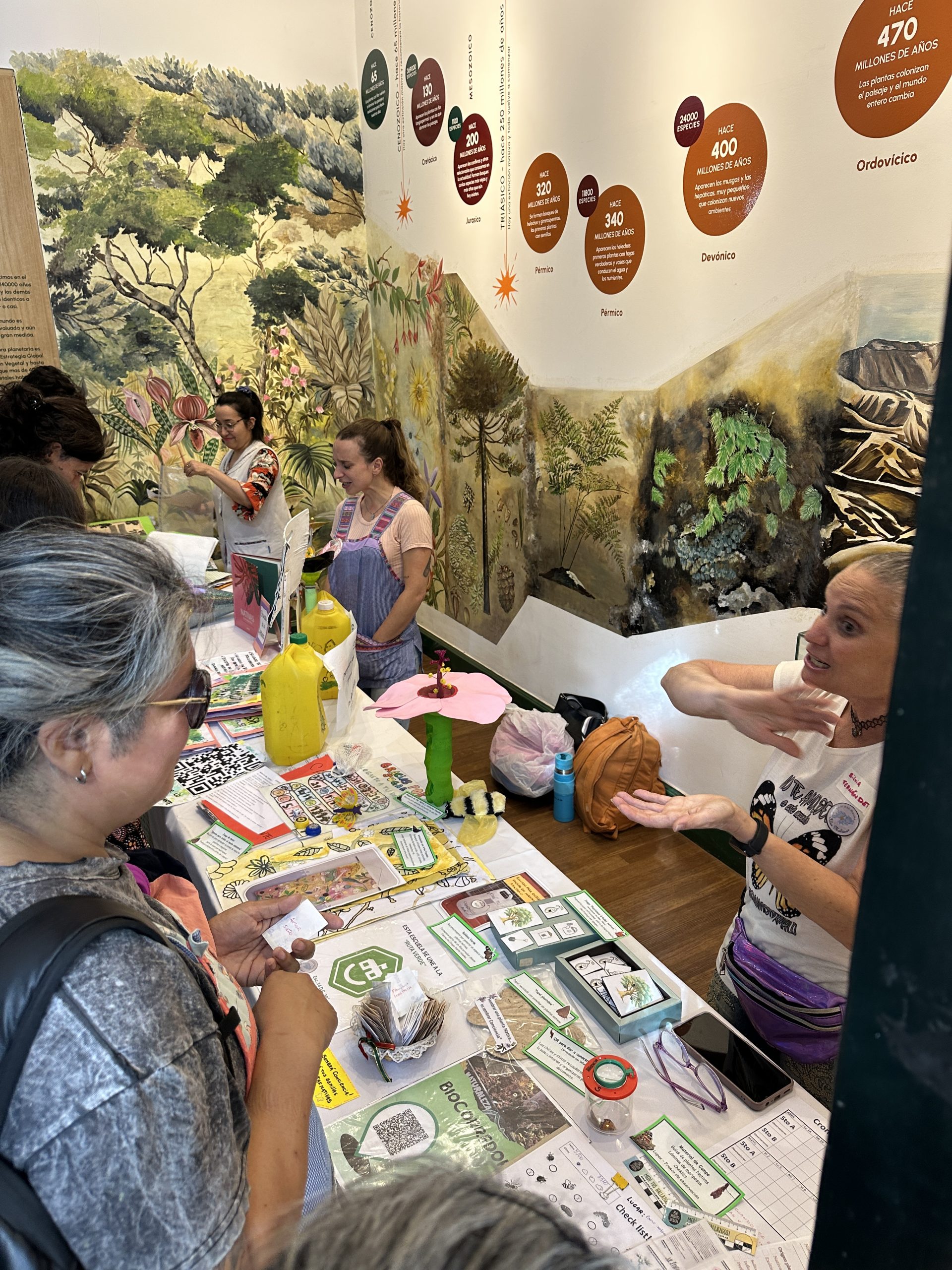
The project enhanced plant diversity education by providing teachers with high-quality resources to create school butterfly gardens. The project developed illustrated guides for 20 native plants and 30 butterfly species, supported the creation of 120 school butterfly gardens with 900 native plants and engaged over 240 teachers.
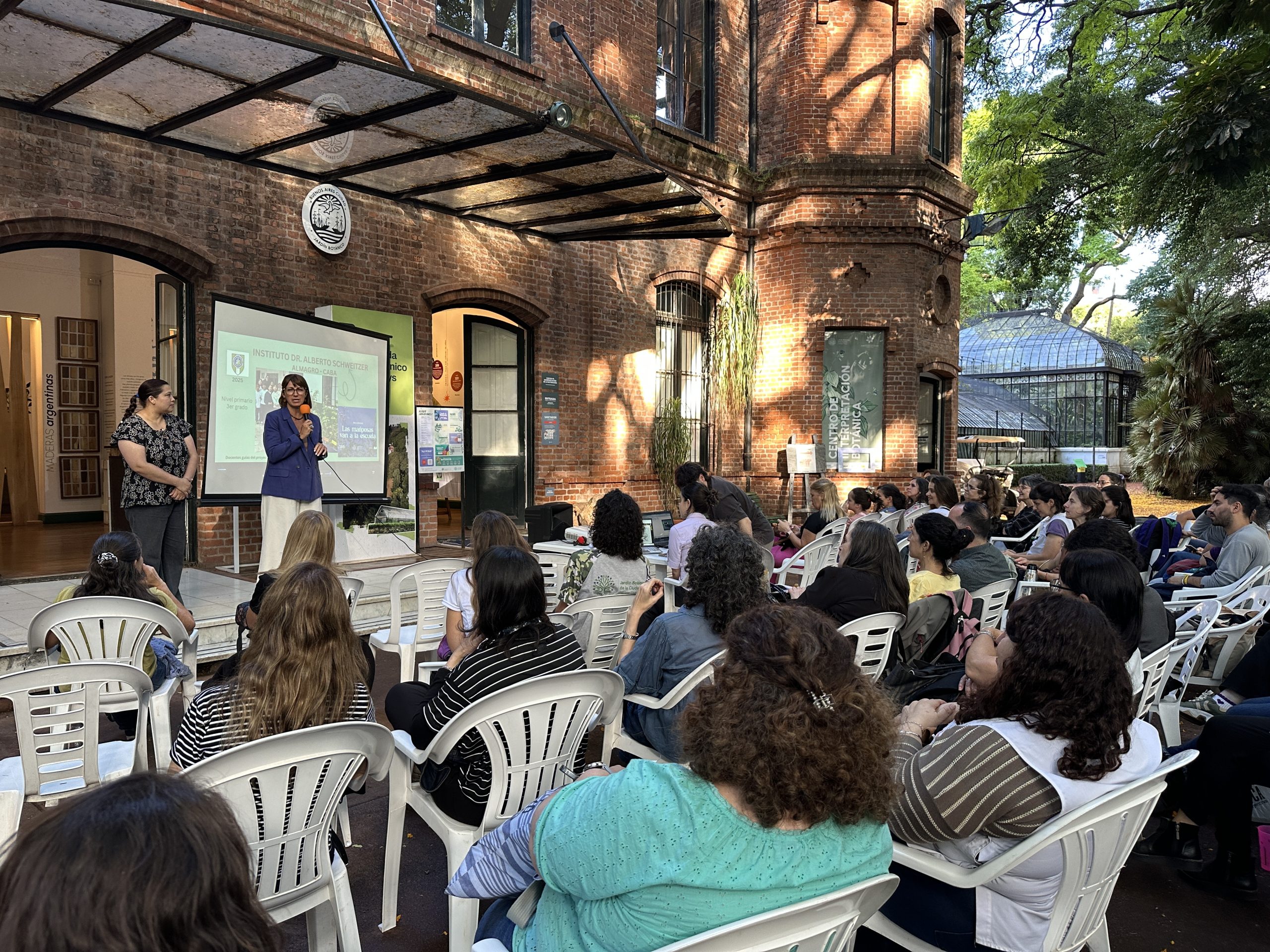
Demand exceeded expectations, with 1,000 plant guides produced, high teacher uptake, and 150 schools placed on a waiting list for future participation.
Butterfly guides were also created, widely shared, and used in classrooms.
Overall, the project successfully promoted public engagement with native plants and butterfly species, supported educational targets on plant diversity, and increased institutional recognition and support for the Botanical Garden’s educational work.