Saving Cola lorougnonis, Côte d’Ivoire
-
Status of project
Completed -
Region
Africa -
Country
Côte d’Ivoire -
Programme
BGCI -
Workstream
Saving Plants
Saving a clone of Cola lorougnonis, resistant to leaf necrosis through propagation by cutting
Project Status: Completed 2025
Funded by: Minnesota Landscape Arboretum, via the Global Botanic Garden Fund
Project Partner: Institut Botanique Aké-Assi d’Andokoi
Introduction
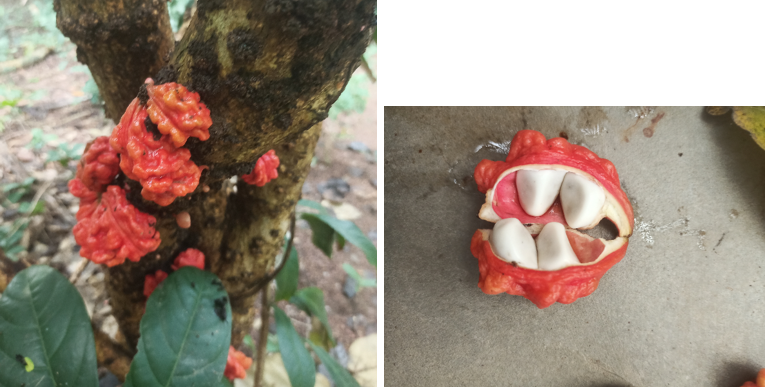
Cola lorougnonis is a critically endangered tree endemic to Côte d’Ivoire, whose populations have declined due to agricultural expansion and disease. The species is only found in two botanical gardens and the Dékpa voluntary nature reserve (RNVD). The individuals which were introduced to the Institut Botanique Aké-Assi d’Andokoi (IBAAN) and the Centre National de Floristique (CNF) are affect by a leaf necrosis disease, causing floral abortion. However, these spots on the leaves are not observed on an individual at IBAAN and those at RNVD. The only option for the conservation of this species is the vegetative propagation of those clones’ resistant to leaf necrosis.
Project Goals
This project aimed to conserve Cola lorougnonis, by vegetatively propagating a rare, disease-resistant individual at the Institut Botanique Aké-Assi d’Andokoi and build local capacity by training students and researchers, and reinforcing the botanic garden’s role in conservation, research, and threatened species management.
Key Achievements
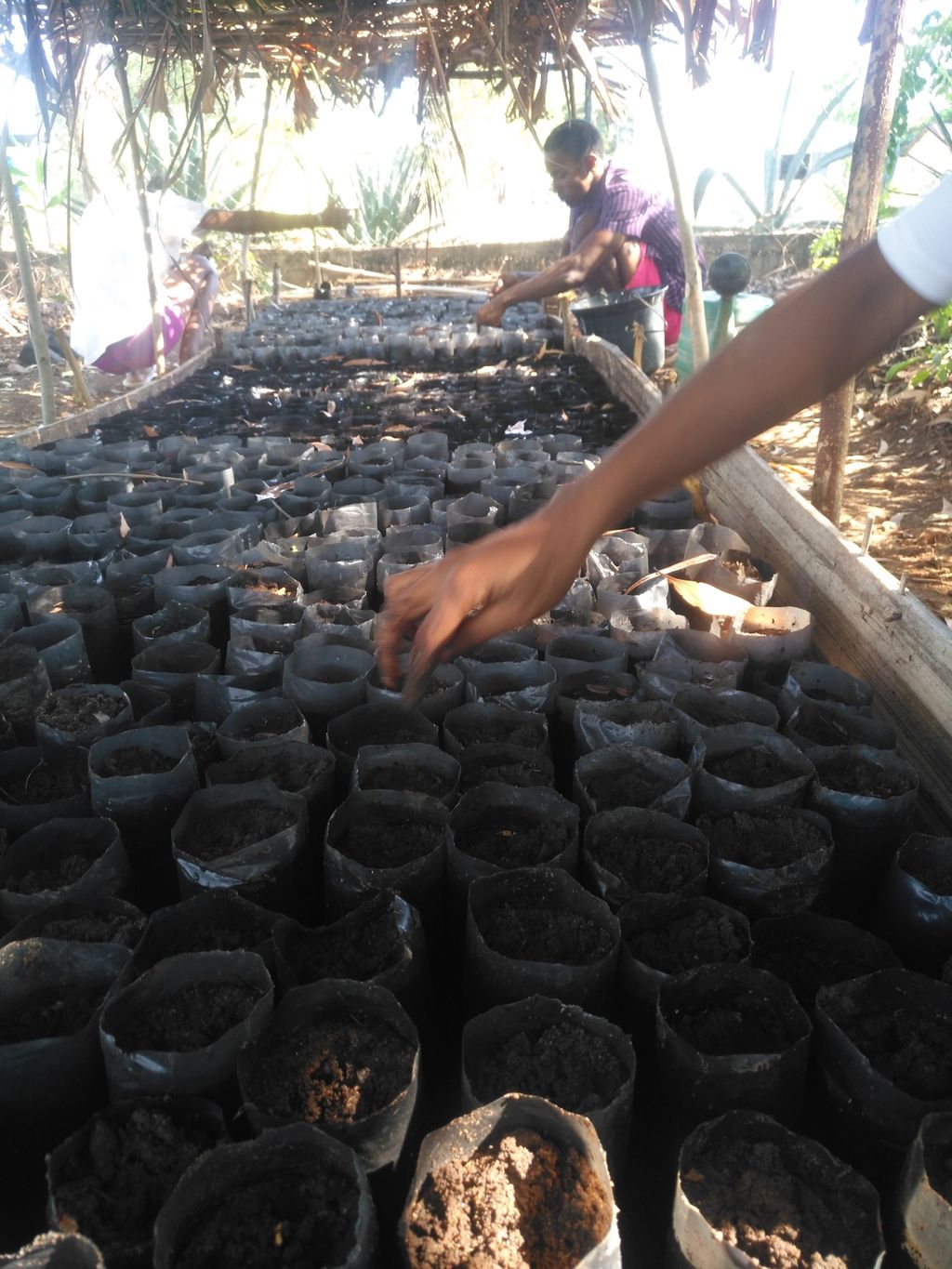
A total of 480 cuttings of Cola lorougnonis were collected for propagation trials: 192 apical cuttings, 144 middle cuttings with leaves, and 144 middle cuttings without leaves.
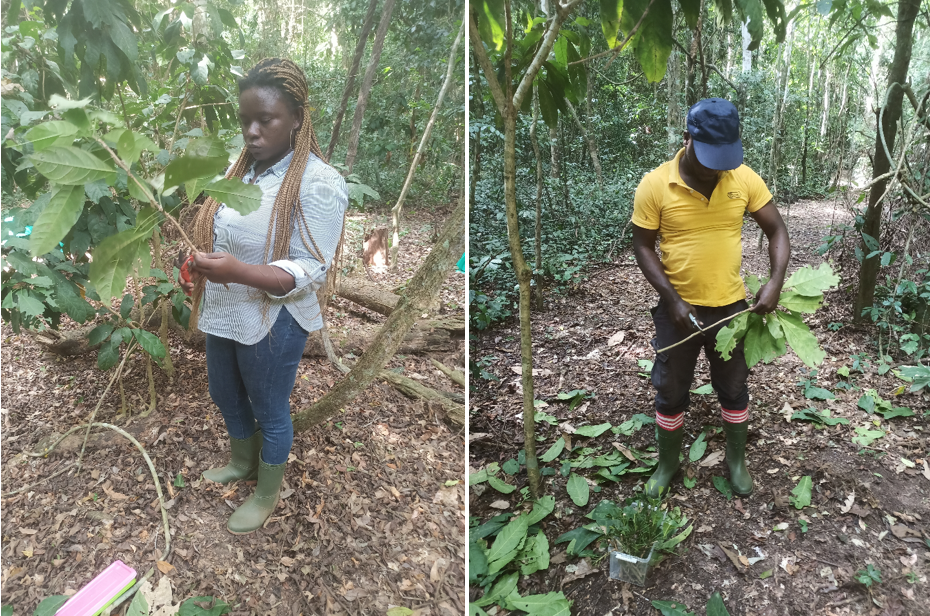
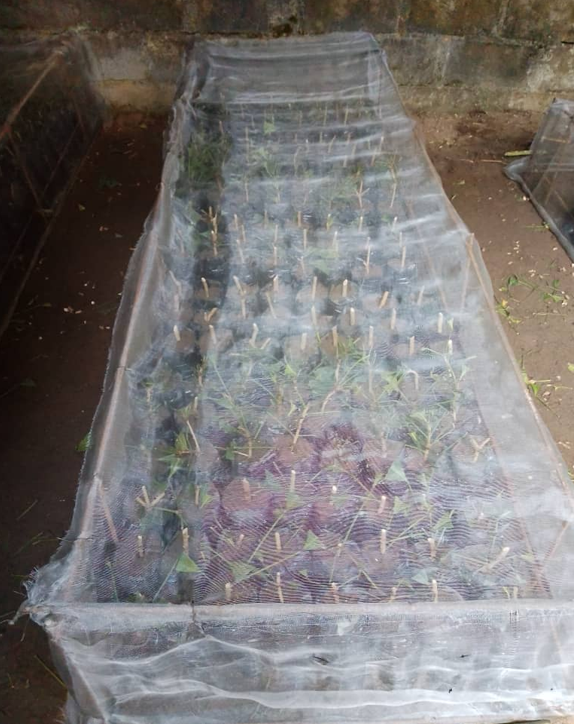
These were placed in three controlled nursery beds designed to maintain high humidity and optimal rooting conditions. At the end of the experiment, 58 cuttings successfully rooted. None of the apical cuttings rooted, while 19 middle cuttings with leaves and 39 middle cuttings without leaves developed roots. The results indicate that middle cuttings without leaves have the highest rooting success and are the most suitable material for future vegetative propagation of the species.
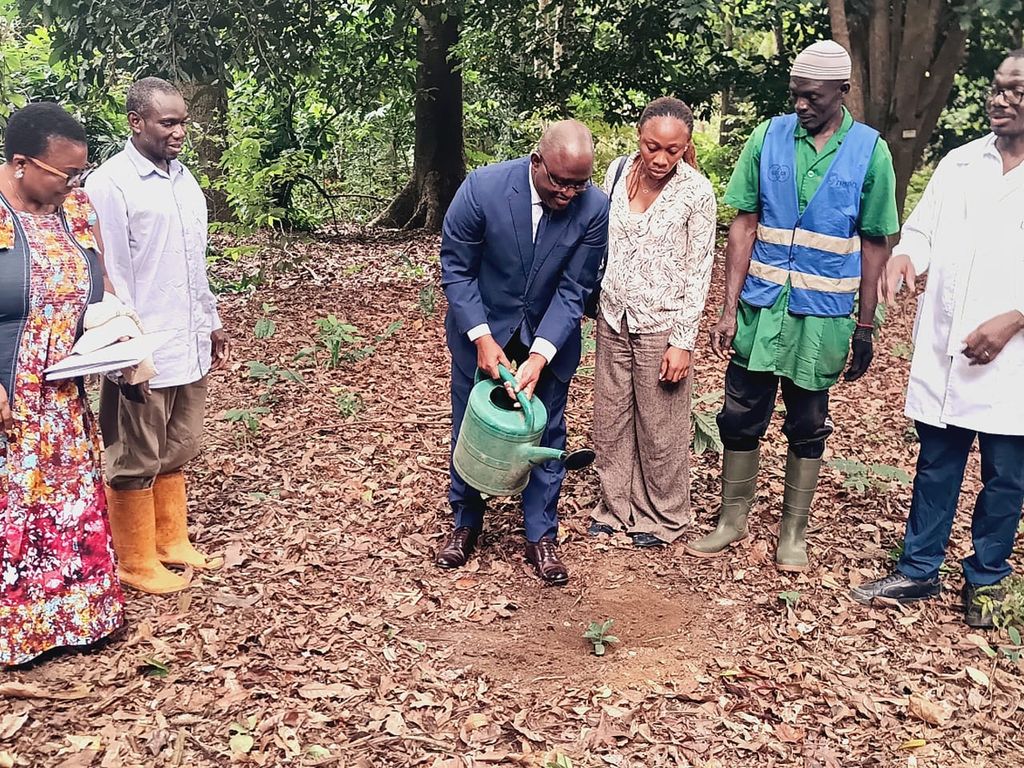
The successfully propagated plants were planted out in suitable locations, including the Bingerville Botanical Garden, the Aké Assi Botanical Institute of Andokoi, Jean Lorougnon Guédé University and genetic resource centres located on Mambéri.
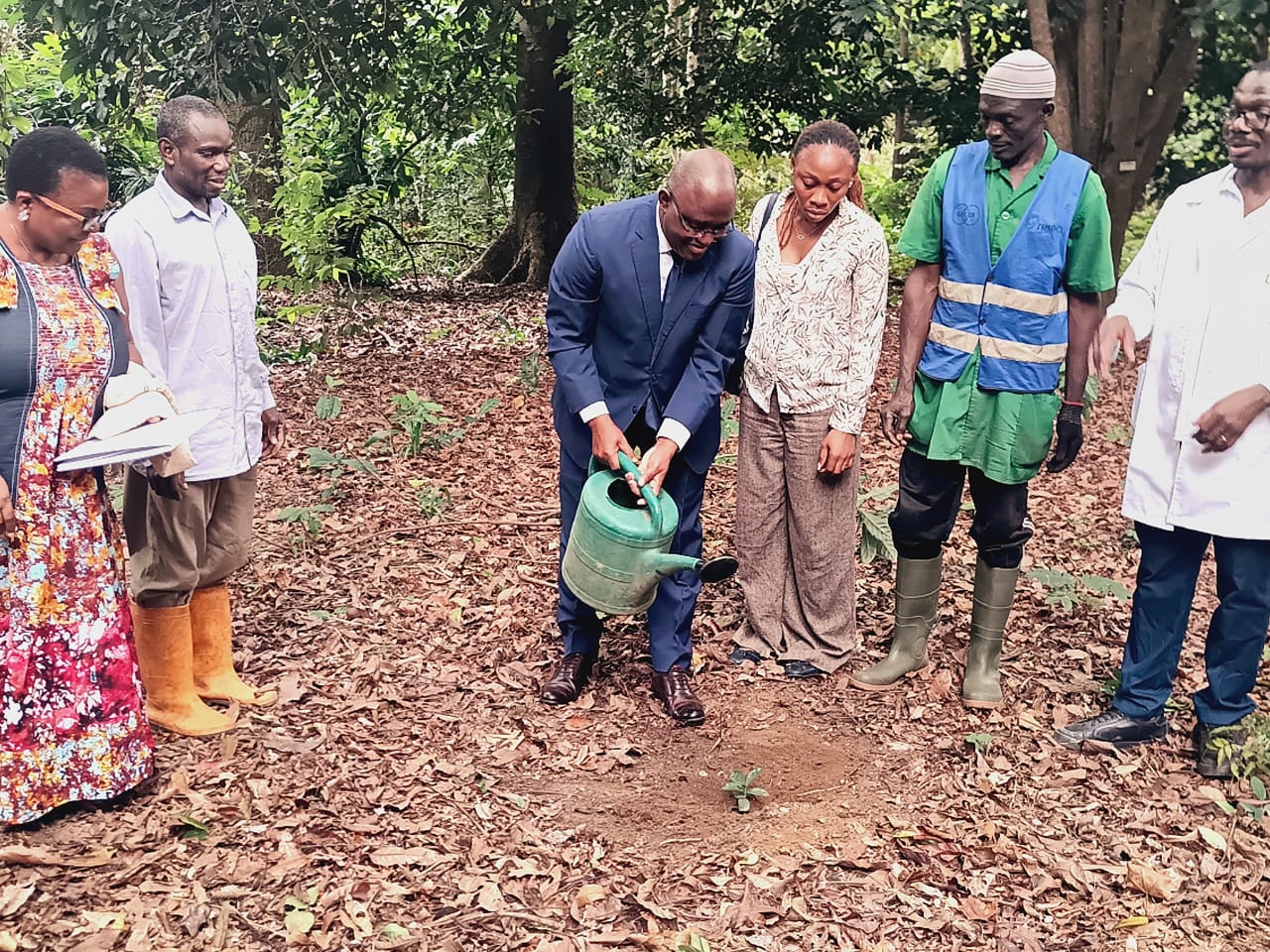
In addition to the planned activities, the project achieved unanticipated outcomes, including successful seed-based propagation and the introduction of propagated plants into several ecological sites. This project also built local technical capacity by training researchers and students in propagation techniques for threatened tree species.