Protecting Podocarpaceae in the Yungas of La Paz, Bolivia
-
Status of project
Completed -
Region
South America -
Country
Bolivia -
Programme
BGCI -
Workstream
Saving Plants -
Topic
Tree Conservation
Protection and Propagation of Threatened Podocarpaceae in the Yungas of La Paz
Project Status: Completed 2025
Funded by: The Friends of Bedgebury National Pinetum (Forestry England) via the Global Botanic Garden Fund
Project Partner: Herbario Nacional de Bolivia
Introduction
Conifers play crucial ecological roles in montane forests, such as water regulation and soil conservation, in addition to possessing a remarkable genetic diversity essential for the resilience and stability of these ecosystems. This project focused on the conservation of three species of Podocarpaceae in the Yungas of La Paz-Bolivia: Podocarpus oleifolius, Podocarpus rusbyi, and Pectinopitys harmsiana. These species are vital to montane ecosystems.
Project Goals
To conduct expeditions to confirm the species distribution, assess their current status, and collect buds for in vitro cultivation, guaranteeing the propagation of at least 200 seedlings per species to reforest degraded areas in the zone. Awareness programs would also be implemented for local communities, promoting the importance of these species and the ecosystem services they provide. The goal was not only to conserve these species but also to educate and raise awareness about their ecological and economic value.
Key Achievements
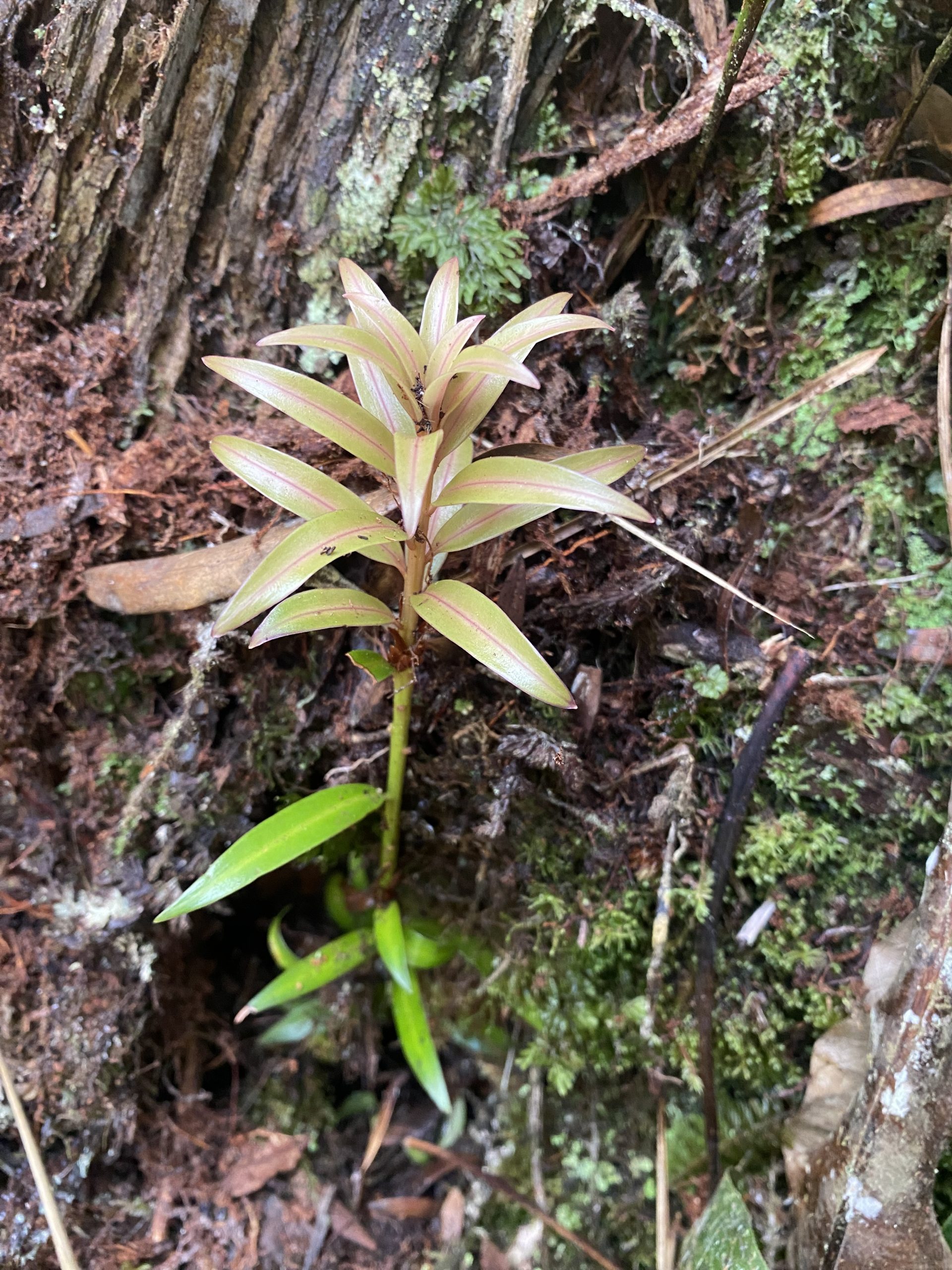
The distribution of Podocarpaceae species were identified through review, field expeditions, and taxonomic analysis. Historical records were used to guide surveys targeting Podocarpus oleifolius, Podocarpus rusbyi, and Prumnopitys harmsiana, resulting in 36 documented collections supported by herbarium vouchers. Fieldwork revealed discrepancies in past records, notably that some sites previously attributed to P. rusbyi actually contained P. oleifolius, indicating that P. rusbyi is rarer and more restricted than assumed. Although not all species were found in expected locations, updated identifications and corrected GPS data improved the accuracy of distribution maps, providing a strong foundation for future conservation efforts.
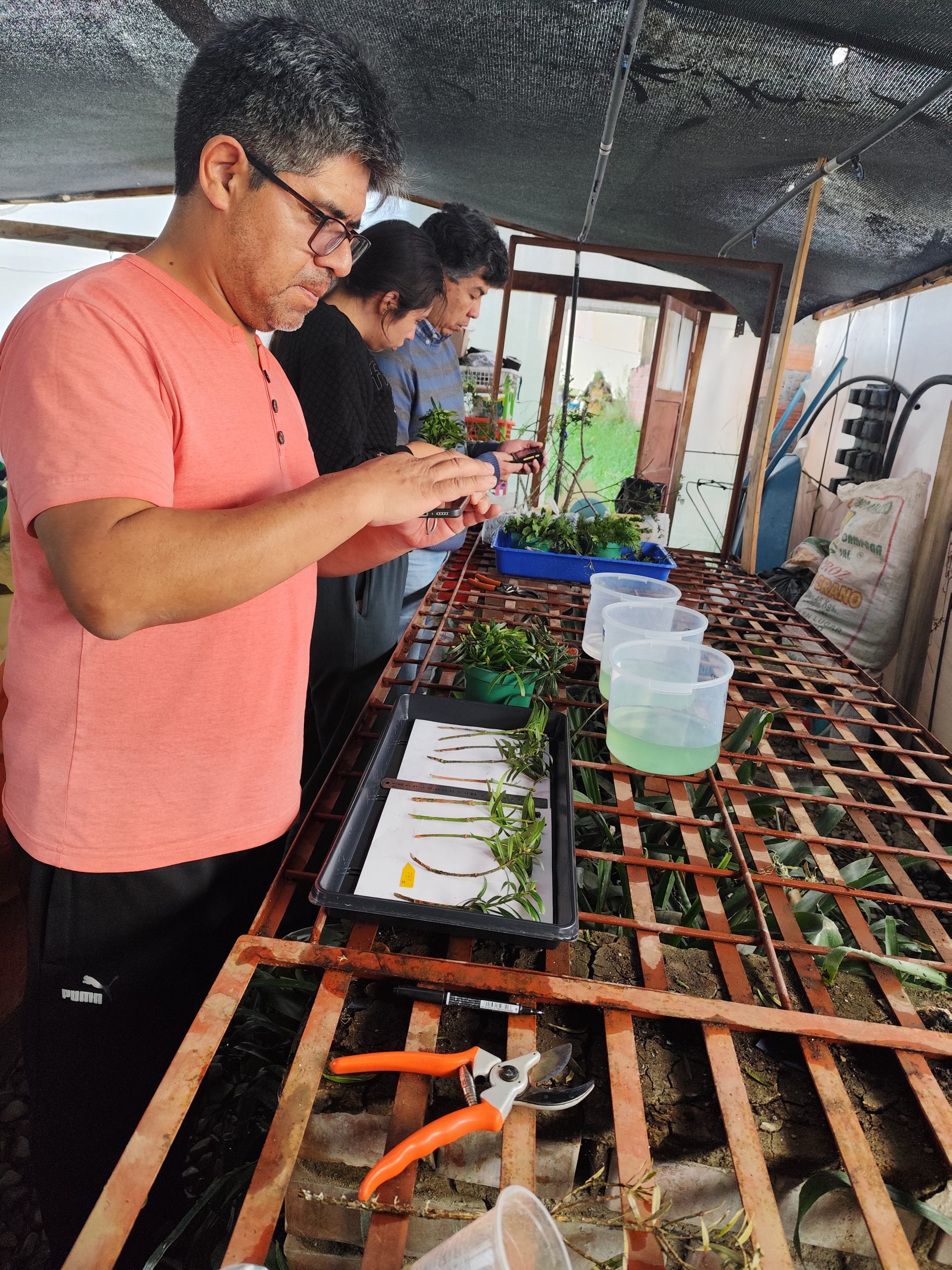
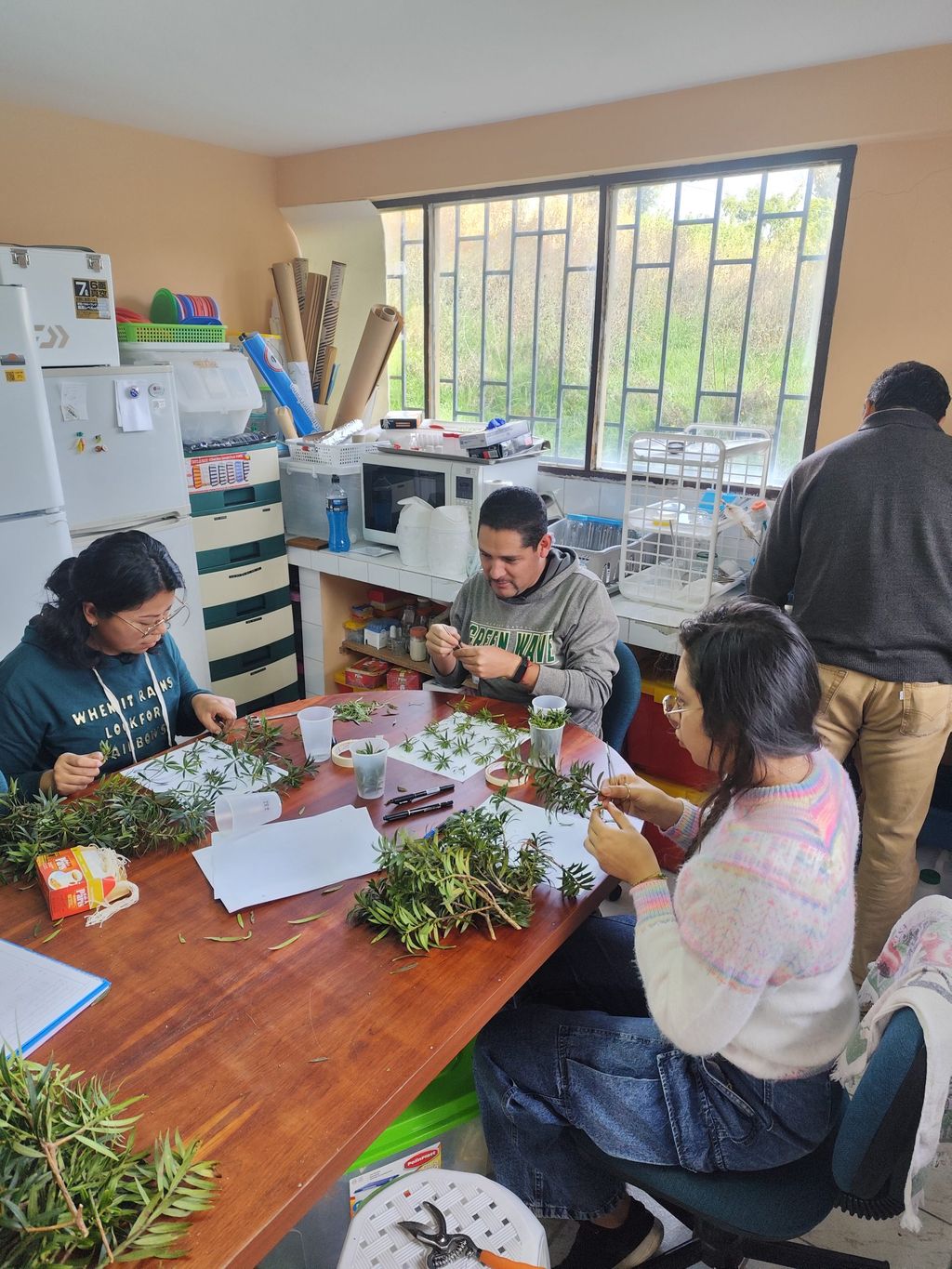
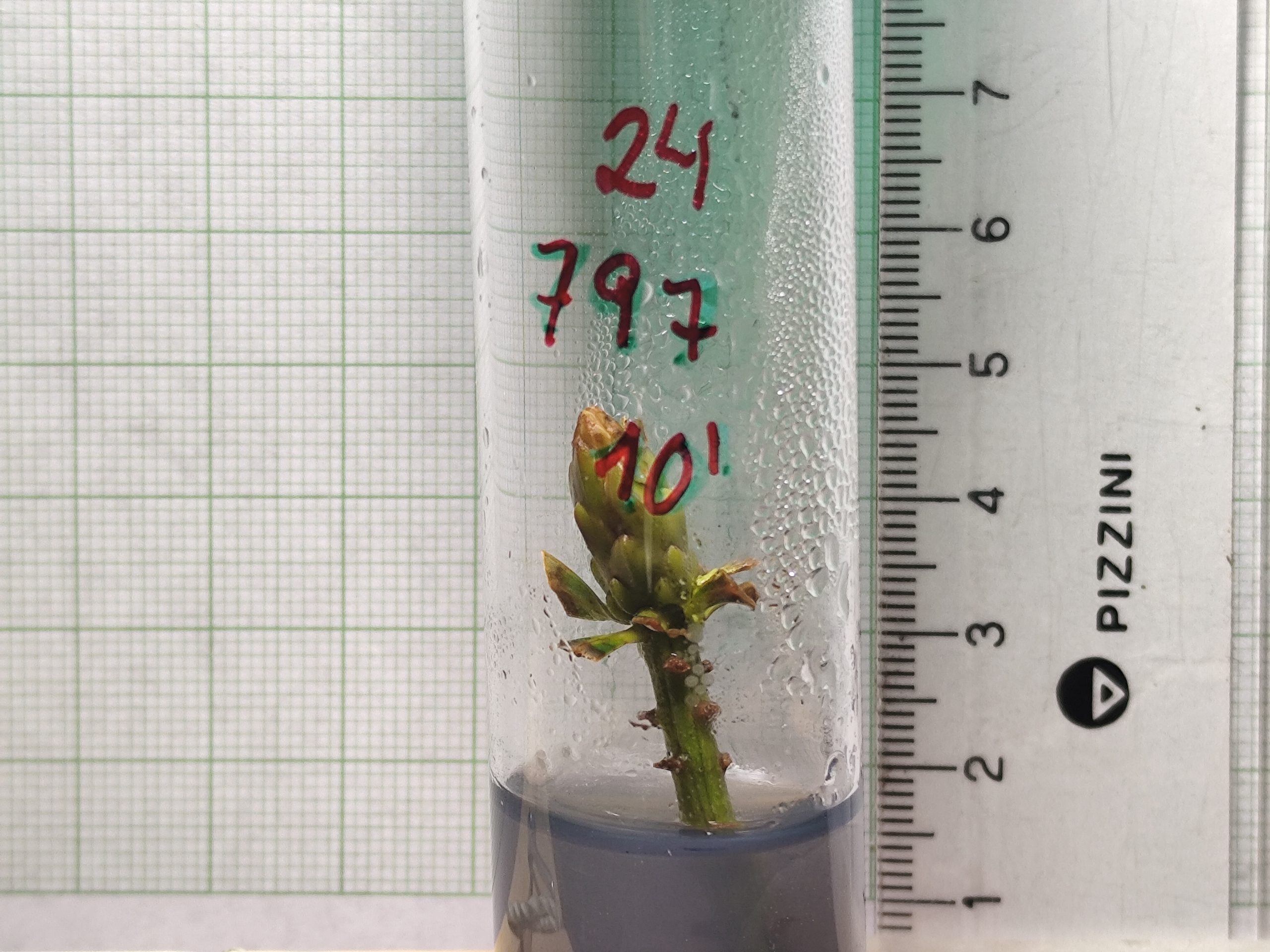
Initial in vitro trials using shoot and bud cultures were unsuccessful due to contamination but yielded important insights into species-specific challenges and limitations. The project then shifted to vegetative propagation using cuttings, testing various substrates and rooting treatments. This adaptive approach identified effective methods, particularly the use of sand substrates and auxin-based hormones, significantly improving rooting success.
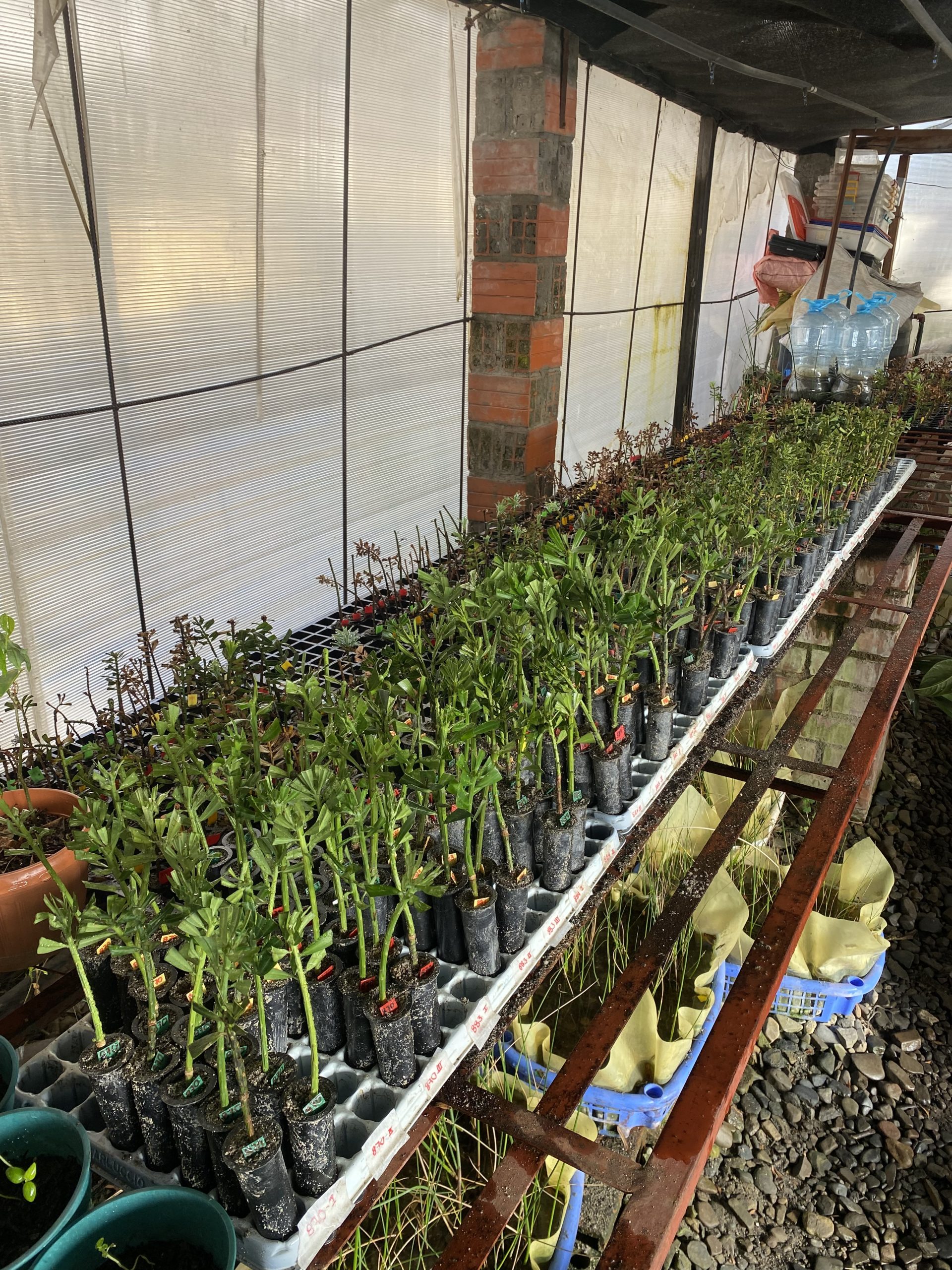
Over 360 cuttings were evaluated, with projections of more than 250 viable plantlets. Although not all had fully rooted at the time of reporting, the project successfully developed a standardized, transferable propagation protocol, enhanced practical knowledge, and strengthened local capacity for conservation horticulture, supporting future restoration efforts.
Throughout the project, local people, students, and early-career professionals were actively involved in field surveys, species identification, collection of plant material, and propagation trials. These hands-on activities provided practical training on the ecological importance of native Podocarpaceae, their threatened conservation status, and the challenges associated with their reproduction and management. A short project video was produced as a communication and outreach tool, which documents field activities, propagation efforts, and key messages about the importance of conserving native Podocarpaceae.