Plant Identification Workshop Series, Bermuda
-
Status of project
Completed -
Region
Latin America and the Caribbean -
Country
Bermuda -
Programme
BGCI -
Workstream
Saving Plants -
Topic
Services for Botanic Gardens
“Basic Plant Identification Workshop Series” – An Incentive And Rewards Based Staff
Training module For Building Collections Management Capacity
Project Status: Completed 2025
Funded by: The Leon Levy Native Plant Preserve via the Global Botanic Garden Fund
Project Partner: Bermuda Botanical Gardens, c/o Department of Environment and Natural Resources- Government of Bermuda
Introduction
Bermuda’s only Botanical Garden—Bermuda Botanical Gardens (BBG)—has long served the island but has suffered from years of underinvestment. This has led to the loss of key staff, declining facilities and collections, as well as reduced institutional knowledge. There was an identified need for targeted staff support and horticultural training.
Project Goals
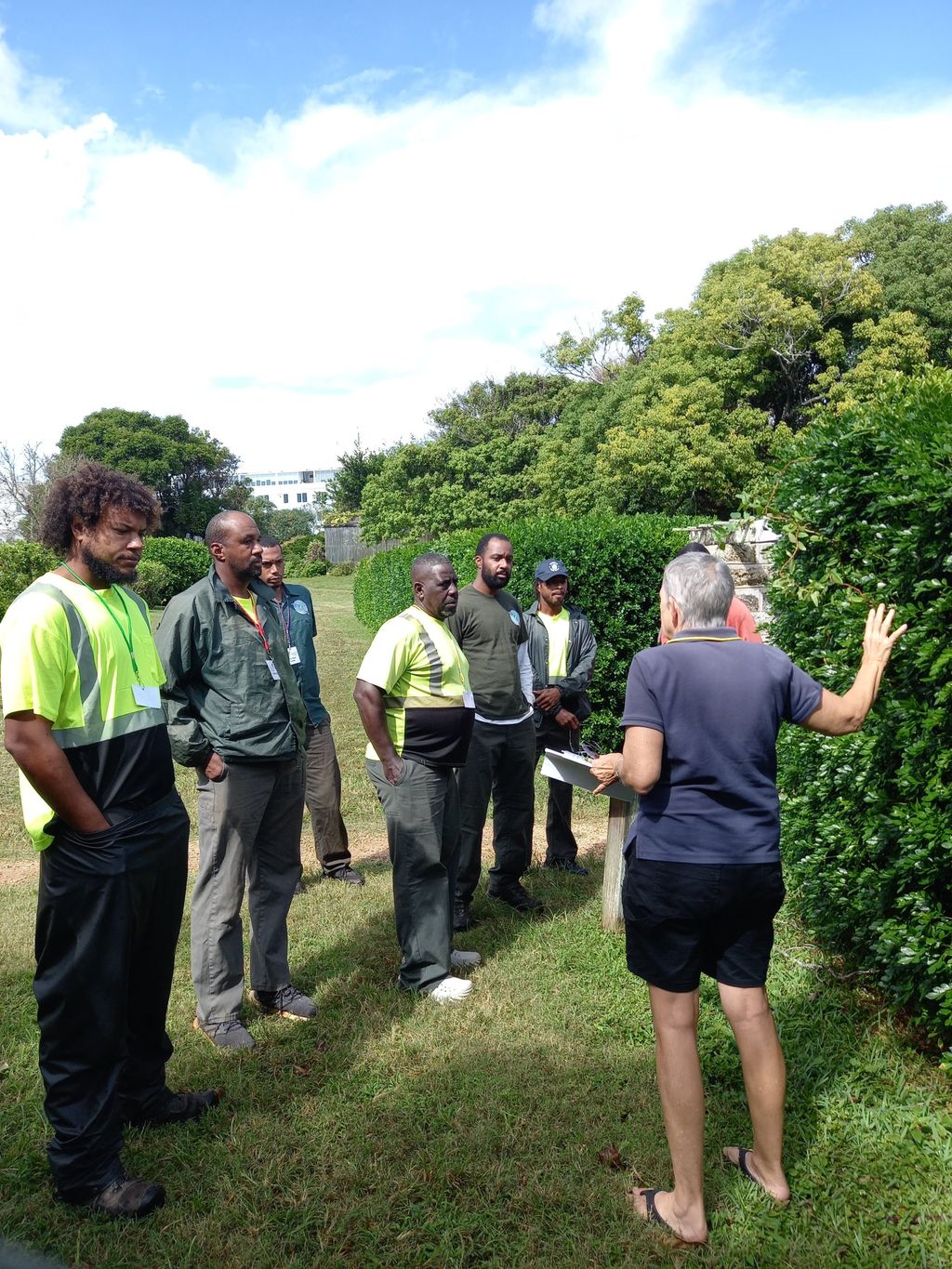
This project proposed a 2025 pilot training workshop series for BBG staff called “Plant Identification Skills,” to include performance-based incentives and rewards to encourage participation, rebuild interest in horticulture, and strengthen staff capacity.
Key Achievements
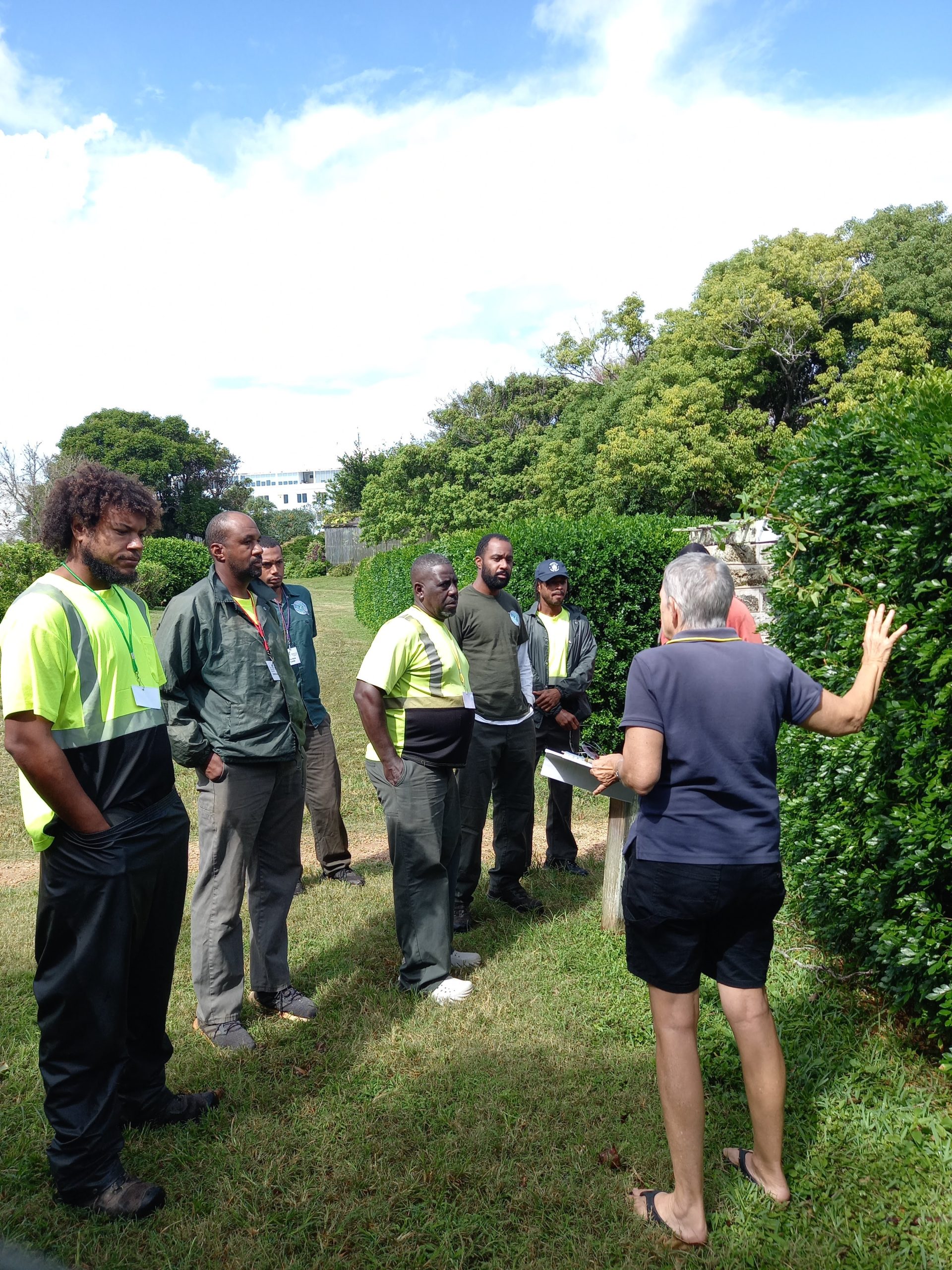
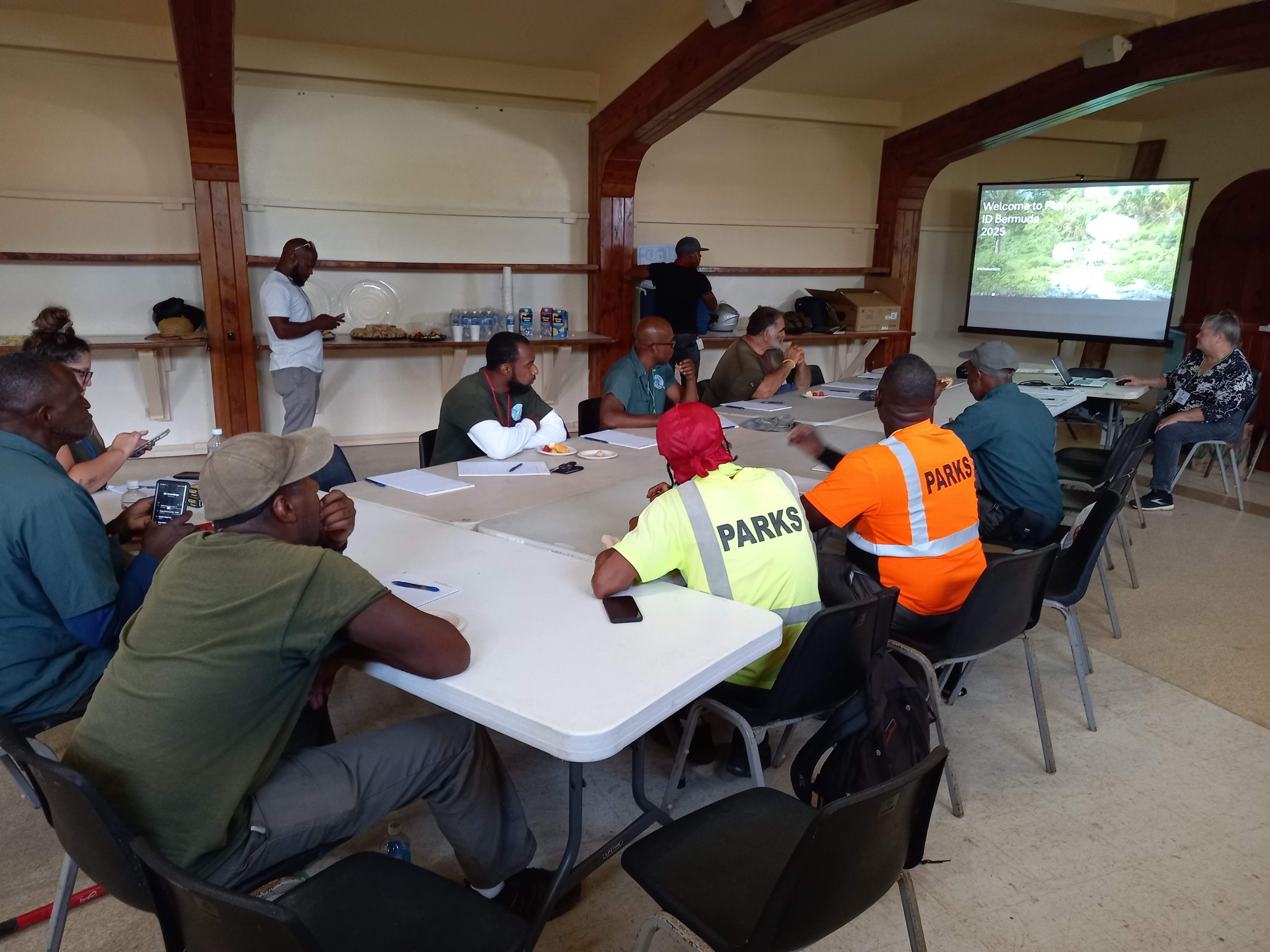
The project built public–private partnerships and provided 13 participants with practical skills to identify 30 important plants in Bermuda. Participants learned to distinguish between indigenous, introduced, and invasive species and understood the ecological and economic impacts of invasive plants. A May 2025 briefing gained Parks Department support, and the course was expanded to all field staff, leading to high demand. The department covered meal costs, allowing more funds for performance incentives. Interest in the initiative was further boosted by a July 2025 inventory and accreditation readiness assessment.
Two indigenous species—Yellowwood (Zanthoxylum flavum) and Bermuda Olivewood (Elaeodendron laneanum)—were highlighted due to conservation concerns. Discussions encouraged monitoring, conservation strategies, and horticultural techniques to support their recovery. Increased awareness of the critically endangered Zanthoxylum flavum also led to improved monitoring and reporting of trees in national parks.
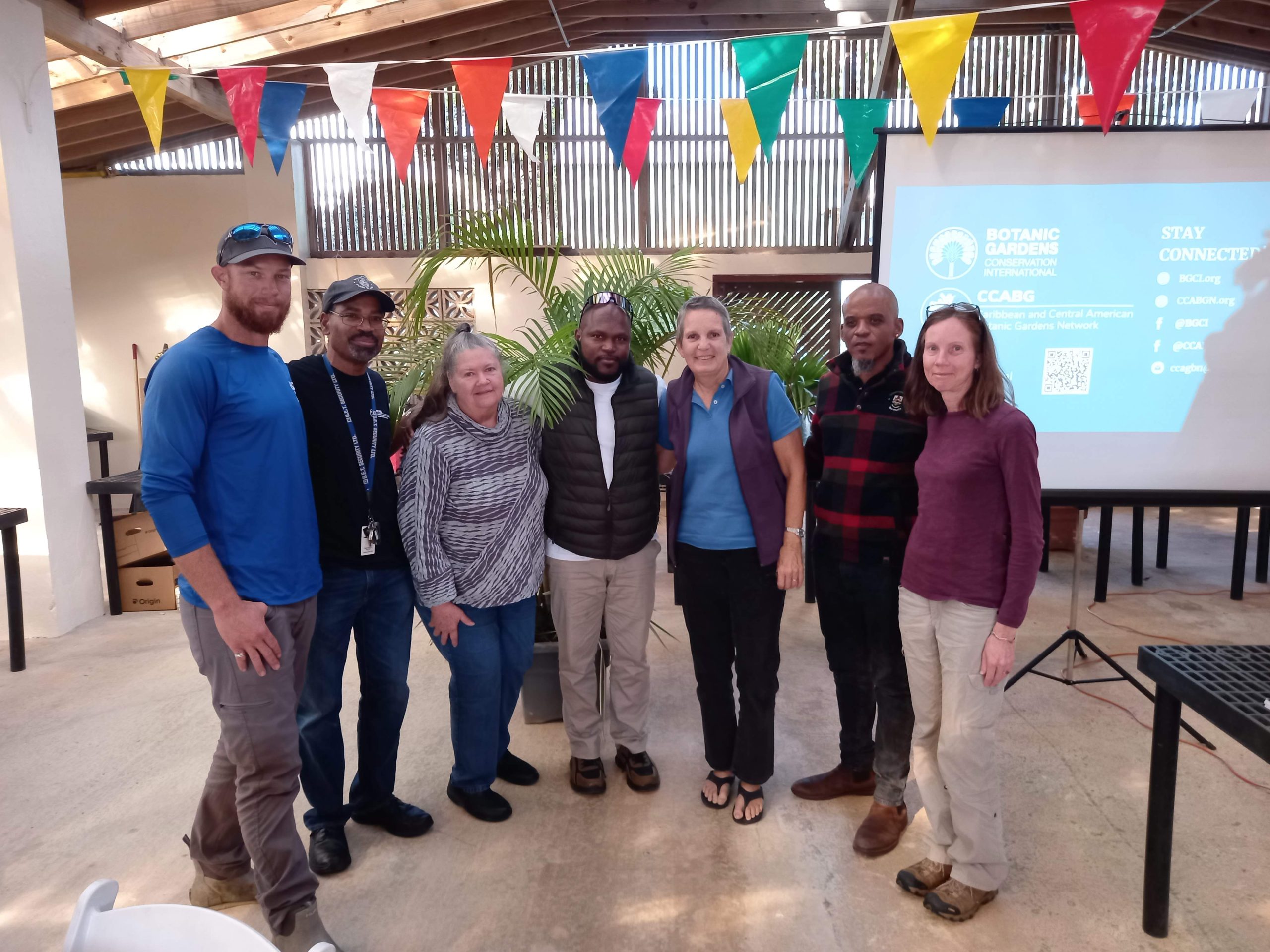
As well as the 13 attendees, the program engaged with 18 BG and Parks staff, 11 plant specialists, the Bermuda Botanical Society, Parks Department senior management, and local media coverage.