People, Primates, Plants: Co-managing Biodiversity and Improving Livelihoods in Vietnam
-
Status of project
Completed
Project Summary
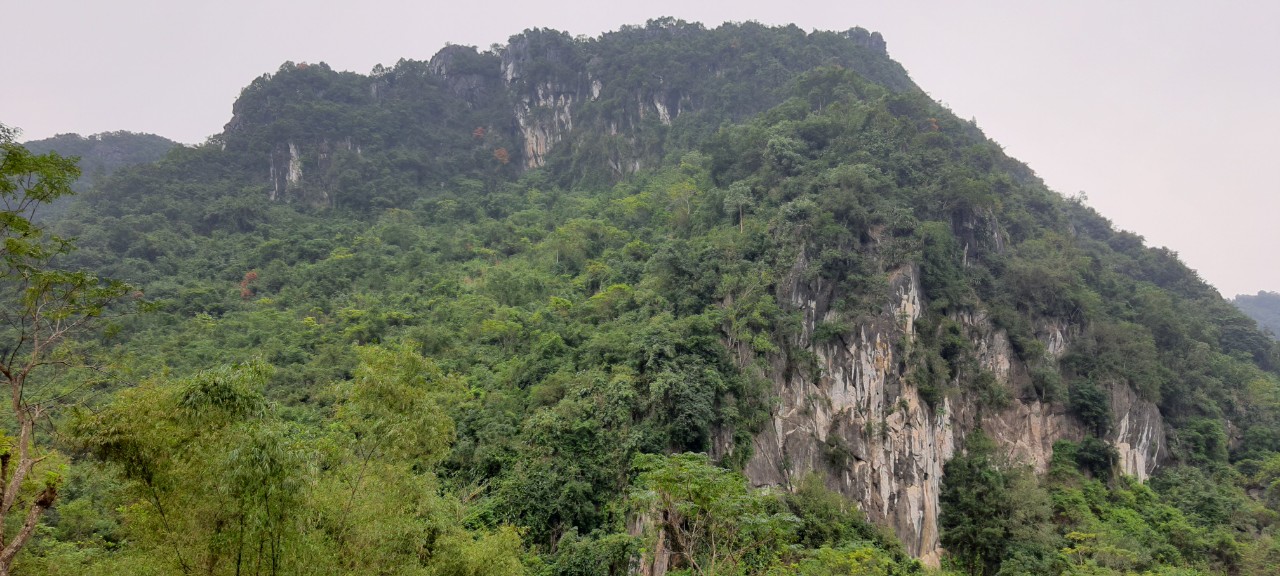
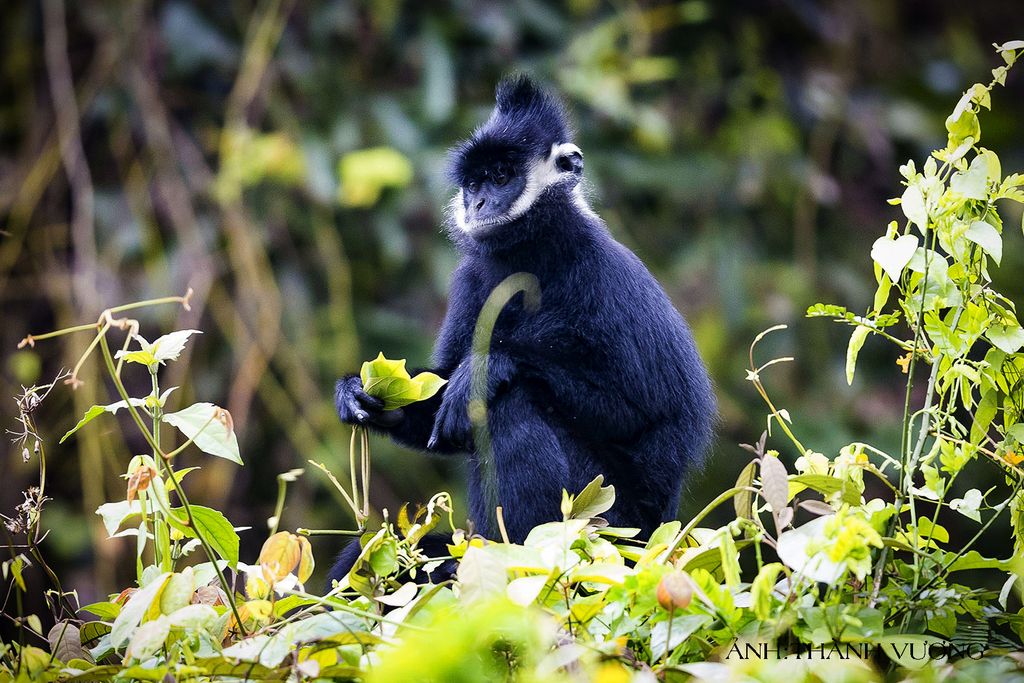
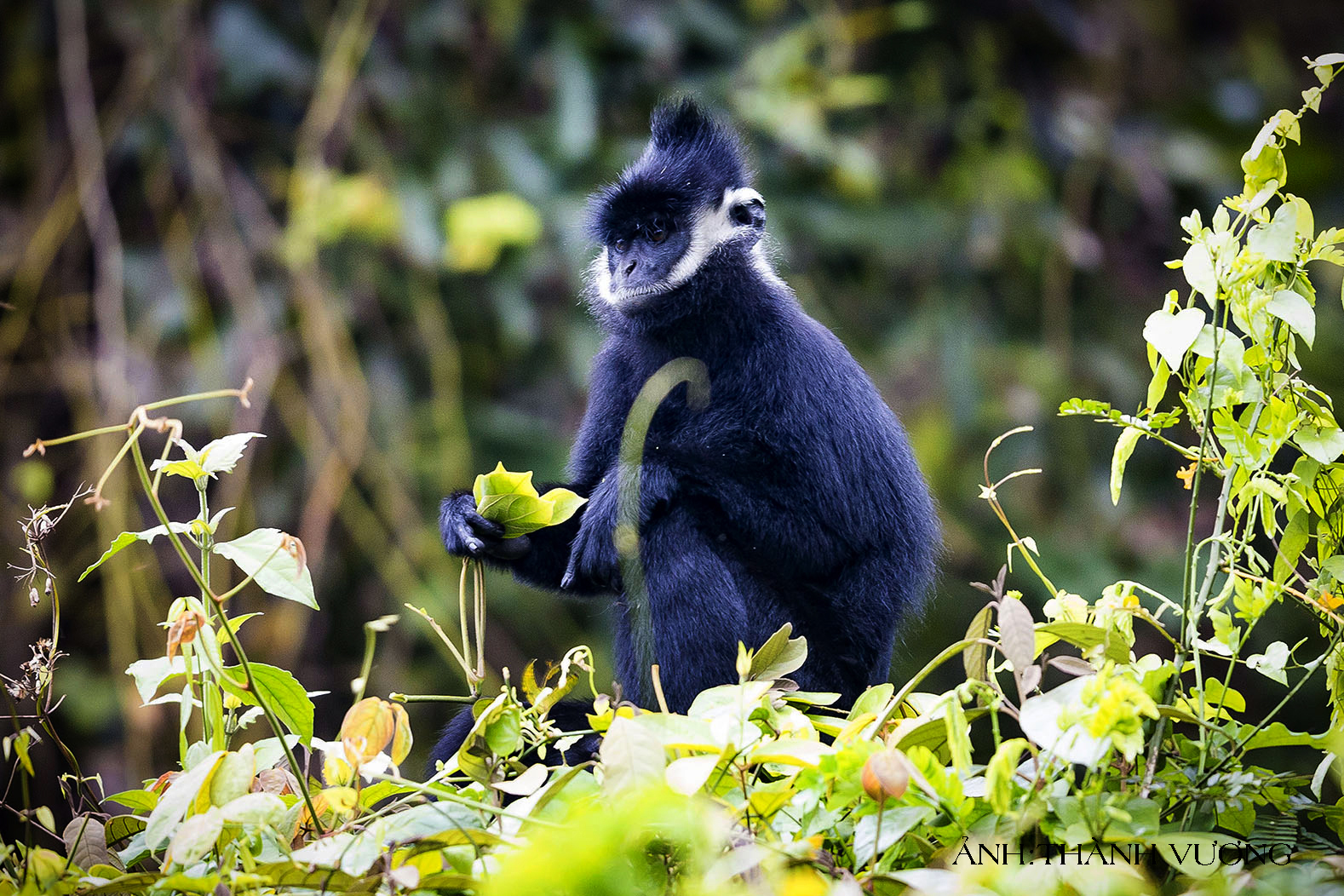
Tuyen Hoa district in Vietnam’s Quang Binh province (presently Quang Tri province), located in the Indo-Burma biodiversity hotspot, boasts exceptional natural and cultural wealth. The region’s evergreen tropical forests are home to unique fauna and flora. This includes the Endangered (IUCN) and CITES Appendix II listed Hatinh langur (Trachypithecus hatinhensis), and threatened tree species such as the Critically Endangered ebony Diospyros mun and the Endangered legume Pterocarpus macrocarpus. Illegal cutting of valuable timbers, wildlife hunting, in particular of the Hatinh langur, agricultural expansion, and indiscriminate collection of non-timber forest products, are key drivers of biodiversity loss. Quang Binh province therefore has approved the establishment of over 500 hectares of Special-use forest (SUF) in Tuyen Hoa. The SUF presents important biodiversity conservation opportunities but also challenges for livelihood security of some 2,770 households, half of whom are low income households and dependent on wild forest resources, farming and raising livestock in the SUF area. The establishment of SUF directly impacts their livelihoods as legal restrictions apply to agricultural activities and collection of forest products.
The Project addressed these issues by:
- Strengthened livelihood security of the Kinh and other local ethnic groups through sustainable agroforestry models. This enhanced household engagement in developing new value chains and markets for local products, thereby mitigating livelihood losses, and providing alternative opportunities to those directly affected by SUF establishment.
- Developed practical SUF co-management models that involve and recognised the voluntary community groups as a key mechanism to protect native forest resources. For instance, this included the creation of ecological connectivity for langurs through planting of native timber and fruit tree species, connecting currently fragmented patches of SUF. In turn, these actions generated recommendations for community-based conservation at the national level as there is still no overall legal framework in place regulating such initiatives.
- Enhanced technical capacity on ecological restoration and sustainable agroforestry to reduce the lack of knowledge and practical knowhow among local communities about the links between langur conservation and the restoration needs of the wider habitat. Moreover, increased awareness of potential zoonotic infections of humans from regular interactions with wild animals such as with the native langur. The Project delivered a series of training courses focusing on these technical areas and initiated practical forest restoration and agroforestry models.
- Promoted policy recommendations on best-practice models for SUF community co-management, sustainable agroforestry and forest ecological restoration with local, provincial and national authorities for policy dialogue and integration in ongoing and future policy frameworks and strategies for sustainable forest co-management. These highlighted and strengthened the role of local people as the primary custodians of their forest biodiversity.
For more information about the project achievements, scroll down to the second half of the Project Review for the English version. This page will only focus on the education aspects of the project.
Education and Public Engagement Strategy
Goals of the Education and Public Engagement Strategy were to:
- Increase public awareness about the White-necked langur, its endangered status, and the
importance of the conservation of this species and its habitat. - Educate the public about the risks of zoonotic diseases and promote good hygiene practices
and responsible interactions with wildlife to reduce the risk of transmission. - Engage local communities and foster a sense of ownership and responsibility towards the
conservation of the White-necked langur and its habitat. - Establish partnerships and collaborations: foster partnerships with local authorities, NGOs
and volunteer groups working in the area, to work collaboratively towards the conservation
of the Langur and its habitat.
Overview of activities delivered
Training of Trainer (ToT) sessions with forest rangers, Commune People’s Committees, Village Heads, representatives of schools in project communes, and VCG members, about SUF conservation and zoonotic disease prevention.
- 41 participants attended the 2-day ToT programme in December 2023, which covered topics like biodiversity, the risks of disease transmission from animals to humans, and practical communication strategies for raising awareness.
School activities for primary and secondary schools to equip students with the necessary knowledge and raise their awareness about the White-necked langurs and their habitat in Tuyen Hoa district, as well as their protection and possible disease transmission.
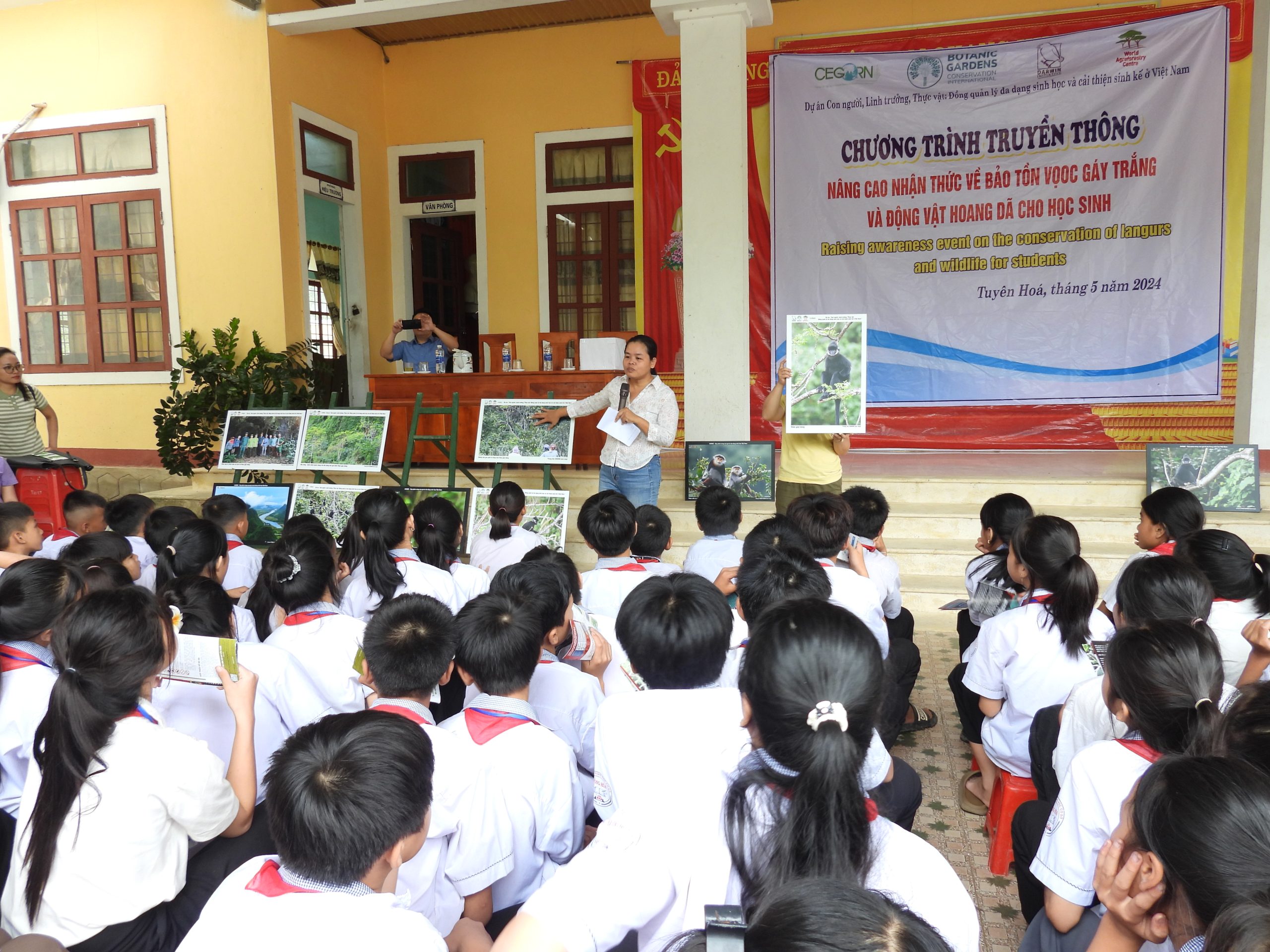
- The school programme involved 766 students and 40 teachers from four secondary schools and was organised in May 2024. A photo exhibition was put up in each school to learn more about biodiversity in the Quang Binh province, followed by a workshop. Ten students from the workshop were chosen to act as ambassadors and joined a field trip to observe the White-necked langur in the wild organised by the Volunteer Conservation Group.
- To support conservation education a comprehensive Teacher’s Toolkit was developed in both English and Vietnamese. This resource included a variety of activities designed to raise awareness about the importance of protecting the White-necked langur and its limestone mountain forest habitat. As part of the initiative, ecology lessons were adapted to incorporate local examples, making conservation education more relevant and impactful for students. The toolkit was tested in February 2025 by a teacher and 30 students.
- Four schools participated in an art contest with the theme “Protecting the White-necked langur”. The teachers made a selection of the best artworks and 17 of these were shortlisted. Over 1000 people viewed the artworks and voted for their favourites via Facebook.
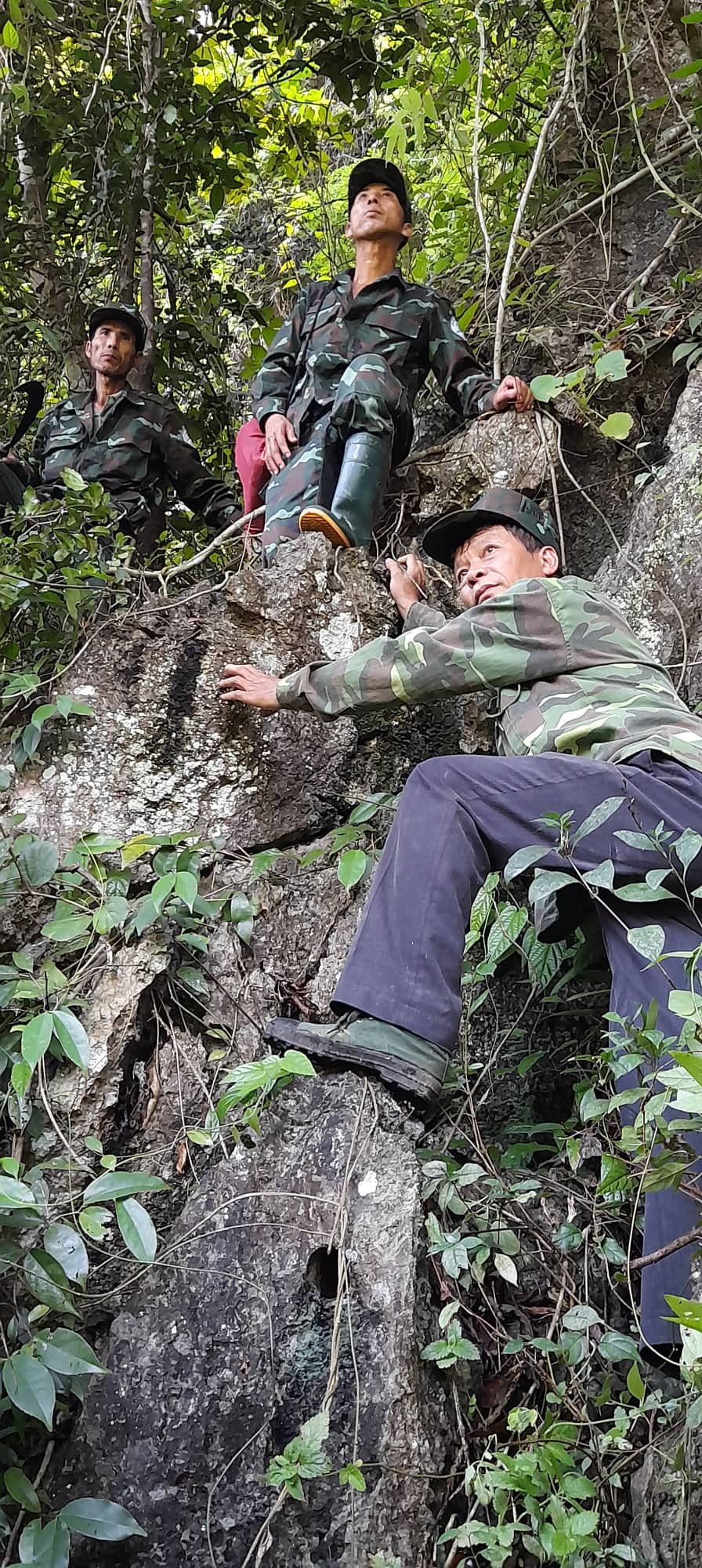
The Volunteer Conservation Group activities focused on community engagement, primarily through village meetings and patrols.
- These meetings served as platforms for raising awareness about the langur, its endangered status, and the broader biodiversity of the region. The group also used patrols to monitor wildlife and educate locals about conservation practices. The group conducted 69 sessions and reached 265 community members, discussing the importance of protecting the White-necked langur, its role in the local ecosystem, and strategies for reducing human-wildlife conflict.
Awareness materials and media
- Two informational leaflets were designed about the the langur’s ecology and habitat and about zoonotic disease prevention. The inception workshop was broadcasted on Quang Binh TV and three videos were produced emphasising the importance of conserving the langur and raising awareness about zoonotic disease transmission risks, as well as highlighting the efforts of the VCG and its volunteers.
Conclusion
The People, Primates, Plants: Co-managing Biodiversity and Improving Livelihoods in Vietnam project has made significant strides in raising public awareness and fostering community engagement around the protection of the White-necked langur and its habitat. Through a combination of well-structured activities, including training sessions, school programmes, art contests, and media outreach, the project succeeded in not only informing local communities about the importance of biodiversity conservation but also inspiring tangible actions towards sustainable practices and zoonotic disease prevention.
The collaboration with local authorities, NGOs, and volunteer groups has strengthened the project’s impact, building a network of partners dedicated to the conservation of the langur and its habitat. These partnerships have not only facilitated knowledge-sharing but also created a platform for collective action towards the long-term protection of biodiversity.
While the project has made considerable progress, ongoing efforts will be necessary to ensure the sustainability of the initiatives. Future actions should focus on strengthening local capacity, expanding community engagement, and ensuring the continued use of the tools and knowledge shared through the programme. The experiences and lessons learned from this project provide valuable insights that can inform similar conservation and public engagement initiatives in other regions.
In conclusion, the People, Primates, Plants project has successfully contributed to the conservation of the White-necked langur and its habitat, enhanced community awareness around the importance of forest protection and restoration, and provided a platform for sustainable environmental action. With continued support and commitment from all stakeholders, the long-term protection of this iconic species and its habitat remains within reach.
Partners
Supported by the UK government’s Darwin Initiative, this project was implemented in partnership with the Center for Highland Natural Resource Governance Research (CEGORN), Viet Nam, ICRAF (World Agroforestry), Viet Nam and Langur Conservation Voluntary Group (VCG). This 3-year project ran from June 2022 to March 2025.