Improving Community Sustainable Natural Resource Management of Mount Mulanje
-
Status of project
Completed -
Region
Africa -
Country
Malawi -
Topic
Public Engagement
Improving Community Sustainable Natural Resource Management of Mount Mulanje, Malawi
Overview
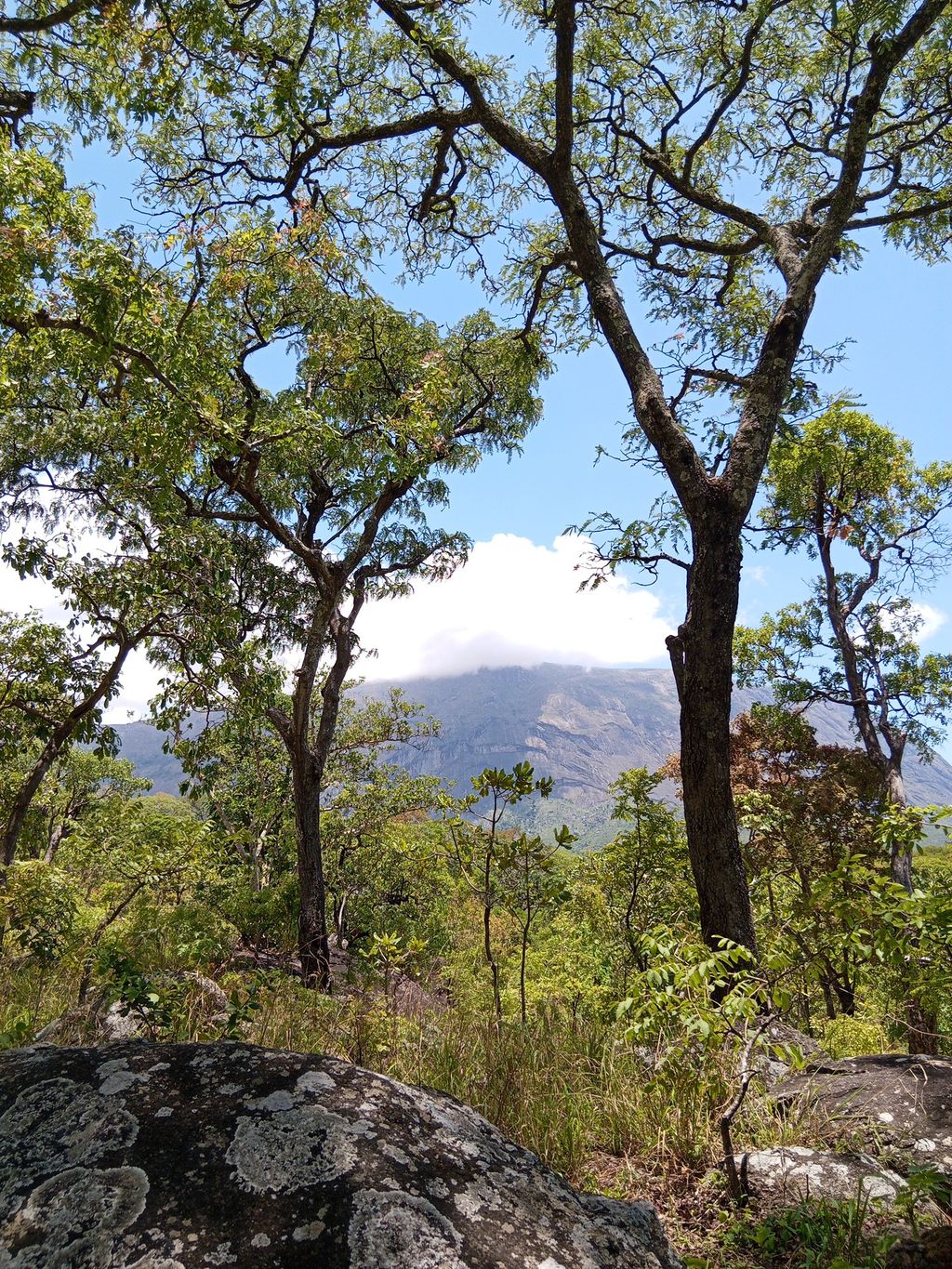
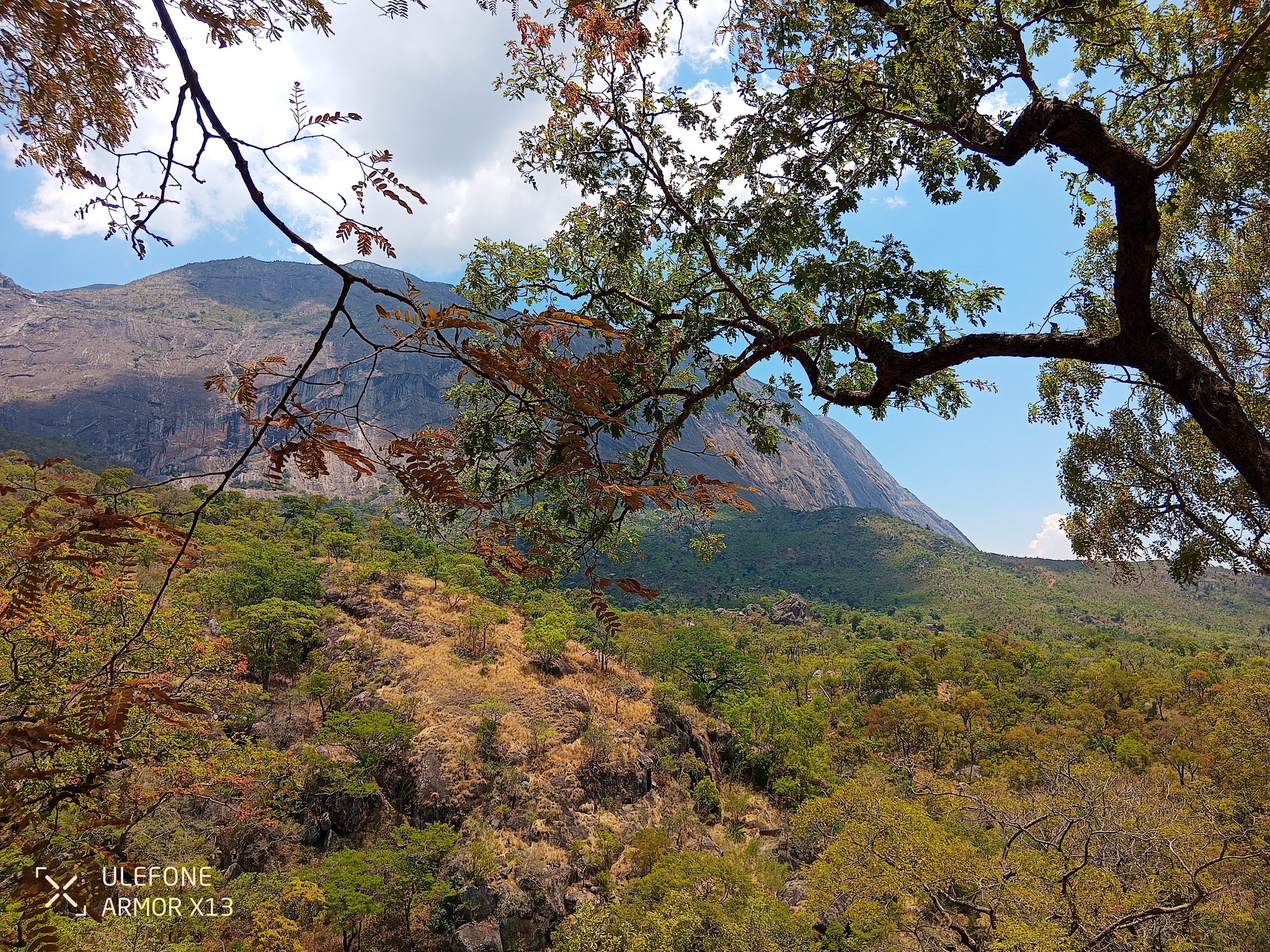
The biodiversity challenges around and in Mount Mulanje Biosphere Reserve are linked to the local socioeconomic context. Few income-earning opportunities and insufficient farmland for a large rural population, exacerbates a reliance on mountain resources to support livelihoods. Deforestation and degradation have resulted, with particular impacts from fuelwood use, logging, and agricultural conversion. These also occur within the reserve. The miombo woodland (Brachystegia spp. dominated) that directly neighbours communities has seen the brunt of fuelwood and farming impacts, whilst logging impacts the Afromontane systems in the upper reaches of the mountain.
As resources are depleted, there are less for people to derive livelihoods from, whilst the impacts of extreme weather events on the rural communities have become much more significant with the lack of tree cover. Landscape restoration and rehabilitation is needed to revert this situation.
This project aimed to develop sustainable livelihoods options from native plants and fungi from Mount Mulanje Biosphere Reserve as alternatives to practices that damage mountain ecosystems, reducing biodiversity and livelihood opportunities. It focussed on 27 villages (9,227 households and Ca.42,900 people) that are involved in the management of two reserve co-management blocks (Kazembe and Tchete), that have a remit to be sustainably managed for biodiversity and people (see figure 1). The project partners worked with businesses and local communities to access markets for native plant and fungi products, including completing FairWild certification application.
A community co-operative and a social enterprise has been established and supported to manage market opportunities, and degraded, co-managed land is being restored including through protection activities and replenishing over-exploited economic species in the most degraded areas.
This project page relates to the education component of the project. For the wider project overview please click here.
Outputs relevant to Public Awareness
The following outputs were specific to the education components of the project:
Output 3: At least five community co-operatives established (with at least 50 community members in each, 50% female) and trained to cultivate, harvest and process products from the five selected target species, and >75,000 households with raised awareness of the importance of sustainable management practices to biodiversity and people.
Indicator 3.5: The understanding of the importance of biodiversity to livelihoods, and ways and benefits of sustainable use increased at least 20% compared to the baseline survey.
Activity 3.6: Baseline Knowledge, Attitude and Practice (KAP) survey undertaken to assess the general populace’s thoughts on conservation and sustainable use of natural resources.
Activity 3.7: Conservation and sustainable use of miombo promoted, with the target species on local radio, television, in schools and at events like the yearly porter’s race.
Activity 3.8: Second KAP survey to assess success of public awareness and highlight activities still needed.
Role of the Education Team
A KAP survey was conducted in October 2023 with 1001 participants to evaluate community awareness, perceptions, and behaviours regarding sustainable natural resource use, focusing on charcoal and firewood. The goal was to identify knowledge gaps and promote positive behaviour changes to support sustainable practices.
The public engagement began with a Behaviour-Centered Design (BCD) training for project partners MMCT (Mulanje Mountain Conservation Trust), WESM (Wildlife and Environmental Trust of Malawi) and WeForest to create interventions for the problem on addressing charcoal production and firewood overexploitation to safeguard biodiversity in Mount Mulanje’s natural reserve while supporting local livelihoods. BCD is a framework which combines behavioural science and design thinking to create effective solutions for environmental challenges. It focuses on understanding the human, social, and contextual drivers behind environmental actions, utilising an eight-step process—from framing the problem to assessing the launch process—to encourage lasting behaviour change in communities.
Through the ideation and evaluation process, three priority interventions were selected: Radio Programmes, Community Meetings and Leadership Training for Village Heads.
Public Engagement Activities
- Radio Programmes and jingles for the general audience: A radio series was broadcast on Mzati FM, a widely listened to station in the area. 13 one-hour episodes were developed, covering topics such as the Forest Act, importance of biodiversity, promotion of Mount Mulanje’s unique biodiversity and community roles in conservation. Several episodes included live call-in segments to encourage audience participation. Ten episodes were broadcasted in Year two of the project. In Year three, three new episodes were produced and broadcast along with six previously aired episodes. The programmes ran from Jan-April 2024 and Jan-Feb 2025.
- Leadership Training and Chief’s forum for authorities, village heads and chiefs. The local partners organised a two-day leadership training in December 2023 to empower leaders to enforce bylaws, give them a better understanding of unsustainable practices like charcoal production and to promote gender equality. This initiative led to the establishment of a Chief’s forum, which met regularly to discuss biodiversity preservation in Mount Mulanje area in 2024.
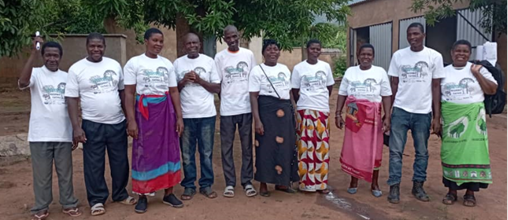
- Community meetings for the local villagers, and especially girls and women to raise awareness of the environmental impact from charcoal burning and firewood overexploitation, importance of biodiversity for livelihoods, social issues like exploitative marriages linked to charcoal production.
A mid-term KAP survey was undertaken in Year two of the project with 251 participants to analyse the impact of the interventions. In Year three the following public awareness activities were delivered:
- Porter’s Race for the general audience. In July 2024, the project engaged in the annual Porter’s Race in the Mount Mulanje region – a challenging 25-kilometer course through the mountain’s rugged terrain. The project sponsored 50 of the 150 runners (25 females) and 200 people visited the information stand with banners, stickers and leaflets.
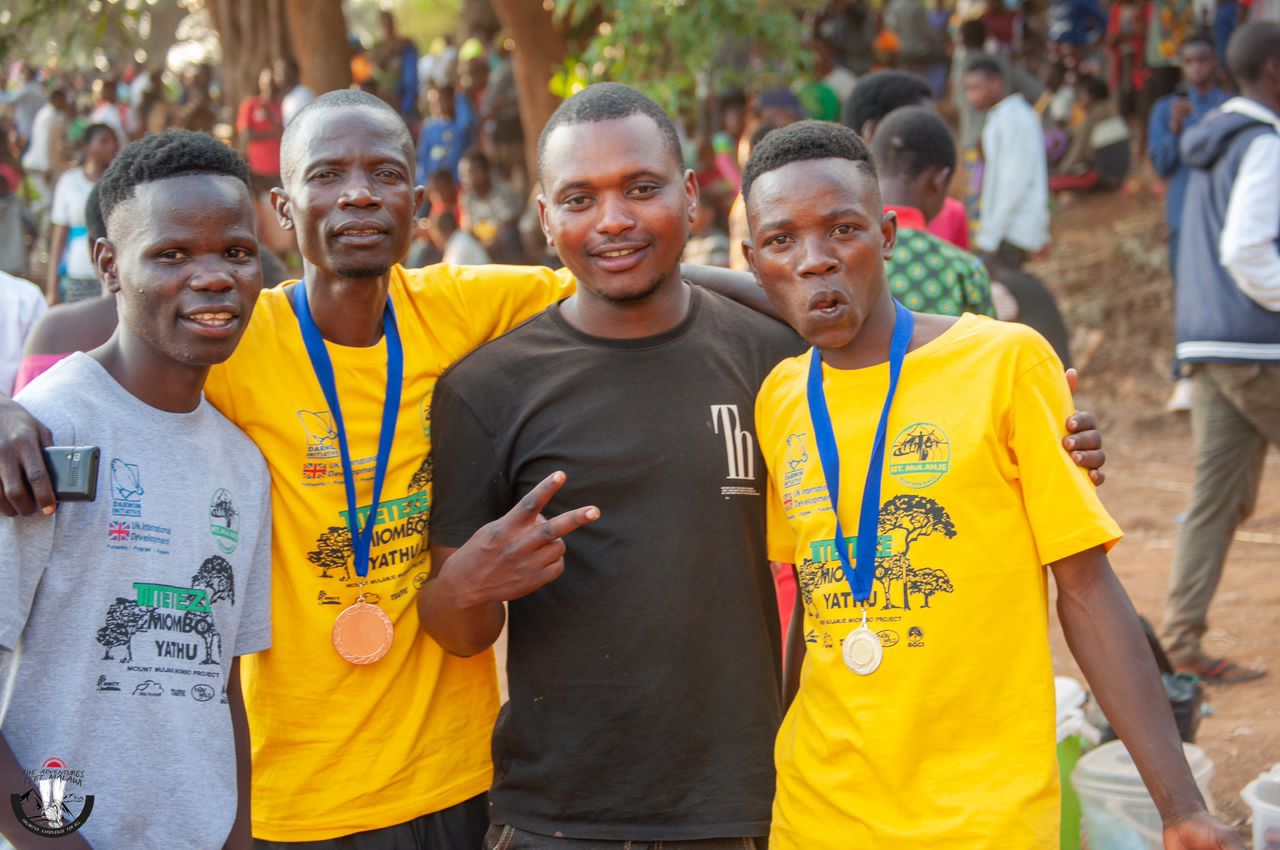
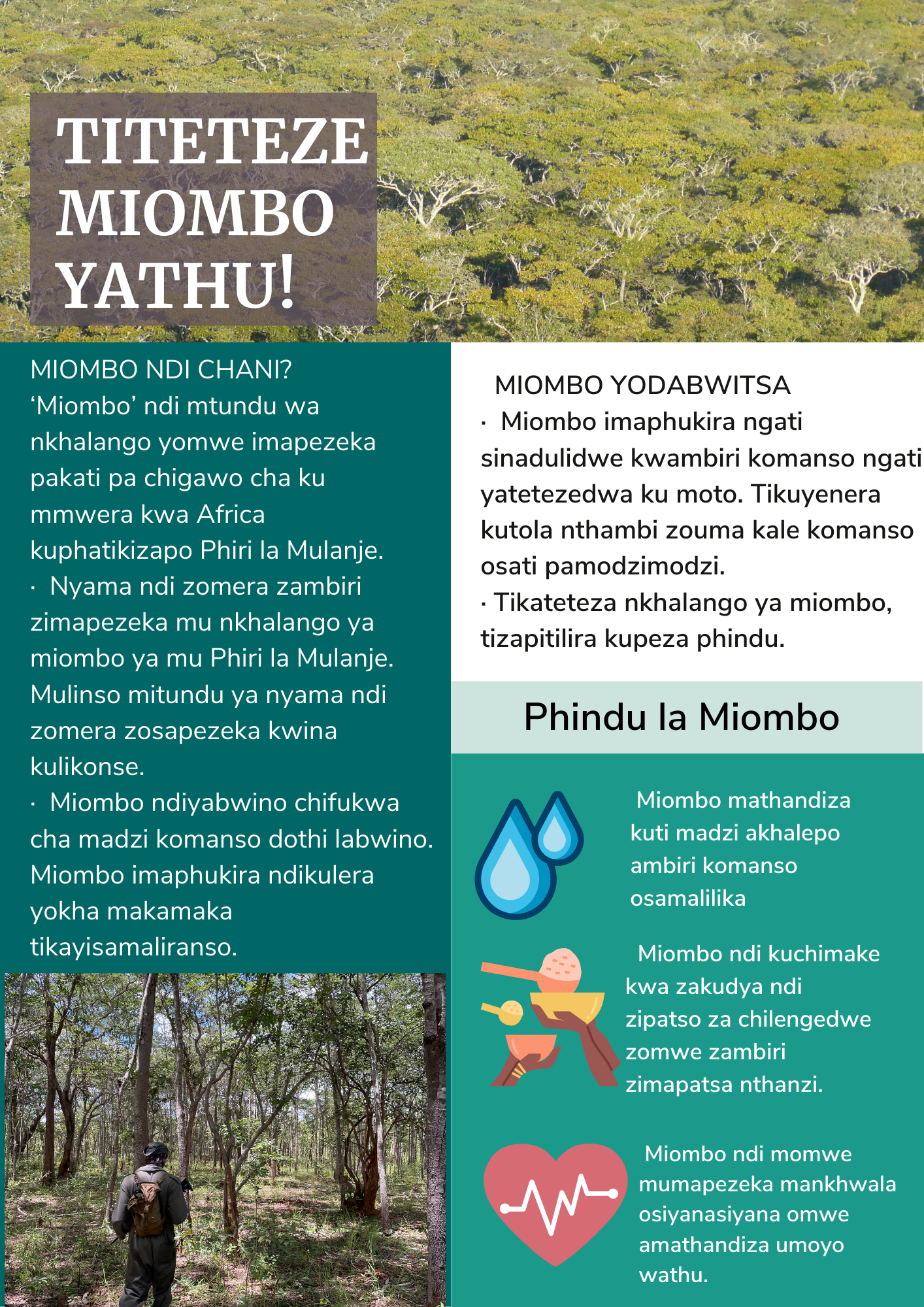
- Awareness and promotion materials: Materials produced included a stand banner, stickers with the campaign slogan Titeteze Miombo Yathu (Let’s protect our Miombo), informative leaflets and t-shirts.
- Mobile Van Campaign for the general audience: This campaign was designed to raise awareness about sustainable alternatives to firewood and charcoal. An estimated 2,500 people were reached in trading centres, markets, and village squares. The van broadcasted jingles and announcements, distributed leaflets and t-shirts, and engaged directly with the public through Q&A sessions.
In October and November 2024 environmental education sessions took place in ten schools (four secondary and six primary schools) to deepen learners’ understanding of the Miombo ecosystem, promote sustainable forest management, and encourage compliance with the Forestry Act and By-Laws.
- Guided nature walks to engage youth, educators, and community members: Guided nature walks were conducted to explore the Miombo belt and raise awareness about conservation and sustainable practices. 82 participants of different secondary schools, wildlife clubs and their patrons and matrons and community members from village natural resource management committees from the region joined the walks.
- Miombo awareness session with Youth Environmental Club: A half-day session to enhance the mindset change and encourage participation in environmental conservation among youth and partners for five Conservation Youth Clubs.
- Art and essay competition with primary and secondary schools: Themed ‘My Miombo’, WESM organised an art competition for the primary schools and an essay writing competition for secondary schools in January 2025.
Partners
Supported by the UK governments’ Darwin Initiative, this project was implemented in partnership with WeForest, Mulanje Mountain Conservation Trust (MMCT), and The Wildlife and Enivironmental Society of Malawi (WESM).
This 3-year project ran from April 2022 to March 2025.