Declaration on Intent on Climate Action Pledges
-
Status of project
Ongoing -
Region
Global -
Topic
Public Engagement -
Type
Case Study
Read about some of the projects signed up to the declaration
Read about some of the projects signed up to the declaration
Commitments made (signed up to the Declaration) for 2026
| Name/institution | Country | Goal(s) committing to | Activities |
| Jardín Botánico Francisco Javier Clavijero | Mexico | 3 & 5 | Botanic Garden National Day 2026: This year’s initiative is “Strategic Zero Waste.” This is a socio‑environmental initiative focused on the comprehensive management of urban solid waste. It seeks to promote a transition toward a circular economy in educational institutions, government agencies, and natural spaces, it is about fostering actions that will have a direct impact on mitigating the effects of climate change. |
| Rupa Rahul Bajaj Centre for Environment and Art, Empress Botanical Garden | India | 1 & 3 | Seasons in the Garden: Year-long educational program focused on understanding weather, climate, and their influence on seasonal changes. This will include 5–6 guided seasonal nature walks and two interactive activity-based sessions exploring weather, climate, biodiversity, and our relationship with nature. |
| Jardín Botánico de Cartagena “Guillermo Piñeres” | Colombia | 5 | Empowering Young Leaders for the Adoption of Seasonally Dry Tropical Forest Conservation Actions – Strengthening participation of 180 young leaders from 6 public schools through environmental education, climate awareness, and biodiversity conservation activities focused on the Tropical Dry Forest ecosystem of the Colombian Caribbean. |
| Global REACH | Liberia | 2 & 5 | Roots of Climate Action: Empowering Youth through Plant-Based Climate Education in Liberia – a structured, school-based climate education programme focusing on building practical knowledge, leadership, and environmental responsibility among students. |
| A team of Ethiopia Biodiversity Institute, Harar Biodiversity Center | Ethiopia | 5 | Youth Climate Champions: Engaging Communities through Plant Conservation – The programme will engage youth, students, schools, and community members through practical climate education. Activities include educational training sessions, guided learning experiences, nursery demonstrations, and a community planting campaign of 500 native seedlings. |
| National Institute of Ecology | South Korea | 3, 7 | Education for Climate Action through Ecological Exhibitions: Five major exhibitions to build the foundations for nature connectedness and climate learning, integrating on-site Ecorium displays with immersive VR experiences. 2026 plans include aligning with national curriculum and community outreach through a travelling exhibition. |
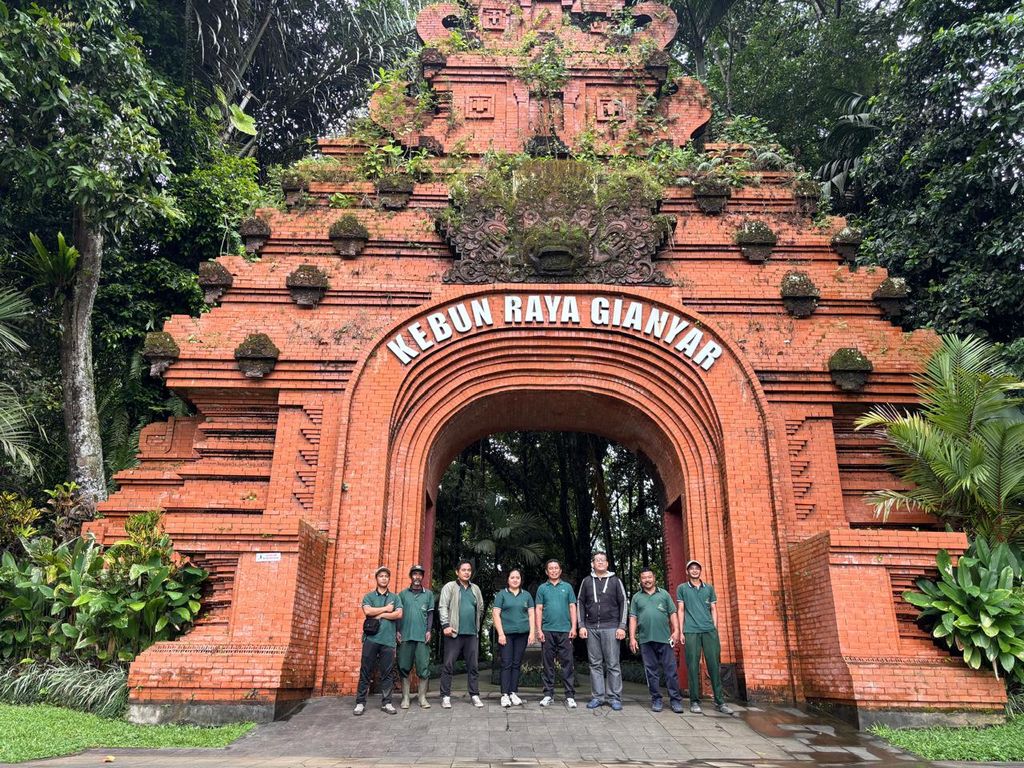
| Ethnobiology Society of Indonesia (Perhimpunan Masyarakat Etnobiologi Indonesia – PMEI) | Indonesia | 1, 2, 3, 5 | Empowering Youth Climate Action through the Conservation of Pinanga arinasae at Gianyar Botanic Garden, Bali: A structured, plant-centred climate education programme anchored by a one-day Youth Climate Camp, complemented by school collaboration and public engagement activities. |
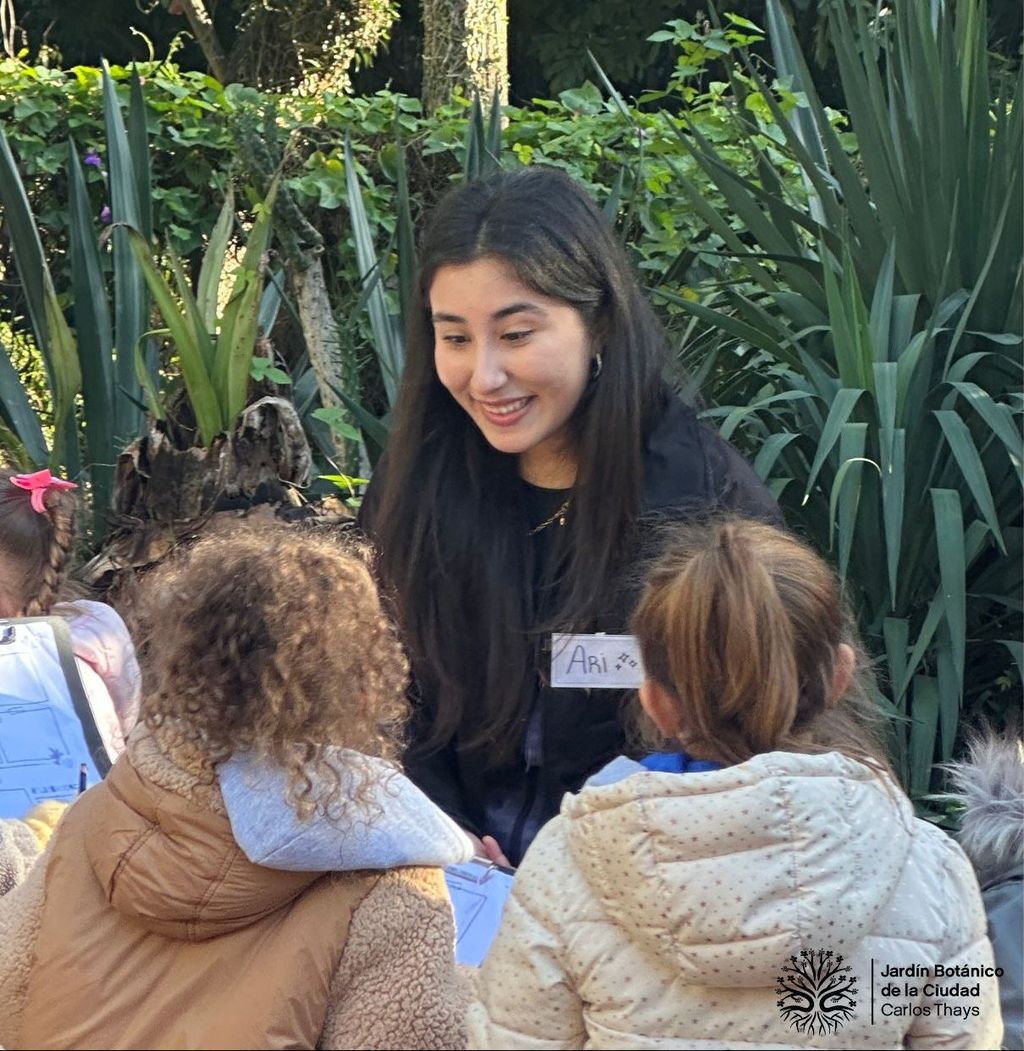
| Jardín Botánico de la Ciudad de Buenos Aires “Carlos Thays” | Argentina | 5 | Youth-Led Climate and Biodiversity Outreach at Buenos Aires Botanical Garden: Strengthening the Advanced Environmental Education Program for Secondary Students (ACAP) by integrating a focused climate action component into its existing educational framework. |
| Rewilding Portugal | Portugal | 1, 3, 5, 7 | Rewilding-Based Climate Learning Programme in the Greater Côa Valley: combines immersive nature experiences with community outreach activities. |
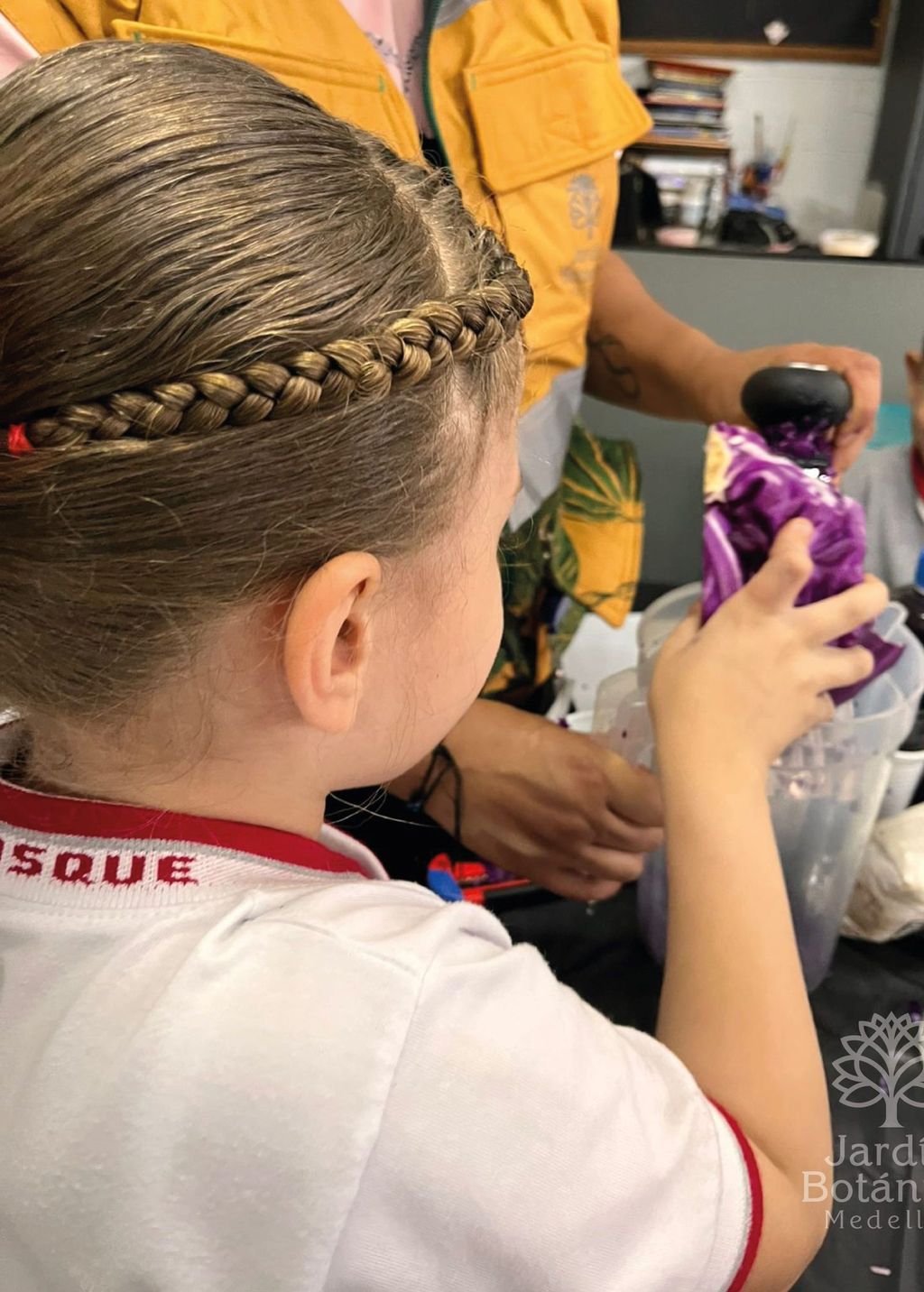
| Jardín Botánico de Medellín | Colombia | 2 | Sowing the Future: Climate Education through School Agroecology in Public Educational Institutions of Commune 4, Medellín District. |
| Environmental Protection and Development Association | Cameroon | 1 | Empowering the Next Generation with Climate and Nature Knowledge through Nature-Based Learning in Five Pilot Schools in the Southwest Region, Cameroon |
| Jardín Botánico del Quindío | Colombia | 1, 3, 5, 6, 7 | The Garden As A Climate Refuge: Participatory creation and implementation of a playful educational tool for understanding the relationships between biodiversity and climate action in the botanical garden. |
| Julio Urgiles at Viveros y Servicios Agroforestales | Ecuador | 1, 2, 5 & 7 | Training of community members in reforestation techniques for wetlands, degraded areas and watersheds. |
| Education team at Hortus Botanicus Leiden | Netherlands | 3 & 6 | Developing a Climate Map: A walk through the garden, using a printed map, and key climate stops – map in circulation 15,000 (Dutch and English combined)On June 12, organizing a day of workshops and lectures, specifically aimed at educators from the 25 botanical gardens in the Netherlands. |
| Municipio de Tepic | Mexico | 1 & 3 | Restoration and Community Participation Days – integrates native tree planting, wetland rehabilitation, and maintenance of ethnobotanical gardens. Participants understand that climate action is a concrete practice based on the restoration of living ecosystems and the strengthening of the link between biodiversity, culture, and climate stability. |
| Teplice Botanical Garden | Czech Republic | 4,5 & 6 | A public panel discussion dedicated to climate change and the role of science in understanding and communicating this issue to the public. misinformation, or politicization. The aim is to connect experts from the scientific community and science communicators with the public, to present current knowledge, place information in a broader context, and enable a constructive exchange of views. |
| Jardim Botânico Araribá | Brazil | 2,3 & 5 | The four seasons of the year, an art-nature programme with music, dance, and theatre, focusing on the cycle of soil, water, plants and animals, and climate change/our responsibility. Aiming to engage 500 students, and train 70 teachers. |
| Bayard Cutting Arboretum | USA | 1 & 5 | Rising sea levels and climate change exhibit. Scouting America: Sustainability Merit Badge – learning about our sustainability efforts including coastline restoration and plant selection. Annual symposium – this year’s topic is living shorelines and building a more resilient coastline in regards to climate change. |
| Jardin Botanique de Montréal | Canada | 7 | Planting activity with residents of long‑term care centres (CHSLDs), expand its Jardins Jeunes programme—designed to teach responsible gardening to youth aged 8 to 16—into residential centres for young offenders or young people facing mental health challenges under the Youth Protection system. These activities explore gardening, the socio‑ecological transition, and biodiversity conservation, while also helping to break isolation and create meaningful, memorable human moments connected to nature. |
| Siit Arboretum Botanical Garden | Philippines | 3 & 6 | Activities include: 3) Spreading tools to our visiting public via seedlings distribution and renewable energy presentations to expand climate awareness and action 6) Maintaining collaboration with companies such as with East Solar Works and Marine Conservation Philippines with regards to environmental conservation and renewable energy, both companies being on hand in our premises |
| Jardín Botánico La Almunya del Sur | Spain | 4 & 5 | The garden is supporting public sustainability policies and agendas, serving as a demonstration space for nature-based solutions and facilitating technical and outreach events for government agencies and professionals in the green sector.
Promoting environmental volunteering programmes, training internships, and support for academic work related to biodiversity, ecosystem services, and sustainability. |
| Universiti Brunei Darussalam Botanical Research Centre | Brunei Darussalam | 5 | Youth Climate Champions: Engaging Communities through Plant Conservation. The project aims to empower local youth and community members to take climate-positive actions through plant-based education.
Goal 5 – Two programmes: Green Learning programme (started in 2025), introduces secondary students to biodiversity and hands on plant care, and Green Minds, a pilot climate and biodiversity awareness programme conducted with the Brunei Climate Change Office (BCCO) involving Sixth Form students. These initiatives foster early climate literacy and lasting connections to nature. |
| Jardín Botánico de Castilla-La Mancha | Spain | 2 & 5 | Climate change programme with schools. Consists of three phases, Phase 1: Classroom over school year, introduces students to the main environmental challenges of our time. Phase 2: Core of project and takes place during the visit to the Botanical Garden. The Garden serves as a demonstration space for nature-based solutions. Phase 3: After the visit students produce a written reflection. They connect what they observed with the content studied in class and with their own daily actions. |