Conserving Endangered Cycas edentata, Negros Island
-
Status of project
Completed -
Region
Southeast Asia -
Country
Philippines -
Programme
BGCI -
Workstream
Saving Plants -
Topic
Plant Conservation
Conservation of endangered Cycas edentata de Laub on Negros Island, Philippines
Project Status: Completed 2025
Funded by: The Global Botanic Garden Fund
Project Partner: Siit Arboretum Botanical Gardens
Introduction
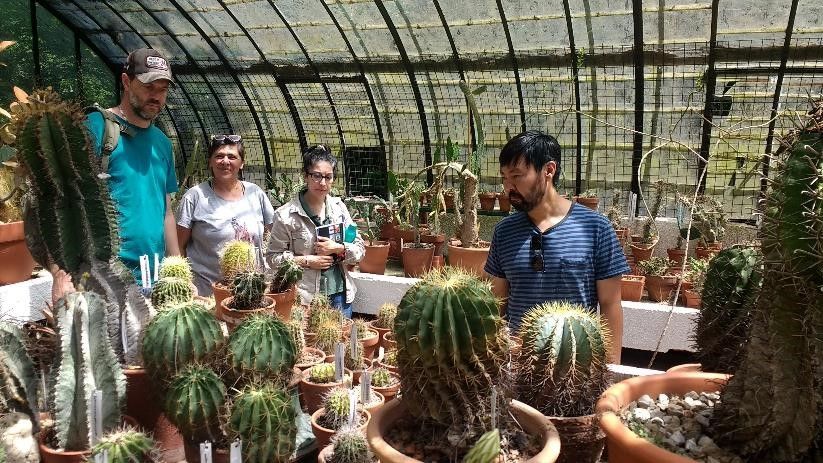
Cycas edentata, listed as endangered, has largely disappeared from Philippine coastlines over the past 20 years due to habitat loss, pests, ornamental trade, and leaf harvesting. Many individuals planted since around 2000 at Siit Arboretum Botanical Garden are now mature and producing side suckers that can be propagated successfully.
Project Goals
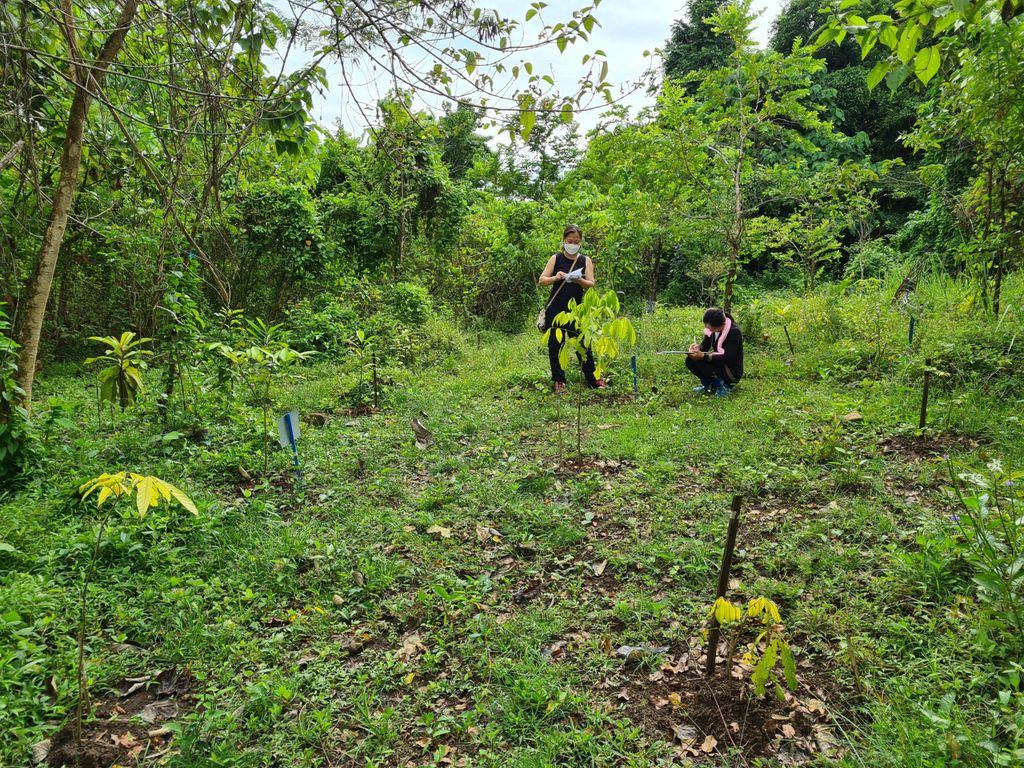
This project aimed to collect at least 50 Cycas edentata suckers from within the arboretum, grow them in the arboretum nursery, and then reintroduce the young plants to suitable limestone coastal habitats in Negros Oriental to support the species’ recovery.
Key Achievements
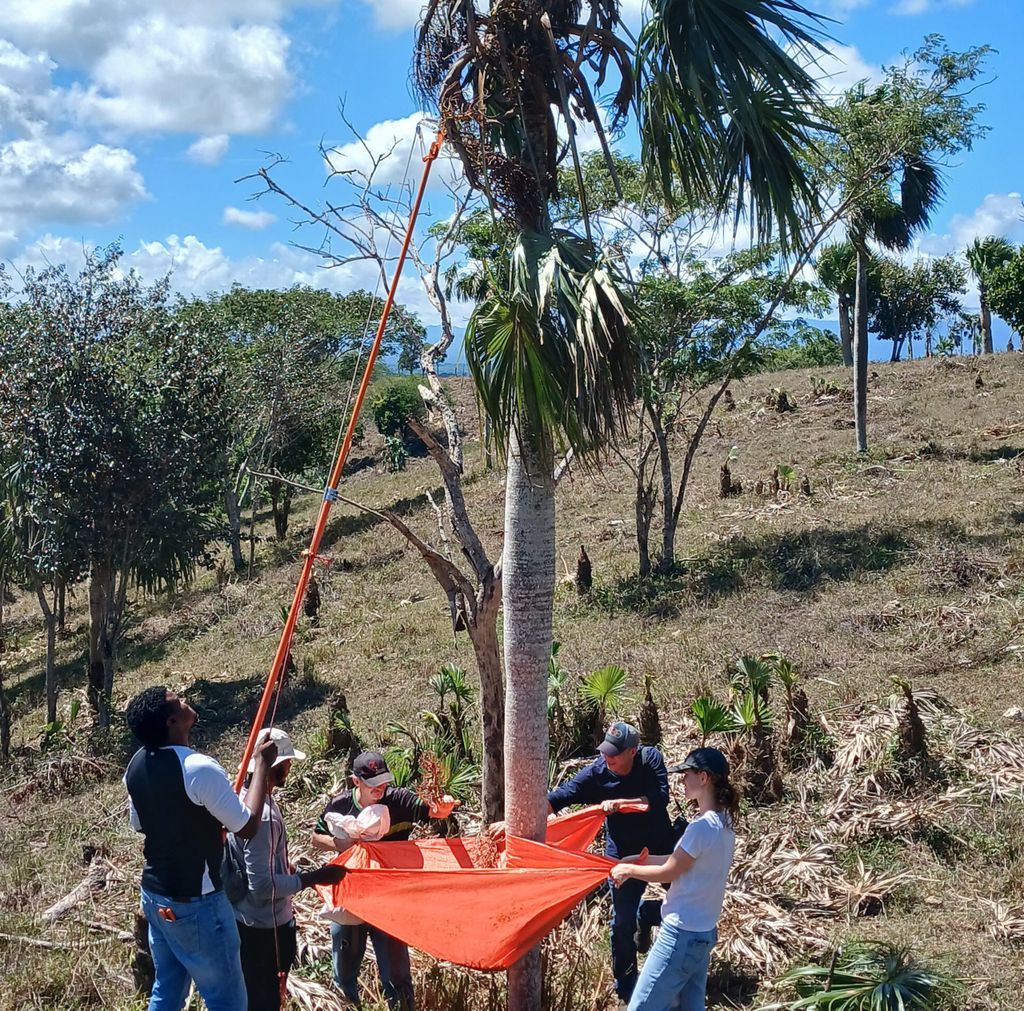
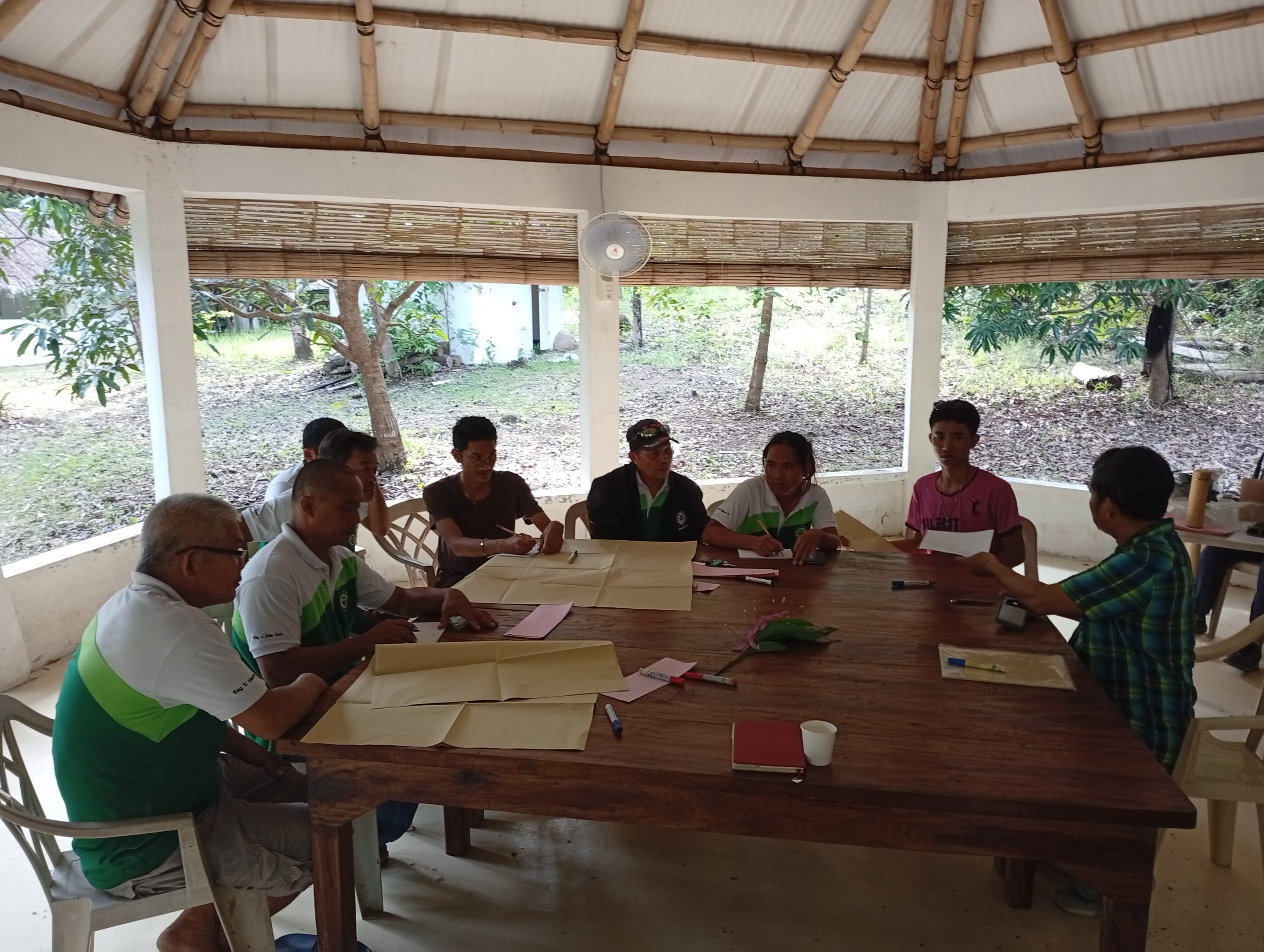
About 100 suckers and wildlings of Cycas edentata were collected and grown in the nursery. 75 plants were confirmed healthy and growing and over eight months, leafless suckers developed new leaves.
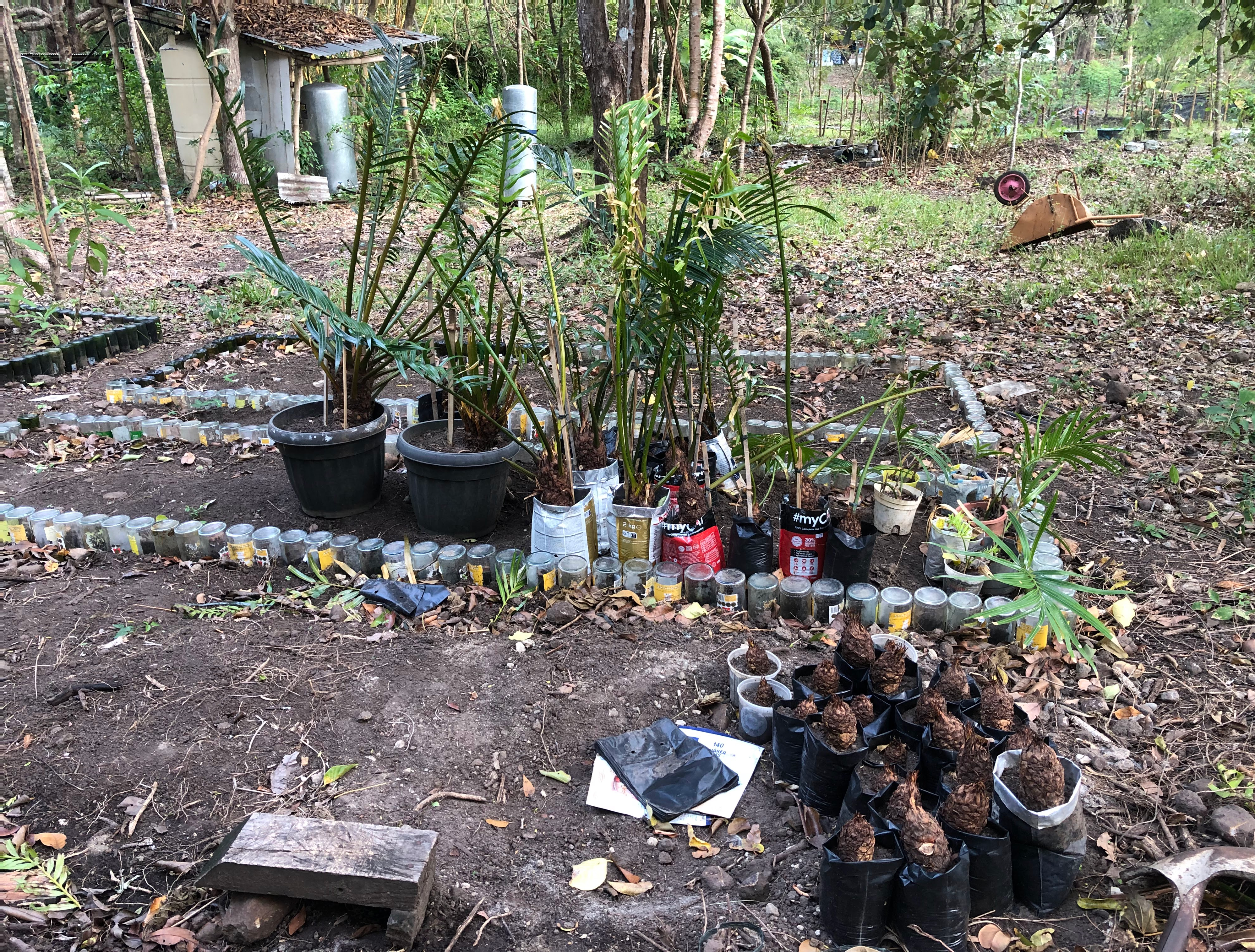
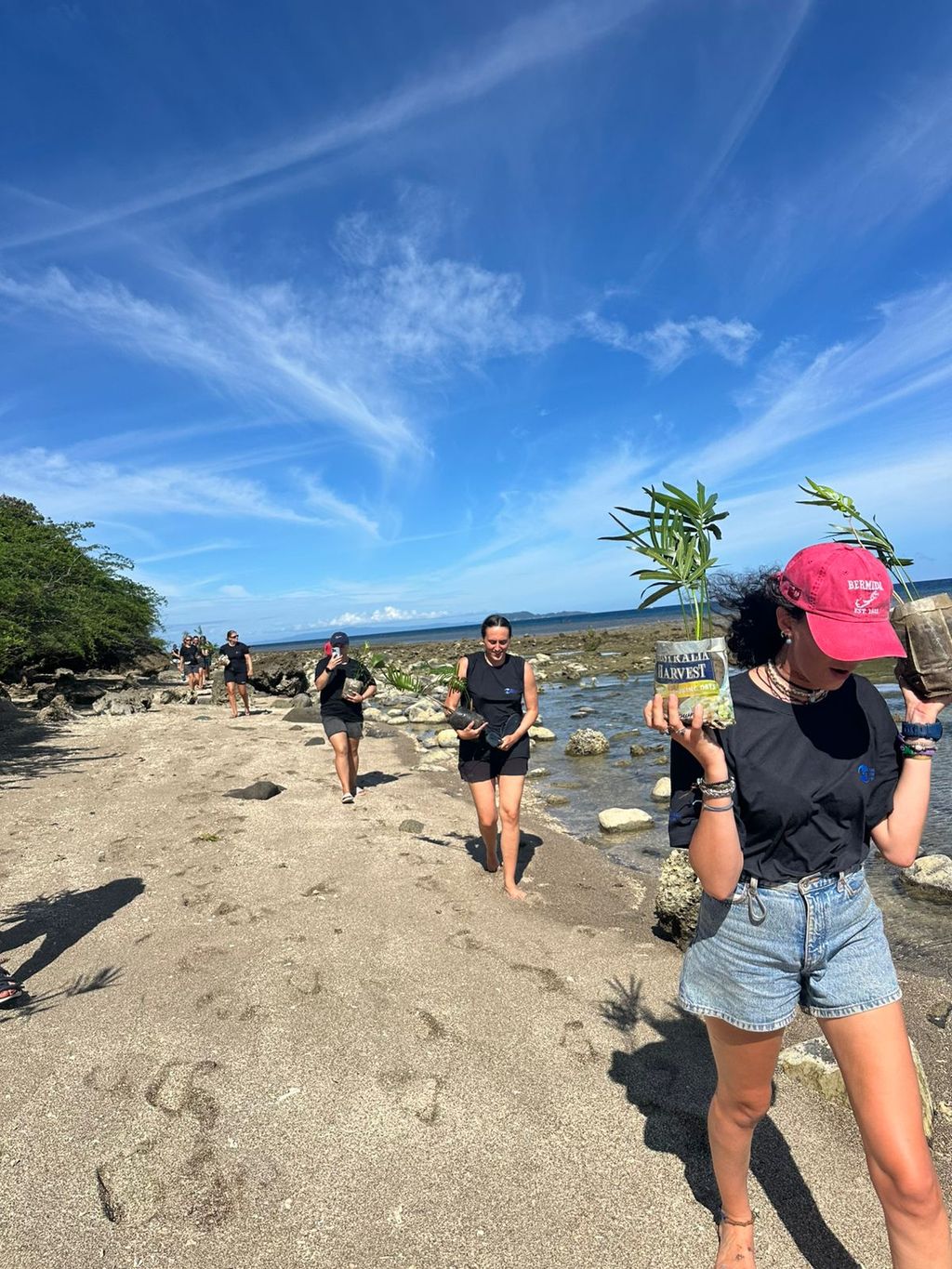
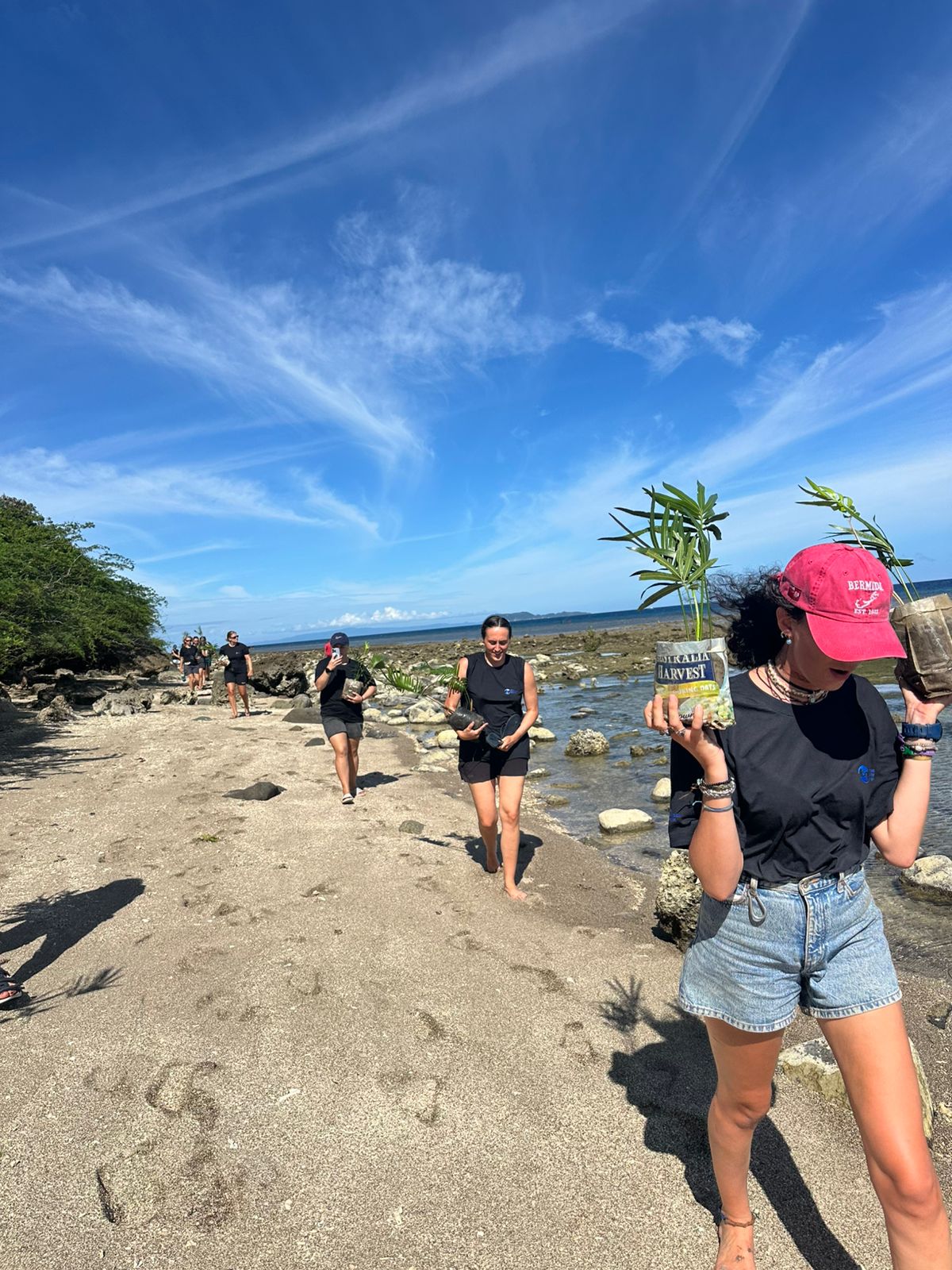
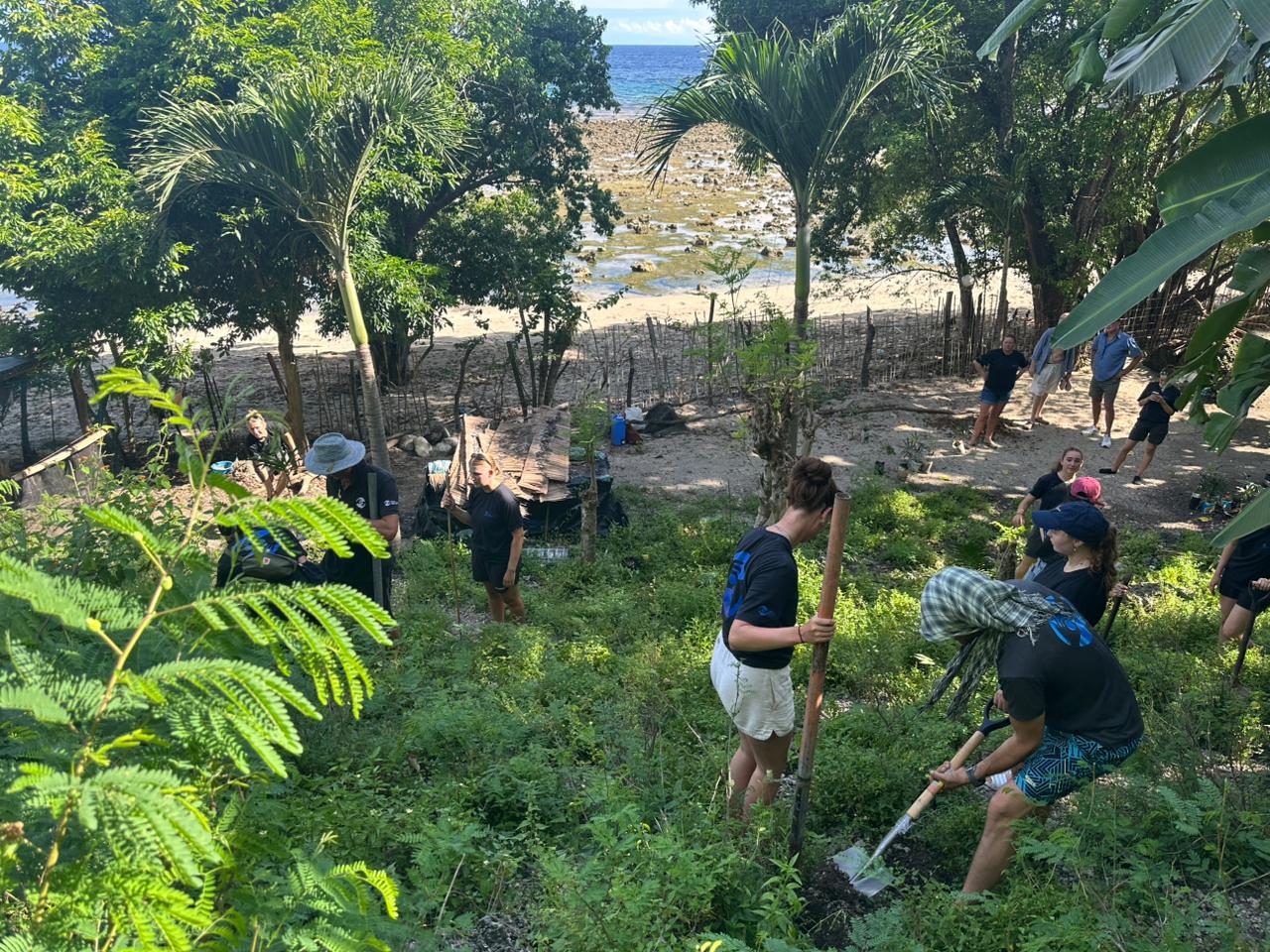
A total of 55 plants were then reintroduced into two nearby coastal sites on private land—one near a cliff and another on a hilly beach property—while over 20 plants remained in the nursery for future use.
Monitoring in December showed a 100% survival rate at the first site and 80% at the second, with missing plants replaced.
In addition to the successful propagation and reintroduction of Cycas edentata in its natural habitat, this project also secured the land for safe conservation.