Conserving Atlantic Forest Species, Brazil
-
Status of project
Completed -
Region
South America -
Country
Brazil -
Programme
BGCI -
Workstream
Saving Plants -
Topic
Services for Botanic Gardens -
Type
Grant
Conservation of Threatened Tree Species in the Brazilian Atlantic Forest, a Biodiversity Hotspot
Project Status: Completed 2025
Funded by: The Botanist, via the Global Botanic Garden Fund
Project Partner: The Municipal Botanical Garden of Bauru
Introduction
The forest remnants in the fragmented Atlantic Forest region of Bauru, Brazil are increasingly threatened by nearby human activity, making conservation urgent. There are several endangered species that need conserving, including: Zeyheria tuberculosa, Balfourodendron riedelianum, Cedrela fissilis, Cariniana estrellensis, and Euterpe edulis.
Project Goals
The aim of this project was to collect, store, and distribute seeds from the five threatened plant species, produce seedlings in the JBMB nursery and plant them in the garden as well as protected natural areas to support conservation. The project also addresses the risk of plant species extinction through environmental education and community engagement- raising awareness about the importance of conserving endangered flora and protecting Atlantic Forest fragments.
Key Achievements
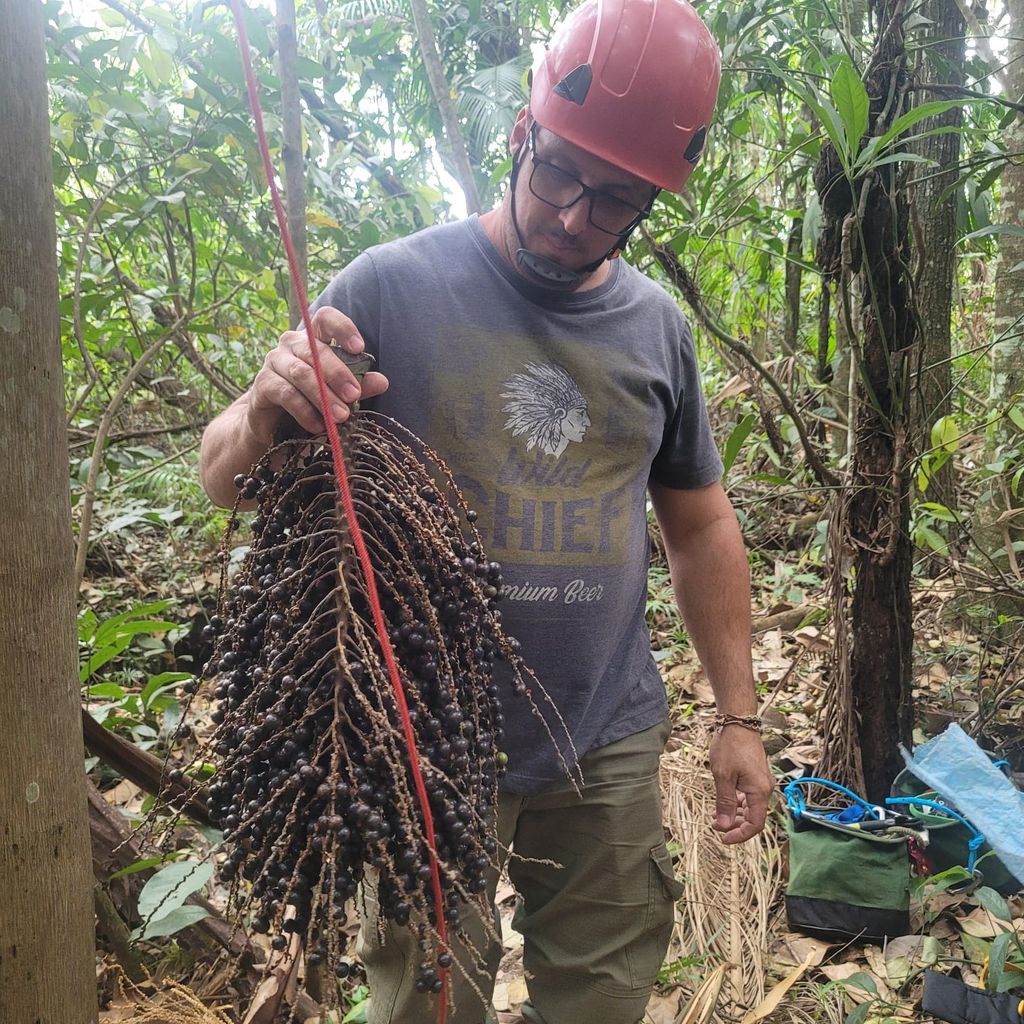
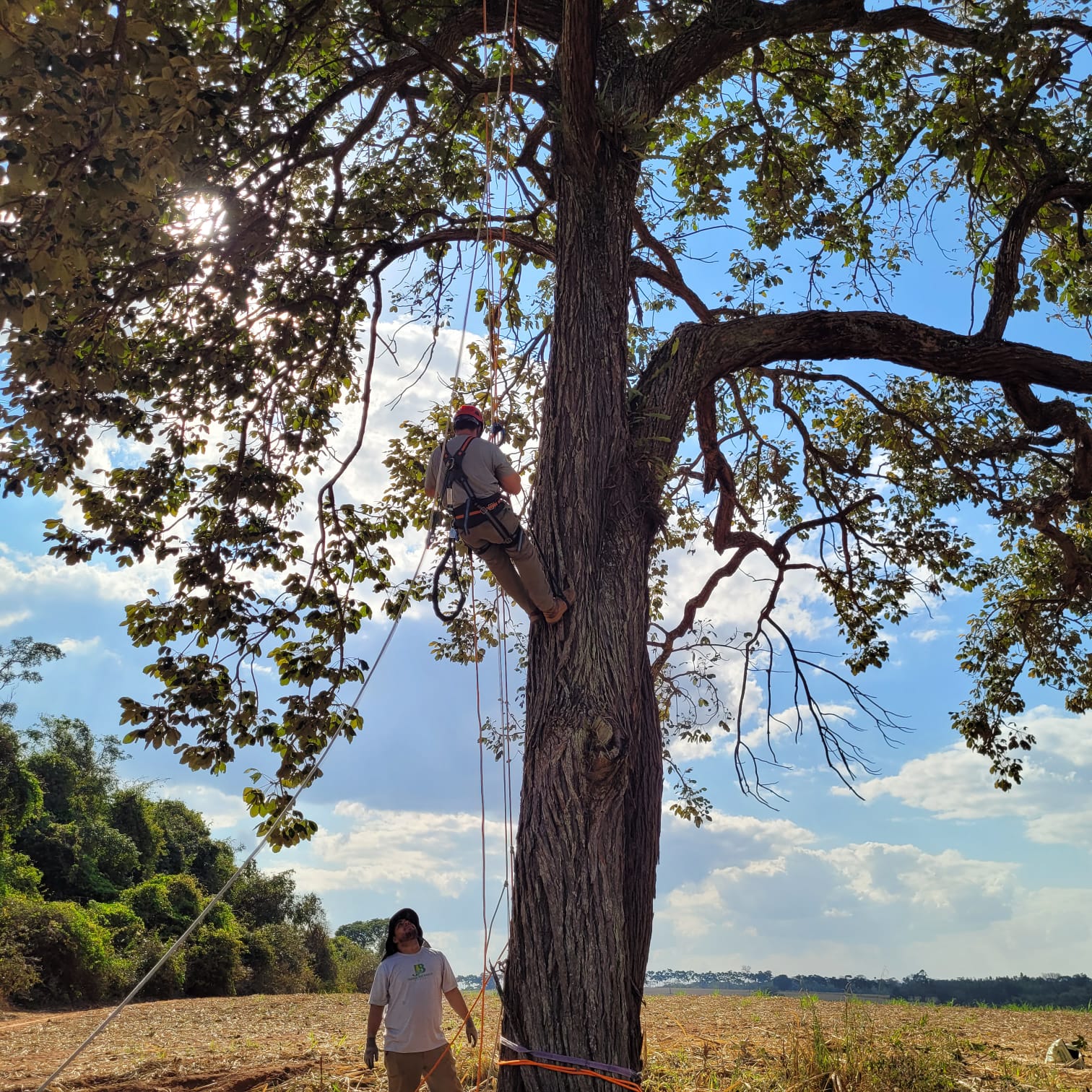
The Municipal Botanical Garden of Bauru monitored seed production of five threatened Atlantic Forest species across 28 forest fragments using georeferenced seed trees, later expanding the number of monitored trees. Over the course of the project, 88 field trips were conducted by 9 staff members and 5 volunteers. Improved canopy-access and rappelling techniques significantly increased seed collection beyond initial expectations.
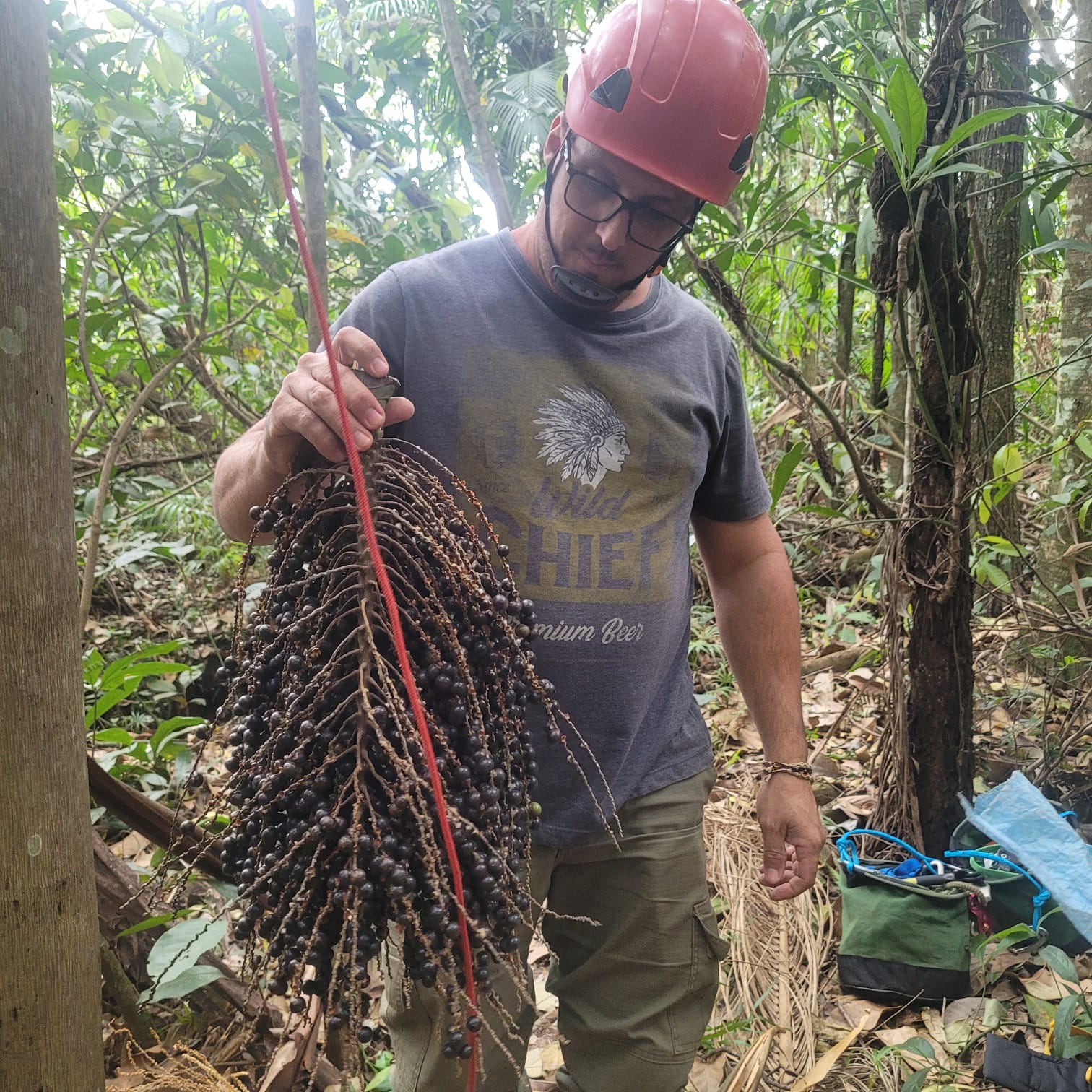
Some of the collected seeds were conserved in the JBMB Seed Bank, while the remainder were distributed to 6 Brazilian botanical gardens and 7 regional seedling nurseries. Alongside the five target species, seeds from 26 additional native Atlantic Forest species were also shared to support wider ecological restoration initiatives.
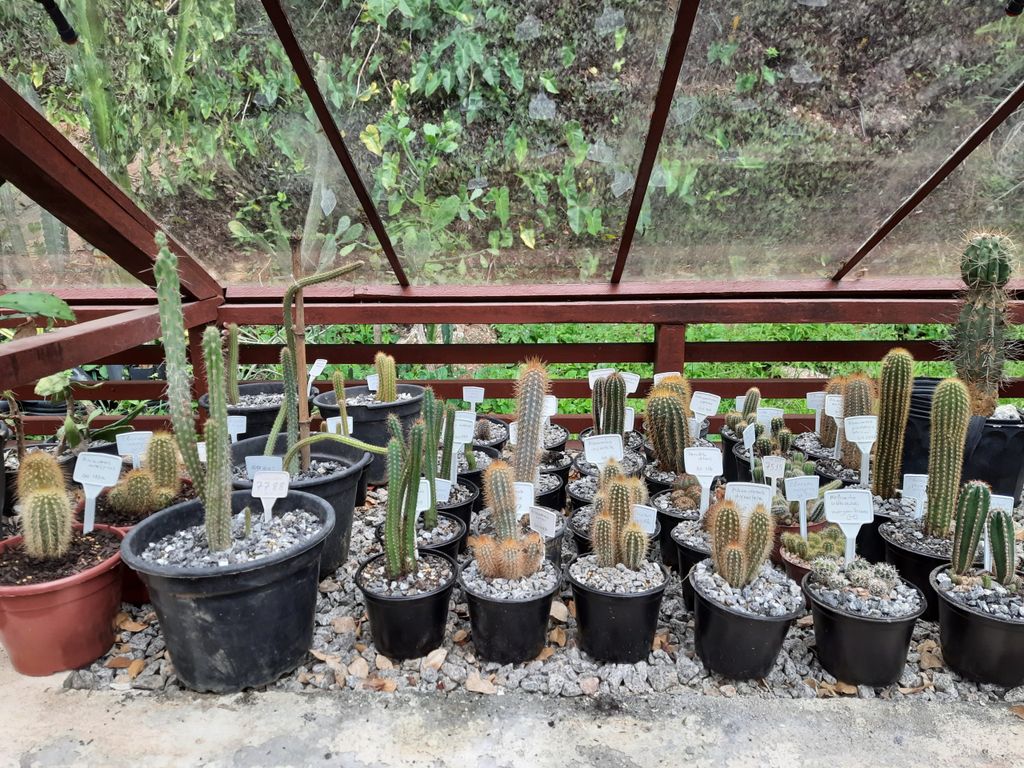
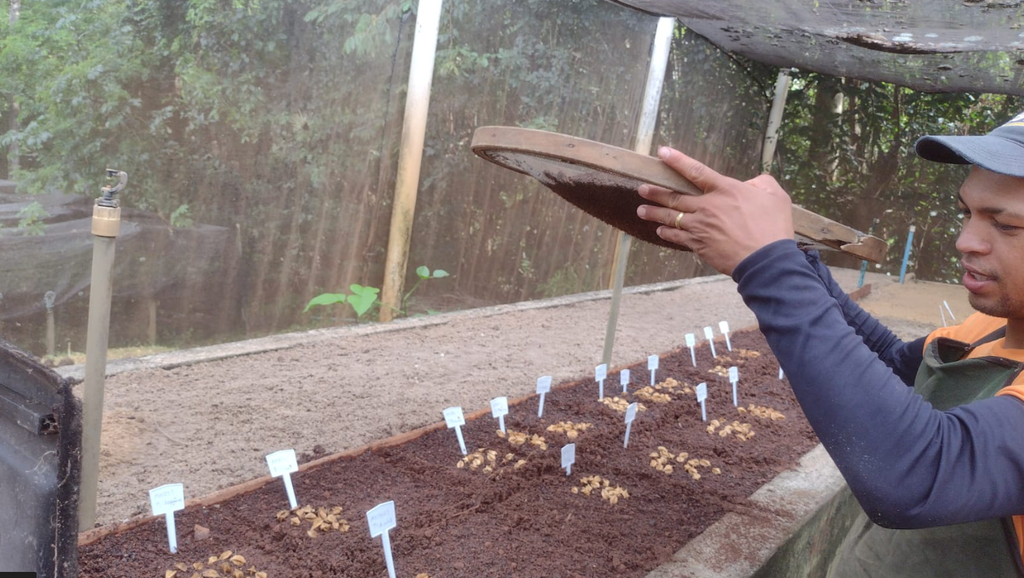
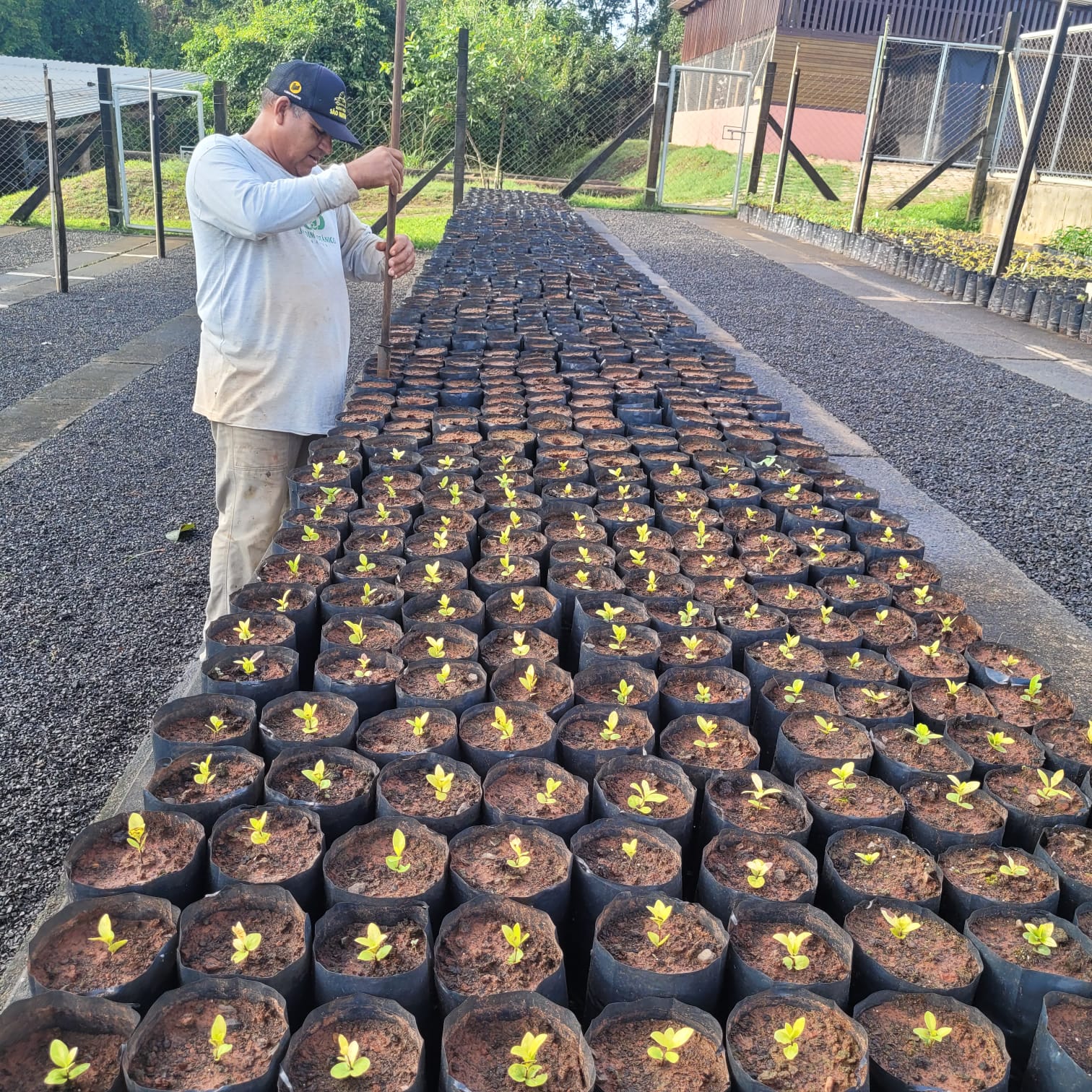
The project produced 2,500 seedlings of the threatened target species in the botanical garden’s nursery. At the same time, propagation and germination protocols for all five species were developed and documented to support future conservation and restoration work.
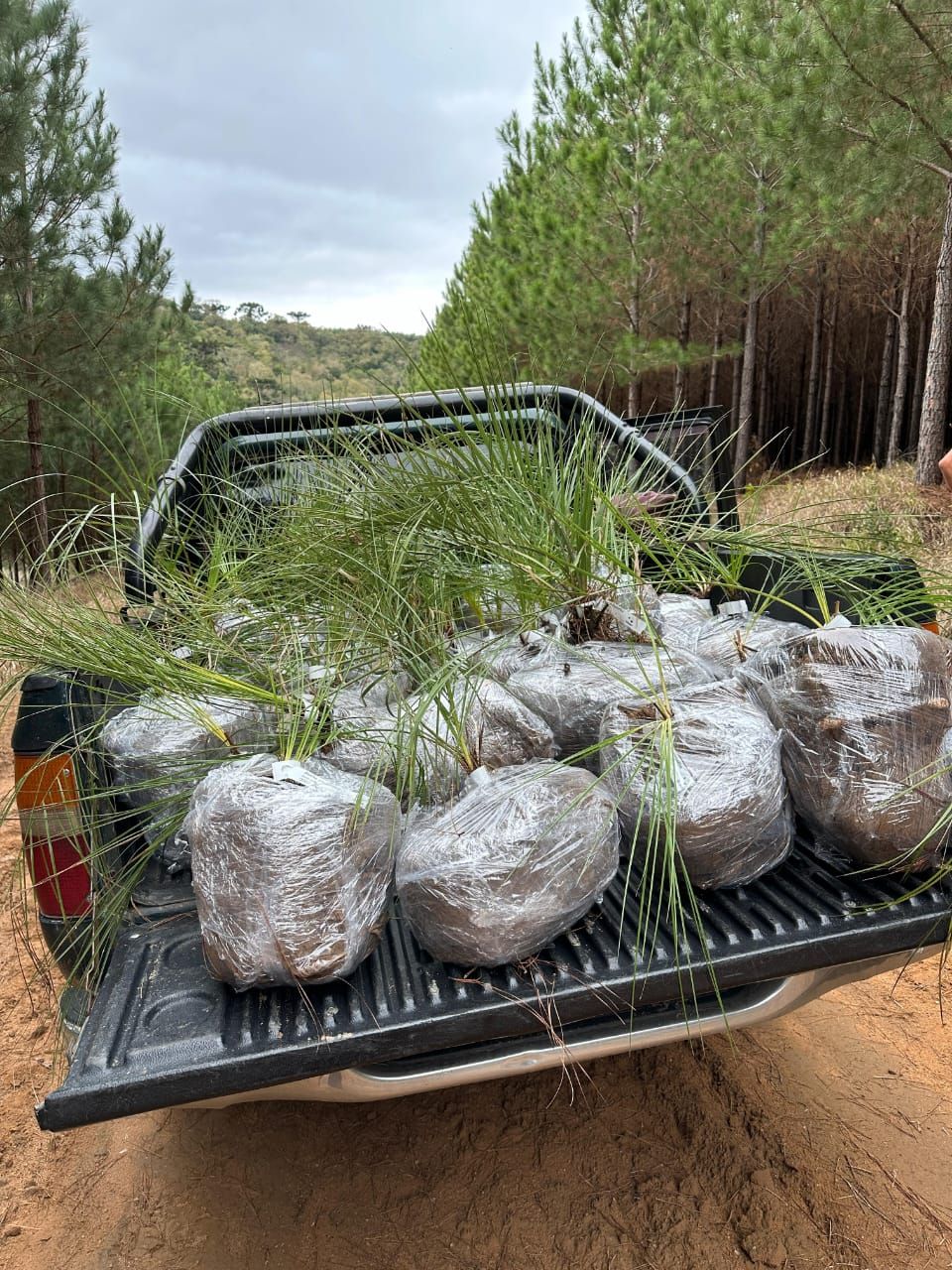
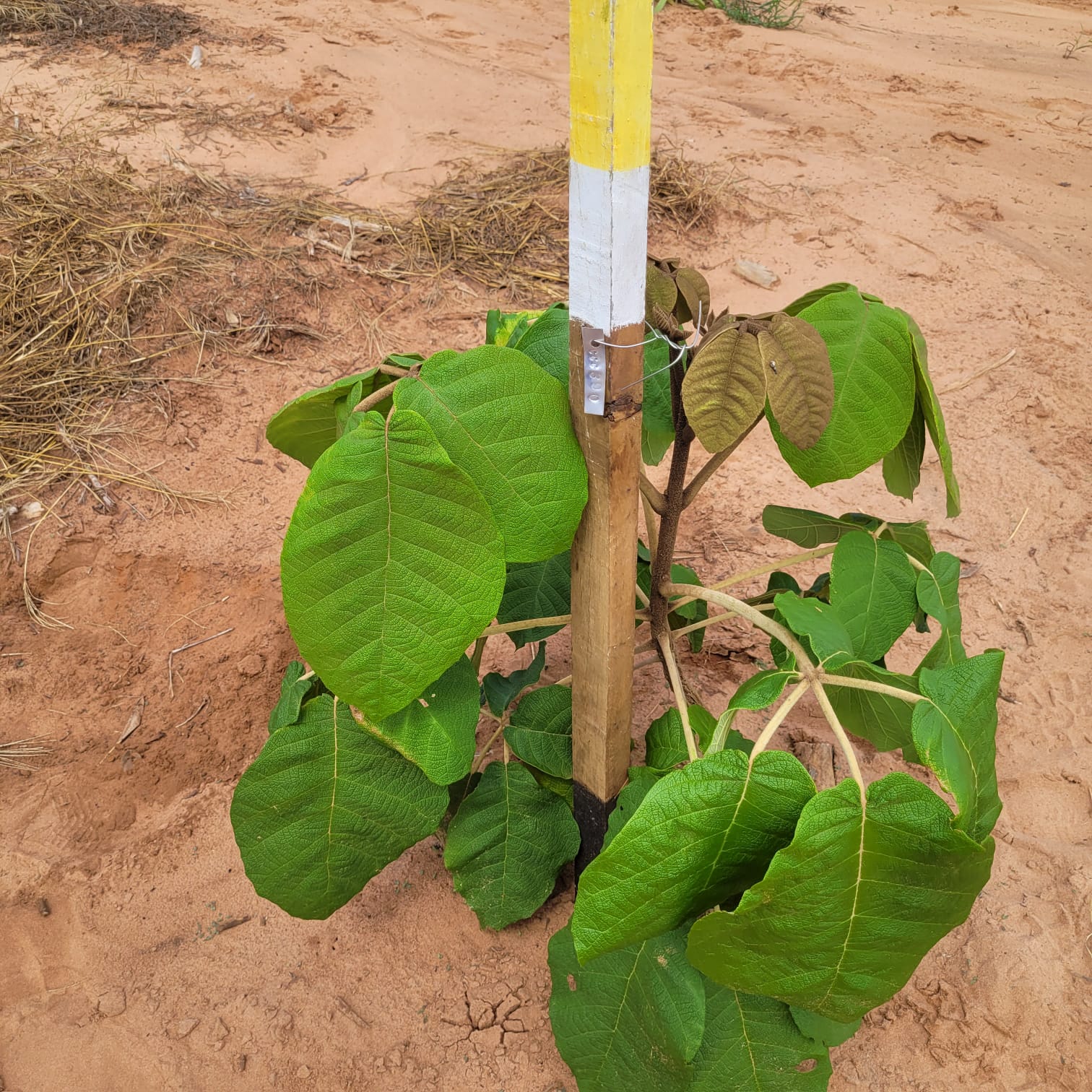
As part of ex situ conservation, 195 seedlings were incorporated into the JBMB Field Scientific Collection, increasing its genetic diversity. For in situ conservation, 1,365 seedlings were planted in protected forest fragments and restoration areas managed by JBMB. Additionally, approximately 369,000 Euterpe edulis seeds were directly sown into forest fragments and restoration projects to strengthen genetic diversity and support species reintroduction in the Atlantic Forest ecosystem.
The project also promoted environmental education and community engagement through activities involving school groups, visitors, conservation managers, and private landowners participating in restoration efforts. These initiatives helped raise awareness about Atlantic Forest conservation and encouraged long-term protection of native flora. To support outreach, informational boards and printed educational materials were produced and distributed during planting activities and public events.