Conservation Efforts for Two West African Species, Côte d'Ivoire
-
Status of project
Completed -
Region
Africa -
Country
Côte d’Ivoire -
Programme
BGCI -
Workstream
Saving Plants -
Topic
Services for Botanic Gardens -
Type
Grant
Ex situ conservation of two West African endemic and endangered species (Eremospatha dransfieldii and Gambeya azaguieana) in Ivory Coast
Project Status: Completed 2025
Funded by: The Botanist, via the Global Botanic Garden Fund
Project Partner: Jardin des Palmiers de Divo
Introduction
Severe deforestation and habitat loss in West Africa have put two endangered endemic species, Eremospatha dransfieldii and Gambeya azaguieana, at high risk of extinction. Because of threats like overexploitation and very limited natural populations, ex situ conservation is urgently needed.
Project Goals
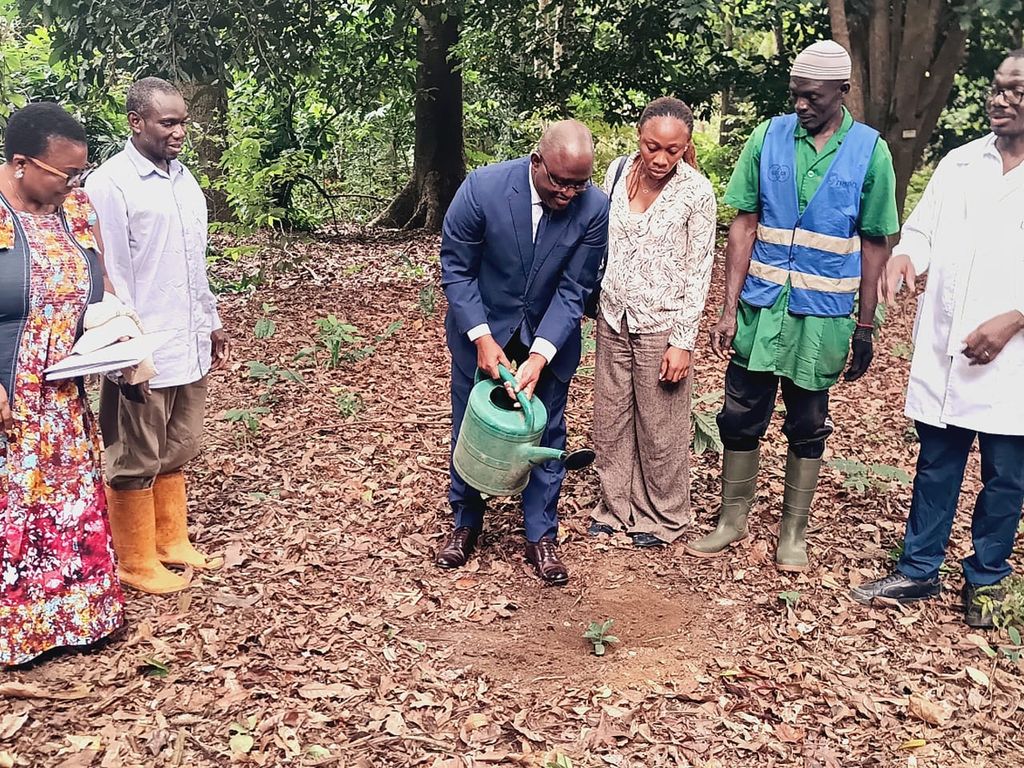
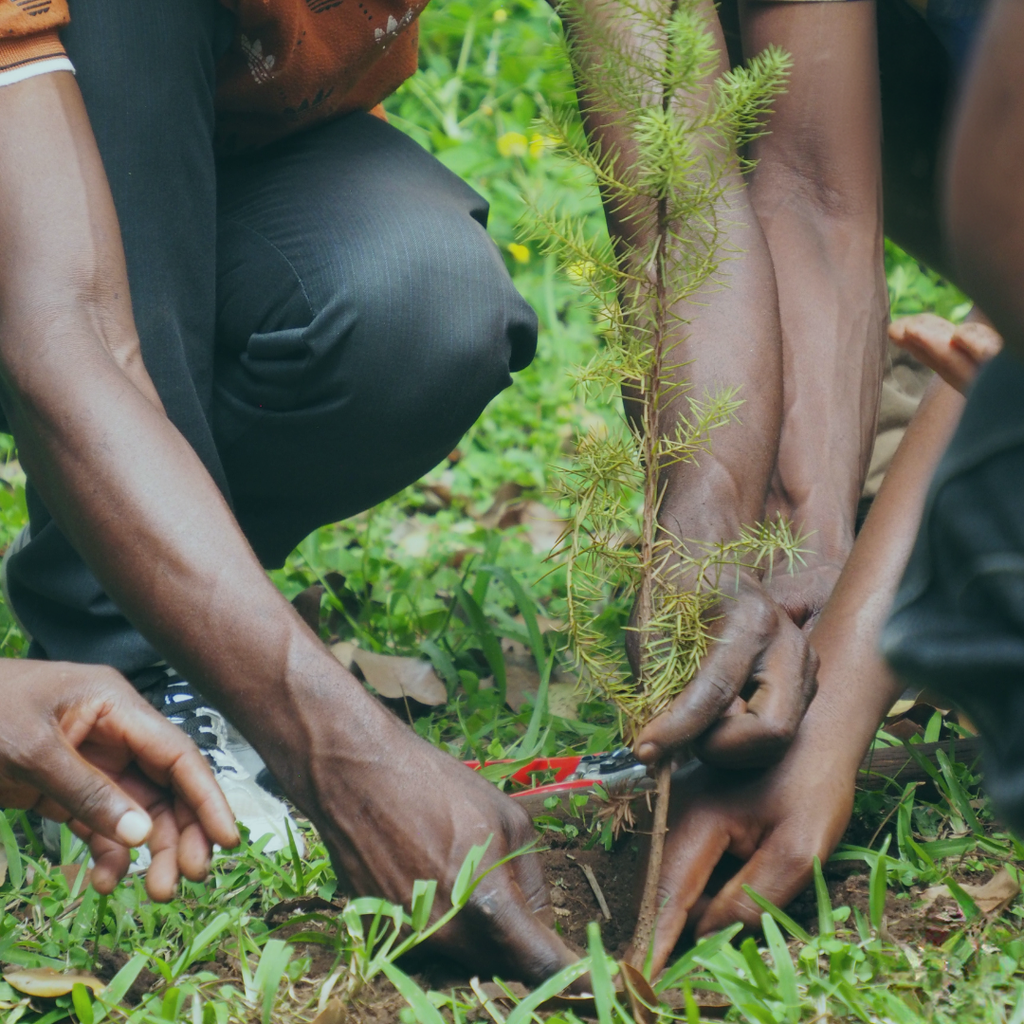
The project aimed to conserve two endangered West African plant species through ex situ methods by collecting and propagating plant material, with the aim of establishing living collections at the Jardin des Palmiers in Divo, Côte d’Ivoire, and sharing seedlings with other botanical gardens.
Key Achievements
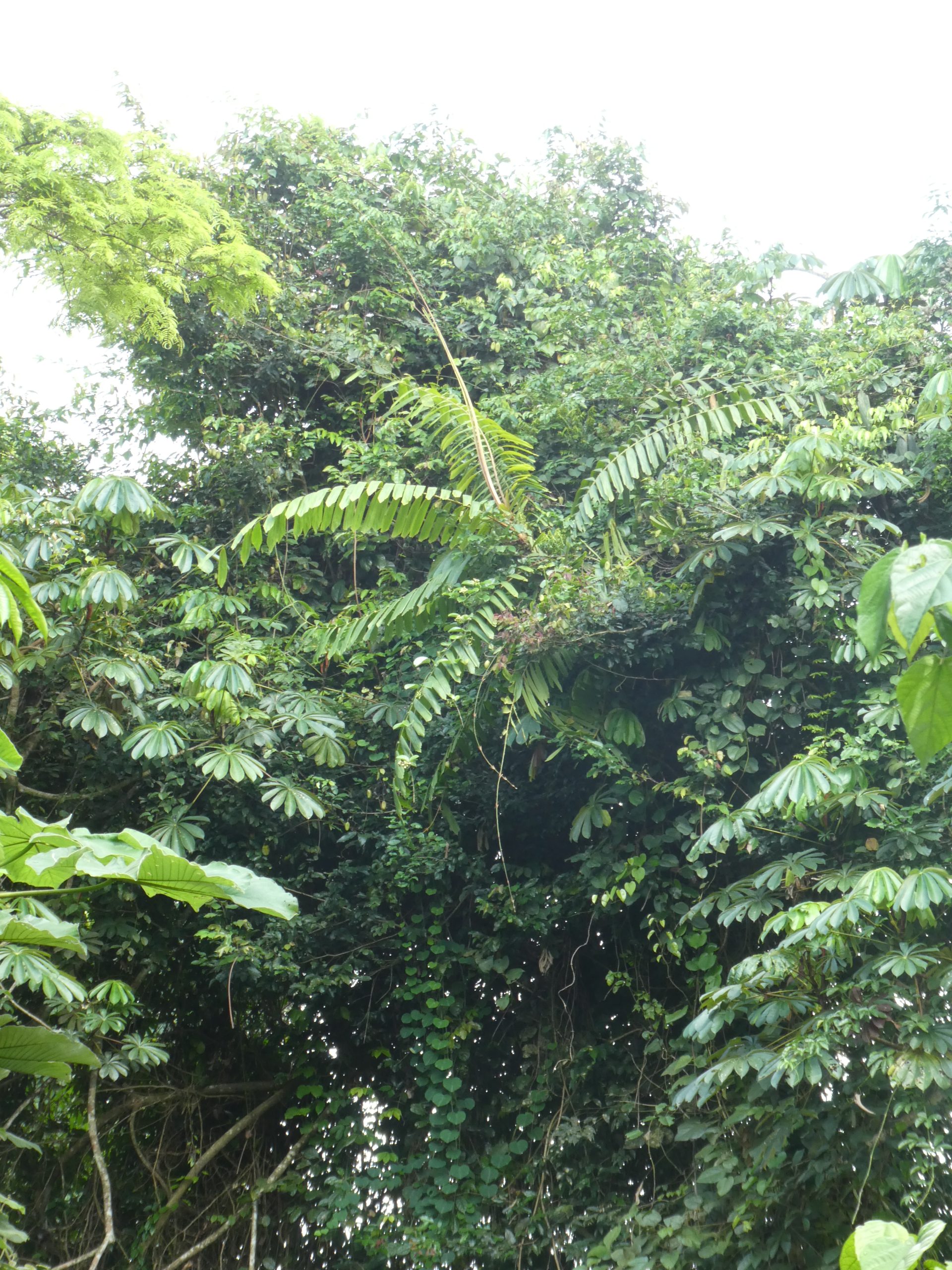
Eight field missions were carried out to study the two species. For Eremospatha dransfieldii, five previously unrecorded individuals were identified and mapped, but no fruiting was found, preventing seed collection.
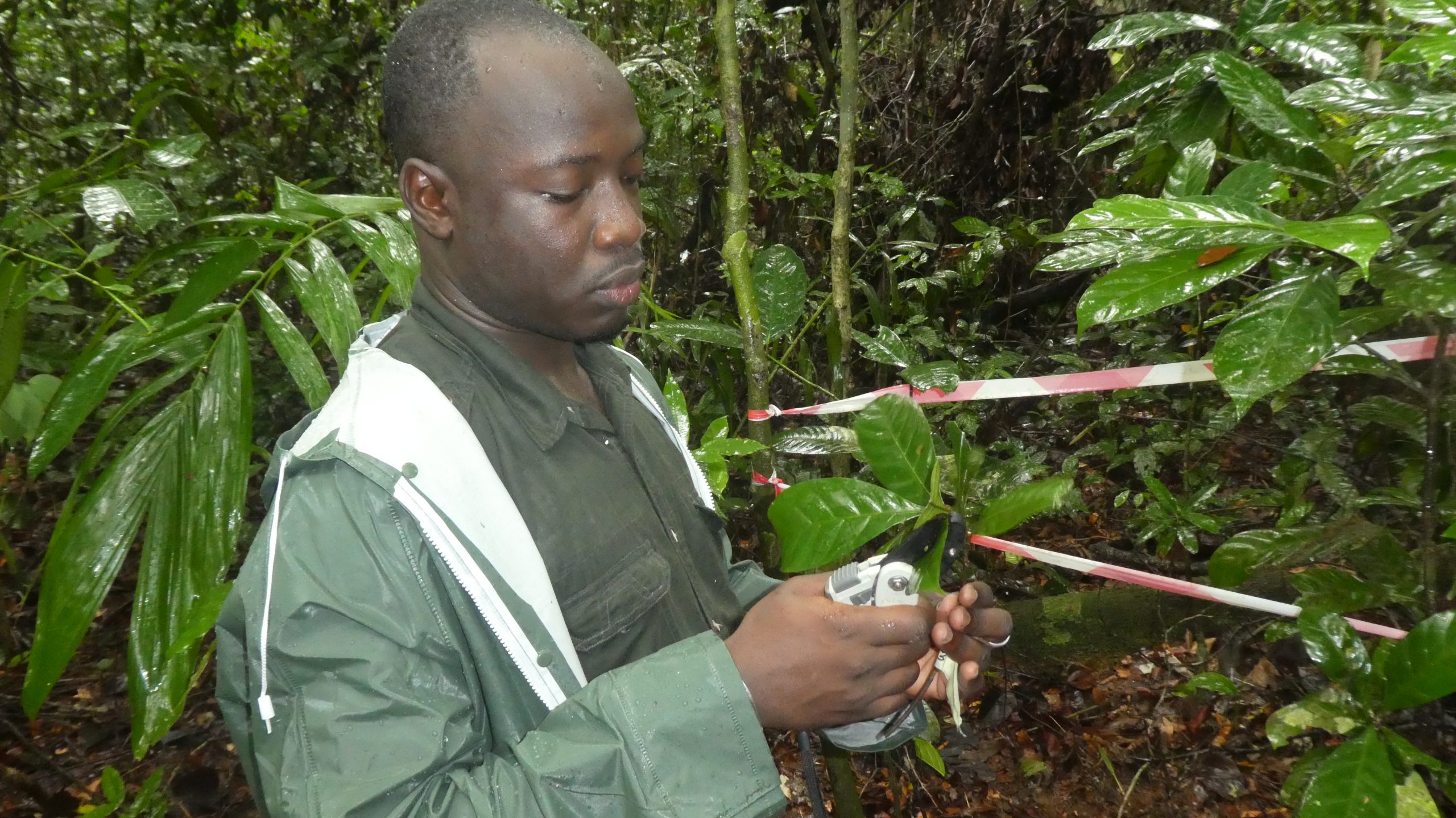
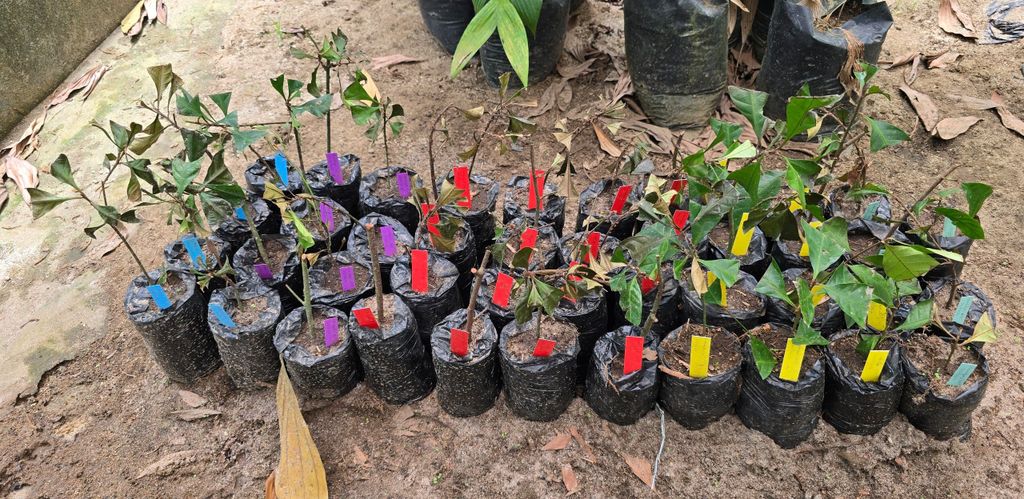
For Gambeya azaguieana, flowering was observed but no fruit was produced, so no seeds could be collected. Instead, 43 cuttings were taken for vegetative propagation; they remain alive but have not yet rooted after seven months.
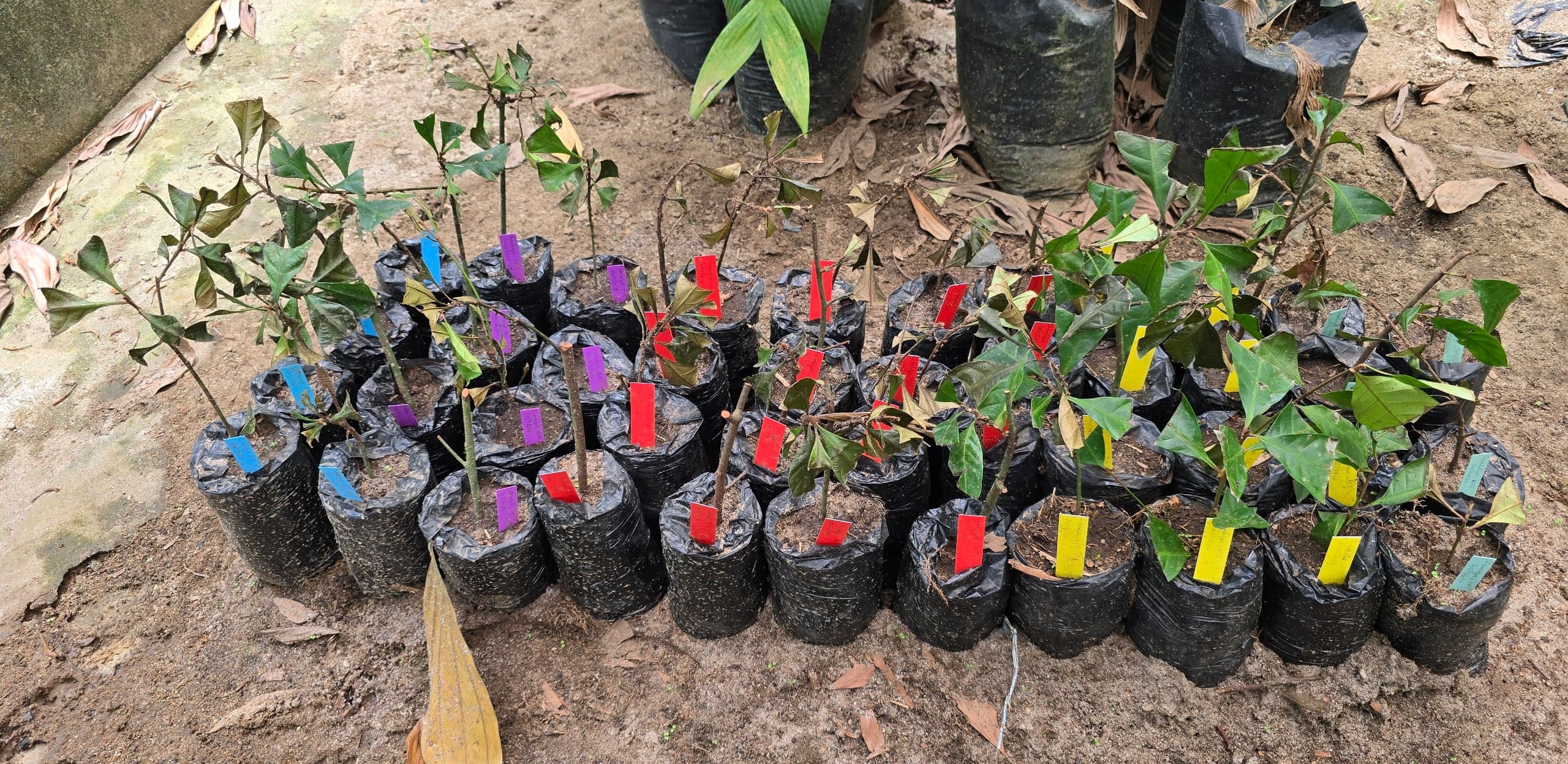
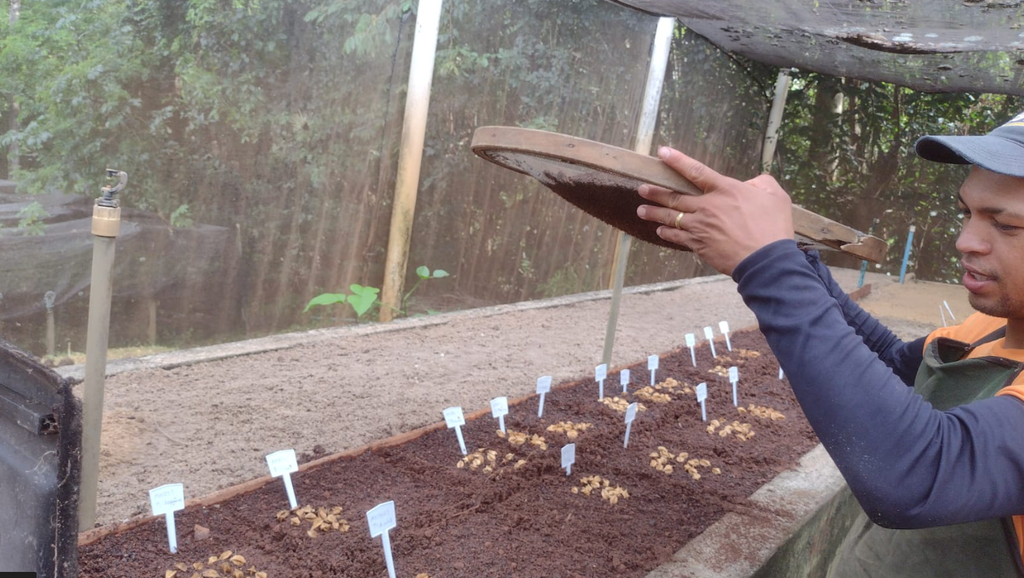
As a result, ex situ planting and distribution activities have not yet begun due to the lack of viable plant material. However, additional propagation experiments were launched to improve success rates and support future ex situ conservation goals and phenological monitoring was established to support long-term tracking of reproductive cycles.
Watch a video of one of the field trips to study Gambeya azaguieana and collect cuttings: