Biodiversity conservation and local livelihoods improvement in southern Tajikistan
-
Status of project
Ongoing -
Region
Caucasus, North and Central Asia -
Country
Tajikistan -
Topic
Plant Conservation
Project summary
Tajikistan has the most acute levels of poverty of the Central Asian states, with 40% of its people living below the poverty line and in food insecurity (Oxfam, 2025). Gross National Income per capita is low (1,407 USD in 2023) (UNDP, 2024) and 72% of the population dwell in rural areas and directly depend on local ecosystem goods and services, creating intense pressure on the environment. 50% of the land area is degraded as a result of unsustainable agricultural practices (WFP, 2024).
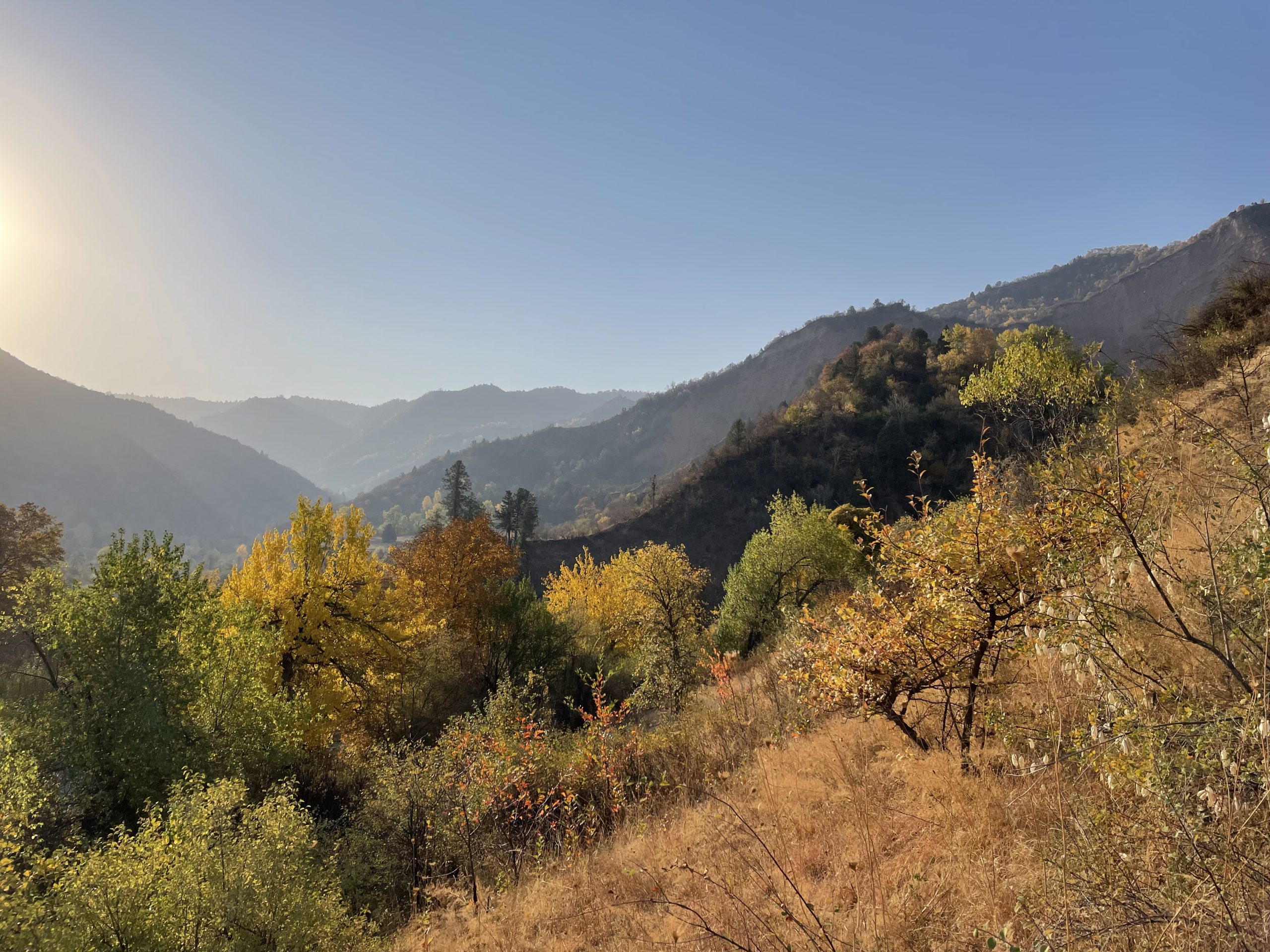
Because of its floristic wealth, Tajikistan is recognised as a biodiversity hotspot (Conservation International, 2005). It harbours almost 4,300 native plant species, including 1,400 national endemics. Nearly 40% of the flora is threatened (Nowak et al., 2020). Tajikistan’s ancient walnut and maple forests present a particular feature of this floristic diversity. They are of major socio-economic importance for the livelihoods of local communities and represent repositories of genetic diversity for crops of global importance. Amongst others, these include walnut (Juglans regia), apple (e.g. Malus sieversii), pear (e.g. Pyrus tadshikistanica), plum (e.g. Prunus avium) and almond (e.g. Amygdalus bucharica). The most valuable walnut-maple forests are located in the Sari Khosor, Childukhtaron, and Dashtijum reserves, southwest Tajikistan. These ecosystems are also home to rare fauna, e.g. mammals such as the Turkestan lynx (Lynx lynx isabellina), snow leopard (Uncia uncia), urial (Ovis vignei), Tien Shan brown bear (Ursus arctos) and yellow porcupine (Hystrix leucura). Threatened bird species include the golden eagle (Aquila chrysaetos daphanea) and Egyptian vulture (Neophron percnopterus) (Safarov et al., 2014).
However, despite having been at the heart of conservation efforts in the past, the future of these ecosystems remains uncertain as resources overexploitation continues to cause biodiversity loss (World Bank, 2024). Piecemeal approaches aimed, for example, at forest protection, have failed because local needs outweigh the penalties associated with illegal extraction. In response, this project is implementing a holistic methodology for biodiversity conservation, restoration and sustainable livelihoods improvement in Sari Khosor and Nuriddin Mahmudov (N. Mahmudov) sub-districts, through:
- Recovery of native forests through integrated ex and in situ conservation, working with communities and forest departments in at least 6 villages;
- New livelihoods and food security opportunities for 200 households, through income generating activities from the production and marketing of forest commodities;
- Major inclusion of women as quintessential stakeholders and beneficiaries of this project, targeting 65% participation; and
- Enhanced capacity of communities achieved through a series of training throughout the project, targeting over 500 community members.
Moreover, the project provides a platform to bring together major conservation and development agencies and programmes for technical exchange, as a means for improved coordination and planning of future environmental and sustainable development interventions. Results will be disseminated at the national level for incorporation into the government’s efforts to develop future forest management policy.
Progress to date
- A baseline socio-economic survey, as well as a survey to assess the public campaign’s impact was undertaken in the first 6 months of the project with 205 expected beneficiaries.
Forest restoration
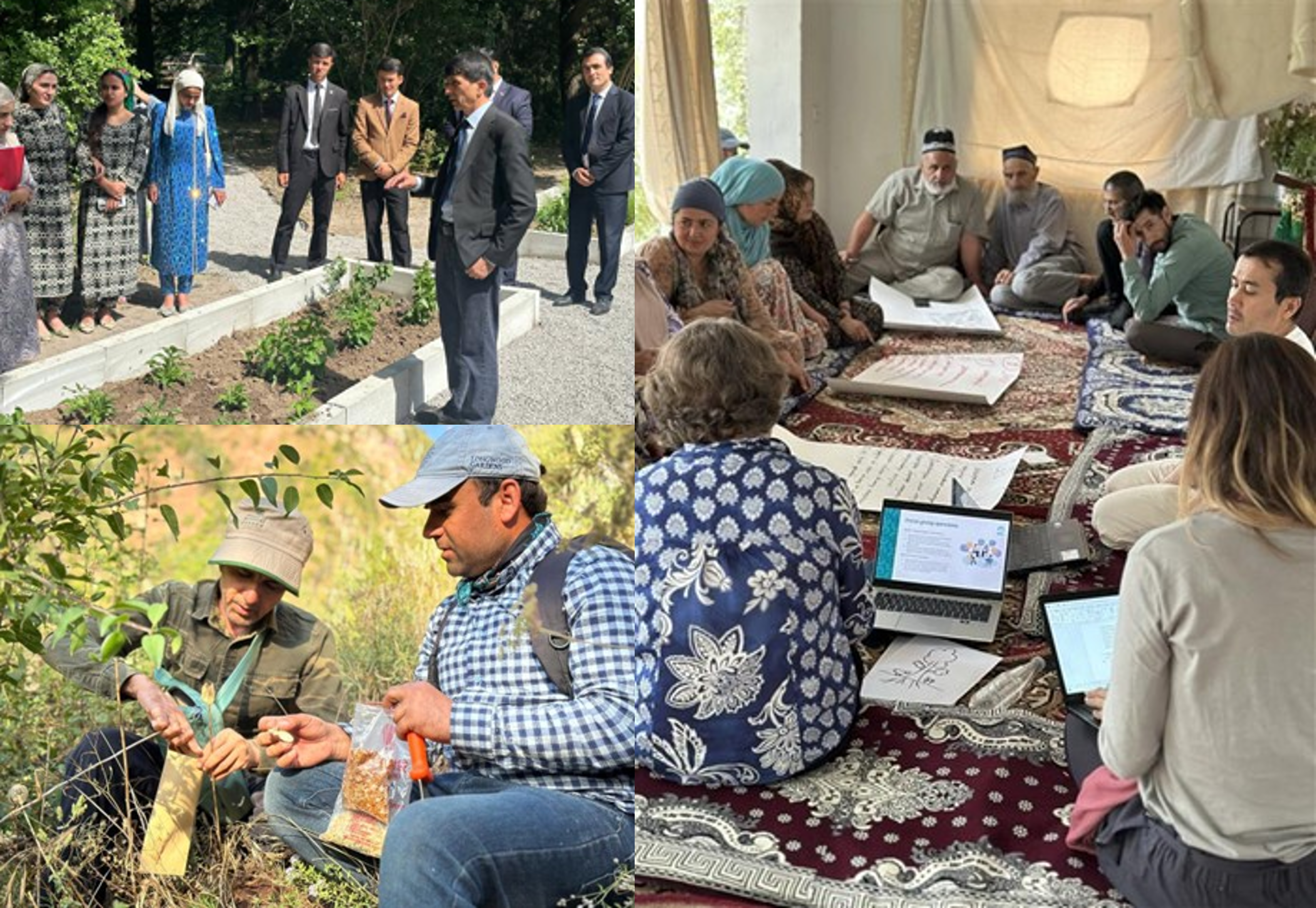
- So far, propagules of 13 species have been collected including threatened Pyrus tadshikistanica (Critically Endangered – CR), Malus sieversii (Vulnerable – VU) and Amygdalus bucharica (VU).
- Three nurseries have been developed at Kulob Botanic Garden, Shamsiddin Shohin and Baljuvon. 39,000 seeds have been sown by the end of Year 2 in the nurseries.
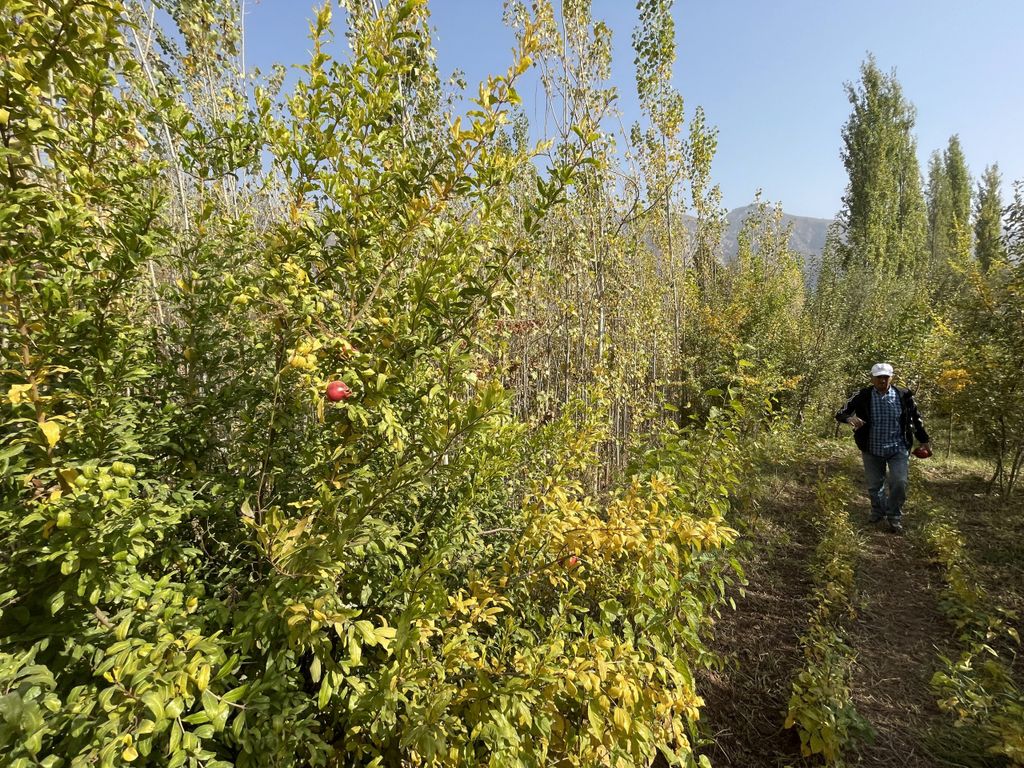
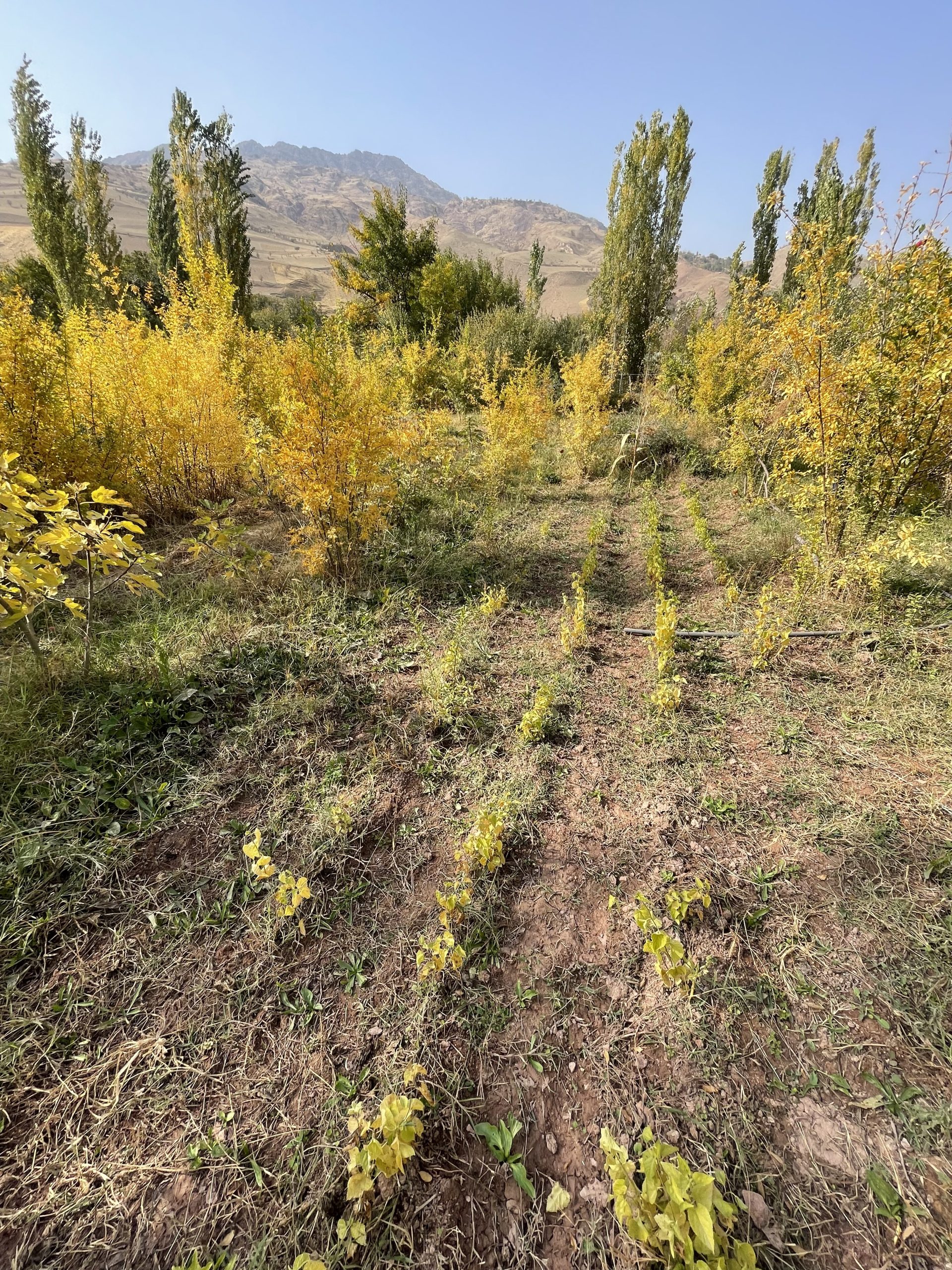
- 6,000 saplings that were produced in the nurseries have been planted in degraded forests.
- Tree saplings from the nurseries have been provided to project communities for planting in home gardens and orchards, and monitor survival and growth rates, resulting in 26,000 planted saplings in Year 1 and 20,500 in Year 2 in home gardens, orchards and degraded forest areas.
- Forest departments, local community representatives and the project partners are working on developing a joint Forest Restoration Management Plan.
Training
- 10 producer groups have been established in Yol and Sari Khosor. 432 members (56% women) of the producer groups and community members have been trained in:
- Beekeeping (124 participants)
- Market opportunities and value chains (101 participants)
- Agroforestry (107 participants)
- Drying fruits and vegetables (100 participants)
- A study visit of Tajik partners to the UK and Turkey which included visits to Royal Botanic Gardens Kew and Royal Botanic Gardens Edinburgh.
Public Engagement
- A yearly Open Day has been running as a major stakeholder event. The first Open Day was organised at Kulob Botanic Garden in April 2025.
- Partners have been trained in co-creation and have delivered 4 co-creation workshops with the community to co-create outreach activities.
- Activities for public engagement are underway and will run until the end of the project and include
- Further Open Days
- Promotion of the project during the Nawruz festival
- Organising of Hashar activities like tree planting
- Awareness raising leaflets
Partners
Supported by the UK governments’ Darwin Initiative Innovation Fund, this project is implemented in partnership with Kulob Botanic Garden, Ganji Tabiat and Zamzam.
This three year project is running from April 2024 to March 2027.