Saving the World’s Heathers: New Erica Conservation Gap Analysis
-
Region
Africa -
Programme
Global Conservation Consortia -
Workstream
Saving Plants -
Topic
Conservation Prioritisation -
Type
News -
Source
BGCI Partner
New published: 2 June 2026
The Global Conservation Consortium (GCC) for Erica has published a comprehensive Conservation Gap Analysis for the genus
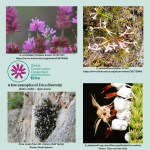
If you have ever admired the purple and pink swathes blanketing European hillsides in summer, you have met the heathers. But while Europe is famous for a handful of these tough, woody shrubs, it is only a tiny piece of a much larger botanical puzzle (pp. 2-3).
A new study published in Nature Conservation reveals that there are over 830 species of Erica globally. Alarmingly, 23% of them are currently threatened with extinction.
To turn the tide, the Global Conservation Consortium (GCC) for Erica—led by the University of Bergen and coordinated in collaboration with Botanic Gardens Conservation International (BGCI), and international partners including several from the South African National Biodiversity Institute and Royal Botanic Gardens, Kew —has released a comprehensive Conservation Gap Analysis for the genus. This massive data-driven health check evaluates where these unique plants are thriving, where they are disappearing, and outlines what we must do to help save them.
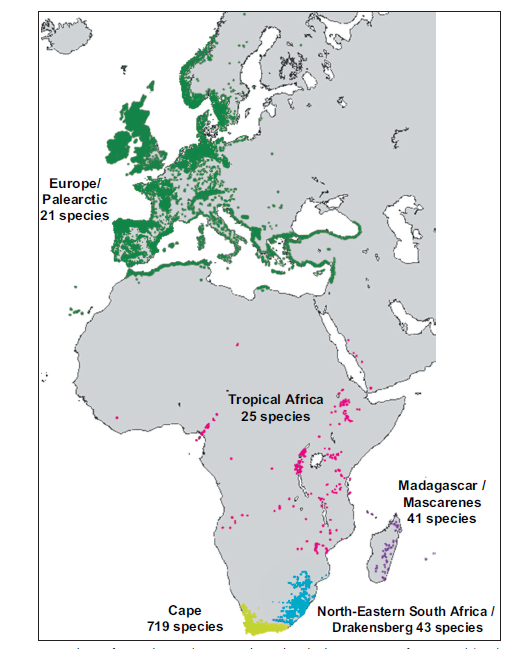
While heathers stretch from Europe across to Madagascar, their true evolutionary heart is South Africa’s Cape Floristic Region, which single-handedly hosts 747 unique Erica species.
Unfortunately, this high centre of diversity comes with a high risk. The gap analysis calculates that:
- 46 species are Critically Endangered (CR)
- 48 species are Endangered (EN)
- 95 species are Vulnerable (VU)
These plants are under siege from threats like invasive alien weeds, disrupted wildfire cycles, habitat destruction, and climate-induced droughts.
| Erica Global Diversity Landscape by Region | |
| Region / Country | Number of Species |
| South Africa | 747 |
| Madagascar & Mascarenes | 42 |
| Tropical Africa | 25 |
| Europe & Mediterranean | 21 |
Mind the Gap: What the Analysis Revealed
A “gap analysis” is essentially a conservation audit. It compares wild plant populations (in situ) with the safety-net collections kept in botanical gardens and seed banks (ex situ) to find out who is missing.
The report highlighted a few challenges:
- The Safety Net is Unraveling – Currently, fewer than half (47%) of threatened Erica species are protected in living botanical collections or seed banks. Worse still, for the rarest “Critically Endangered” group, 24 species are completely absent from any conservation collection (p. 16). If they vanish from the wild, they are gone forever
- The Cultivation Bottleneck – While Erica species are grown in at least 227 gardens worldwide, these spaces are heavily dominated by common, non-threatened European varieties. Only 18 botanical institutions globally hold the highly threatened African or Malagasy species.
- Outdated Data – Science cannot protect what it doesn’t understand. Nearly 62% of assessed heathers have not had their threat status updated in over a decade, meaning some species might be in far worse shape than official records suggest.
The Value: A Data-Driven Action Plan
The real magic of this gap analysis isn’t just pointing out what is wrong; it provides the ultimate open-access rescue manual.
By integrating massive global data repositories like GBIF and iNaturalist, the consortium has upgraded the freely available ‘Erica Identification Aid’. This digital toolkit allows land managers, researchers, and botanical gardens to cross-reference plant traits with advanced priority metrics—like the EDGE protocol (which highlights evolutionarily unique, dying branches of the tree of life).
Armed with this clear blueprint, the global botanical community can now coordinate to:
- Clear invasive weeds and restore native fynbos habitats
- Share wild-origin seeds across a global network of gardens to spread extinction risks
- Partner with private landowners to spot and protect rare, unmapped populations.
Behind this overview lies an enormous collaborative effort that resulted in crucial set of information, including recent work published in 12 papers by 42 different authors spread across 14 countries in a collection at the open access botanical journal PhytoKeys.
How Anyone Can Help
You don’t need a PhD in botany to support the preservation of the Erica genus. The analysis notes a massive spike in tracking success thanks to citizen science.
Next time you are hiking or exploring, snap high-quality photos of wild heaths and upload them to iNaturalist. Your smartphone snapshot might just provide the precise coordinates scientists need to locate, assess, and rescue a species on the brink.
Become a Member
Be part of the largest network of botanic gardens and plant conservation experts in the world by joining BGCI today!
Support BGCI
You can support our plant conservation efforts by sponsoring membership for small botanic gardens, contributing to the Global Botanic Garden Fund, and more!