Plant Guardians Course: The Vital Role of Gardeners and Herbarium Assistants in Curation
-
Country
Dominican Republic -
Region
Latin America and the Caribbean -
Programme
Caribbean and Central American Botanic Gardens Network -
Workstream
Sharing Knowledge and Resources -
Topic
Plant Conservation -
Type
News -
Source
BGCI Member
News published: 14 May 2026
(Spanish translation can be found below).
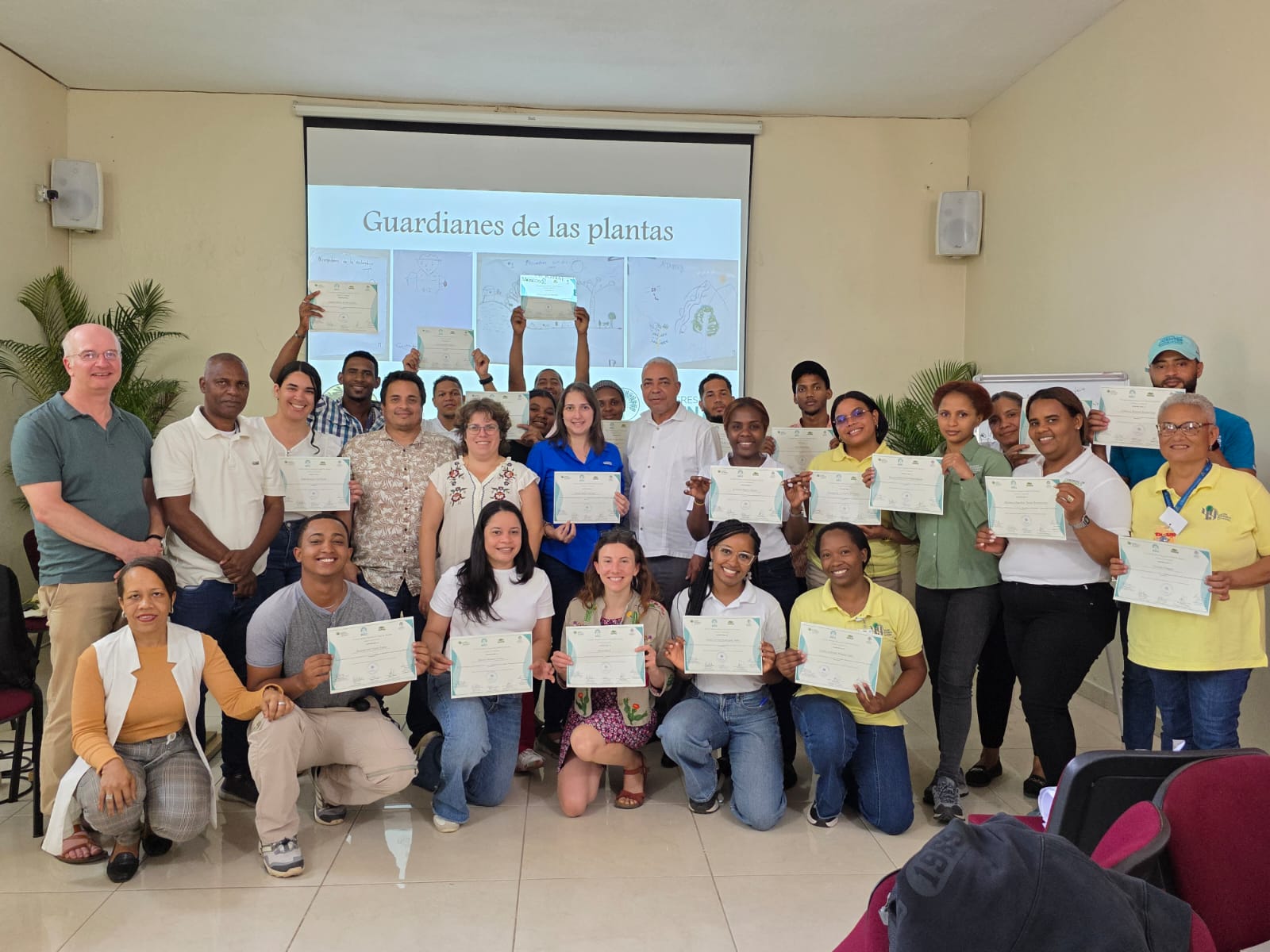
As part of the activities following the 2026 Botanical Bridges Congress, the intensive workshop “Guardians of Plants: The Vital Role of Gardeners and Herbarium Assistants in the Curation of Botanical Collections” was held. This three-day training experience aimed to strengthen technical skills in the management, documentation, and conservation of plant biodiversity. This important event was made possible thanks to the financial support of Botanic Gardens Conservation International (BGCI), whose backing enabled the gathering of international specialists and technical staff for a high-level theoretical and practical learning process. Experts Banessa Falcón, from the National Botanical Garden of Havana, Cuba, and Álvaro Idárraga, from the Botanical Garden of Medellín, Colombia, led the training, promoting the exchange of knowledge and experiences among the participants.
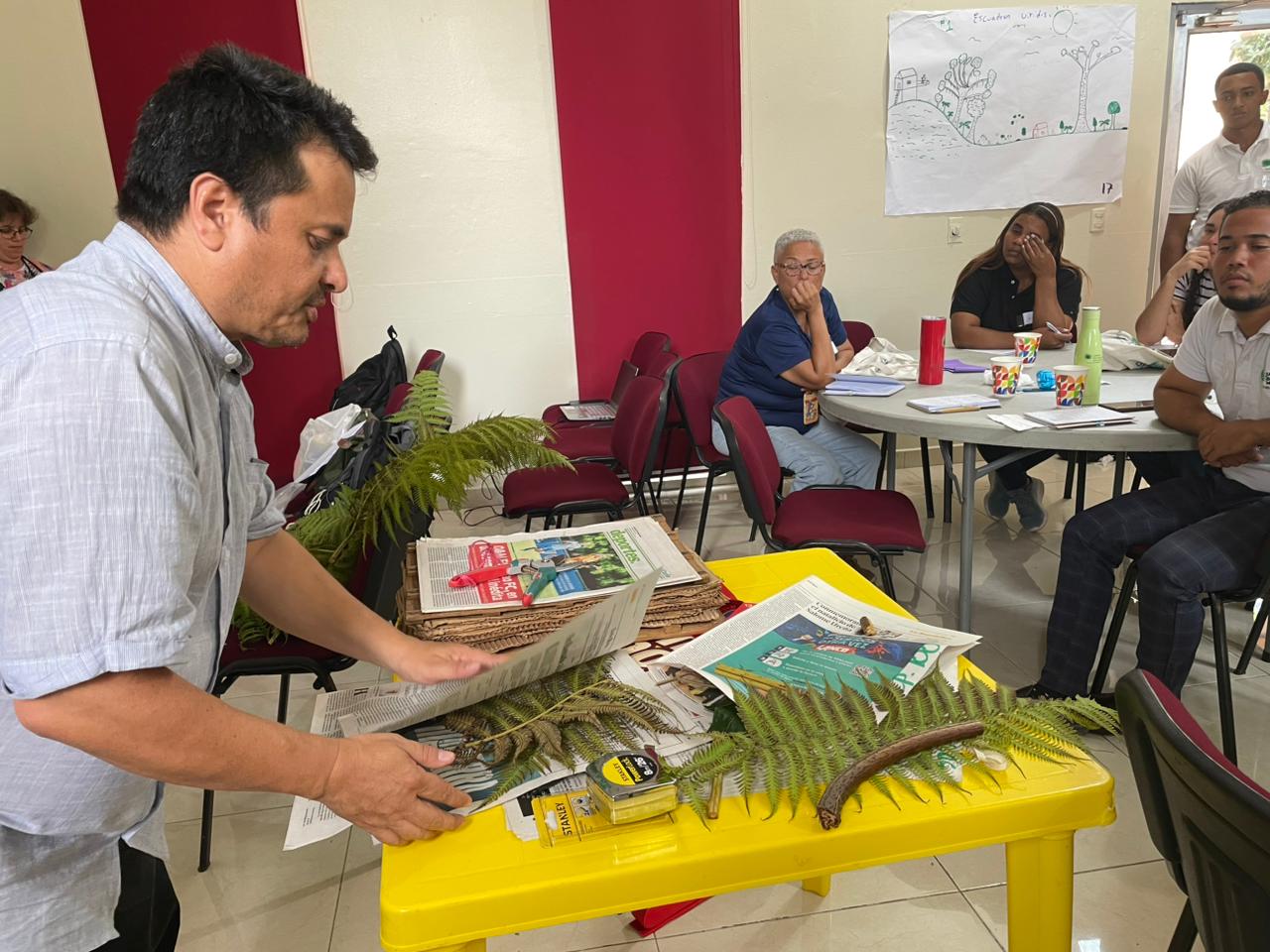
The course was structured in five modules that comprehensively addressed the value of botanical collections in research, education, and conservation. The course began with an introduction to the history, types, and functions of collections (herbariums, botanical gardens, and seed banks), followed by a practical component focused on responsible collection techniques, including ethical criteria, tool use, and field data collection using coordinates, labels, and ecological observations. It also explored the processes of specimen conservation and storage, including traditional methods such as pressing and drying, as well as the use of modern technologies for digitization and data management.
As part of the field exercises, fern specialist Weston Testo joined the group, sharing general information about this important group of plants, their main morphological characteristics, diversity, and ecological relevance. This enriched the learning experience and the botanical knowledge applied during the workshop.
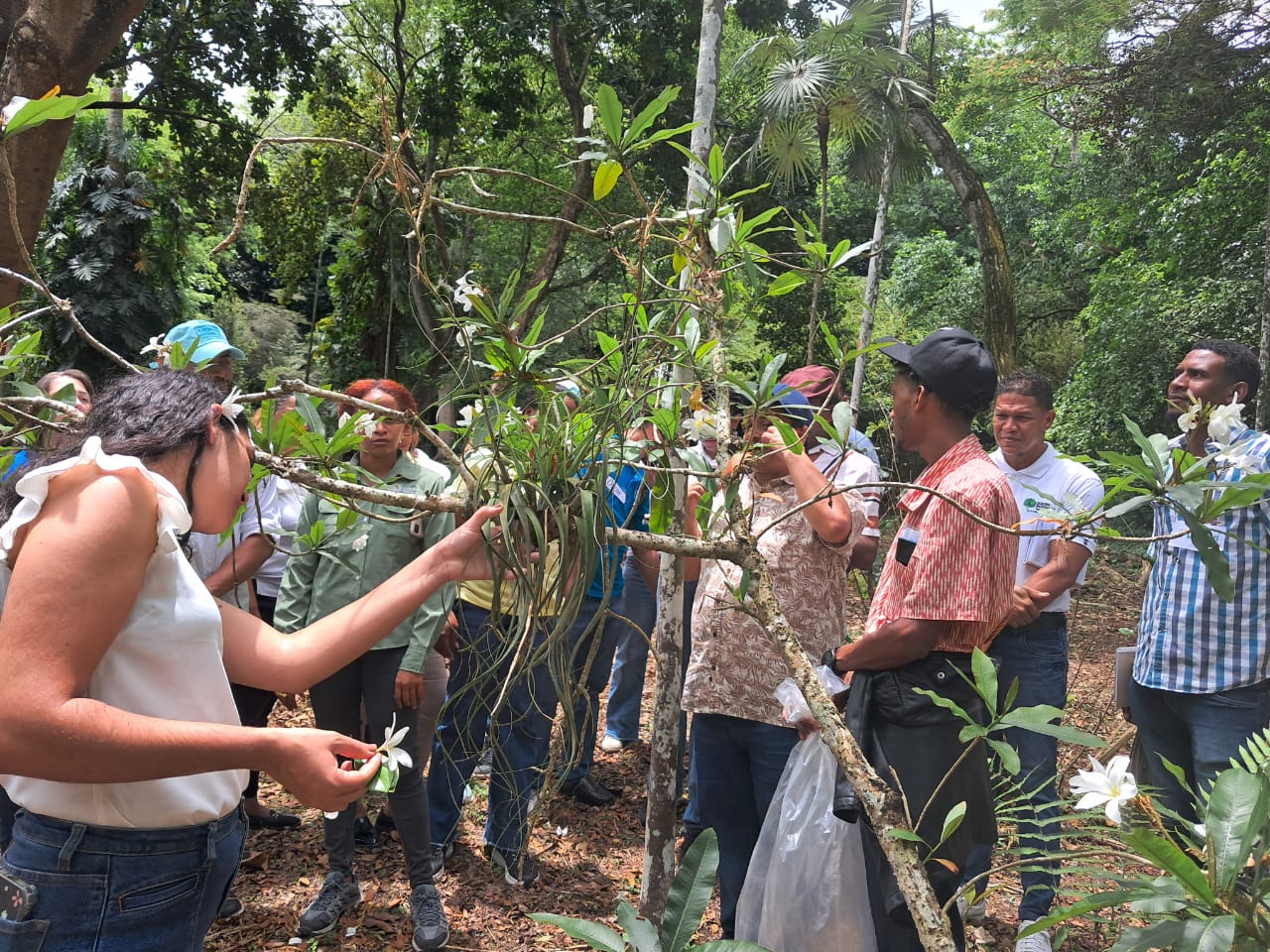
Finally, the workshop integrated content from general botany and applied taxonomy, allowing participants to strengthen their knowledge of plant morphology, species identification, and recognition of Neotropical plant families through the use of taxonomic keys and guided field walks. This experience not only expanded the technical skills of gardeners and herbarium assistants in areas such as herbarium preparation, collection management, and the use of specialized tools, but also reaffirmed the institution’s commitment to continuing education and ecosystem conservation, consolidating the role of these individuals as true guardians of plant diversity.
Spanish translation below
Curso Guardianes de las plantas: el rol vital de jardineros y asistentes de herbario en la curadurìa
Como parte de las actividades posteriores al Congreso Internacional Puentes Botánicos 2026, se desarrolló el taller intensivo “Guardianes de las plantas: el rol vital de jardineros y asistentes de herbario en la curaduría de colecciones botánicas”, una experiencia formativa de tres días orientada a fortalecer las capacidades técnicas en el manejo, documentación y conservación de la biodiversidad vegetal. Este importante espacio fue posible gracias al apoyo financiero de Botanic Gardens Conservation International (BGCI), cuyo respaldo permitió reunir a especialistas internacionales y personal técnico en un proceso de aprendizaje teórico-práctico de alto nivel. Los expertos Banessa Falcón, del Jardín Botánico Nacional de La Habana, Cuba, y Álvaro Idárraga, del Jardín Botánico de Medellín, Colombia, guiaron el proceso formativo, promoviendo el intercambio de conocimientos y experiencias entre los participantes.
El curso estuvo estructurado en cinco módulos que abordaron de manera integral el valor de las colecciones botánicas en la investigación, la educación y la conservación. Se inició con una introducción a la historia, tipos y funciones de las colecciones (herbarios, jardines botánicos y bancos de semillas), seguida por un componente práctico enfocado en técnicas de recolección responsable, incluyendo criterios éticos, uso de herramientas y levantamiento de información en campo mediante coordenadas, etiquetas y observaciones ecológicas. Asimismo, se profundizó en los procesos de conservación y almacenamiento de especímenes, incluyendo métodos tradicionales como el prensado y secado, así como el uso de tecnologías modernas para la digitalización y gestión de datos.
Como parte de las prácticas de campo, se integró además el especialista en helechos Weston Testo, quien compartió con los participantes aspectos generales sobre este importante grupo de plantas, sus principales características morfológicas, diversidad y relevancia ecológica, enriqueciendo así la experiencia formativa y el conocimiento botánico aplicado durante el taller.
Finalmente, el taller integró contenidos de botánica general y taxonomía aplicada, permitiendo a los participantes fortalecer sus conocimientos en morfología vegetal, identificación de especies y reconocimiento de familias botánicas del neotrópico mediante el uso de claves taxonómicas y recorridos guiados en campo. Esta experiencia no solo amplió las competencias técnicas de jardineros y asistentes de herbario en áreas como herborización, manejo de colecciones y uso de herramientas especializadas, sino que también reafirmó el compromiso institucional con la formación continua y la conservación de los ecosistemas, consolidando el rol de estos actores como verdaderos guardianes de la diversidad vegetal.
Become a Member
Be part of the largest network of botanic gardens and plant conservation experts in the world by joining BGCI today!
Support BGCI
You can support our plant conservation efforts by sponsoring membership for small botanic gardens, contributing to the Global Botanic Garden Fund, and more!