Mapping Populations of Threatened Trees in China and Pakistan
-
Region
Asia -
Programme
BGCI -
Workstream
Saving Plants -
Topic
Tree Conservation -
Type
Conservation Story -
Source
BGCI
News published: 09 April 2026
Introduction
Understanding threatened plant populations is key to saving them. Information on the population sizes, the threats they face, and the actions needed to protect them is vital. With support from Fondation Franklinia and BGCI, two projects focused on Magnolia zenii (Critically Endangered) in China and Tecomella undulata (Endangered) in Pakistan have strengthened our knowledge and are helping to safeguard the species’ futures.
New populations of Magnolia zenii in the Baohua Mountain National Forest Park, China
Baseline
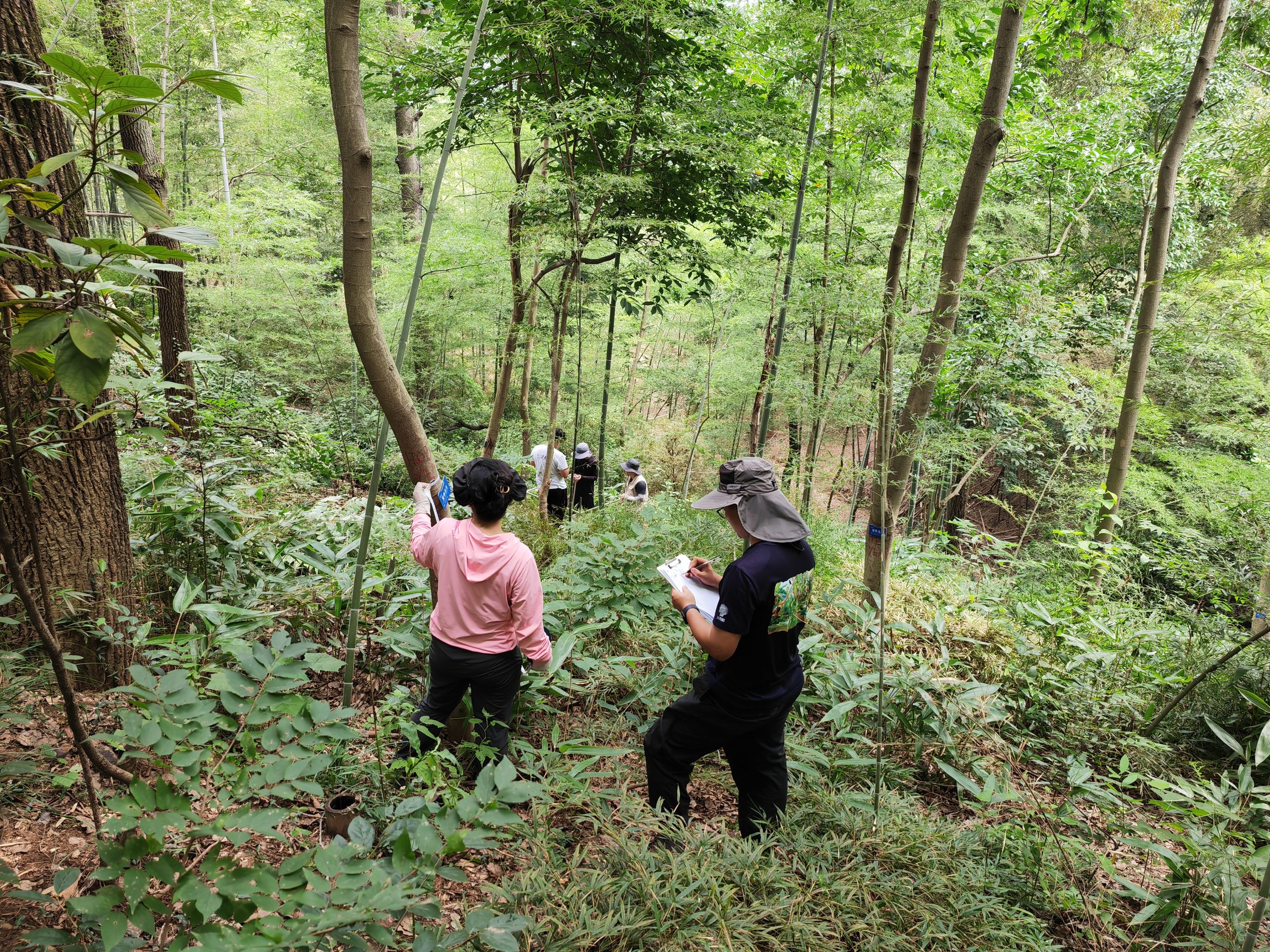
M. zenii, endemic to China, is only found in Baohua Mountain National Forest Park (BMNFP), Jiangsu Province. Prior to 2025, 115 mature trees had been recorded with poor natural regeneration a threat to the species. Shanghai Botanical Garden and BMNFP have been carrying out surveys to monitor those trees and discover new populations.
Project discoveries
In 2025, during multiple systematic surveys in Yanglaoshan and Qin’an, 30 new mature trees were found taking the total to 145 (26% more). Clearance of “invasive” bamboo (Phyllostachys edulis) to provide space for their continued growth also led to the discovery of 640 seedlings naturally regenerating.
Success / importance
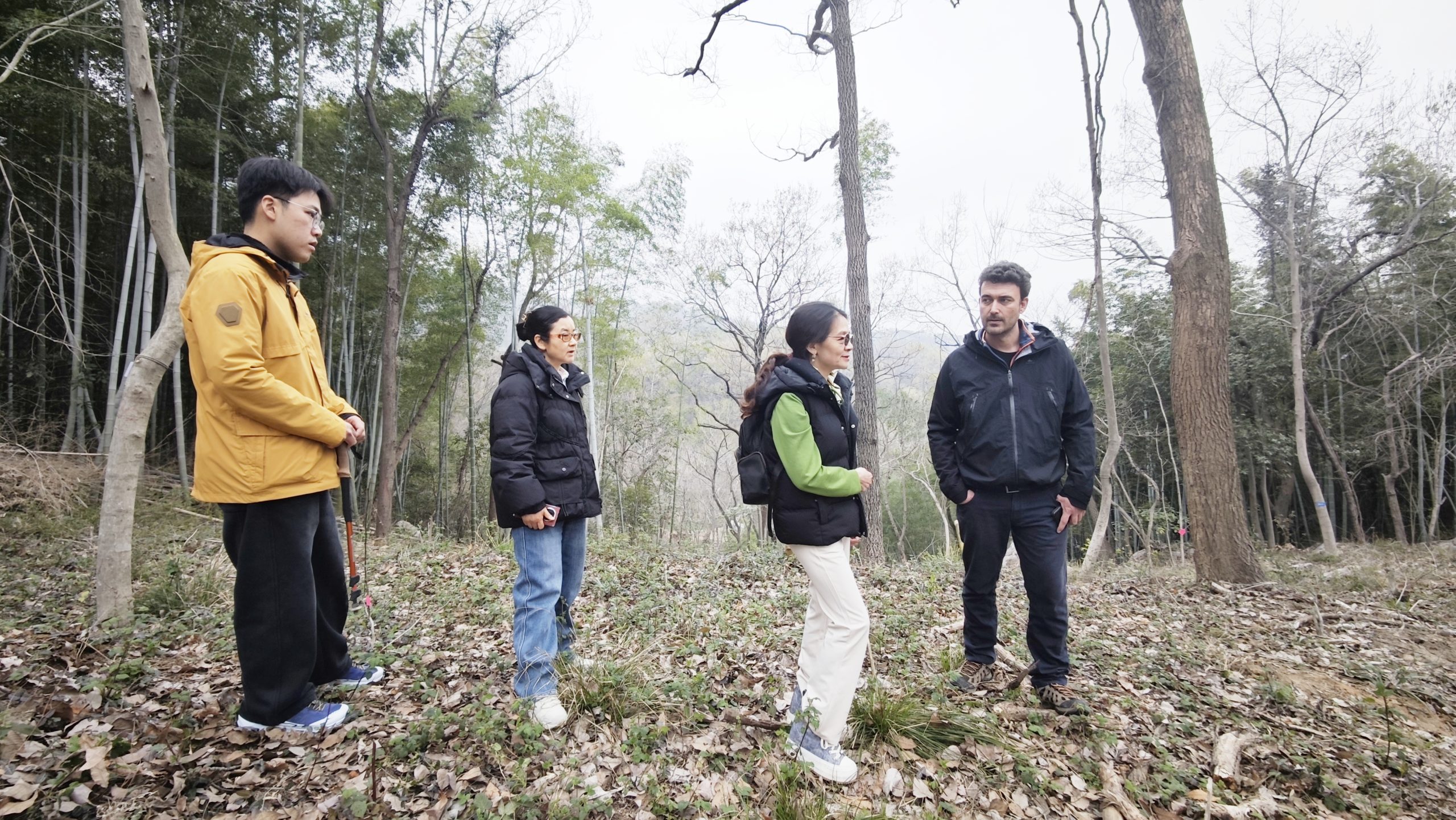
Data was collected and individuals taller than 50 cm labelled for regular management and monitoring in the future (still growing well in March 2026). In addition, through regular visits to the populations, the flowering period has been confirmed (March) and the fruiting period (September). Interactions between birds and small mammals, and M. zenii were observed, including the first time, a bird species was recorded feeding on seeds, potentially key to the species’ dispersal.
Monitoring Tecomella undulata populations in Punjab, Pakistan
Baseline
Tecomella undulata is found from Iran, to Pakistan, but over its range there have been significant losses and little regeneration due to agriculture, grazing, and climate changes. Led by the Botanic Garden in the Government College University, Lahore, searches have been carried out in the Punjab region.
Project discoveries
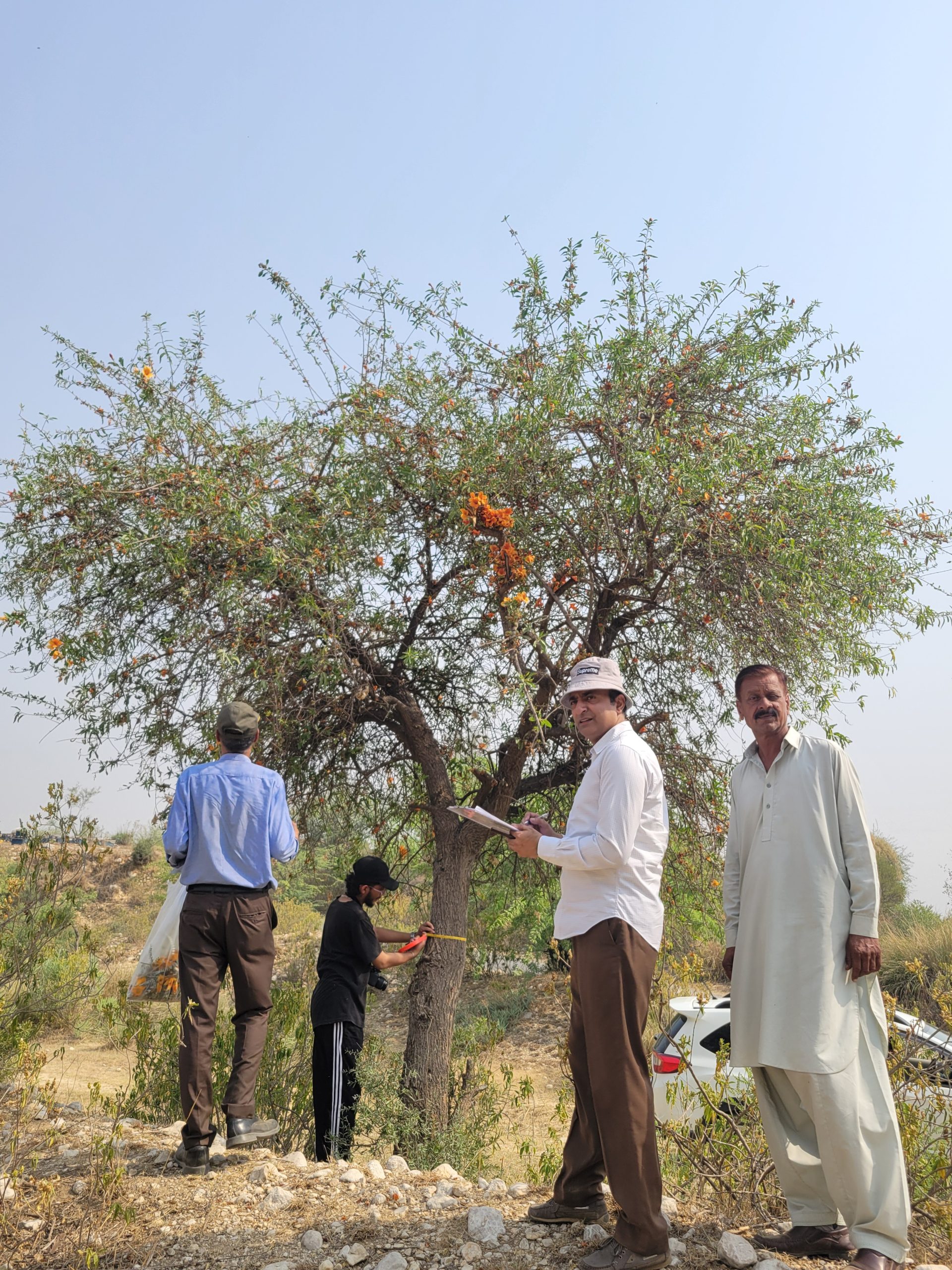
Four extensive field surveys were conducted to map the existing populations of T. undulala, in its two native distribution ranges – the Soan valley (northern Punjab) and Bahawalpur (southern Punjab). During these surveys 782 individual trees of T. undulata were mapped and monitored, with their diameter at breast height and total heights recorded along with the phenology. These were often on roadside margins and in foothills of mountains and agricultural field margins, where deliberate protection is minimal.
Success / importance
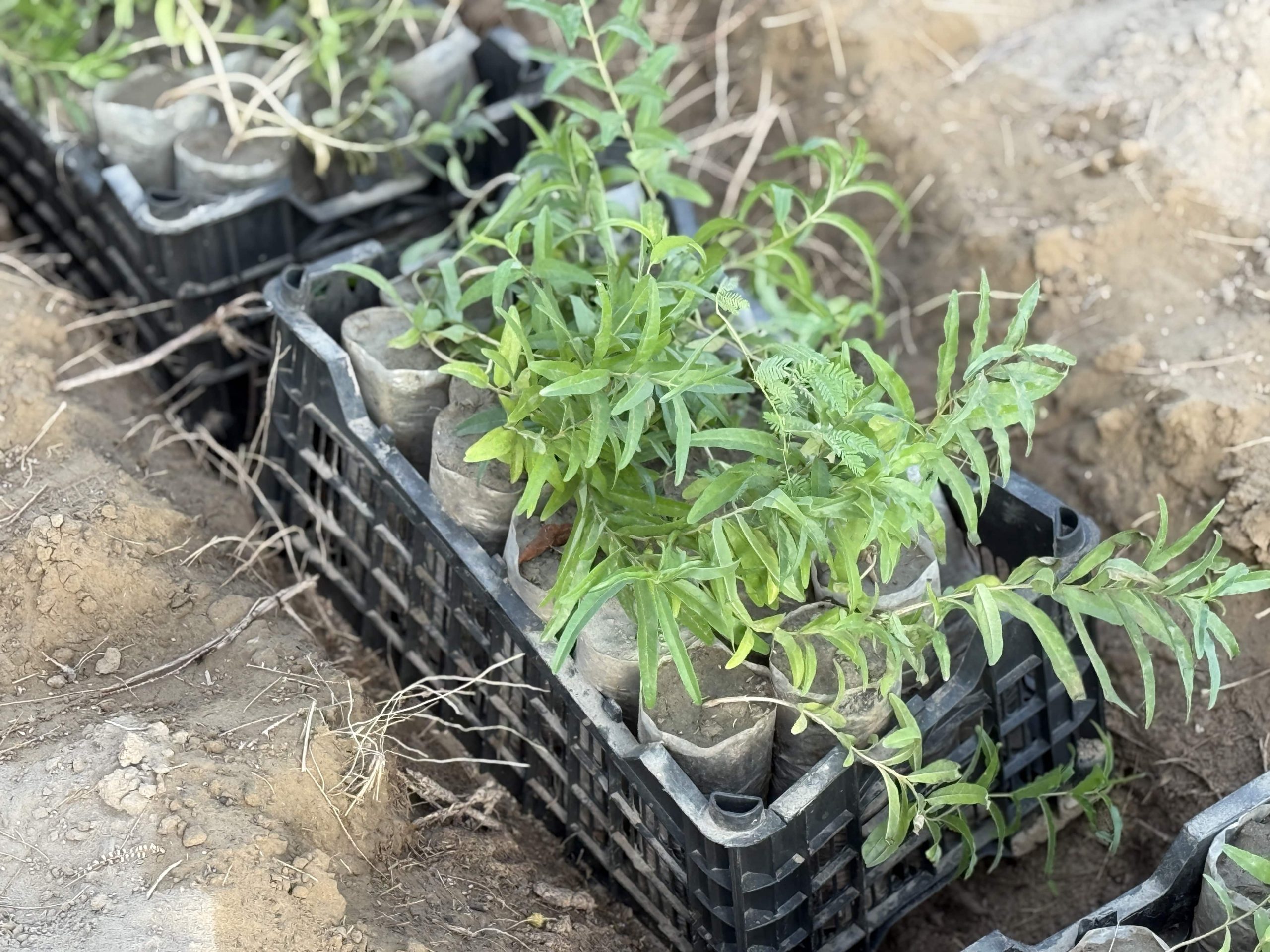
From these surveys, seeds were collected and used to develop new propagation protocols. These protocols can now be used to mass produce seedlings to plant back into in situ sites that have better protection, such as the local biodiversity parks and and reserve forest sites etc. For further details email dr.zafarsiddiq@gcu.edu.pk.
Become a Member
Be part of the largest network of botanic gardens and plant conservation experts in the world by joining BGCI today!
Support BGCI
You can support our plant conservation efforts by sponsoring membership for small botanic gardens, contributing to the Global Botanic Garden Fund, and more!