Investing in Plants Could Facilitate the Largest Wave of Endangered Species Recoveries in U.S. History
-
Country
United States of America -
Region
North America -
Type
Press Release -
Source
BGCI Member
News published: 08 June 2026
Press Release: Atlanta Botanical Garden
Plant conservation offers a cost-effective, collaborative path to Endangered Species Act success
A largely overlooked conservation success story likely holds the key to accelerating endangered species recovery across the United States: plants.
While public attention often focuses on iconic wildlife, plants make up the majority of species protected under the Endangered Species Act (ESA). Despite receiving less than five percent of federal and state recovery funding, endangered plants accounted for approximately 74 percent of all species recoveries over the past five years.
Findings suggest that increasing investment in plant conservation could produce record recovery numbers while demonstrating effective, low-conflict approaches that can inform broader conservation efforts.
“Our collective work on plants is proving that endangered species recovery can be both effective and efficient,” says Leah Oliver, a consultant on policy and advocacy with the Southeastern Center for Conservation, part of the Atlanta Botanical Garden.
The Center plays a central role in preserving one of the world’s diversity hotspots, with a focus on the rarest, most endangered plant species in the Southeastern United States.
“By prioritizing proactive threat mitigation, partnerships, and voluntary conservation,” says Oliver, “we can achieve measurable results while supporting local communities and private landowners.”
Plant recovery efforts often require comparatively modest investments focused on habitat protection, seed collection, propagation, reintroduction, and land management. These techniques are widely practiced, scientifically understood, and often less expensive than wildlife recovery programs.
Expanding investments for ESA listed plants on the precipice of recovery will catalyze meaningful conservation wins, thanks to the Plant Conservation Leadership Summit, a large-scale collaboration that identified this opportunity. Held last August at the Atlanta Botanical Garden, this summit convened more than 100 leaders from the nation’s leading botanic gardens and plant conservation organizations to innovate solutions, some of which align with federal priorities.
Another way plant conservation aligns closely with federal priorities is by exemplifying voluntary, locally driven stewardship. Unlike endangered wildlife, endangered plants on private lands are generally exempt from federal prohibitions against harm, allowing conservation efforts to proceed through collaboration rather than regulation.
Because plant conservation typically avoids many of the legal and regulatory conflicts associated with wildlife recovery, a greater share of funding can be directed toward on-the-ground conservation activities rather than administrative processes.
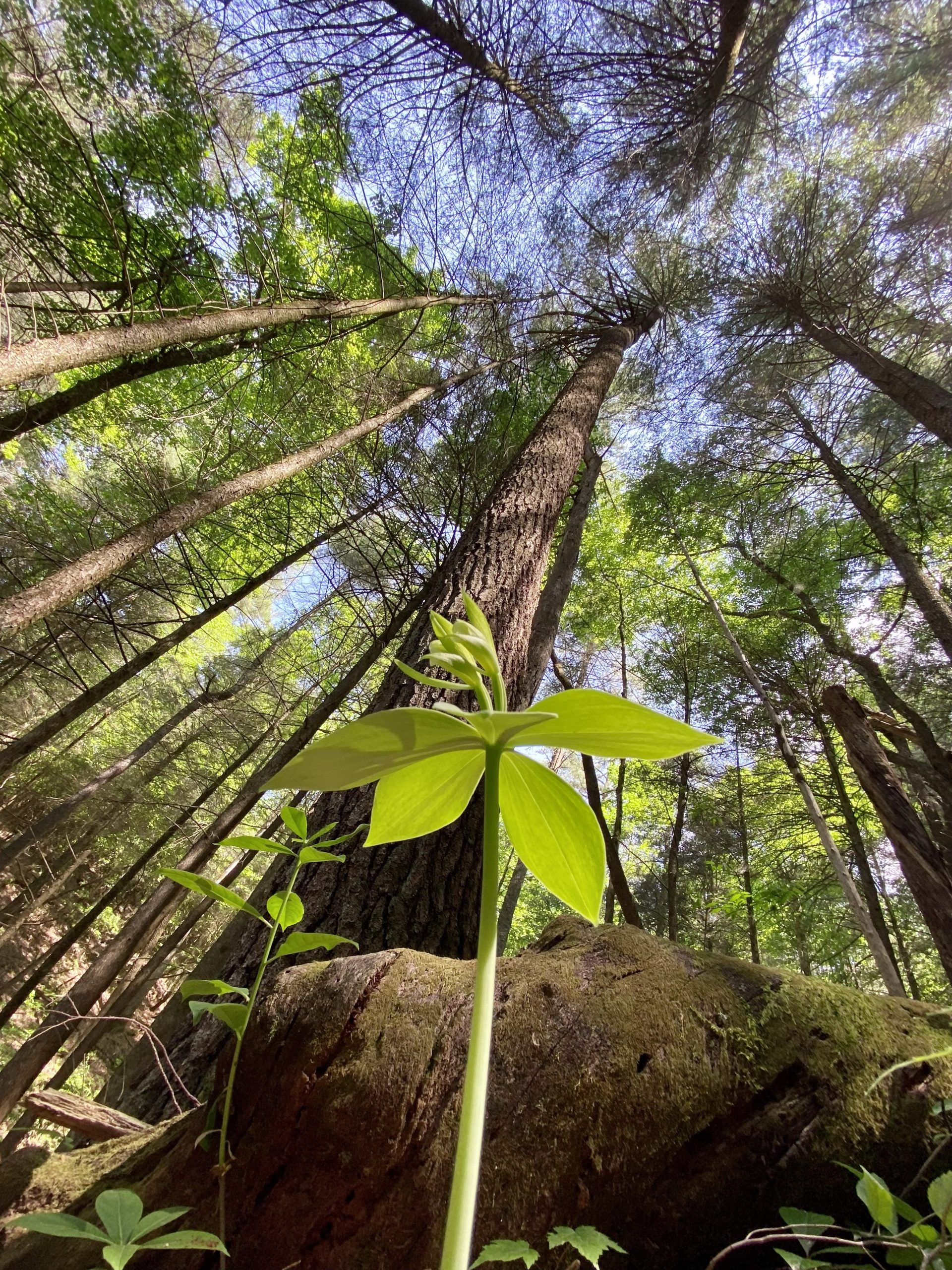
Across the country, successes are emerging. Rare orchids in the Southeast, desert wildflowers in the Southwest, and native Hawaiian plants have all benefited from collaborative conservation efforts that support local economies, create land management jobs, and strengthen communities.
Conservation advocates argue that expanding these efforts nationwide could help achieve an unprecedented milestone: the largest wave of endangered species recoveries in American history.
“Investing in plants represents an opportunity to deliver conservation results that are accountable, efficient, and rooted in partnership,” says Emily Coffey, PhD, Vice President of Conservation and Research at the Atlanta Botanical Garden, who leads the Southeastern Center for Conservation. “By building on proven successes, we can recover more species, strengthen ecosystems, and demonstrate that voluntary conservation works.”
For policymakers seeking conservation solutions that respect private property rights while delivering measurable outcomes, plant recovery offers a compelling model—and one with the potential to transform endangered species recovery nationwide.
Find out more by reading the op-ed, published in Agri-Pulse:
Become a Member
Be part of the largest network of botanic gardens and plant conservation experts in the world by joining BGCI today!
Support BGCI
You can support our plant conservation efforts by sponsoring membership for small botanic gardens, contributing to the Global Botanic Garden Fund, and more!