Community and Stakeholder Engagement to Conserve the Most Threatened Tree Species
-
Region
Global -
Programme
BGCI -
Workstream
Saving Plants -
Topic
Tree Conservation -
Type
Conservation Story -
Source
BGCI
News published: 04 June 2026
Introduction
Within the BGCI tree conservation projects around the world, generously supported by Fondation Franklinia, different stakeholders are engaged – from communities to NGOs and government – to better protect threatened tree species. Three examples from 2025 demonstrate the success of forming alliances of aligned stakeholders, and introducing community policing patrols and fire protection organisation, in Ecuador, Kenya and Zimbabwe.
An Ecuadorian Alliance for threatened tree conservation
Baseline
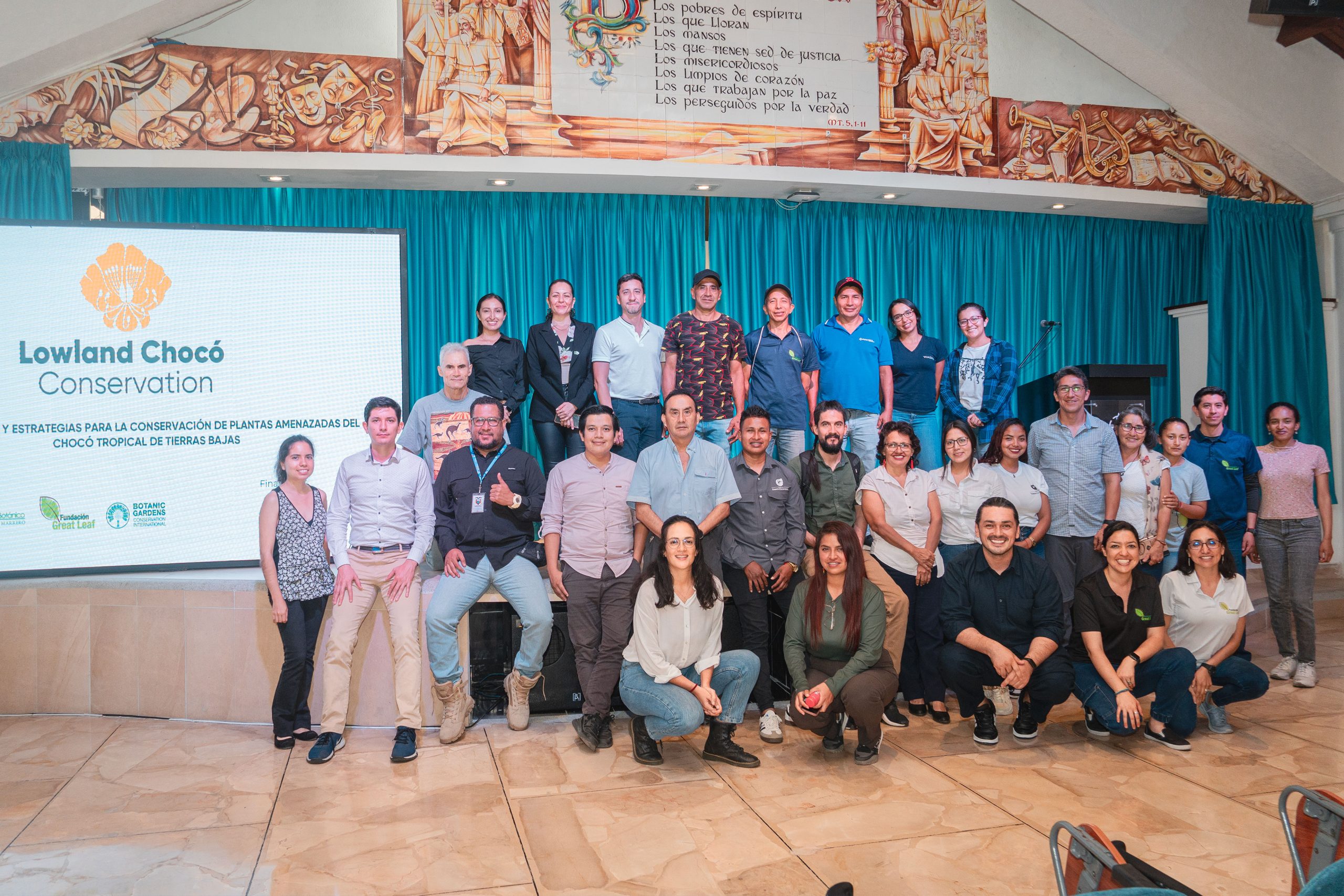
In Ecuador, Padre Julio Marrero Botanic Garden, are driving the formation of the Tropical Lowland Chocó Alliance, a group of NGO’s and other stakeholders, including community members, that work in Manabí and Esperanza provinces, where populations of the threatened tree species, Guatteria esperanzae (CR) and Swartzia littlei (EN), are found. The Alliance represents hope for these threatened tree species, and others, bringing the group together to study the distribution and phenology of the target species; develop propagation protocols; and plant and monitor restoration.
Project update
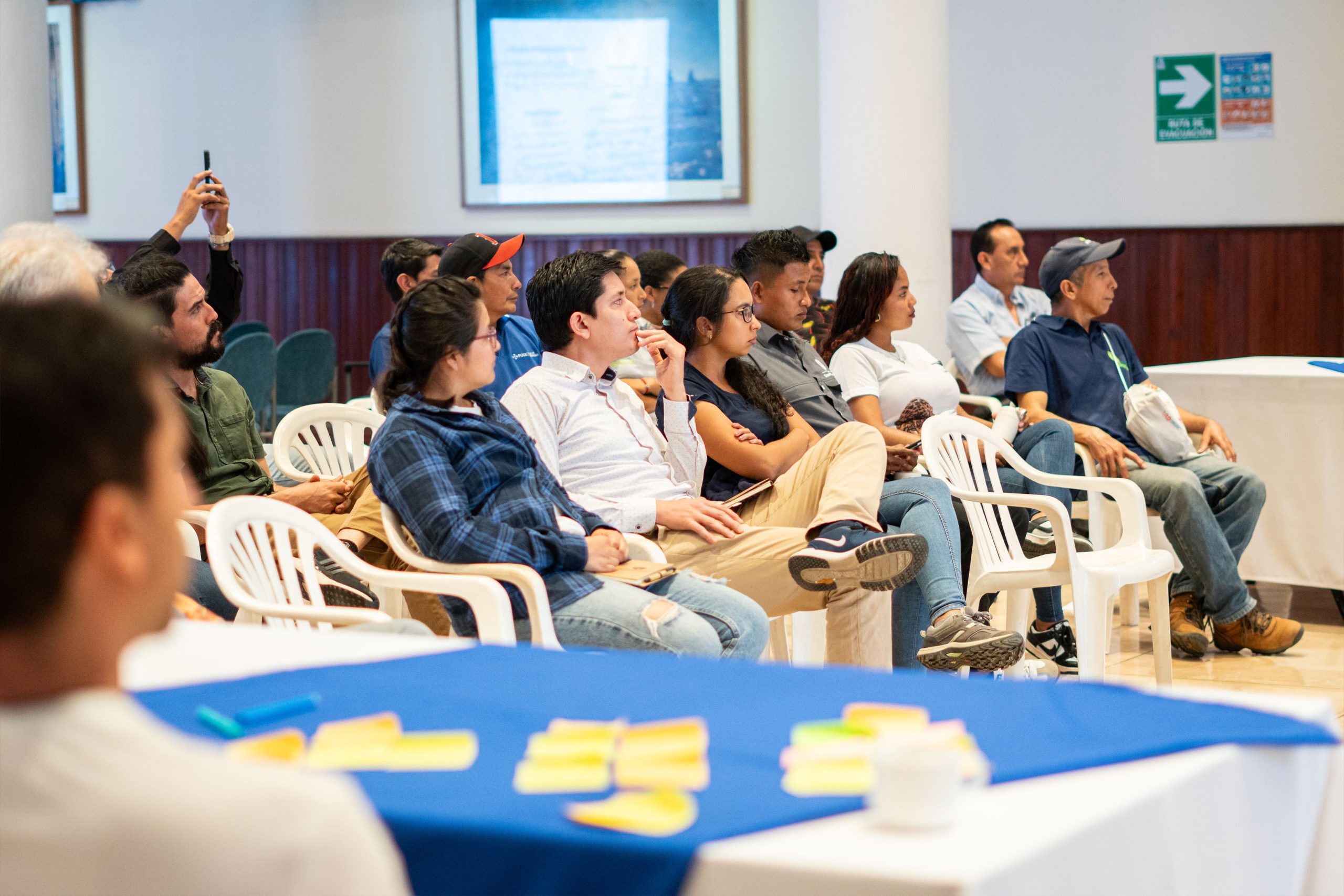
A workshop was conducted in September 2025 to develop the Conservation Action Plan for the target species with representatives from local communities, a private reserve, local governments, and the provincial conservation area of Santo Domingo de Los Tsáchilas. A total of 56 people attended the workshop from 22 organisations, collaboratively generating the first draft of the conservation plan. This will be revised and confirmed by the Alliance before submitting to the governmental environment department to formalize it nationally.
Success / importance
This Conservation Action Plan provides clear strategies to protect Guatteria esperanzae (CR) and Swartzia littlei (EN) and provides the Alliance clear actions to collaborate and allocate resources effectively for the conservation of the species.
Community patrols in Kenya to protect threatened trees
Baseline
The Sacred Kaya Forests of Kenya in Kilifi and Kwale Counties are part of the Eastern Africa Coastal Forest Biodiversity hotspot and are among the last remaining forest fragments in this hotspot. These host a high diversity of native, endemic and threatened tree species, but because of overexploitation from the local communities, the tree cover and species diversity has reduced dramatically. National Museums of Kenya (Coastal Forest Conservation Unit), our main partners have been engaging the local communities living in and around the Kaya forests to restore and conserve the forests and raise awareness on threatened species found within each of the forests.
Project update
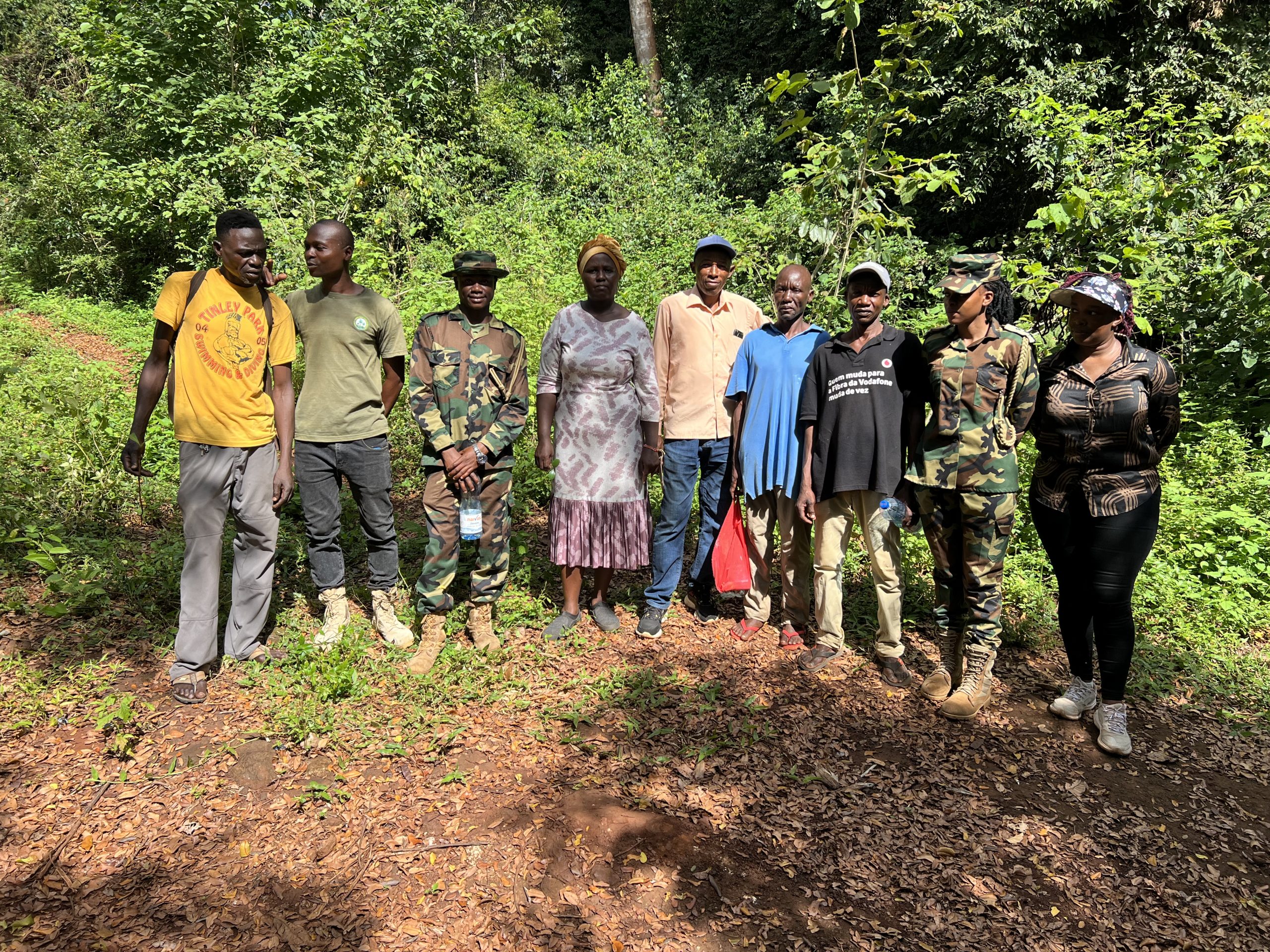
We conducted joint species surveys with representatives from the community, CFCU and BGCI to locate the target threatened tree species in the forests and map the existing populations, understand the status of the populations where the species are found and threats facing these populations. The community members were also taught about these species and their importance.
Success / importance
Tree cutting for fuel production and burning is greatly affects the populations of the species. Populations of the species were identified, some with only 2 – 3 individuals and others with more than 10 with more than 100 regenerants coming up. To ensure the protection of these populations, community patrol units were established for each forest fragments to reduce further anthropogenic disturbance. The community members organise into groups of 4 – 8 people and do random patrols 4 times a month, tracking their patrol routes. They also educate people they meet in the forests on the importance of protecting these species and their associated species and populations. Kenya Forest Service forests and rangers also take part when needed to take legal action against perpetrators.
Formation of the community Chimanimani fire forum in Zimbabwe
Baseline
In a project with the Zimbabwe Parks and Wildlife Management team looking at conservation 2 threatened tree species that are endemic to the Chimanimani Mountains, communities that live around the National Park are vital to success. Fires and illegal mining on both sides of Mozambique and Zimbabwe are threats to the species.
Project update
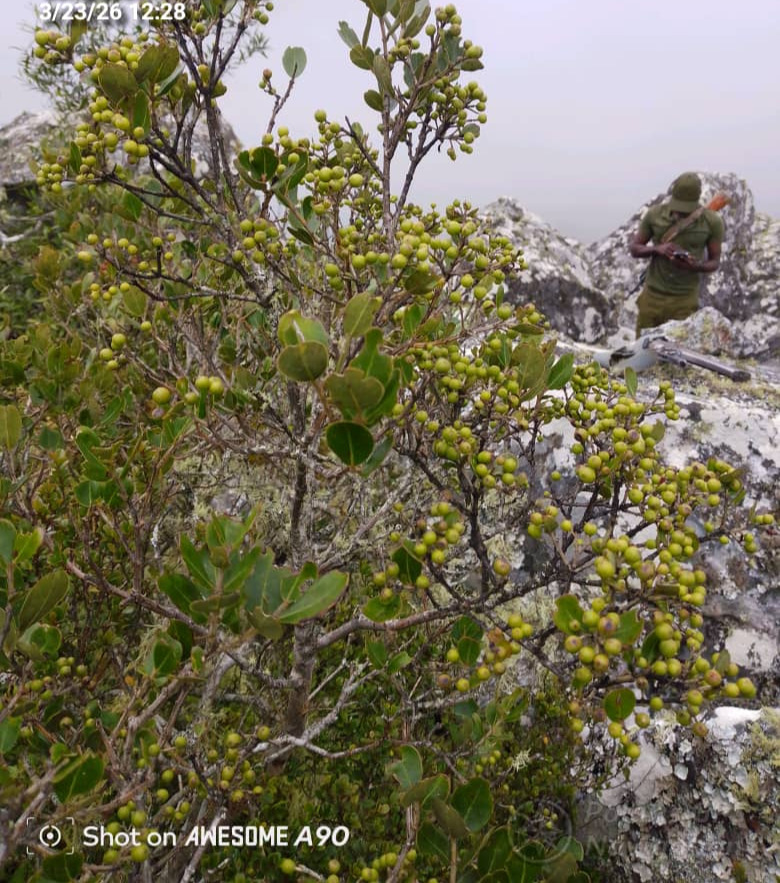
In 2025, fire meetings were held with 3 communities adjacent to the park to understand fire use and collect information on Olinia chimanimani and Empogona jenniferae with 90 attendees. From this a fire forum has been established of 30 people, that will meet regularly to discuss Chimanimani National Park fire management and mountain protection and develop a comprehensive monitoring framework with appropriate tools to ensure long-term success in conservation.
Success / importance
In the meetings the groups brainstormed methodologies and tools essential for fire monitoring and mountain protection. Nine major causes of wildfires were identified with 2 important protection strategies 1) to increase community engagement and training on fire management and the importance of resource protection, and 2) source and provide equipment and supplies to fight wildfires, e.g. fire beaters and fire blowers.
Become a Member
Be part of the largest network of botanic gardens and plant conservation experts in the world by joining BGCI today!
Support BGCI
You can support our plant conservation efforts by sponsoring membership for small botanic gardens, contributing to the Global Botanic Garden Fund, and more!