BeXyl Project Final Assembly and EFSA Xylella Conference Recap
-
Country
Italy -
Region
South America -
Programme
International Plant Sentinel Network -
Workstream
Saving Plants -
Topic
Plant Conservation -
Source
BGCI
News published: 3 July 2026
The IPSN team was delighted to participate in the final BeXyl General Assembly and the 5th European Conference on Xylella fastidiosa, organised by the European Food Safety Authority (EFSA) in Bari, Italy, from 22nd June 2026 to 26th June.
The final assembly of the BeXyl Project marked a major milestone, a culmination of four years of collaborative research and innovation. It provided a valuable opportunity to reflect on the project’s significant achievements, celebrate the collective efforts of the consortium, reconnect with project partners, and discuss future directions and opportunities for continued collaboration.
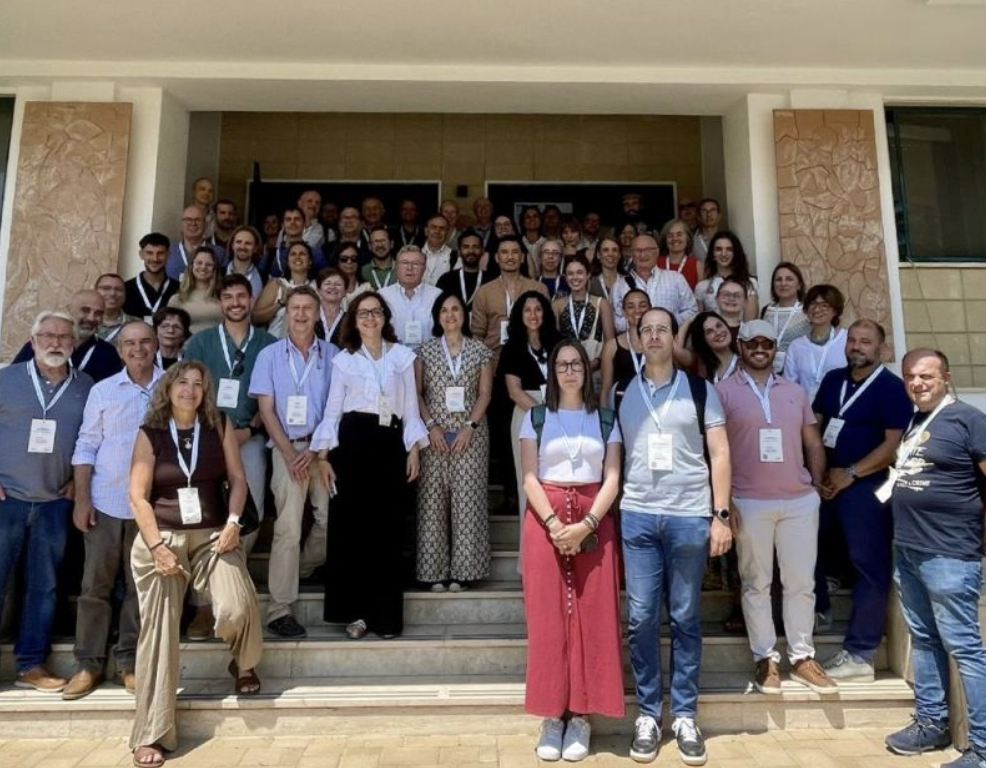
The subsequent EFSA conference brought together researchers, risk assessors, regulatory authorities, diagnostic and reference laboratories, policymakers, and practitioners from across Europe and beyond to share the latest advances in research, surveillance, sustainable management, and socio-economic impacts of Xylella fastidiosa worldwide.
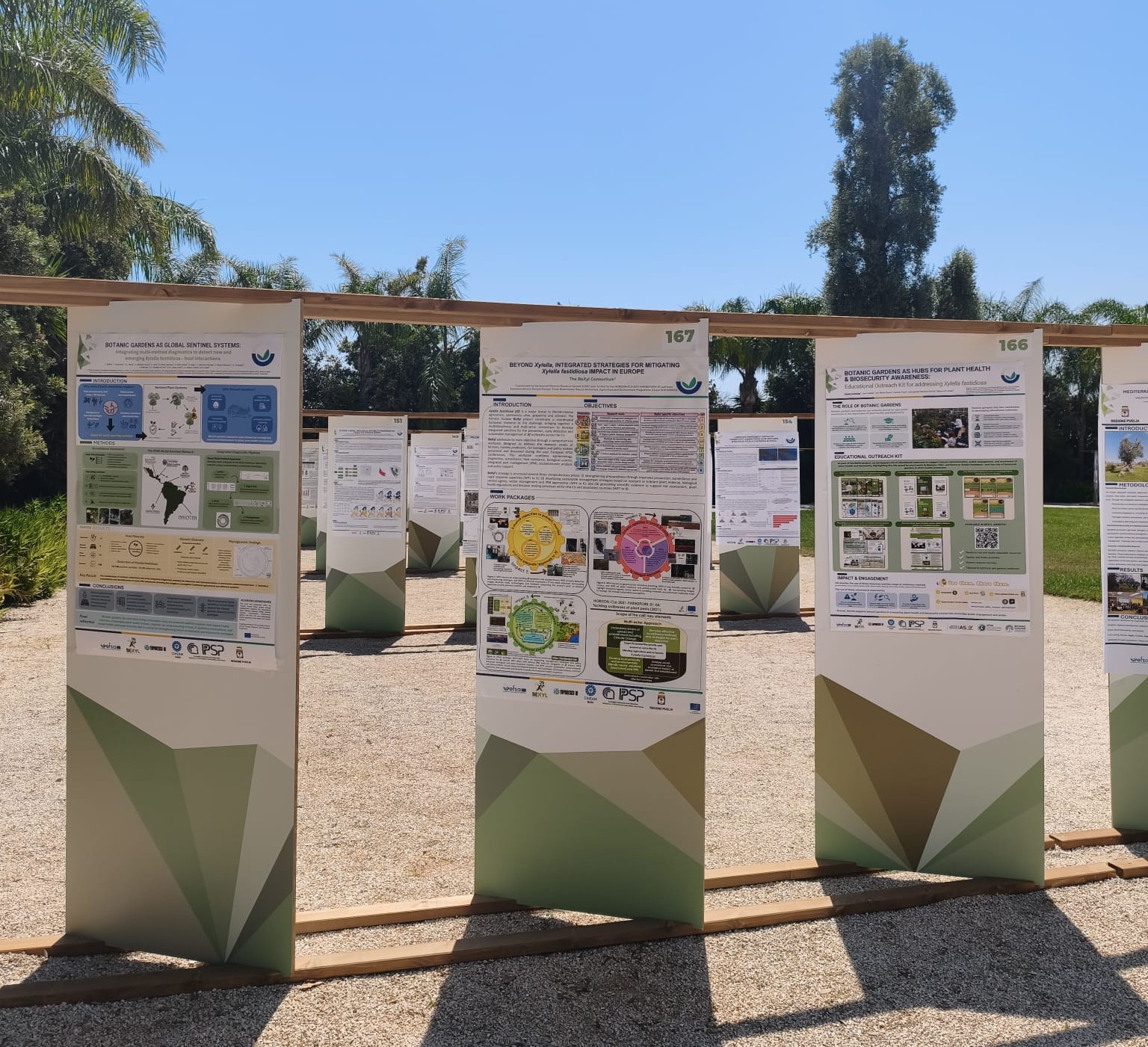
During the meeting, the IPSN team was proud to present the outstanding contributions made by participating botanic gardens and arboreta in South and Central America. Through coordinated sampling, surveillance, and collaboration across multiple countries, the participating gardens demonstrated the unique value of living collections as research centres, providing access to a remarkable diversity of host plants that supports plant health research and strengthens our understanding of emerging pests and pathogens.
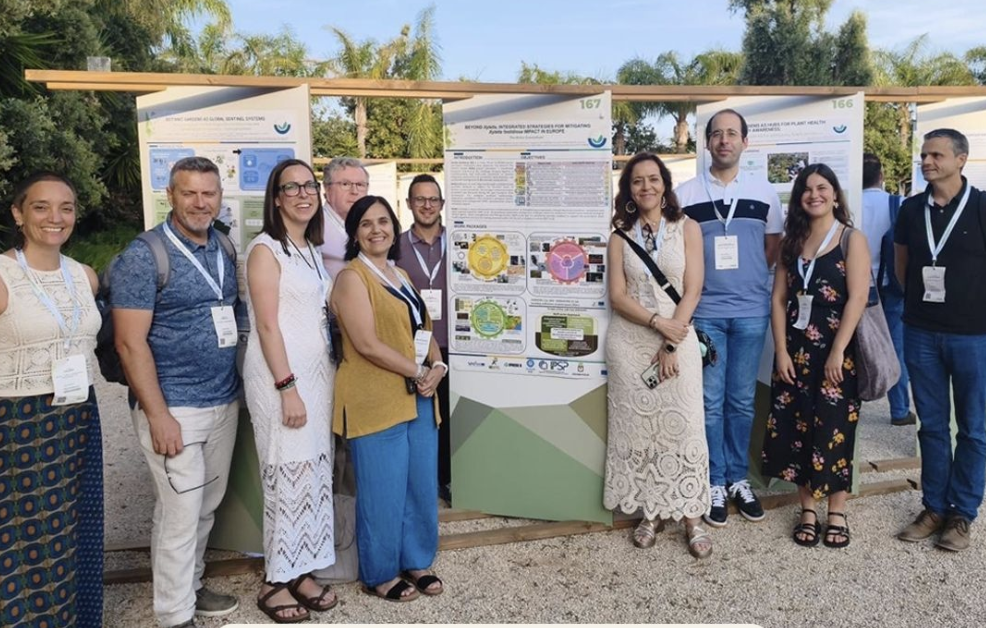
The conference also provided an excellent opportunity to highlight the wider role that botanic gardens play in plant biosecurity as education and public engagement hubs. The IPSN showcased the range of educational resources developed to support these institutions in raising awareness and engaging diverse audiences on plant health and biosecurity.
Throughout the week, the IPSN team engaged with representatives from national and regional plant protection organisations, regulatory authorities, diagnostic and reference laboratories, research institutes, and other practitioners. The conference provided invaluable opportunities to exchange experiences, discuss common challenges, and explore new ideas for future collaboration, reinforcing the importance of multidisciplinary partnerships in addressing global plant health threats.
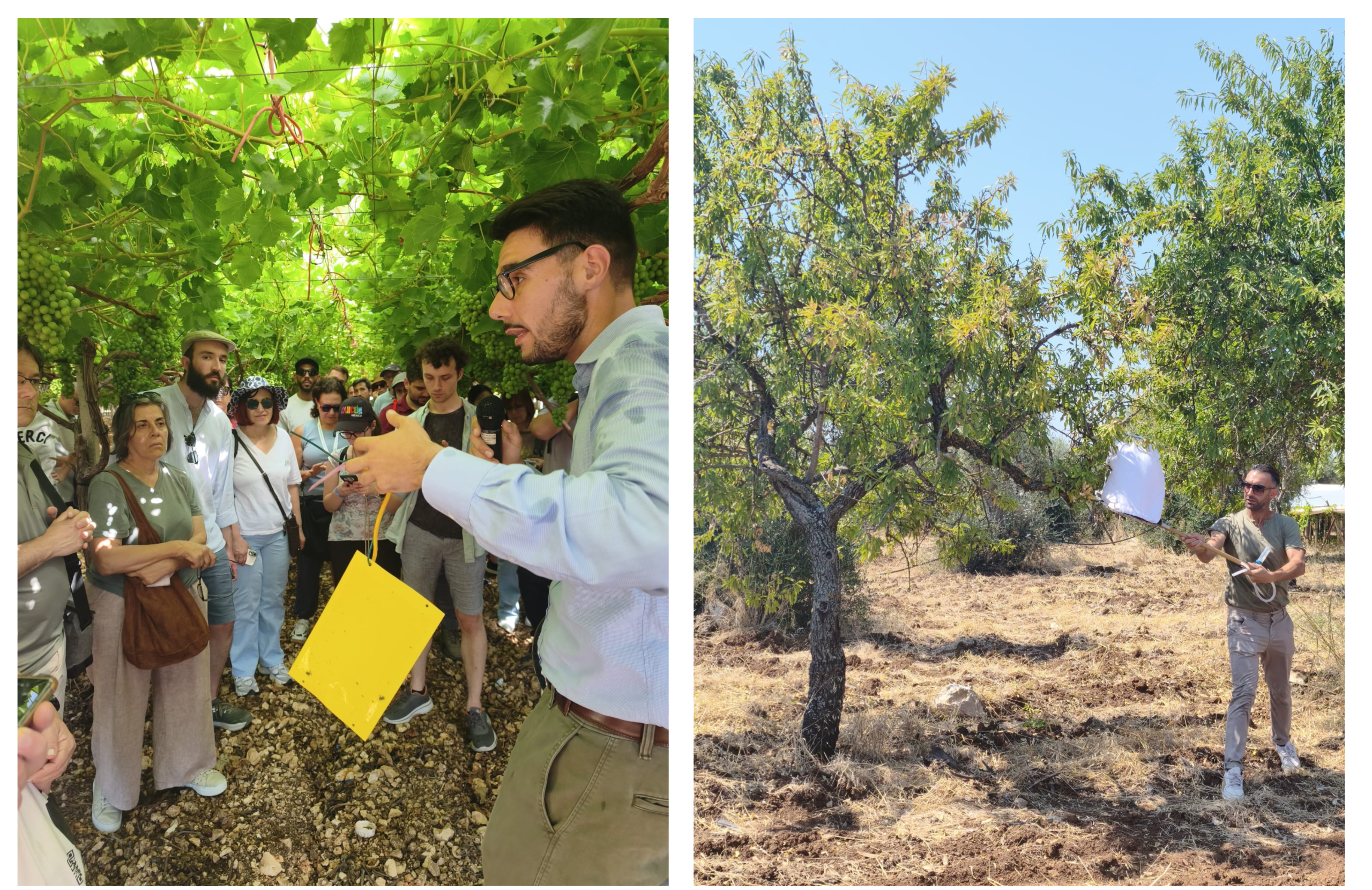
The conference concluded with a field visit to vineyards in the Apulia region of southern Italy, one of the areas most severely affected by Xylella fastidiosa. We greatly appreciated the opportunity to see first-hand the impacts of the disease on local agriculture and to learn how growers are adapting their management practices. The visit also provided valuable insights into current strategies for managing the disease by controlling vector insects, particularly the sap-sucking insects that transmit the bacterium.
The IPSN team would like to thank the BeXyl consortium, EFSA, and all the conference organisers for delivering such an inspiring and collaborative event. We are especially grateful to the gardens that participated in the BeXyl Project, whose enthusiasm, expertise, and commitment made these achievements possible.
We look forward to building on the relationships established in Bari and continuing to demonstrate the vital contribution that botanic gardens and arboreta make to plant health research, biosecurity, and global plant conservation.
Become a Member
Be part of the largest network of botanic gardens and plant conservation experts in the world by joining BGCI today!
BGCI Databases
Explore BGCI's suites of databases to help plant conservation worldwide. Upload your data!